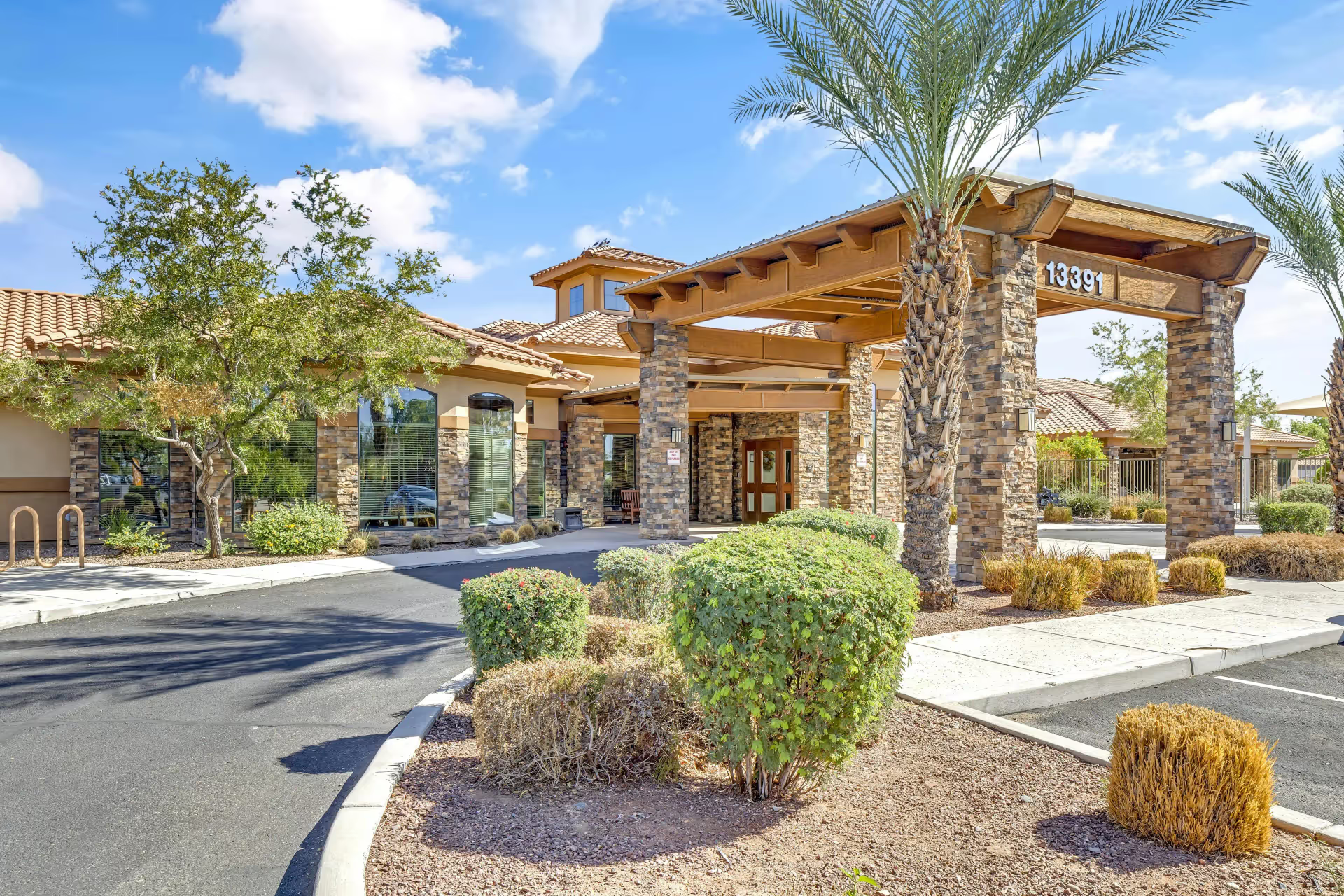
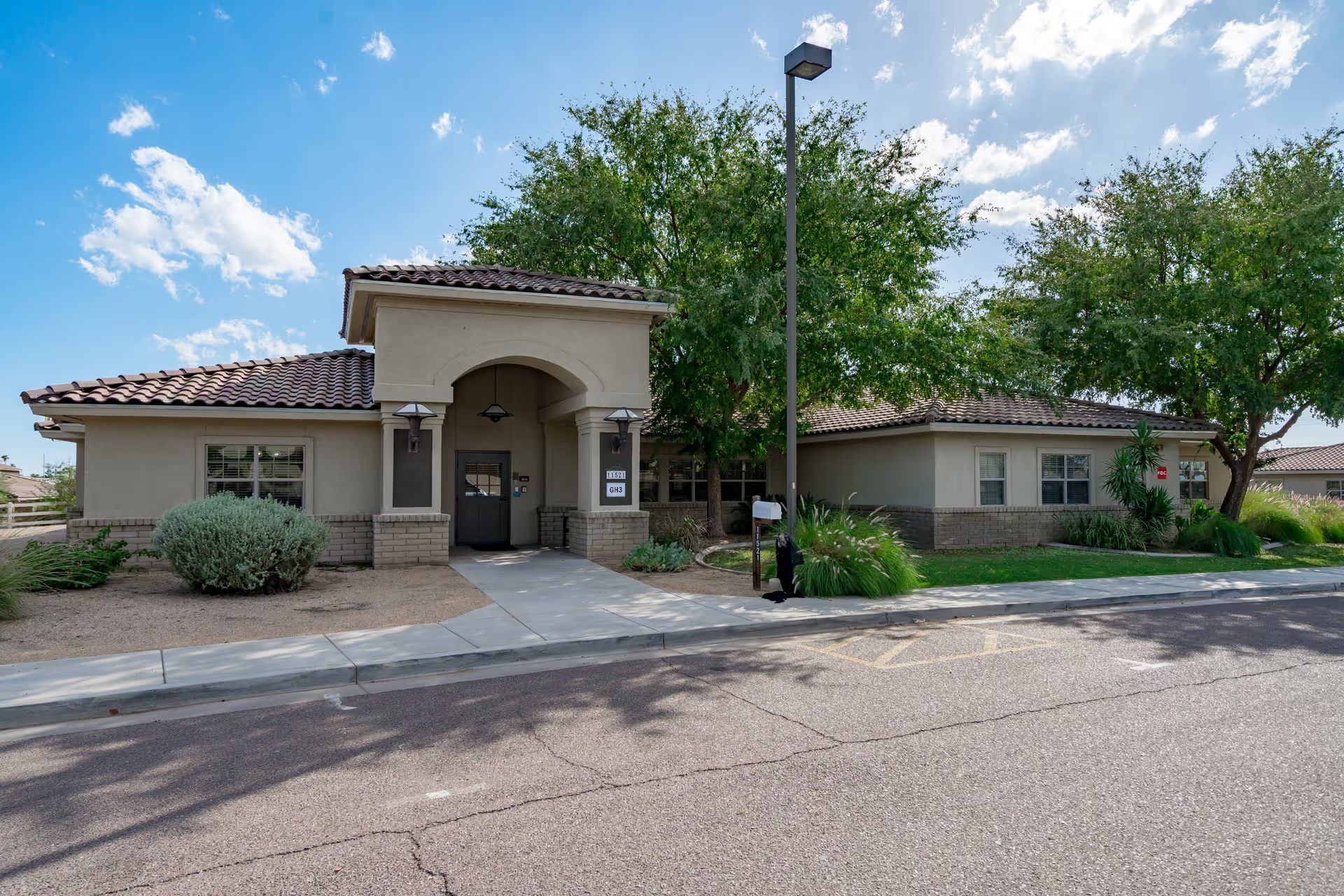
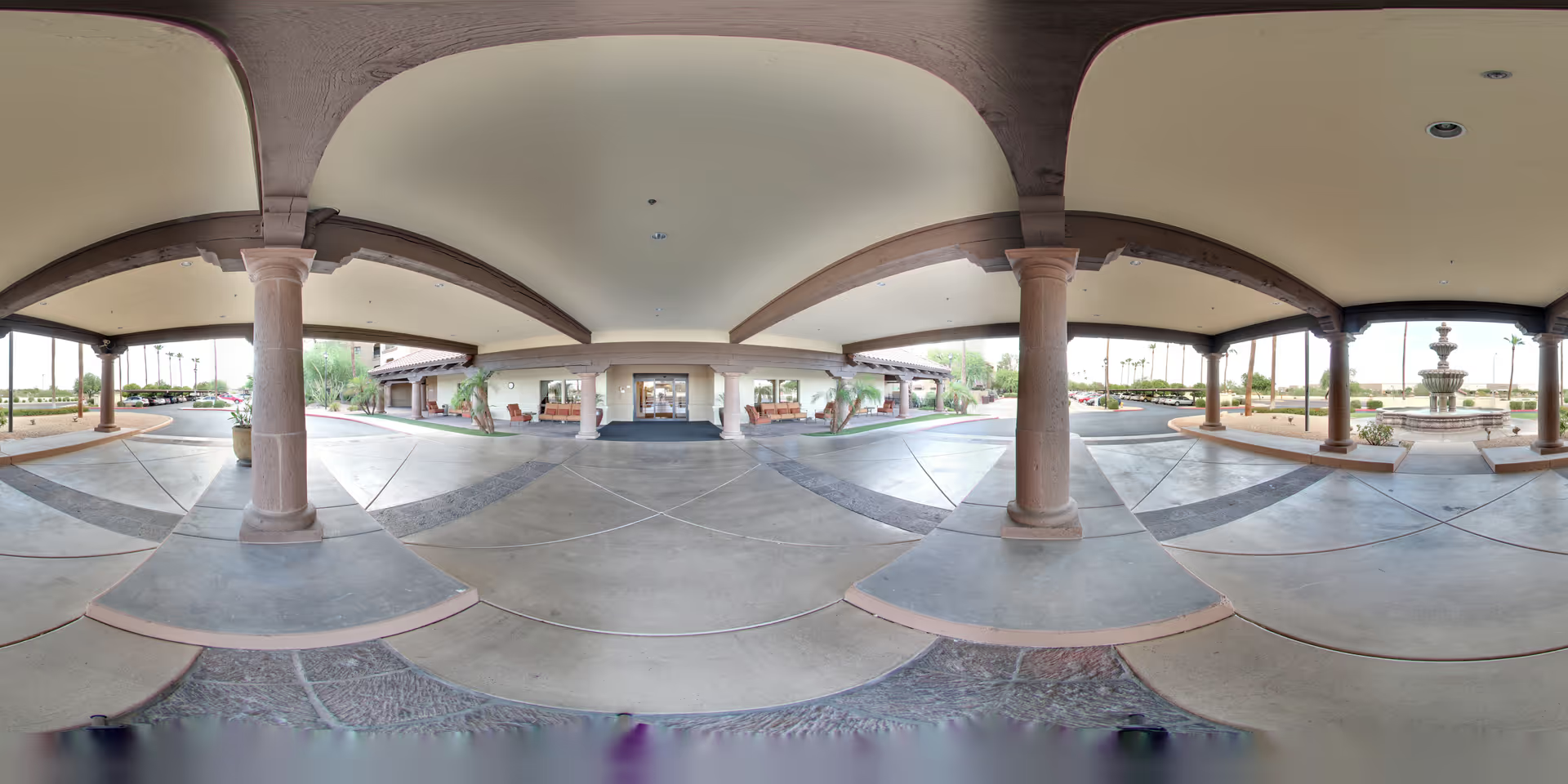
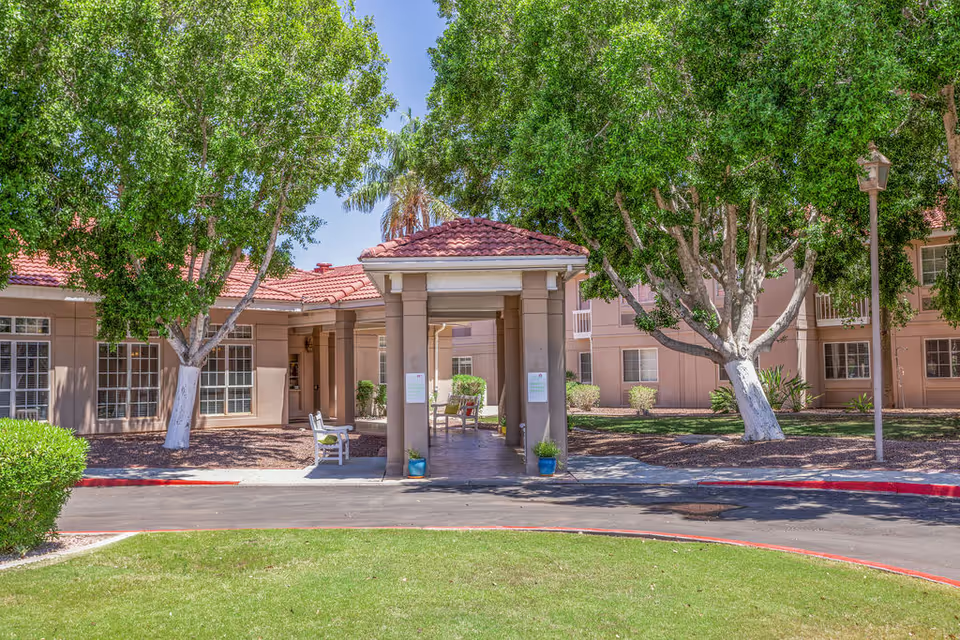
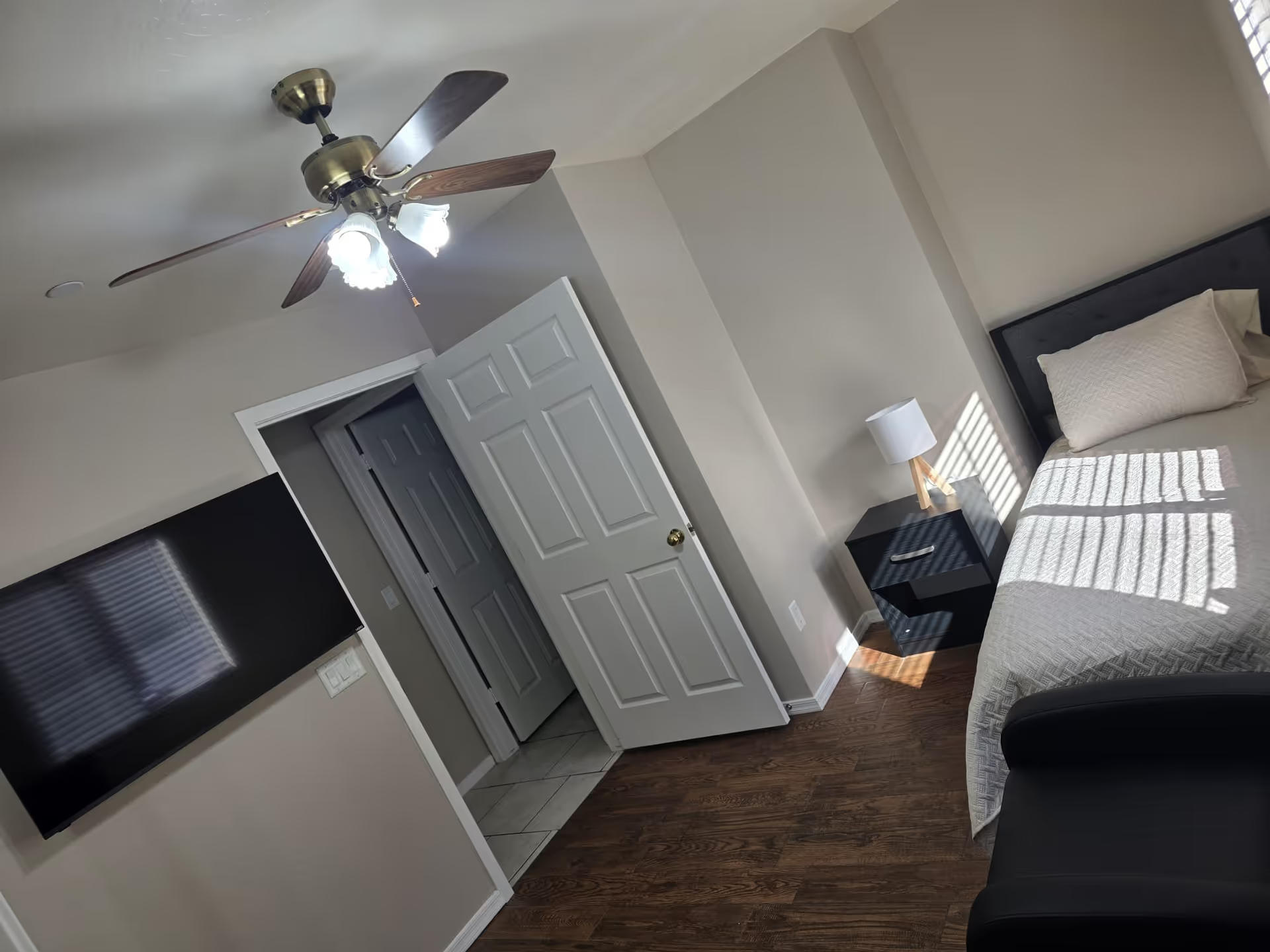
Across the dataset, Boswell Transitional Care of Cascadia elicits strongly mixed impressions. Its most consistent strengths center on rehabilitation services: physical therapy, occupational therapy, and speech therapy are frequently described as effective, collaborative, and outcome-oriented. Many families credited the therapy teams and certain nursing/CNA staff with measurable functional gains, successful transitions home, or dignified end-of-life support. Reviewers also point to moments of personalized, family-centered caregiving and a welcoming, home-like atmosphere in portions of the facility.
At the same time, a number of operational patterns recur that may materially affect longer stays or higher-acuity patients. Medication administration and documentation practices are described as inconsistent, with delays, missed notifications to families, and concerns about sedative combinations. Staffing instability and high turnover are repeatedly cited; reviewers describe delayed responses to call lights, uneven availability of CNAs and nurses, and transfer or handling practices that raise safety questions. These workforce issues appear linked to gaps in discharge coordination and aftercare follow-up, resulting in family frustration around home-health arrangements and continuity of care.
Sanitation and supplies are another area of concern. Multiple accounts reference sanitation issues, inconsistent bathing and linen changes, and insufficient supplies or equipment for bedbound residents. Dining experiences vary widely; some reviewers praise varied menus and accommodating dietary discussions, while others note cold meals, poor food quality, and specific gaps in diabetic meal planning. Facility upkeep is uneven as well — reviewers mention maintenance items such as broken call buttons, room repairs, and intermittent hot-water problems.
Clinical governance and infection control present further patterns to note. There are descriptions of a COVID outbreak and an associated breakdown in testing or staffing practices; there are also broader comments about infection-related hospitalizations (pneumonia, sepsis, UTI) following perceived delays in assessment or catheter oversight. There are allegations regarding staff working while ill during an outbreak, which families viewed as a significant safety concern.
Interactions with administrative and social-work staff are highly variable. Some families praise specific social workers and case managers for effective planning and empathy, while others describe unprofessional or unhelpful interactions that complicated discharge and care decisions. Leadership and individual staff members are often singled out positively, suggesting that quality is sometimes driven by particular people rather than consistent systems.
For prospective residents and families: the facility appears capable of delivering strong, rehabilitation-focused care when therapy and experienced clinical staff are present. However, for residents requiring prolonged skilled nursing, high-acuity supports, intensive dementia/delirium management, or strict medication and dietary oversight, the reviews indicate operational weaknesses that should be explored during a tour. Recommended actions before admission include asking for current staffing ratios, medication-administration protocols, infection-control policies, diabetic meal plans, and examples of how the facility handles behavioral health and high-acuity bedbound care. Observing mealtime, therapy sessions, and the responsiveness to a nurse-call during a visit may also help clarify whether the facility’s strengths align with the prospective resident’s needs.