Reviews of Robson Reserve at Sun Lakes show a broadly polarized picture: many families and residents praise the community’s social life, amenities, and food, while others raise operational and clinical concerns that warrant careful follow-up during a tour.
Care and staff: Several reviewers describe caring, courteous staff and compassionate caregiving, with examples of supportive front-line interactions and attentive dining staff. Those positive accounts are counterbalanced by other reports describing gaps in staff responsiveness and engagement during clinical needs. The pattern suggests variability in day-to-day staffing performance — strong personal interactions are possible, but families should ask about staffing ratios, on-shift clinical coverage, and response protocols for higher-acuity needs before committing.
Dining: Dining is a frequently highlighted feature. Many reviews praise high-quality meals, special menus, monthly international offerings, live cooking demonstrations, and standout items. At the same time, multiple reviewers describe inconsistent food quality, slow service at peak times, holiday meal continuity issues (e.g., sack-lunch substitutions), and an added monthly meal charge that affects perceived value. Prospective residents should clarify which meals are included, how holiday service is handled, and how the facility manages peak dining periods.
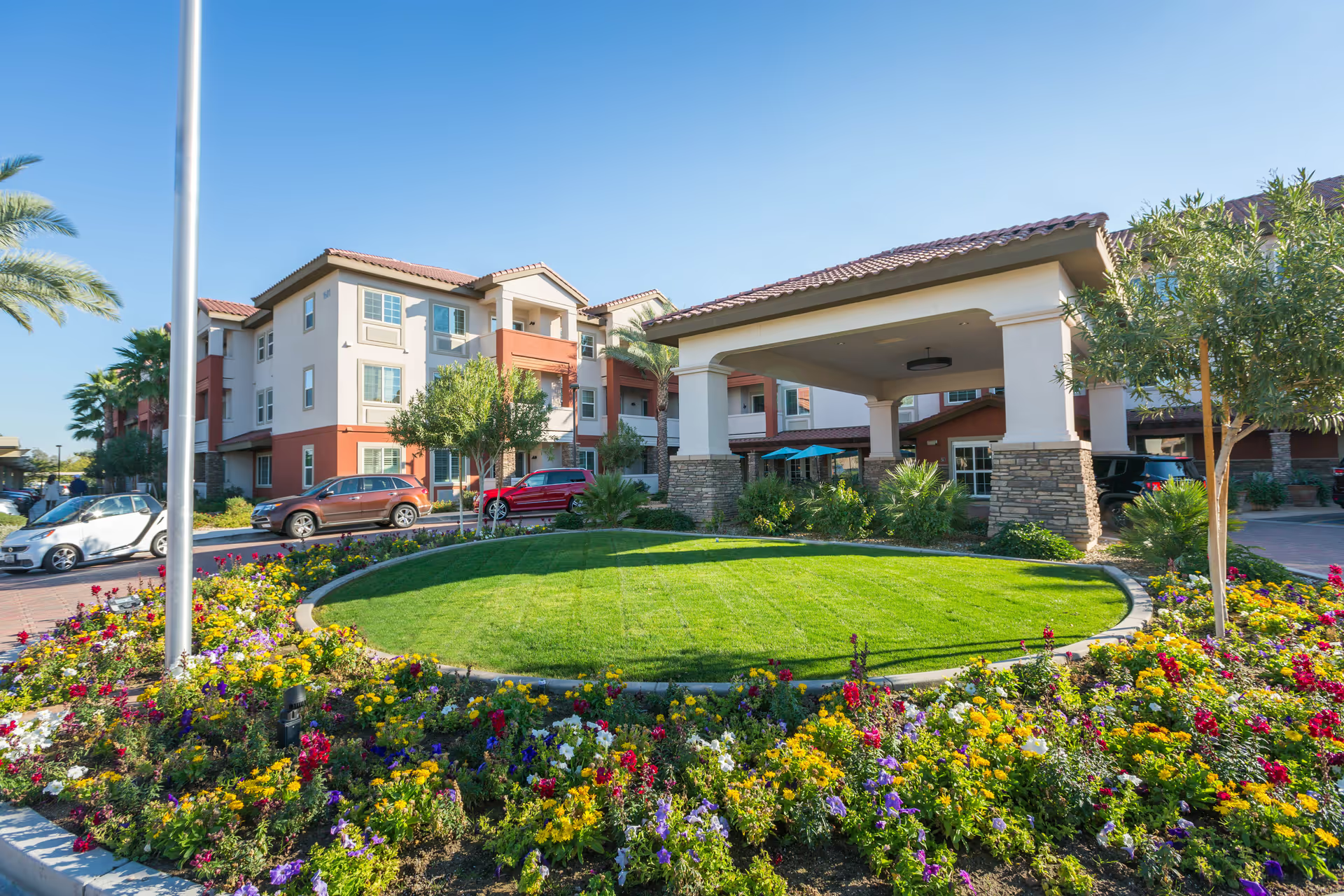
Activities and amenities: The community consistently earns praise for its active programming, live entertainment, varied social opportunities, and communal spaces. On-site amenities such as physical therapy and a hair/nail salon, renovated interiors, and landscaped courtyards contribute to the sense of a resort-like environment for many residents. Reviewers who emphasize social engagement report improved quality of life and reduced household responsibilities for residents.
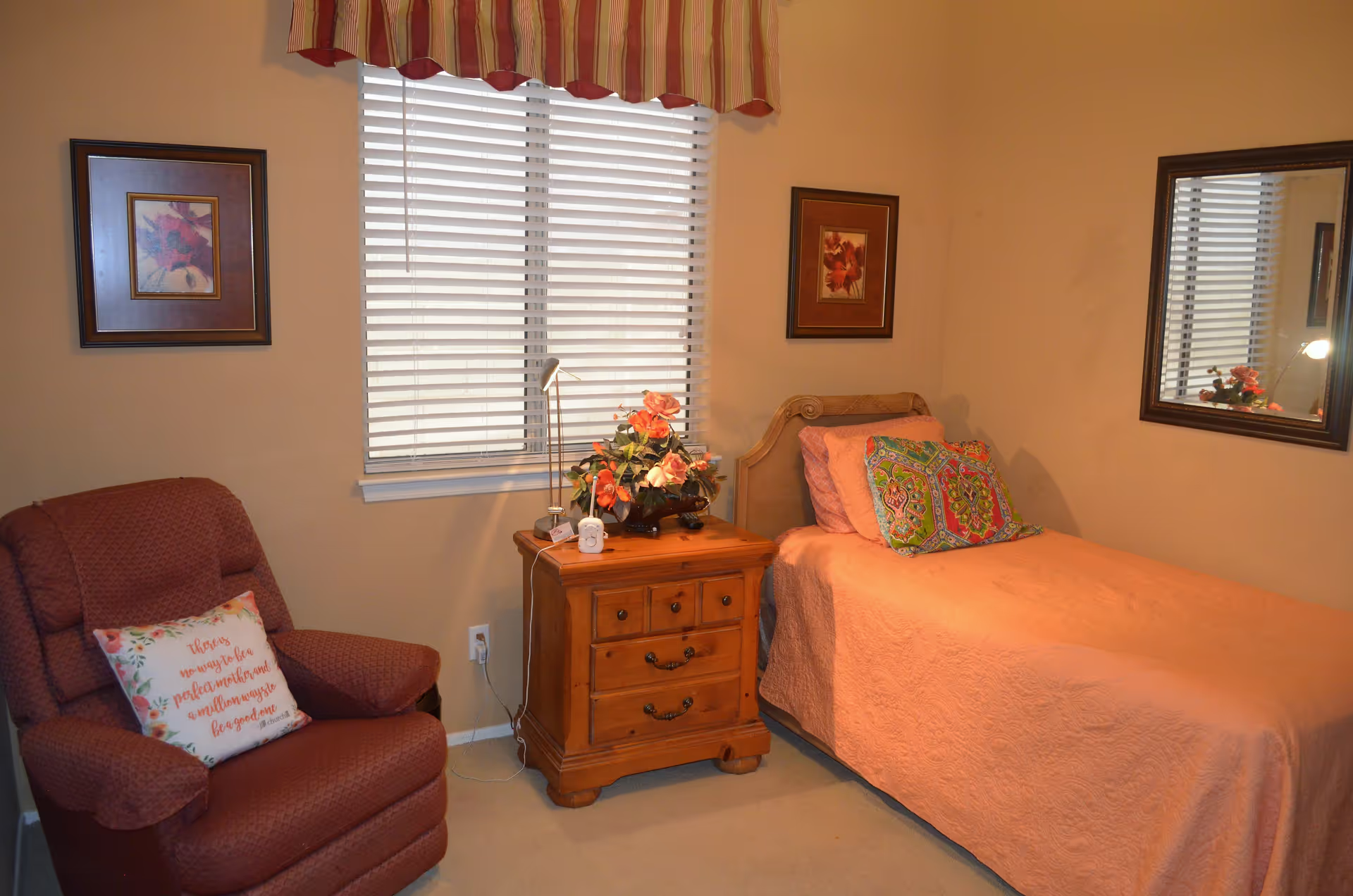
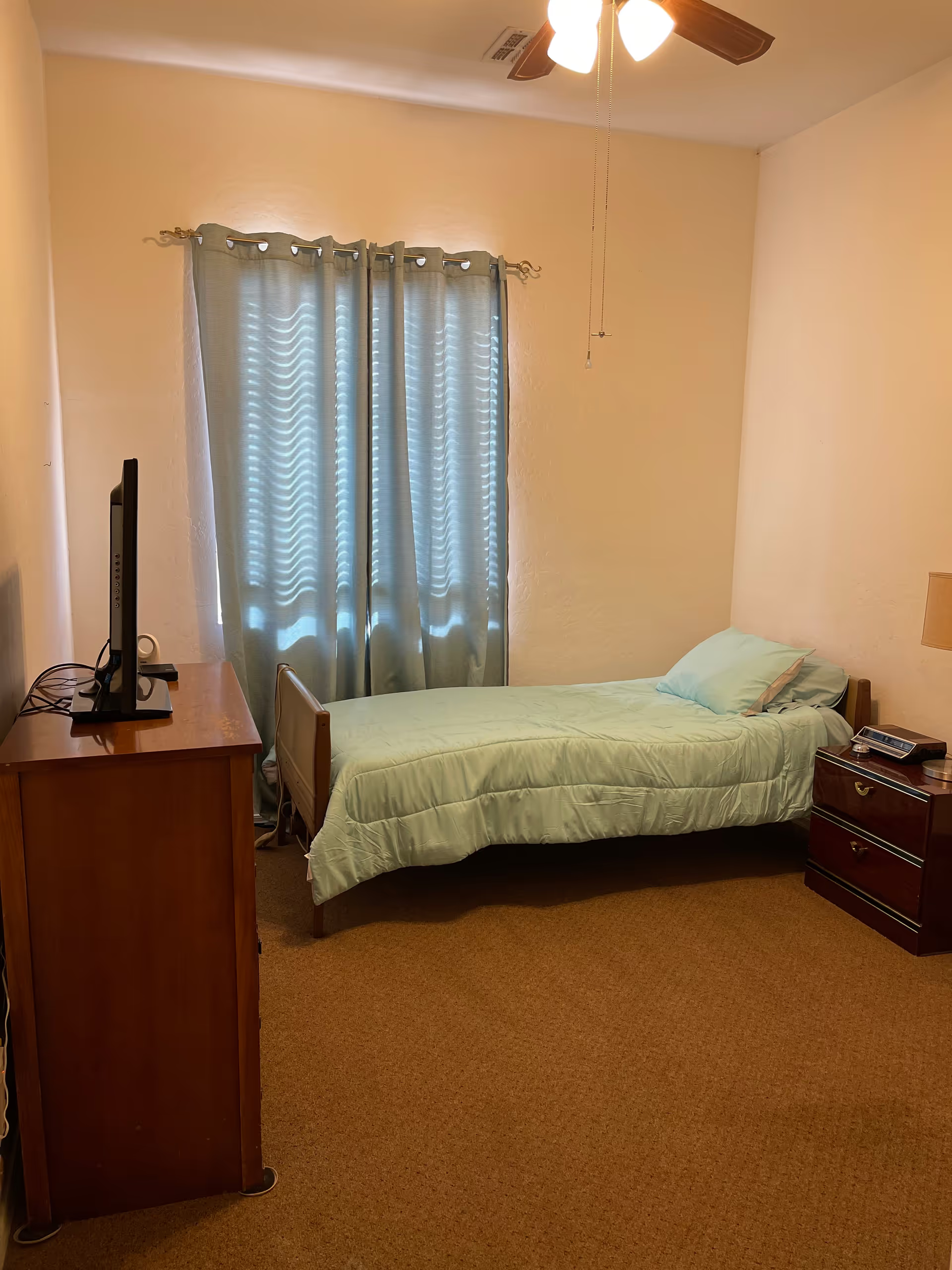
Facilities and sanitation: Many reviewers note renovated common areas, clean suites, and attractive grounds. However, there are also pest-control concerns, including an allegation involving bedbugs in resident rooms; families should request recent pest-control records and housekeeping protocols. Weekly light housekeeping is available, but expectations around frequency and scope should be confirmed during a visit.
Management and communication: Financial value and communication are recurring themes. Concerns include high monthly fees, perceived limits on value for money, extra meal charges, and a vehicle mileage limit for resident cars. There are also isolated but serious accounts about post-incident handling — for example, an account of belongings being auctioned after a resident’s death — and allegations concerning third-party animal removal and contract breaches. These items point to potential gaps in policy clarity, contractor oversight, and family communication. Prospective families should request written policies on billing, property handling after death, contractor use, and how incident communications are managed.
Notable patterns and recommendation: Overall, the community offers substantial social programming, appealing amenities, and many positive dining experiences, but reviewer experiences are uneven in operational areas important to safety and value: staffing responsiveness, dining consistency and fees, pest control, and post-incident communications. Visitors should conduct a focused tour that includes: meeting nursing/clinical leadership, reviewing staffing ratios and on-call coverage, inspecting pest-control and housekeeping records, asking for a full explanation of dining fees and holiday meal plans, and obtaining written policies on resident belongings and incident communication. This will help families weigh the strong lifestyle offerings against the operational risks noted by other residents and families.