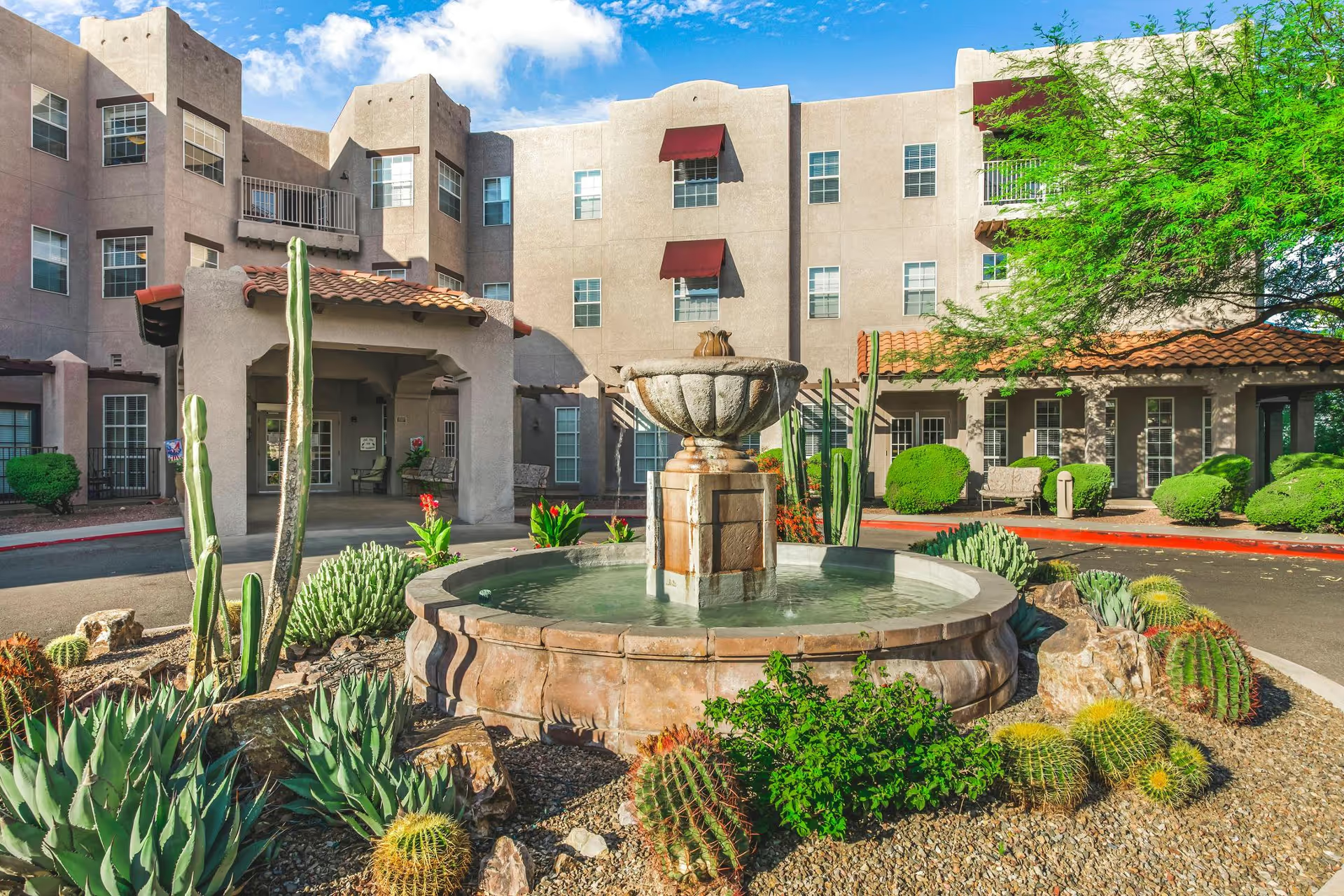
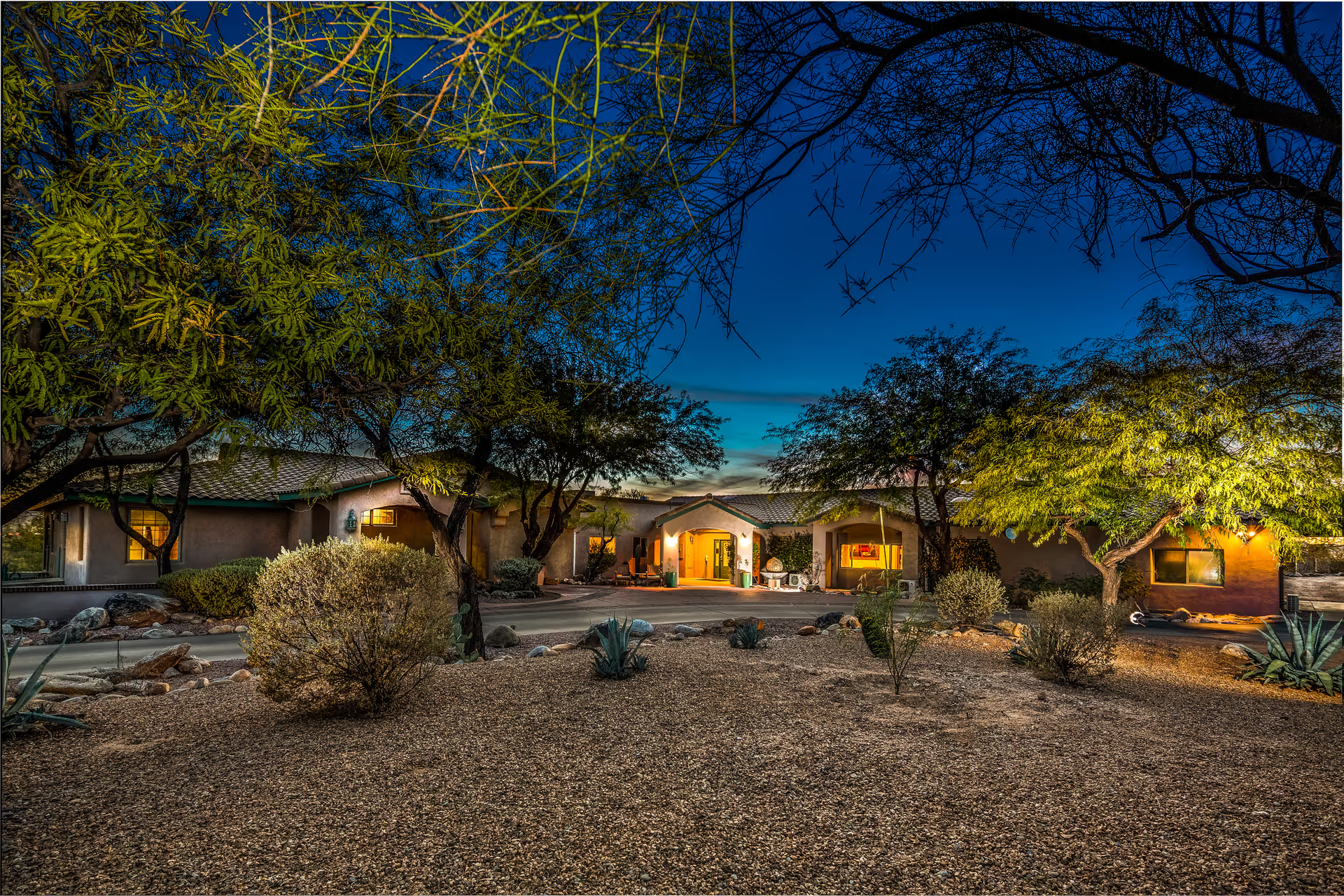
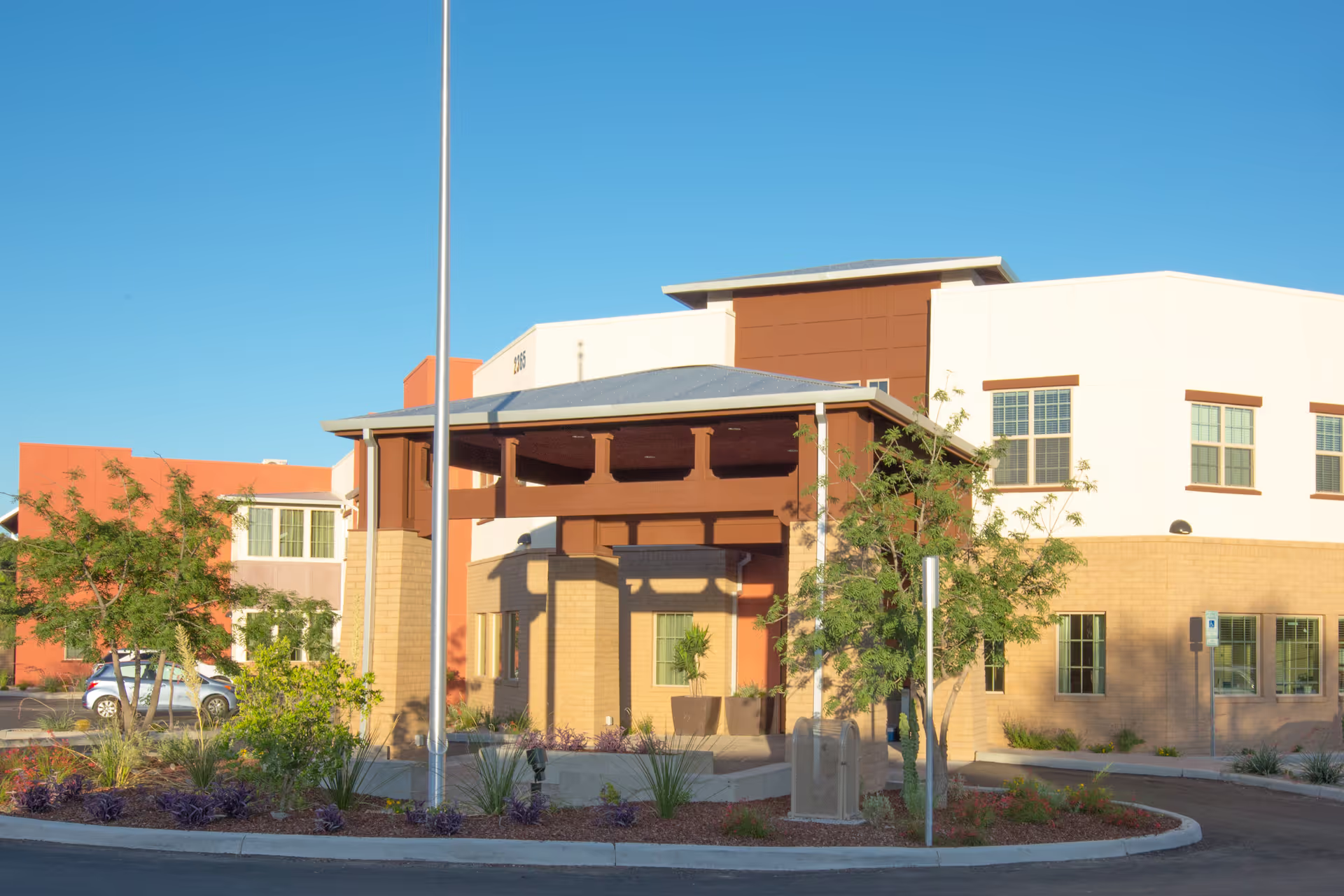
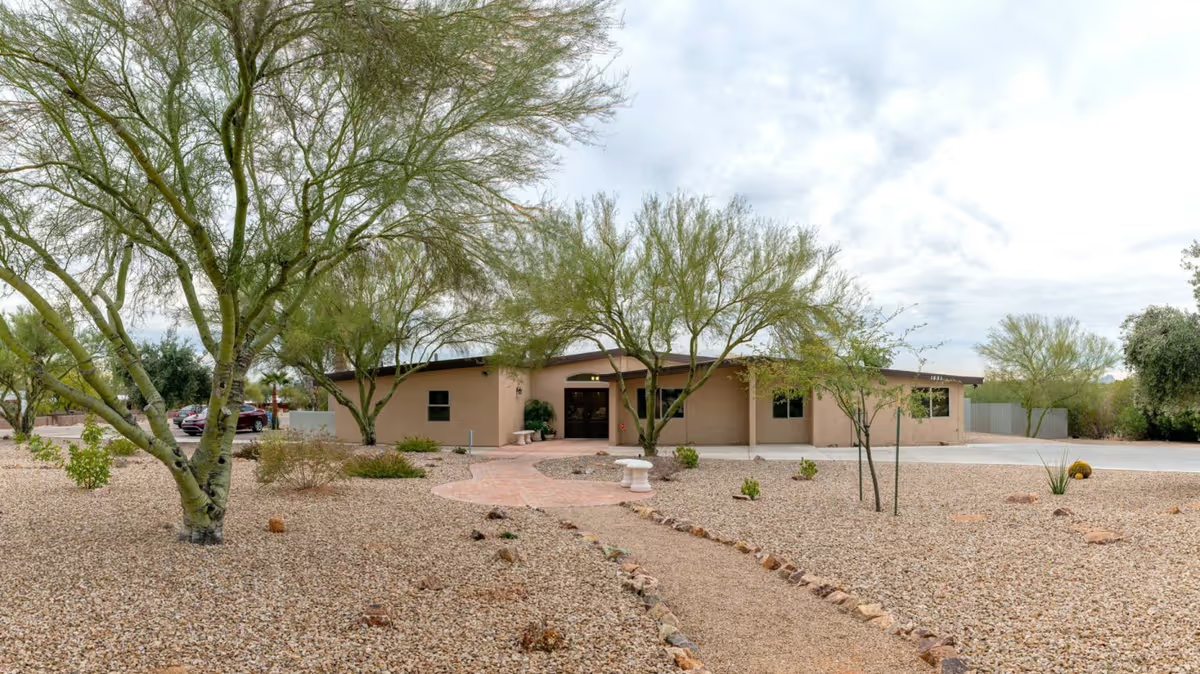
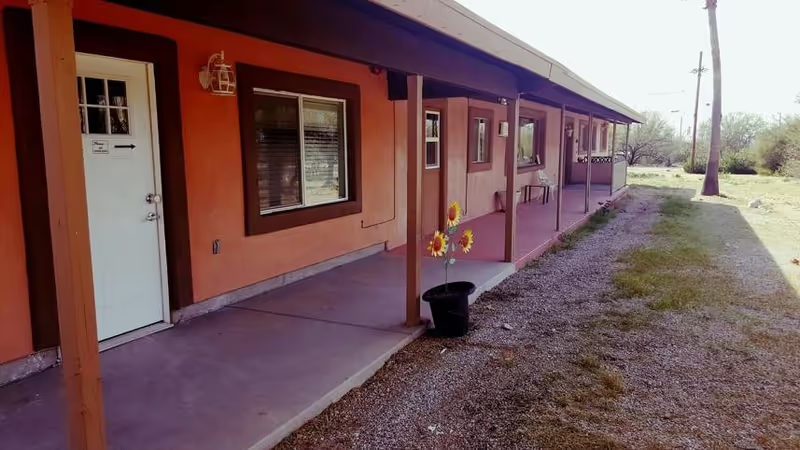
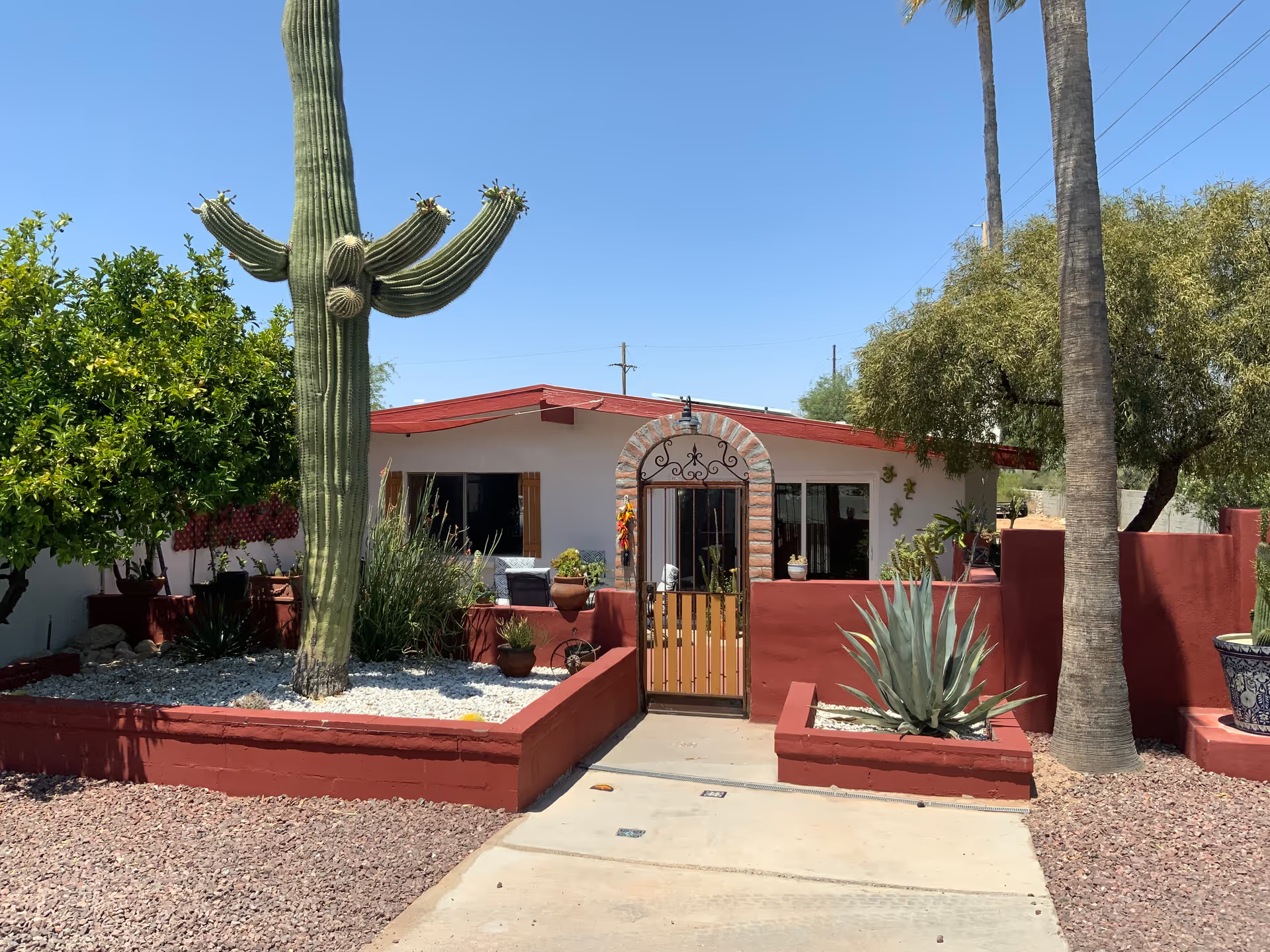
Copper Canyon presents a mixed picture. Many families describe a caring, communicative staff and a clean, modern facility with pleasant grounds and a small-community feel. The community is relatively new, offers memory-care programming, multiple dining areas and outdoor space, and a busy activities schedule that includes daily memory exercises. Several accounts emphasize strong transition support, proactive family updates, and pandemic-era safety measures that helped families feel the site managed infection risk effectively.
Care quality is described positively by numerous families who highlight individualized attention, compassionate end-of-life support, and staff members who engage residents and assist with bathing, mobility, and medication reminders. At the same time, a set of serious operational concerns appears in other accounts. The most notable relates to medication handling — reviewers raised issues with timeliness, dosage control, and administration procedures — which has led to broader concerns about clinical monitoring and escalation protocols during acute events. One account described a resident death shortly after admission, prompting questions about intake assessment and early monitoring; families should inquire directly about clinical oversight and handoff procedures.
Staffing and training show a bifurcated pattern: many reviewers praise individual caregivers for kindness and responsiveness, yet others describe understaffing, turnover, and uneven training among clinical technicians. This inconsistency extends to infection-control and sanitation practices—while pandemic-era policies were praised by some, other reports raised concerns about procedural rigor. Related operational weaknesses include lapses in personal-property controls (misplaced items, clothing mix-ups, and allegations of staff theft) and occasional security lapses; these issues suggest reviewing the facility's property-management and security procedures during a tour.
Dining and activities are frequently cited as strengths: meals are often described as acceptable to very good, with personalized attention at mealtimes and special events such as holiday programming. However, there are also notes about discrepancies between advertised menus and actual meal delivery and variability in food quality. Activities programming is generally robust (several activities daily), but continuity can be affected when key staff such as an activities director transition out, and resident participation may vary by individual interest and cognitive status.
Management and cost considerations are mixed. Some families felt they received helpful pricing adjustments during placement; others perceived the community as expensive and noted a management focus on cost control that they felt influenced staffing or training. The facility's smaller size and some shared-room arrangements may appeal to people seeking a close-knit setting but could be a limitation for those seeking more private accommodations or closer geographic proximity.
Overall, Copper Canyon has clear strengths in resident engagement, dining personalization, and a pleasant, modern environment. At the same time, there are operational patterns—medication and clinical-monitoring gaps, inconsistent infection-control practices, staff training variability, and personal-property/security concerns—that merit targeted scrutiny. Prospective residents and families should tour the community, ask for documentation of medication-administration protocols, staffing ratios, infection-control procedures, property/security policies, and inquire about continuity plans for key staff roles before deciding.