Devon Gables presents a mixed but clear pattern: many families and residents praise the facility’s therapeutic and social offerings, while a subset of accounts raises operational and clinical concerns. The facility’s strengths cluster around rehabilitative care, day-to-day living amenities, and recreational programming. Physical and occupational therapy teams receive repeated commendation for effective, outcome-oriented care; multiple reviewers described meaningful progress following therapy and willingness to return for continued wound or rehab care. A broad activity calendar (exercise groups, arts, games, religious services, movie nights, garden programs and special-event dining) supports resident engagement across assisted and independent living areas.
Staffing and direct-care quality are described unevenly. Numerous reviewers report compassionate, proactive nurses and aides and long-tenured caregivers who support continuity and family communication. At the same time, there are recurrent complaints about slow response times to call lights, inconsistent bedside responsiveness, and variation in staff conduct and tone. These operational inconsistencies translate into family stress and, in some cases, clinical concerns about timely symptom management, infection recognition, and medication administration. There are also serious individual allegations related to clinical incidents; these accounts contribute to a perception of variability in clinical oversight and escalation processes.
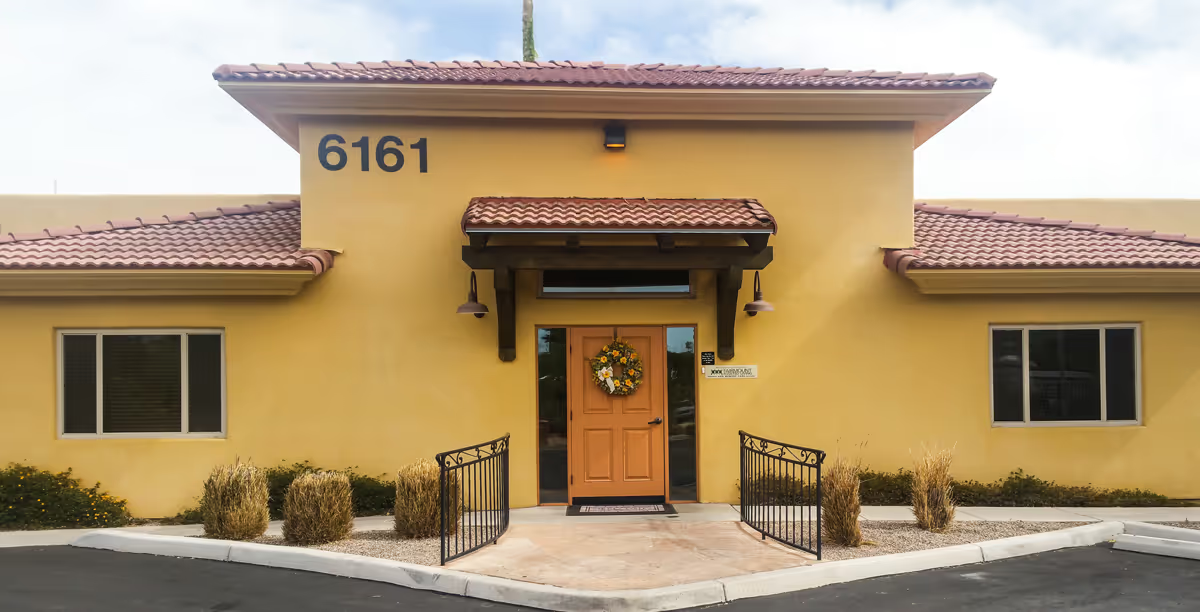
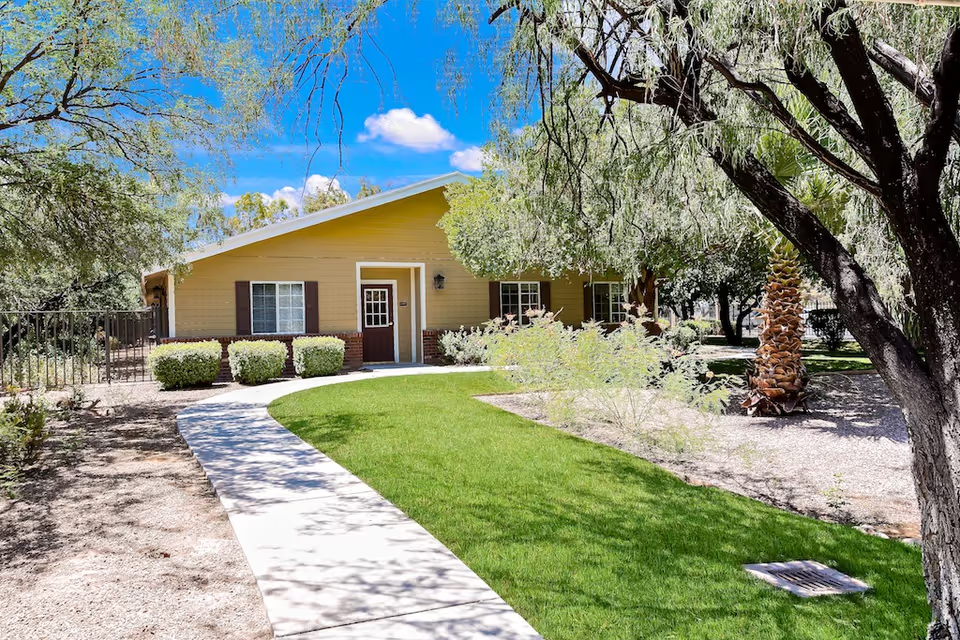
Dining and housekeeping receive mixed feedback. Some families report balanced, themed menus, thoughtful birthday and anniversary services, and generally good housekeeping and room maintenance. Others cite repetitive or unpalatable meals, temperature-control issues at service, and occasional shortages of supplies. The facility offers daily housekeeping and private patios or large rooms in many units, and grounds are consistently described as well maintained and welcoming. At the same time, the building is noted to be older in sections, with some rooms and common areas described as outdated or under renovation.
Operational and administrative areas show both strengths and gaps. Several reviewers praised case-management, admissions staff, and proactive care-plan coordination; others reported inconsistent communication from administration, difficulties with billing or accounting, and disorganized discharge/transition experiences. Transportation for appointments is available but appears limited for some clinical needs. Infection-control and sanitation are areas of concern for some families — including reports of outbreak management challenges and pest-control or odor concerns in specific locations — indicating inconsistency in environmental controls.
In summary, Devon Gables demonstrates clear capabilities in rehabilitation, activity programming, and long-term relationship-based caregiving that many families find valuable. Prospective residents and their families should weigh those strengths against recurring operational weaknesses: variable responsiveness, staffing fluctuations (especially on weekends), inconsistencies in clinical oversight and infection prevention, and older physical infrastructure in parts of the campus. Visiting in person, observing staff–resident interactions during different shifts, asking for recent infection-control records, and clarifying discharge/transportation and billing procedures would help families assess whether the facility’s strengths align with their care priorities.