These reviews present a polarized view of the facility: several families describe a warm, family-run environment with caring staff and tangible clinical improvements for some residents, while other accounts identify operational weaknesses that could materially affect resident comfort and safety.
Care quality and staff: Positive accounts emphasize compassionate, personalized caregiving, frequent friendly greetings, and staff who nursed residents back to improved alertness. The facility’s family-run character and owners/staff who treat residents like family are repeatedly noted. However, other accounts point to inconsistent delivery of basic personal-care tasks (bathing, feeding, assistance with continence needs) and delays in attending to residents. There are also documented gaps in how the facility responds to serious incidents and in communicating about those incidents with families.
Dining and nutrition: Several reviewers praised home-cooked meals and staff flexibility around food and beverages (for example, providing supplemental shakes). That said, there are isolated concerns about billing for short stays and perceived value for cost; families should confirm pricing structures and refund policies up front.
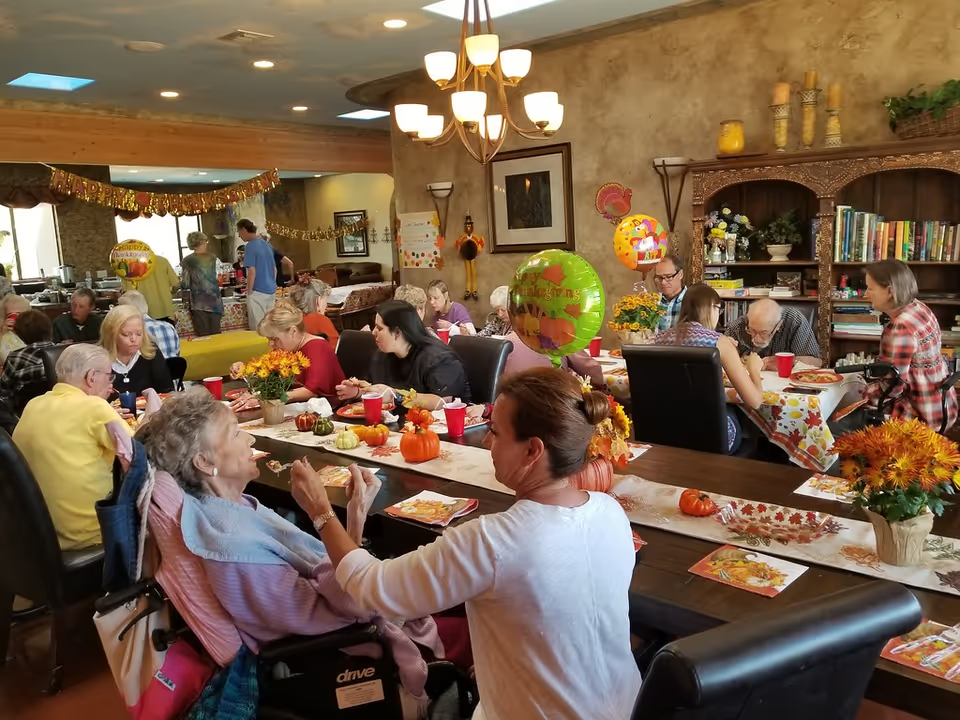
Activities and social engagement: Many families reported engaging social programming, entertainment, and opportunities for interaction that contributed to residents’ wellbeing. Conversely, other reviewers described little or no activity programming. This suggests variability in how consistently activities are delivered across different times or units.
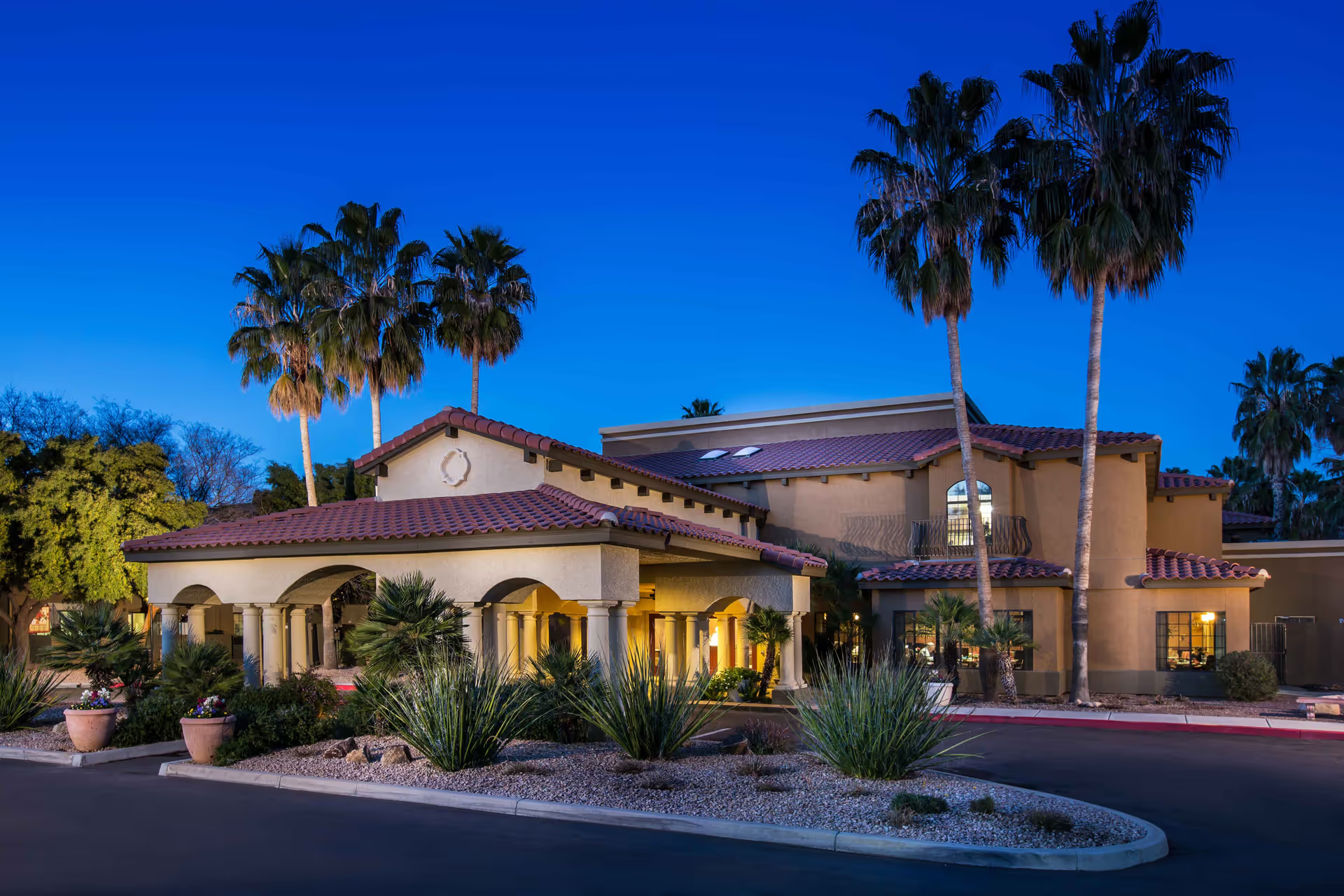
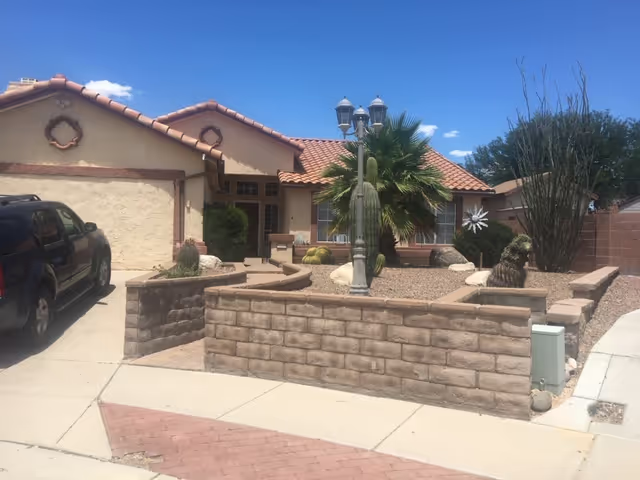
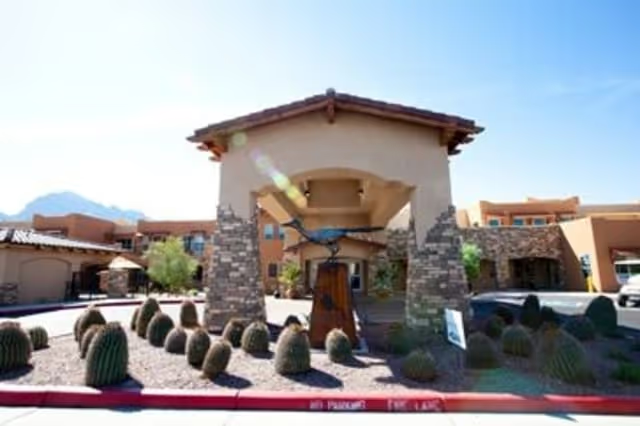
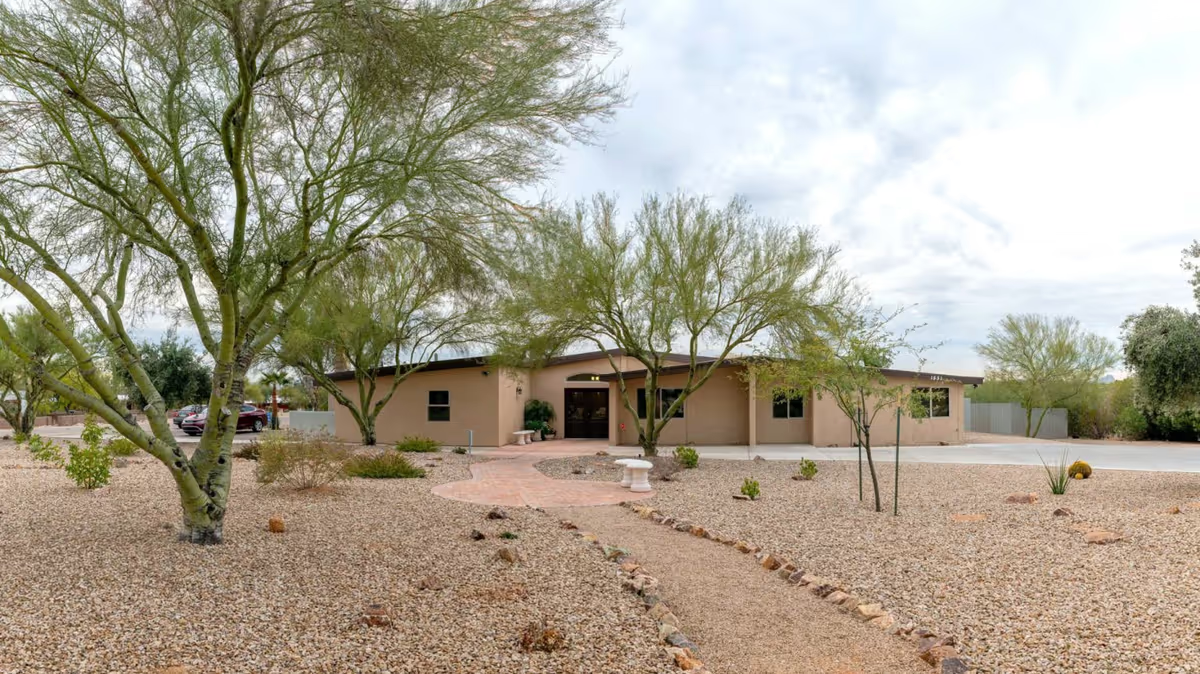
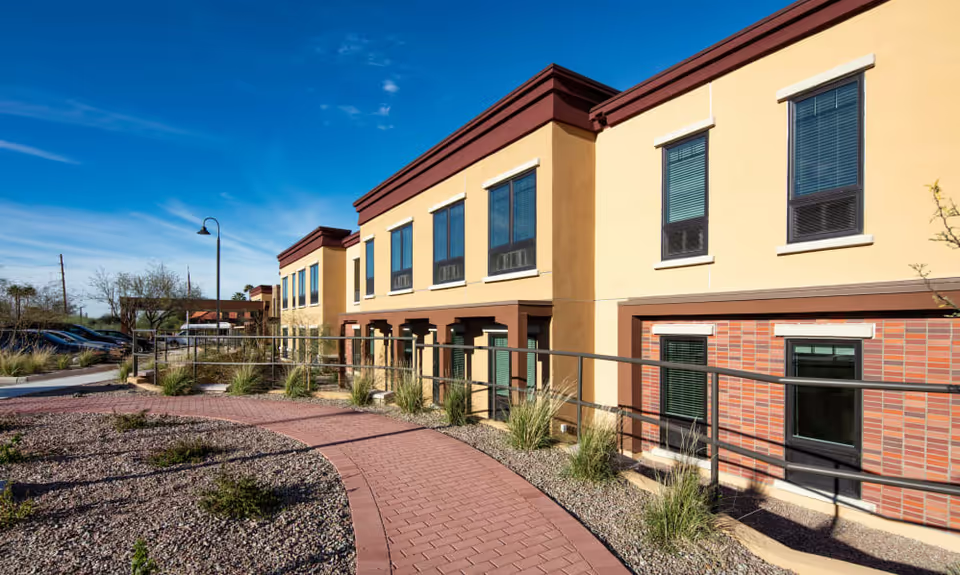
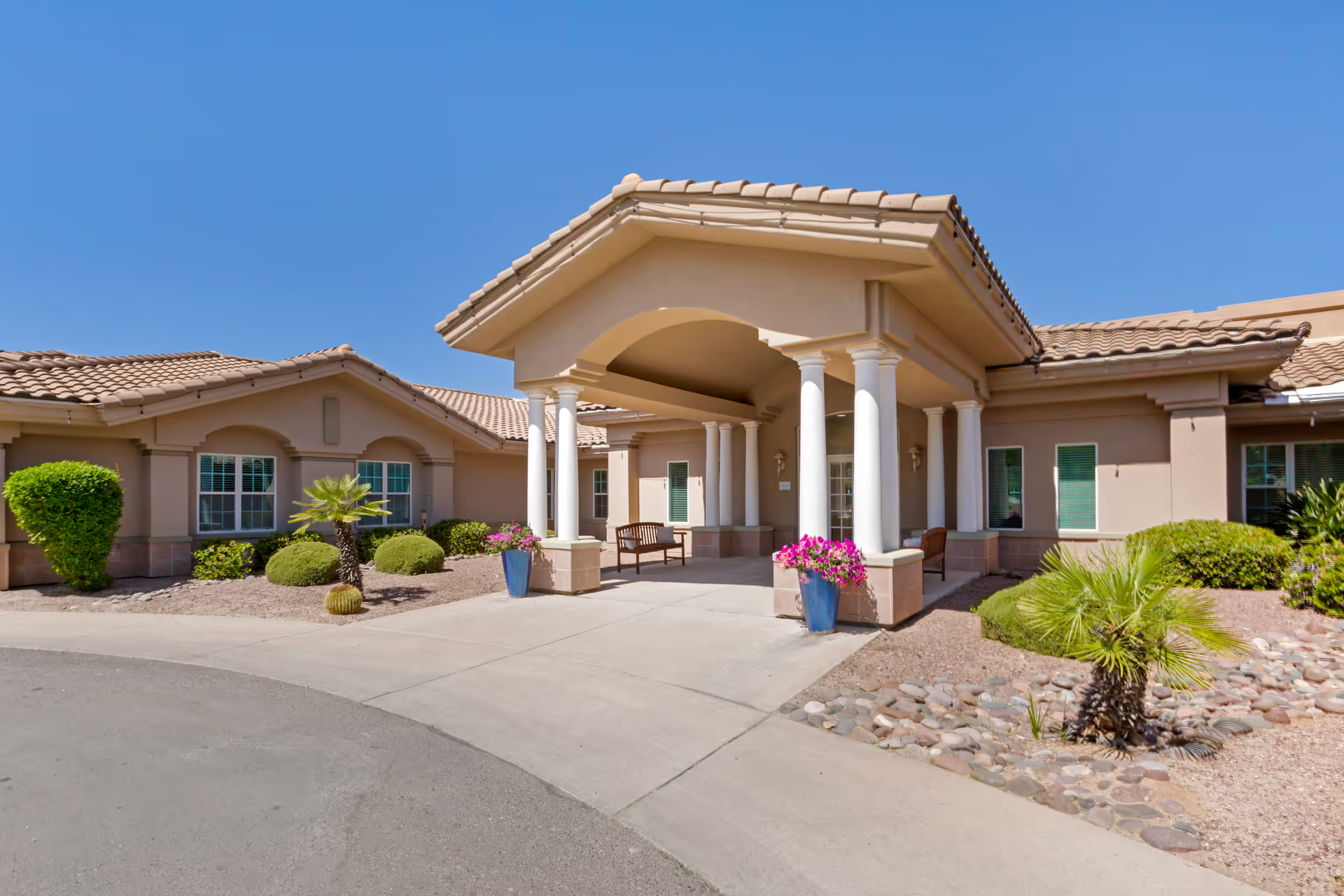
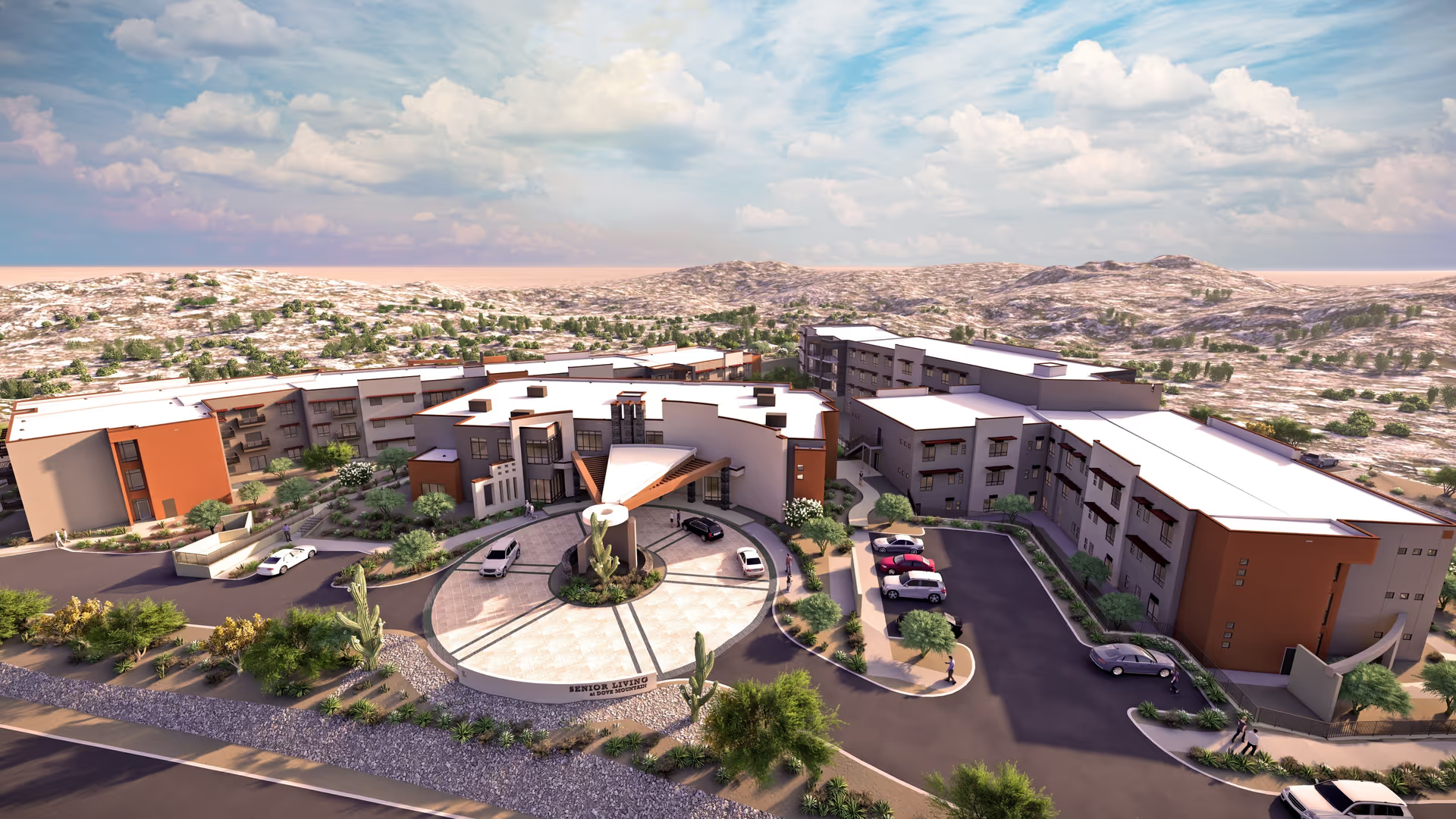
Facilities and environment: The property and outdoor spaces were frequent positives — scenic mountain views, a pleasant backyard, and opportunities to observe wildlife were appreciated. At the same time, reviewers described sanitation concerns in both private rooms and outdoor areas, and some noted that rooms are small with limited personal space. There were also concerns about pet supervision and environmental monitoring during extreme weather, indicating potential gaps in on-site protocols.
Management, communication, and administration: Strengths include hands-on, family-style management and staff who can be responsive and fix problems quickly. Administrative weaknesses were also prominent: language barriers that impede family–staff communication, inconsistent follow-through on documentation (for example, donation letters or receipts), and disputes over billing and refunds. These administrative gaps amplify clinical and operational concerns when families try to resolve problems.
Notable patterns and recommendations: The facility appears to deliver a positive, home-like experience for many residents, particularly those who benefit from close, personable caregiving and accessible outdoor space. However, the pattern of inconsistent personal-care delivery, sanitation issues, communication barriers, variable activity programming, and administrative follow-through suggests operational variability. Prospective residents and families should conduct an in-person tour, ask for specifics about ADL assistance protocols, sanitation and pest-control procedures, pet policies and weather-monitoring practices, language capabilities of staff, incident-reporting and family-notification workflows, and written billing/refund policies. Verifying staffing levels at different times of day and requesting recent inspection or licensing records may help clarify whether the concerns described are isolated or reflect broader operational issues.