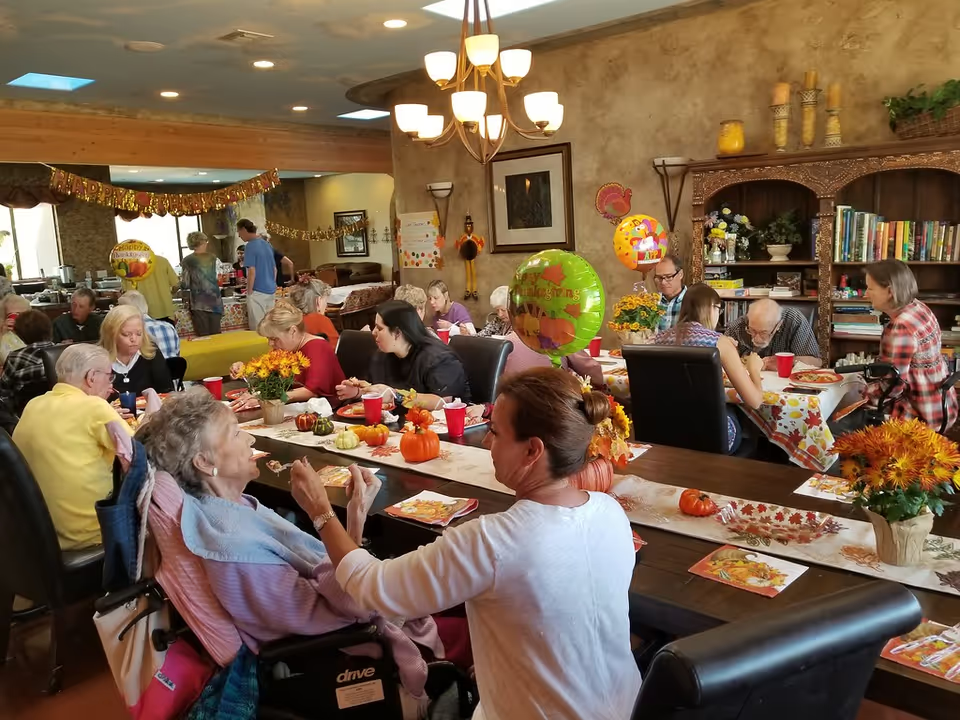
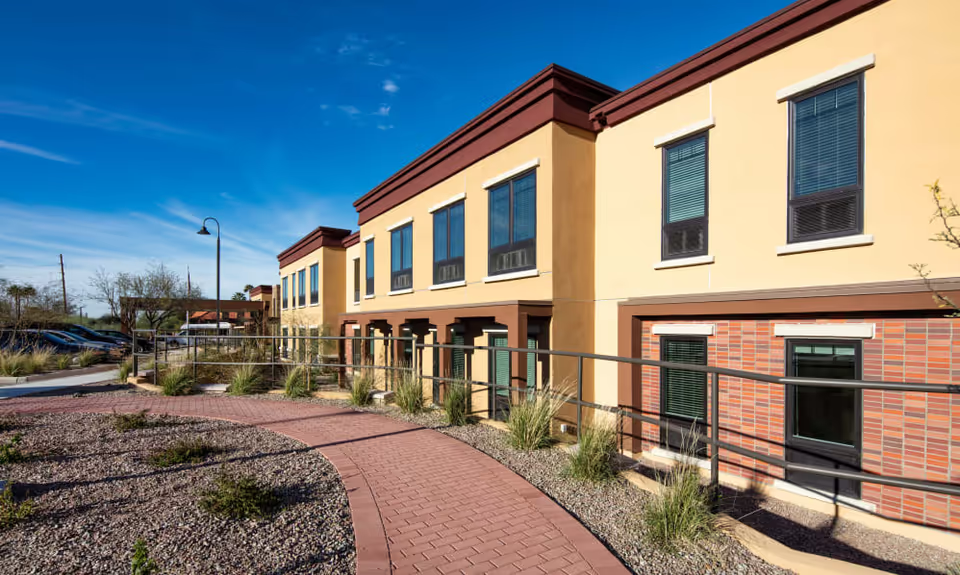
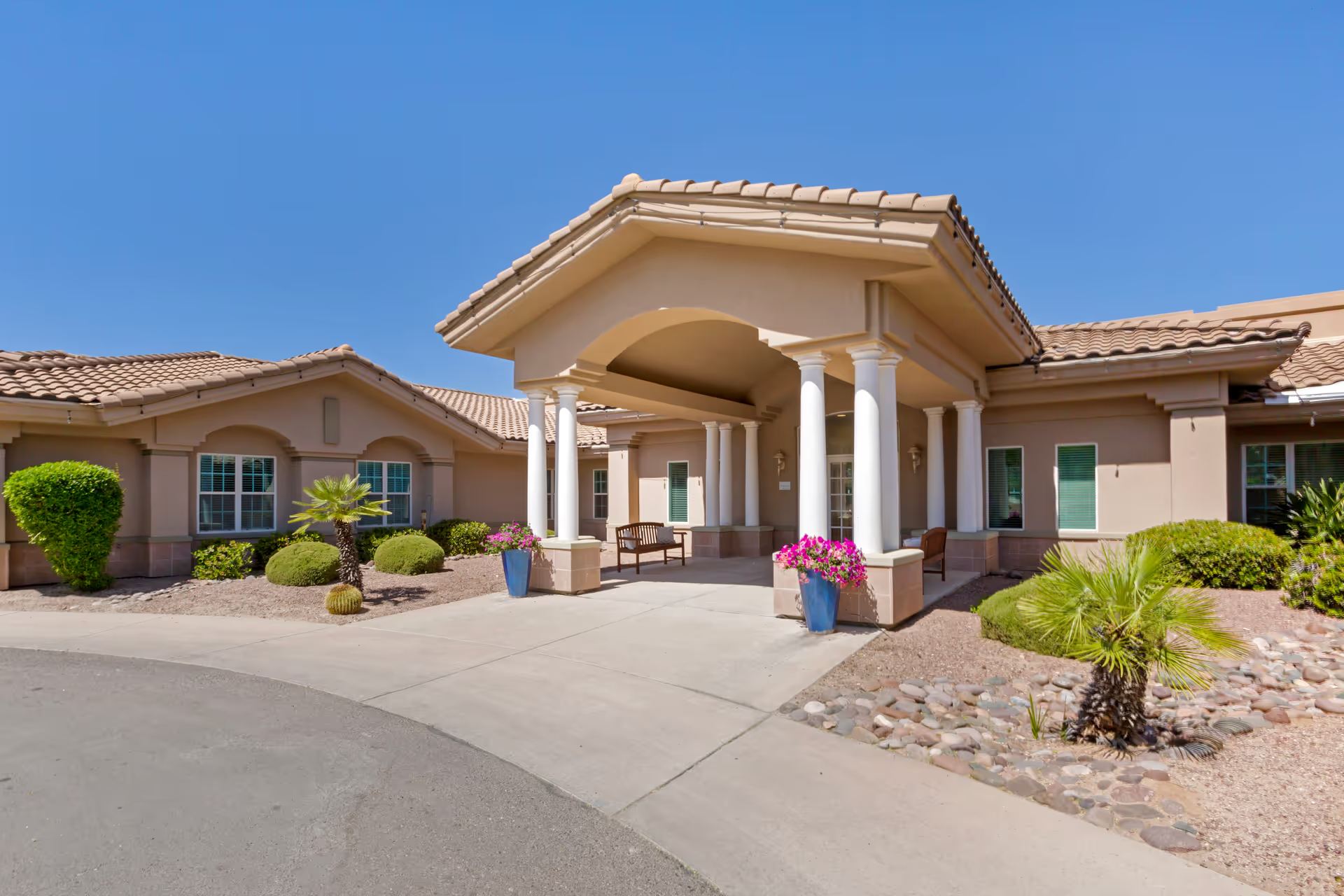
The reviews portray Pura Vida Assisted Living primarily as a small, home-like facility where families experienced attentive, personalized care. Reviewers frequently highlight the facility’s clean, cozy atmosphere, large private rooms with en-suite bathrooms, and attractive outdoor patio. The dining program is repeatedly described as a strength, with references to fresh-cooked, varied, and high-quality meals. Overall impressions emphasize gratitude and the sense that residents are treated like family.
Care and staffing are central strengths in the reviewers’ accounts. Staff are described as compassionate, dedicated, and professional; many comments single out prompt response to call bells, organized routines, and an attentive bedside manner. Reviewers also noted consistent communication from management and caregiving staff, saying they were kept informed about resident status and appreciated the facility’s organizational approach.
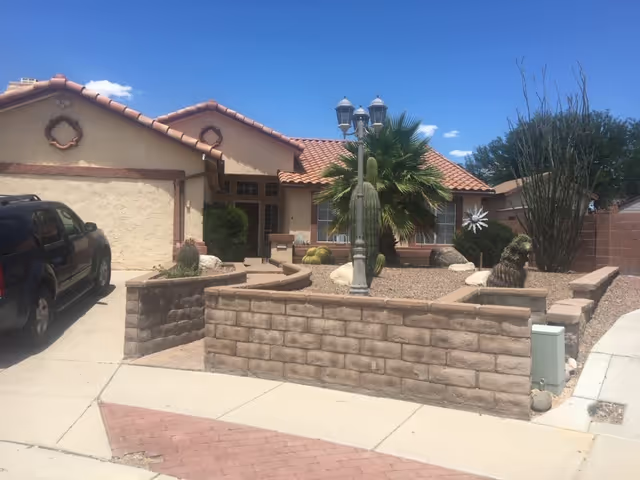
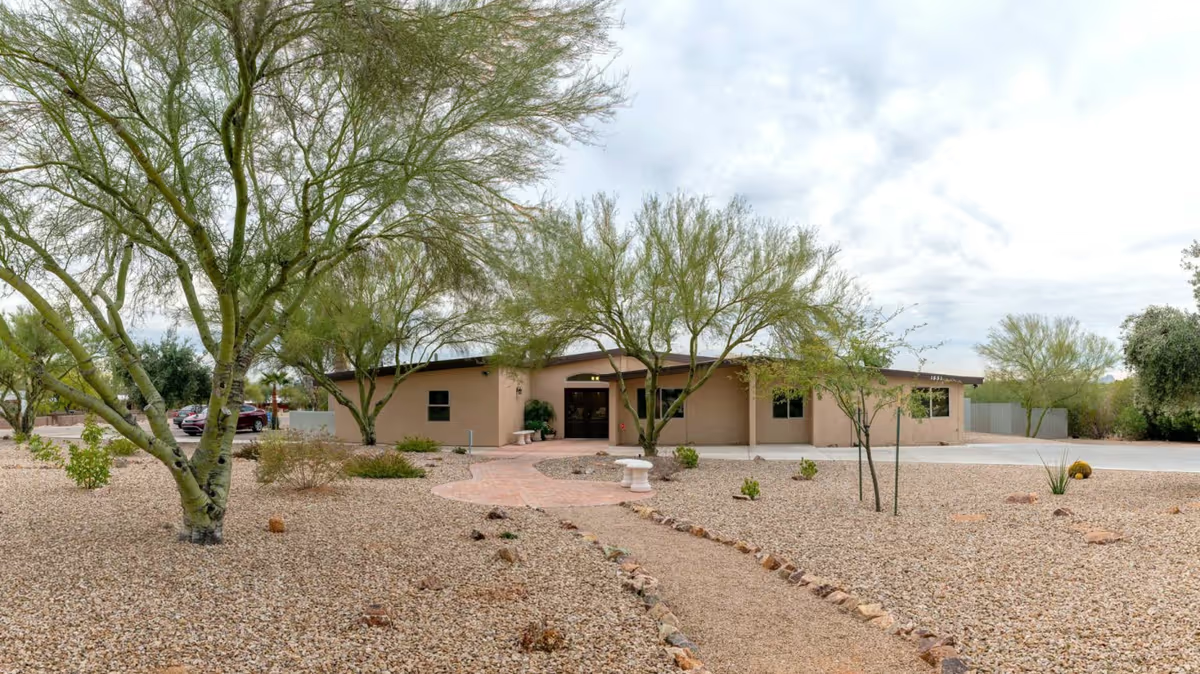
The physical environment and amenities receive positive mentions as well. The home is characterized as clean, well-maintained, and home-like rather than institutional. Outdoor spaces and patios are described as pleasant, and the interior upkeep and housekeeping are framed as reliable. The combination of private room size and en-suite bathrooms is repeatedly noted as a comfort factor for residents and families.
There is, however, a notable concern raised by at least one reviewer about medication practices and a subsequent adverse outcome. This comment introduces two operational themes prospective families should investigate: how the facility manages and documents medication administration, and how staff and management communicate about clinical changes and end-of-life expectations. Relatedly, some reviews imply that rehabilitation outcomes may not always meet family expectations, suggesting a need for clearer goal-setting and discharge/rehab planning.
For prospective residents and family members, the pattern in these reviews suggests strong strengths in day-to-day caregiving, hospitality, and meal service, coupled with a few operational areas to clarify during touring and contracting. Recommended questions include how medications are managed and reviewed, what protocols exist for clinical changes and end-of-life care, and how rehabilitation goals and expected outcomes are set and communicated. Overall, most reviewers convey confidence and gratitude for the care provided, while advising due diligence on clinical oversight and family communication around more serious or complex medical situations.