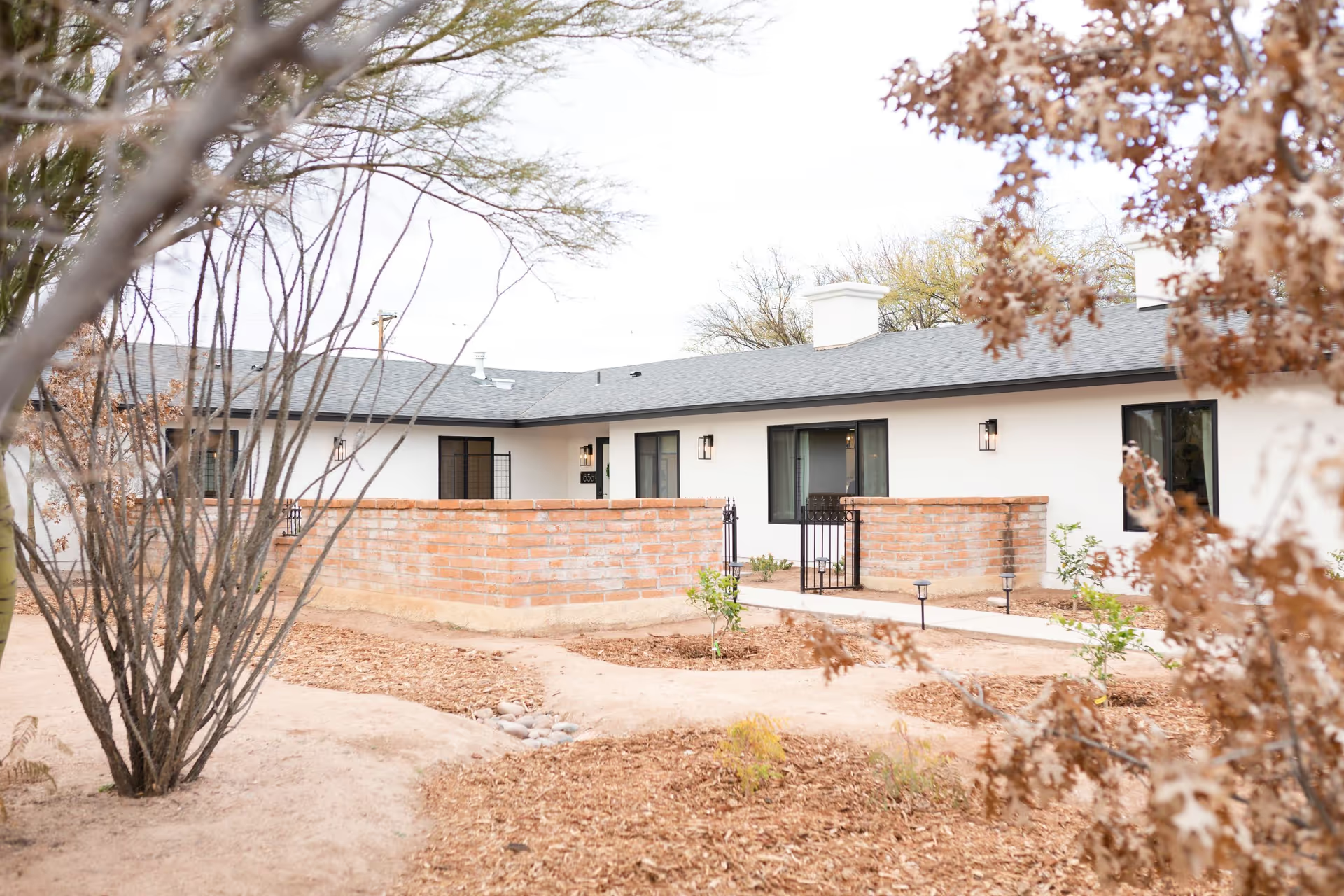
The reviews for Sabino Canyon Rehabilitation & Care Center present a mixed and sometimes polarized picture. Many accounts highlight a strong rehabilitation program and genuinely caring frontline staff—therapists, nurses, and CNAs receive frequent praise for clinical skill, encouragement during recovery, and personal engagement with residents. The facility offers a robust activities program (games, movie nights, outings, and an onsite beauty salon), regular physician rounds, bilingual staff, and visible community areas (courtyard, dining room) that several families described as well maintained.
At the same time, a consistent pattern of operational weaknesses emerges. Staffing and responsiveness are recurring concerns: reviewers describe uneven nurse/CNA coverage, slow or delayed responses to call lights, and periods when basic assistance (toileting, bathing, timely medication administration, pain control) was inconsistent. Medication-management processes and the accuracy of medication lists were called into question in multiple summaries; these comments point to gaps in medication-administration controls and documentation practices. Several reviewers also noted inadequate pain management and missed or delayed treatments, which align with the wider pattern of inconsistent clinical follow-through.
Dining and therapy are similarly mixed. The therapy department and rehab outcomes receive high marks from many families, but other reviewers describe limited one-on-one therapy time when group sessions predominate. Meal quality appears variable: while some found the food acceptable and the dining room attractive, others described bland or cold meals, limited menu choices, and difficulties accommodating dietary restrictions. Activity programming is generally seen as a strength, supporting social engagement and recovery for many residents.
The physical plant is aged in parts: frequent notes about an older building, dark rooms, portable air-conditioning units, and ongoing remodeling suggest the environment varies by unit. Some common areas are clean and pleasant, while other areas raised sanitation and odor concerns. Reviewers also pointed to lapses in privacy and dignity maintenance and inconsistencies in hygiene-related care schedules (bathing and continence assistance).
Management and communication receive mixed to critical comments. Several families reported poor communication from case managers or administrators, difficulty obtaining or interpreting medical records, unexpected billing issues, and a lack of timely discharge or transfer coordination. There are also allegations of financial misconduct and a regulatory inquiry referenced in the reviews; such serious claims warrant direct inquiry by prospective families and verification with regulatory authorities.
Notable patterns: (1) frontline staff and therapy are frequently described as caring and effective, which appears to drive many positive experiences; (2) operational and managerial inconsistencies—staffing, medication controls, family communication, and facility maintenance—create risk for uneven care; and (3) outcomes vary considerably between residents and stays. For prospective residents and families, recommended due diligence includes touring the specific unit, asking about current staffing levels and nurse-to-resident ratios, reviewing medication-administration policies and recent inspection reports, confirming infection-control and vaccination procedures, and discussing dietary accommodations and discharge planning directly with administrative staff.