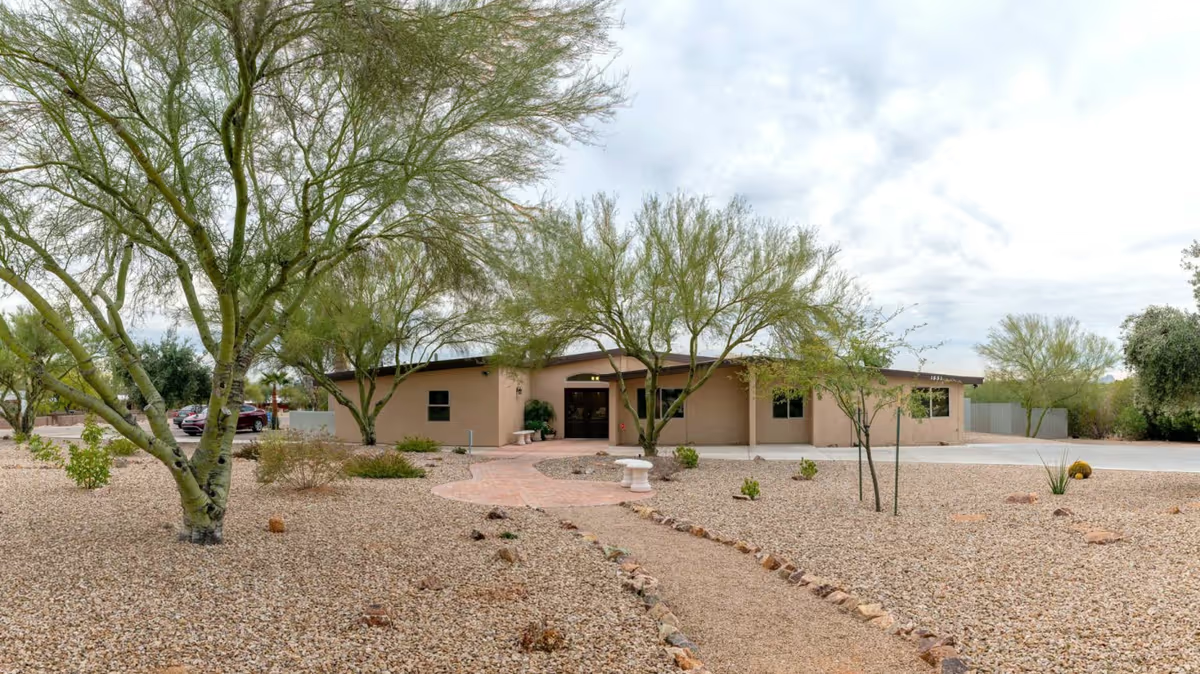
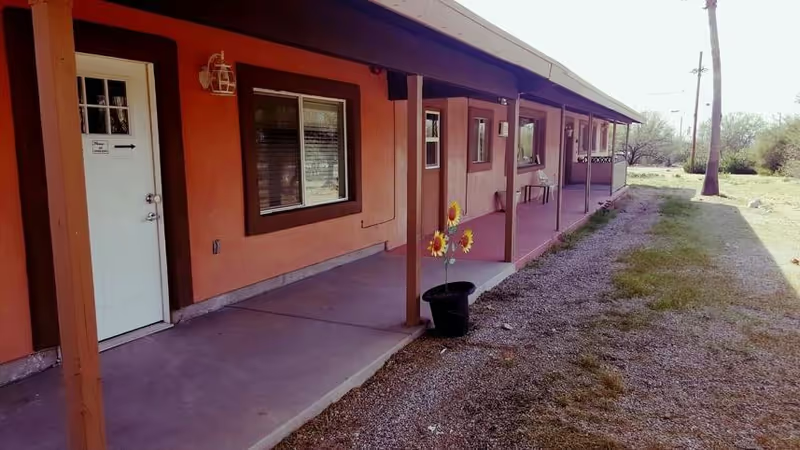
Sedona Garden Assisted Living is consistently described as a small, family-style residence that emphasizes personalized attention and a homelike environment. Reviewers highlight compassionate caregiving, routine involvement of on-site nursing and hospice coordination when needed, and a nurturing atmosphere where staff and residents form close relationships. The owners' clinical background and proximate presence are noted as contributors to clinical oversight and a community-oriented feel.
Care quality is generally characterized as attentive and individualized. Families describe staff as patient and respectful, including supportive approaches for residents with cognitive impairment. There are on-site caregivers across shifts, part-time and full-time night staff, and examples of rapid accommodation when residents request room changes. However, multiple accounts indicate that staffing stability has been an issue at times; higher-than-expected staff turnover and periods of understaffing have been linked to variability in the consistency of care.
Dining and activities receive positive remarks: a full-time cook provides home-cooked, nutritious meals and kitchen staff are described as friendly. The home hosts frequent resident-focused social events such as birthday and holiday gatherings, and visitors note a sense of belonging among residents. A visiting dog and family-style routines are part of the social fabric, supporting resident engagement.
Facilities are generally described as clean, well-maintained, and welcoming with attractive outdoor areas. The small house model (noted as an intimate setting with very few residents) supports close supervision and family-like interactions. Reported issues include pest-control concerns linked to outdoor water features and a facility policy that restricts certain motorized mobility devices, which may affect residents who use larger powered chairs.
Management and operations show both strengths and vulnerabilities. Transparent communication and personalized care plans are cited as strengths; the owners' nursing background contributes to perceived accessibility. Conversely, a documented ownership transition corresponded with significant staff turnover in some accounts, and families described resulting declines in service consistency. There is also limited bed availability and a waiting list, which may affect placement timing. Some families reported a mismatch between advertised services and those experienced during periods of operational change.
Overall, Sedona Garden appears to offer a warm, small-scale assisted living option with strengths in personalized caregiving, in-house clinical linkages, and homestyle dining and activities. Prospective families should weigh those strengths against operational risks tied to staffing stability, mobility-device policy limitations, and limited capacity during ownership or staffing transitions. Visiting the home, asking about current staffing ratios and turnover, confirming policies on mobility devices, and discussing contingency plans for higher-acuity needs would help assess fit for an individual resident.