Overall assessment Starfish Care Homes at River Hills is portrayed as a small, home-style assisted living setting where many families observe attentive, hands-on care and individualized attention. Reviewers highlight personal-care strengths — assistance with daily needs, attention to medical and social needs, and staff dedication that has coincided with visible improvements in some residents’ appearance and behavior. The environment is consistently described as well maintained and clean, with a home-like, family atmosphere and on-site management that families appreciate.
Care quality and staff Care quality is characterized by strong personal care and frequent one-on-one attention. Families describe staff who are willing to assist residents both inside the home and on outings, and who take steps to address individual needs. At the same time, there is variability in interpersonal conduct: while many staff members are described as professional and compassionate, other interactions have been perceived as lacking empathy or exhibiting an inappropriate communication tone. Occasional use of coarse language and uneven friendliness were cited; these items suggest inconsistency in training, supervision, or enforcement of conduct standards rather than a uniform culture.
Dining and activities Explicit detail on dining quality is limited in the summaries provided; reviewers emphasize social engagement and outings more than meal specifics. The facility appears to support social activities and transportation for residents, including shopping and off-site excursions, which families found valuable for resident engagement and quality of life.
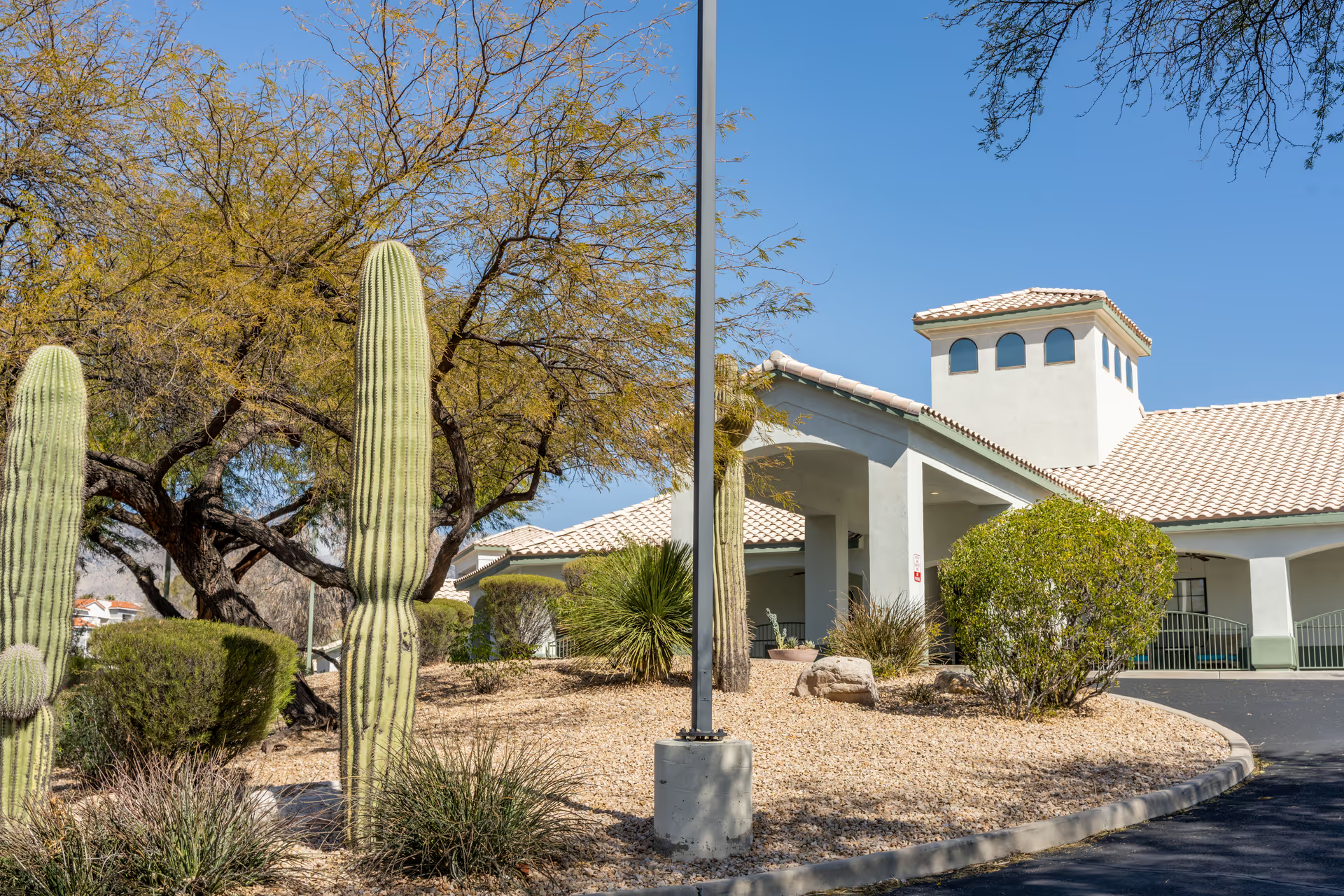
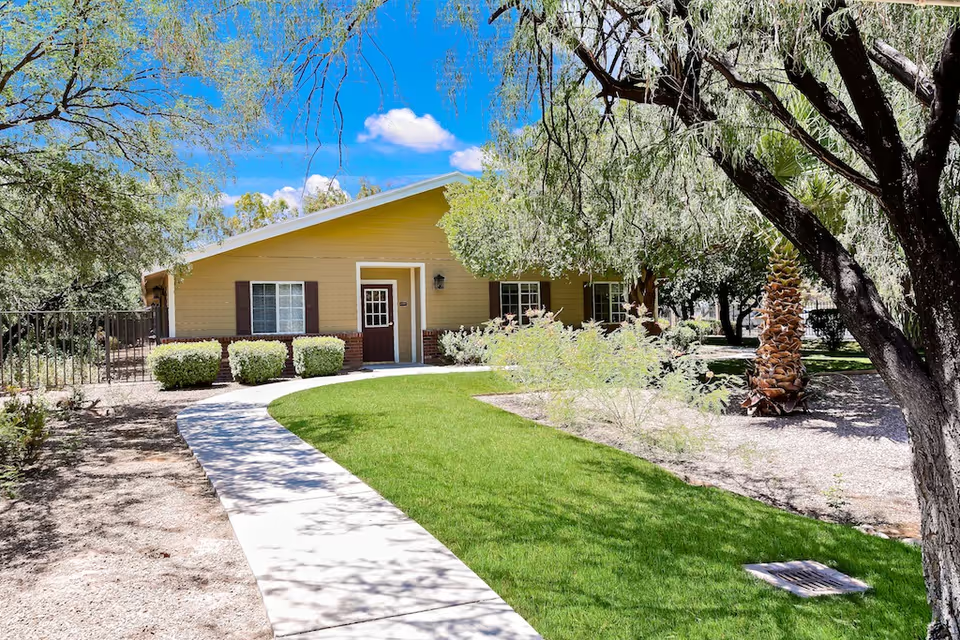
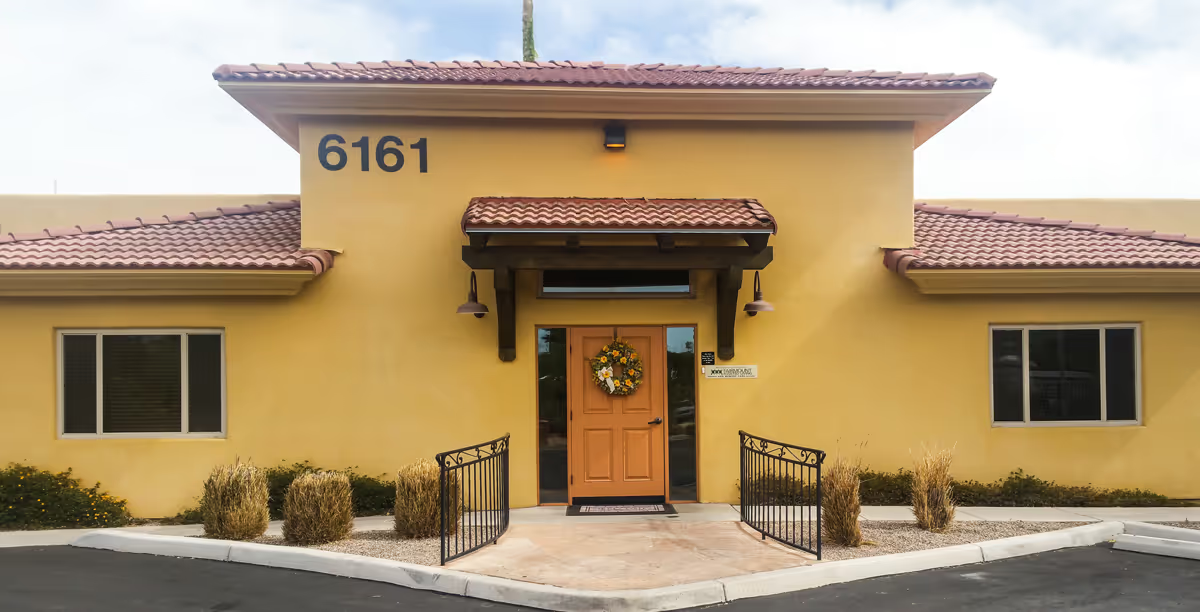
Facilities and environment The physical environment receives positive note: a well-maintained interior, clean common areas, and an overall odor-free, comfortable setting that contributes to a home-like atmosphere. House managers and on-site staff presence appear to support attention to detail and routine upkeep.
Management, administration, and notable operational patterns On-site management and identified staff members draw praise for responsiveness and professionalism. However, reviewers also identify administrative and policy-level concerns: challenges navigating ALTCHS coverage and authorizations, gaps in end-of-life planning and communication with families, and perceptions that personal relationships between management and families could create unequal treatment. These issues point to operational areas where clearer policies, stronger communication protocols, and more consistent documentation would benefit prospective residents and families.
Guidance for prospective families Families considering this community should weigh the facility’s strengths in personalized, attentive care and a home-like environment against the noted variability in staff conduct and administrative navigation. Recommended pre-admission questions include: how the home handles ALTCHS (or equivalent) authorizations, what protocols exist for end-of-life planning and family communication, staff training and supervision practices related to communication standards, and how the facility manages potential conflicts of interest. Visiting the home during different shifts and speaking with the house manager about specific care plans will help clarify whether the facility’s operational practices align with a family’s expectations.