Overall impression: The Forum at Tucson presents as a large, amenity-rich senior living community with many features families value: spacious, often wheelchair-accessible apartments, extensive common areas, a robust activities calendar, on-site rehabilitation, and a dining program that many residents and families describe as restaurant-quality. Staffing strengths are evident in numerous accounts of compassionate, name-remembering caregivers, attentive nurses, proactive dining and maintenance personnel, and sales/admissions staff who ease the move-in process. Several accounts also highlight effective hospice coordination and strong short-term rehab outcomes when therapy services are engaged.
Care quality and clinical operations: Care quality is uneven across levels of service. Assisted-living and independent-living experiences are frequently described positively, with staff praised for personal attention and social engagement. However, accounts regarding skilled nursing and higher-acuity care raise significant operational concerns: delays in basic care follow-up, gaps in wound-care and therapy continuity, and weaknesses in medication administration and monitoring. These patterns suggest variability in clinical oversight and unit-level execution rather than a uniform standard across the campus.
Staffing, conduct, and communication: Many reviews emphasize genuinely caring and professional staff members, the availability of helpful nurses and aides, and responsive maintenance teams. At the same time, persistent themes include understaffing (particularly on weekends or in higher-acuity units), slow call-response times, and uneven staff conduct or training. Families also describe variable communication from management and unit leadership—ranging from highly responsive to dismissive—creating inconsistent family experience and trust in administrative problem resolution.
Dining and activities: Dining is a distinguishing feature for many residents: varied menus, accommodations for dietary needs, and a social dining atmosphere are frequent positives. That said, food-service quality is not uniformly consistent; some reviewers indicated under-heated meals or slow service tied to kitchen staffing issues. The activities program is broad and active—exercise classes, music, outings, and social events are regularly offered—but placement of activity spaces and large campus layout have, in some cases, reduced accessibility for residents with mobility limitations.
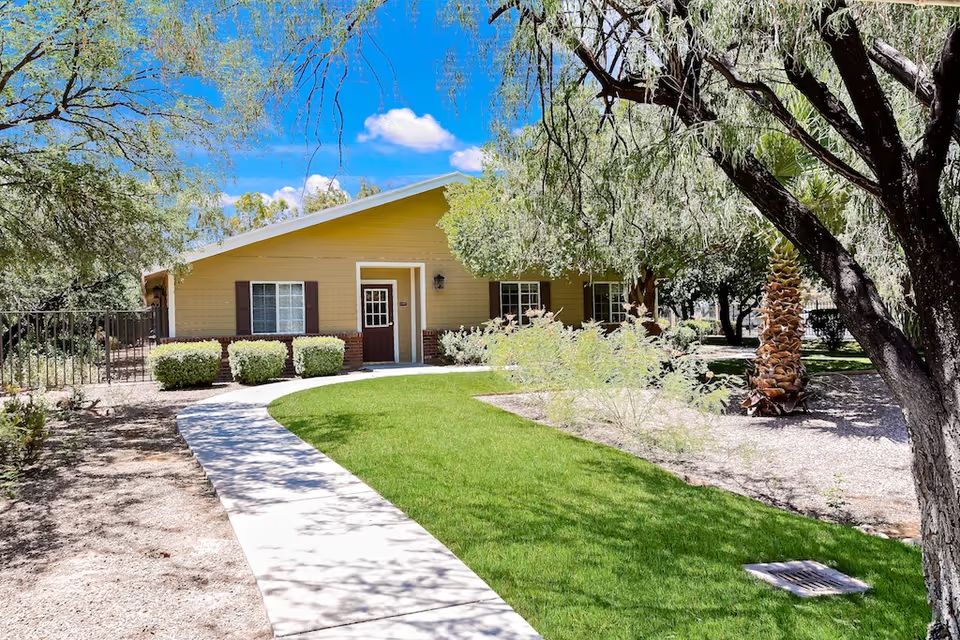
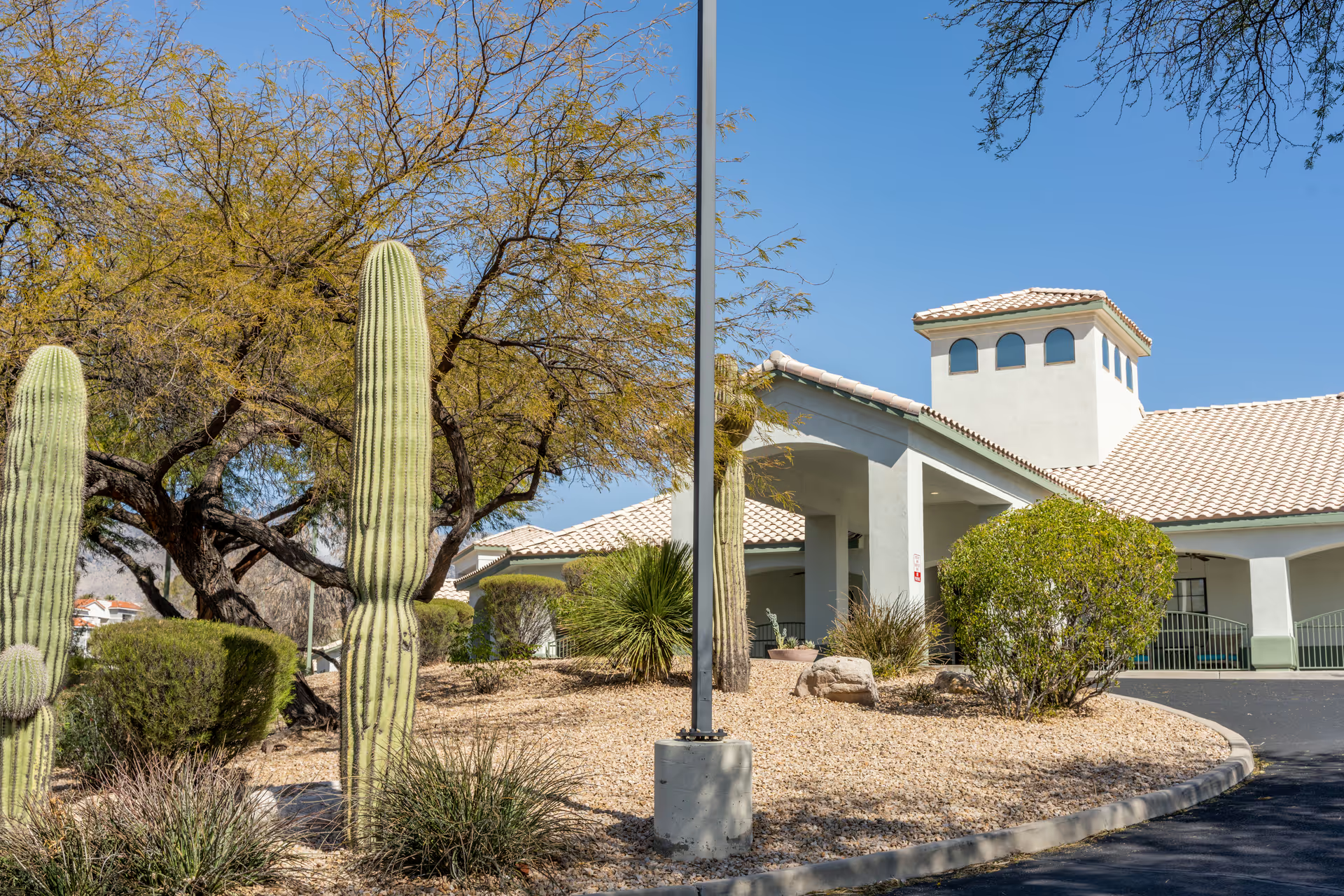
Facilities and amenities: The physical plant receives largely positive remarks for cleanliness, layout, and accessibility (wide doorways, accessible showers, tasteful common areas). Apartments are often described as roomy, with options for full kitchens and private balconies. Negative facility-related patterns include signs of aging or wear in select units, uneven hallway flooring in places, and intermittent odor concerns reported in some areas, particularly in memory-care or clinical wings. The campus size is double-edged: it offers many amenities but can present long walking distances and fragmented program locations.
Management, billing, and policies: Several reviews identify management and billing as areas needing attention. Concerns include unclear extra fees, perceived lack of financial transparency, and a few serious claims about refunds and administrative handling after a resident’s death. Admission policies are sometimes restrictive for higher-acuity needs (for example, limitations on dialysis acceptance), so prospective residents with evolving medical requirements should confirm clinical eligibility and transfer policies in advance.
Notable patterns and guidance for prospective families: The Forum appears to offer a strong lifestyle and hospitality model for independent and assisted living residents, with standout dining, activities, and many compassionate staff. However, if a prospect requires higher-level skilled nursing or complex medical management, the reviews indicate variability in performance and follow-up. Before committing, families should (1) tour the specific unit where their loved one will reside, (2) ask detailed questions about staffing ratios, medication-management protocols, wound and therapy follow-up processes, and weekend coverage, (3) request written clarification of all fees and refund policies, and (4) confirm acceptance criteria for specific medical needs. These steps will help align expectations with the facility’s operational strengths and limitations.