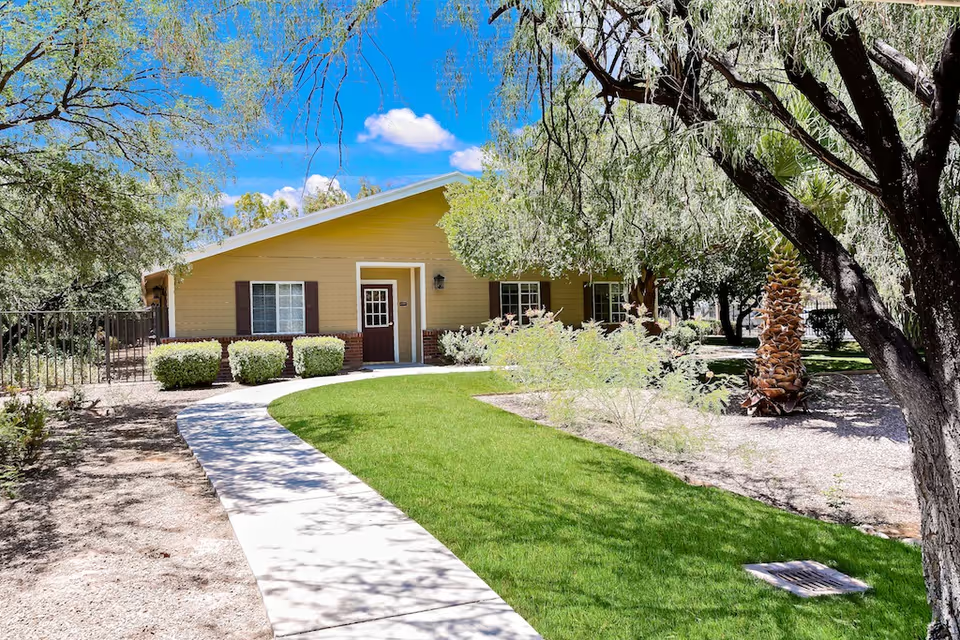
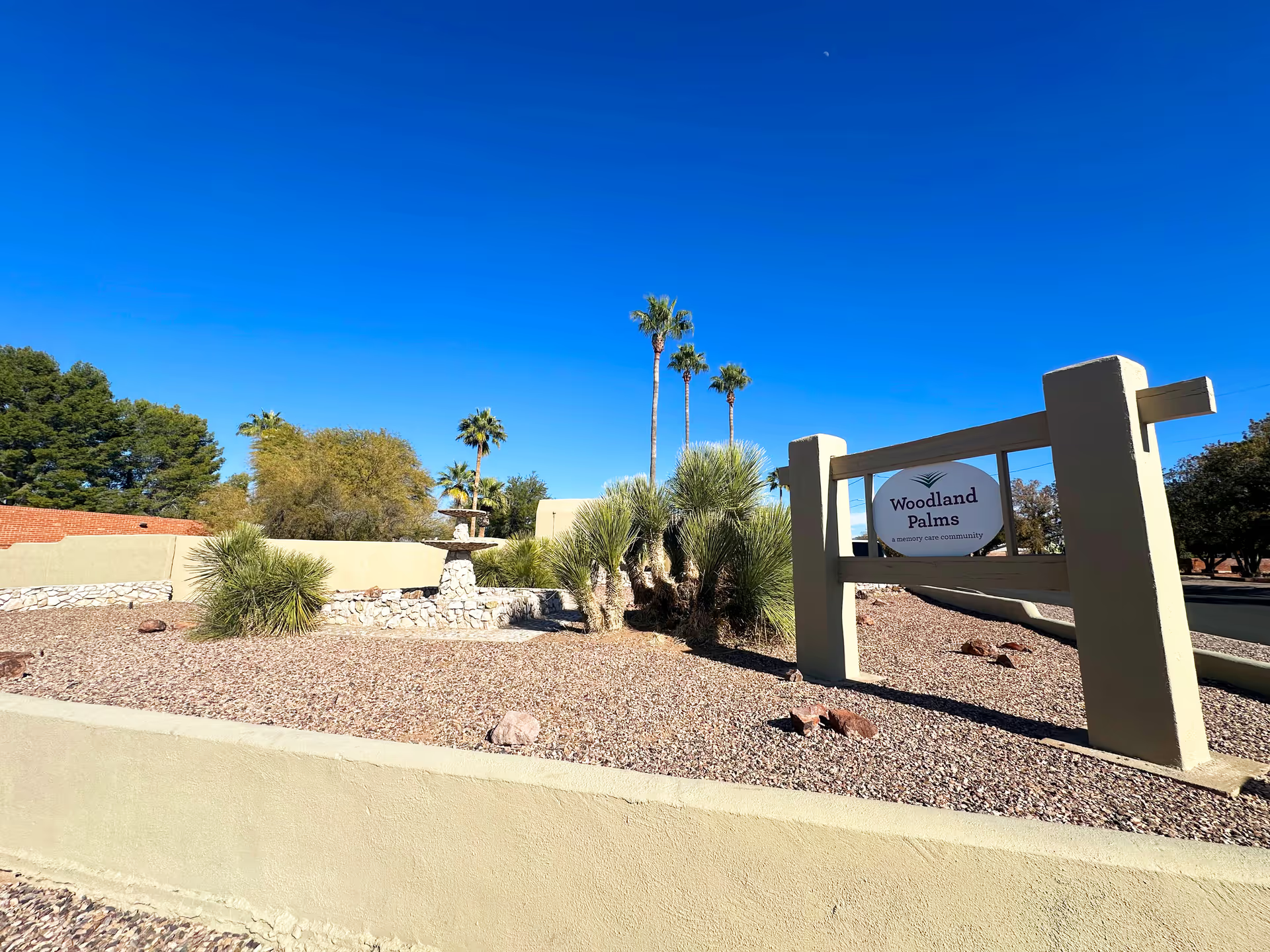
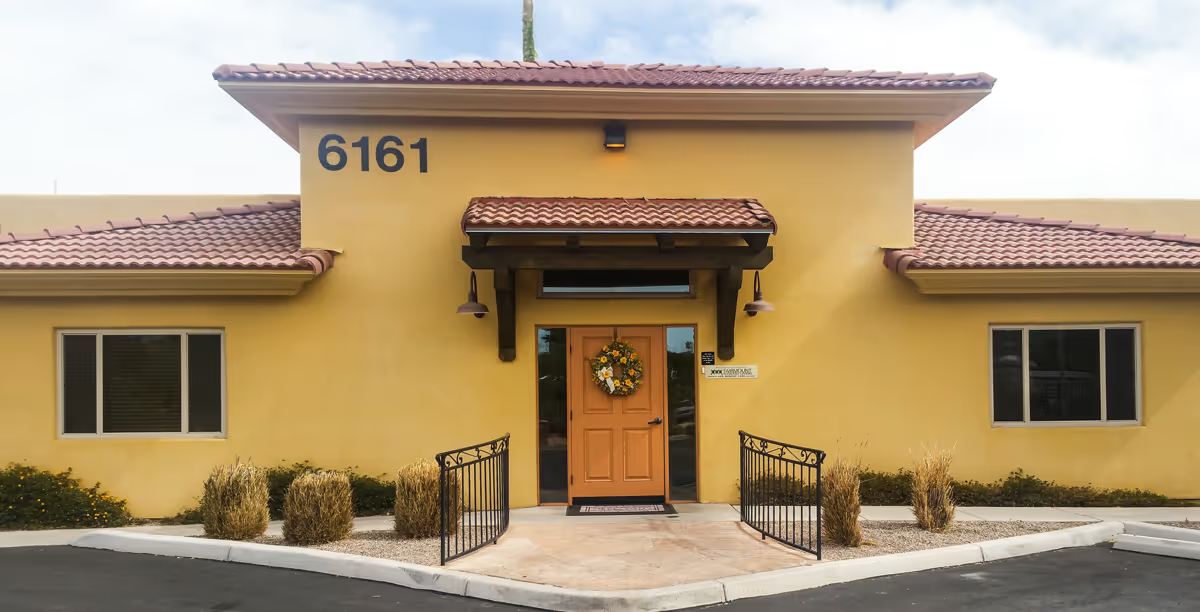
The Rubin Community for Senior Living presents a mixed but informative picture. Many reviewers describe a facility with clean public spaces, a pleasant courtyard, and a homey atmosphere rather than an institutional feel. The campus offers multiple levels of care—including short-term rehab, long-term care, and dementia support—along with on-site nursing and periodic medical drop-ins. Rehabilitation and physical-therapy services receive consistent praise, and proximity to a regional medical center is noted as a logistical benefit.
Staff impressions are varied. A number of accounts highlight attentive, friendly caregivers, helpful nursing staff, and staff who facilitate engaging daily activities and family participation in dining. Conversely, reviewers also describe inconsistent responsiveness from nursing personnel, including delays in medication administration and gaps in timely assistance. These operational inconsistencies often align with reports of understaffing and concerns about nurse-to-resident ratios.
Dining and resident amenities are generally viewed favorably. Meals are described as healthy, plentiful, and family-friendly with dedicated dining areas. Apartment features include private-room options, some with kitchenettes, and pet-friendly policies. Activity programming is broad—arts and crafts, bingo, book carts, field trips, and shuttle-supported outings are commonly available—and many residents find the schedule engaging. That said, some reviewers felt activity engagement was uneven, with underutilized exercise equipment and limited opportunities for more ambulatory residents to get regular walks or higher-energy programming.
Facility condition feedback is mixed: common areas and therapy spaces are often noted as clean and well-organized, while certain rooms and older portions of the building show signs of being dated and in need of maintenance. Cleanliness is praised in many accounts but other accounts describe sanitation and cleanliness inconsistencies in select areas.
Management and operational patterns are an area of divergence. Positive comments reference organized amenities, helpful administrative staff, and improvements over time. Critical comments raise concerns about administrative transparency, communication with families, transfer-handling procedures, and the impact of outsourced staffing or therapy vendors on accountability. Several reviews describe delayed or inadequate communication following clinical incidents, which has led to family dissatisfaction.
Overall, The Rubin Community may be a good fit for prospective residents who prioritize strong rehabilitation services, a full activities schedule, on-site medical access, and a secure, community-oriented campus. Families evaluating the community should clarify current staffing levels and nurse-to-resident ratios, ask about medication-administration protocols and incident-response procedures, confirm how outsourced therapy or staffing is managed, and inspect room conditions to ensure they meet personal expectations.