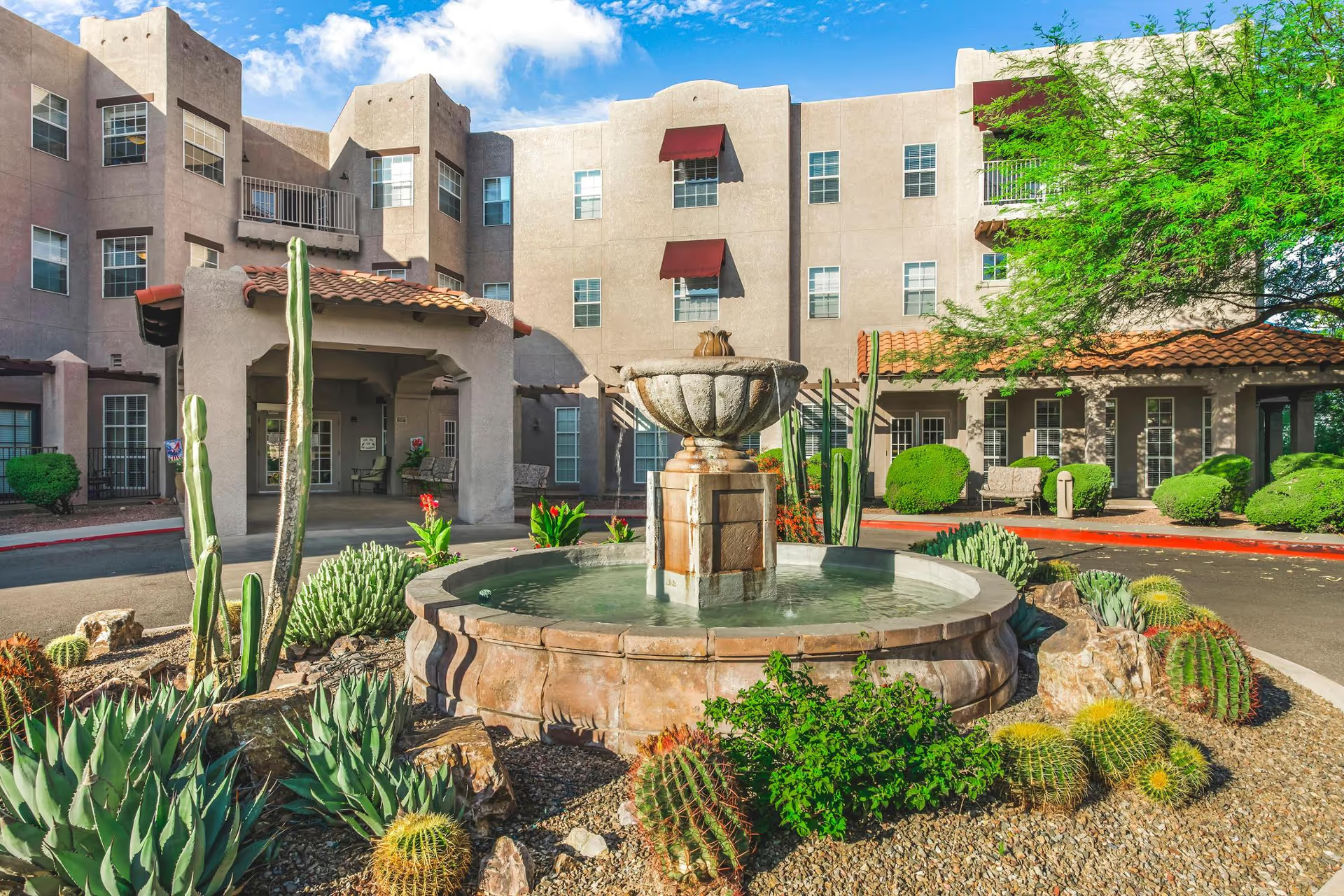
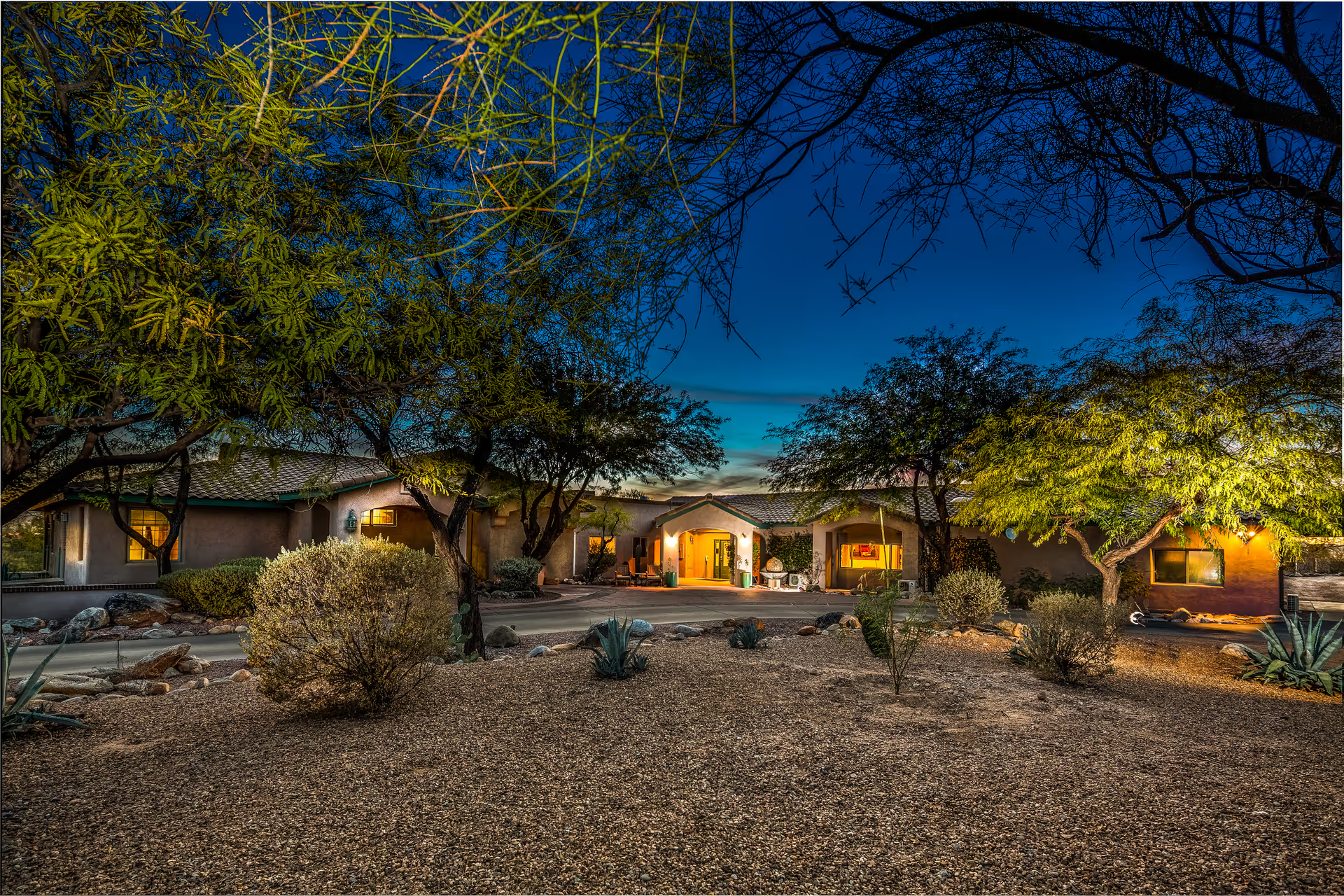
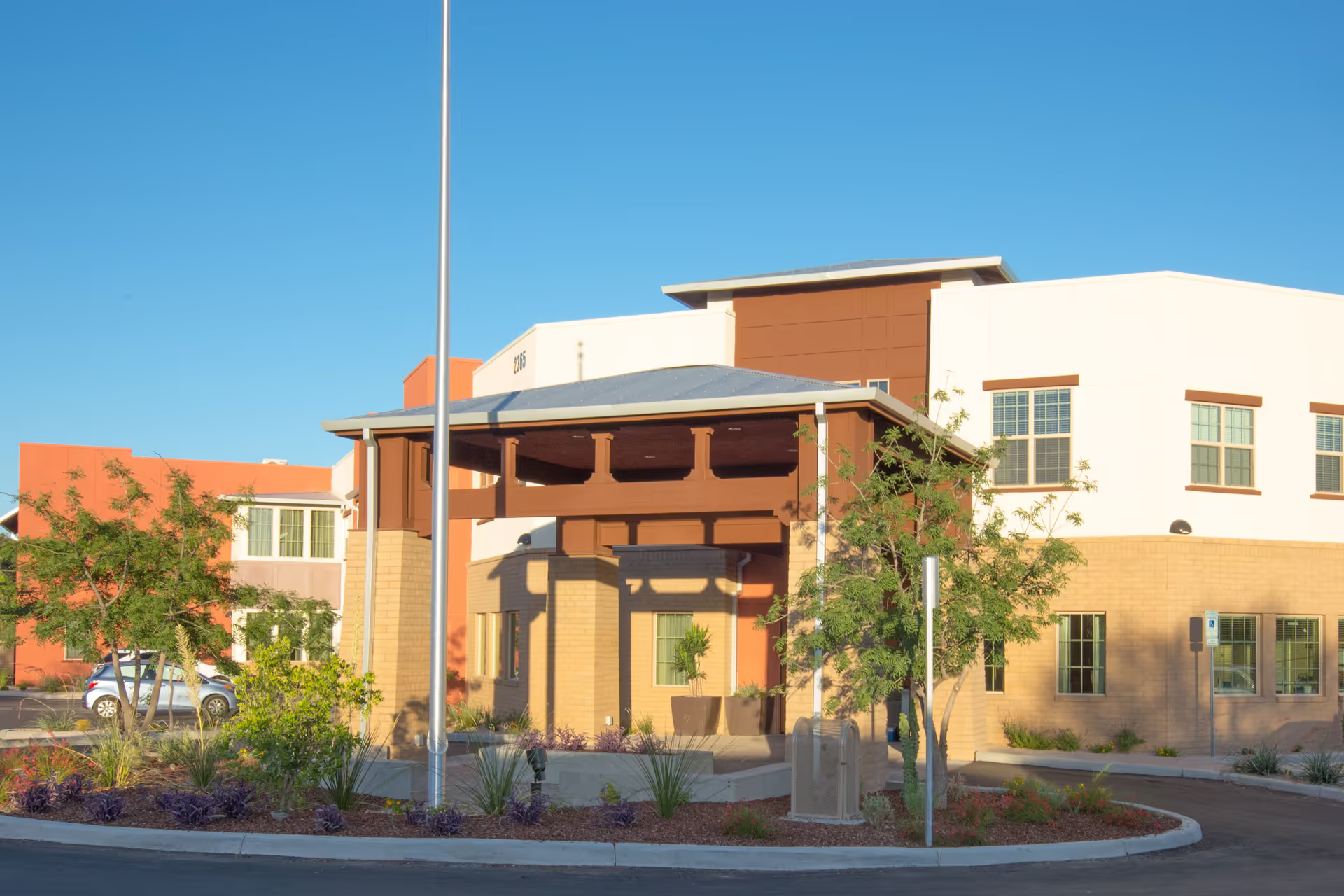
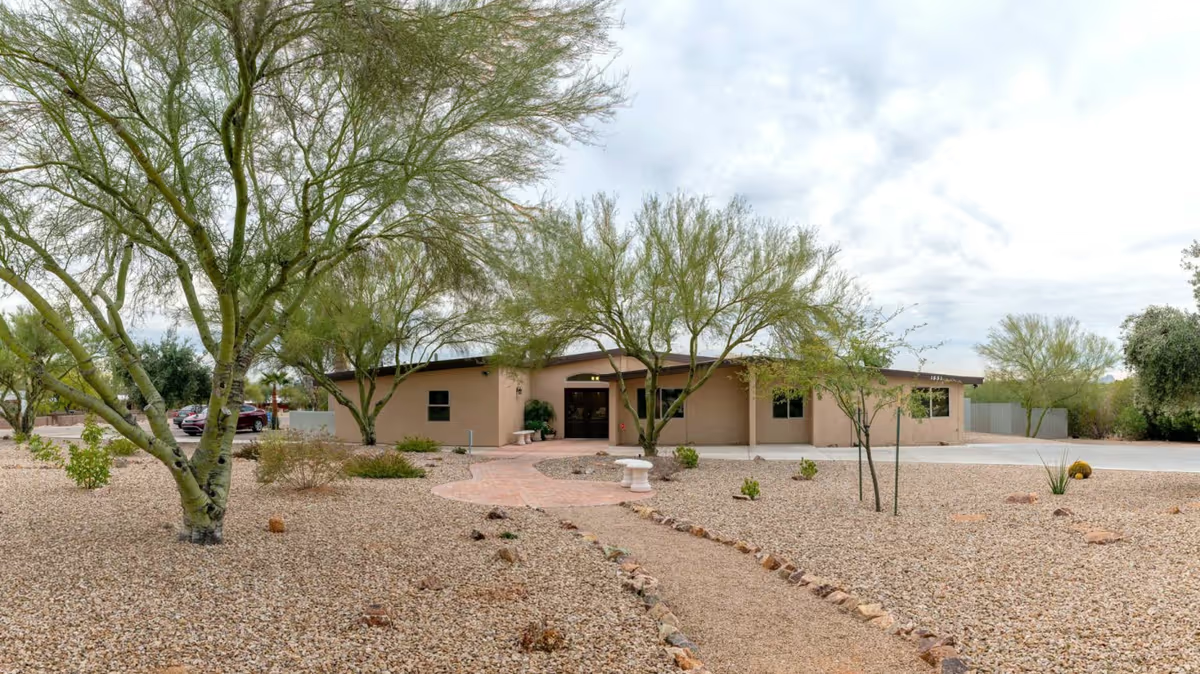
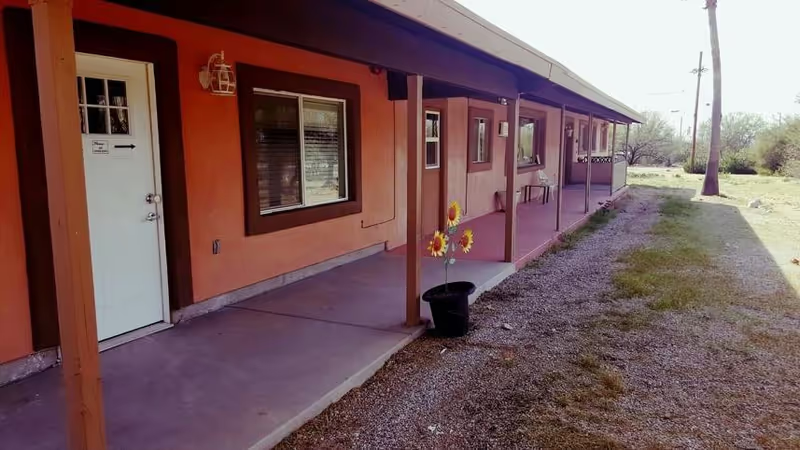
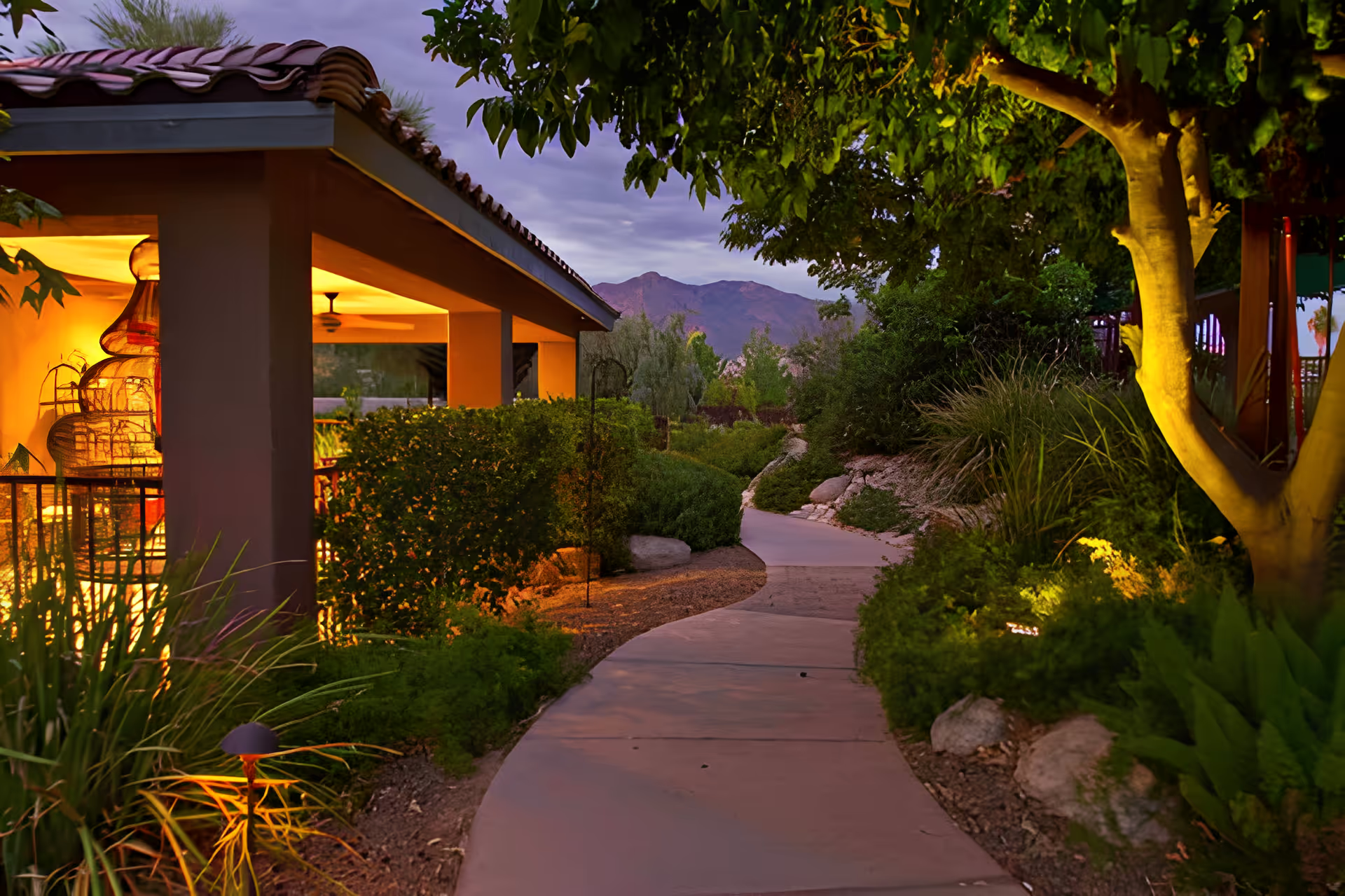
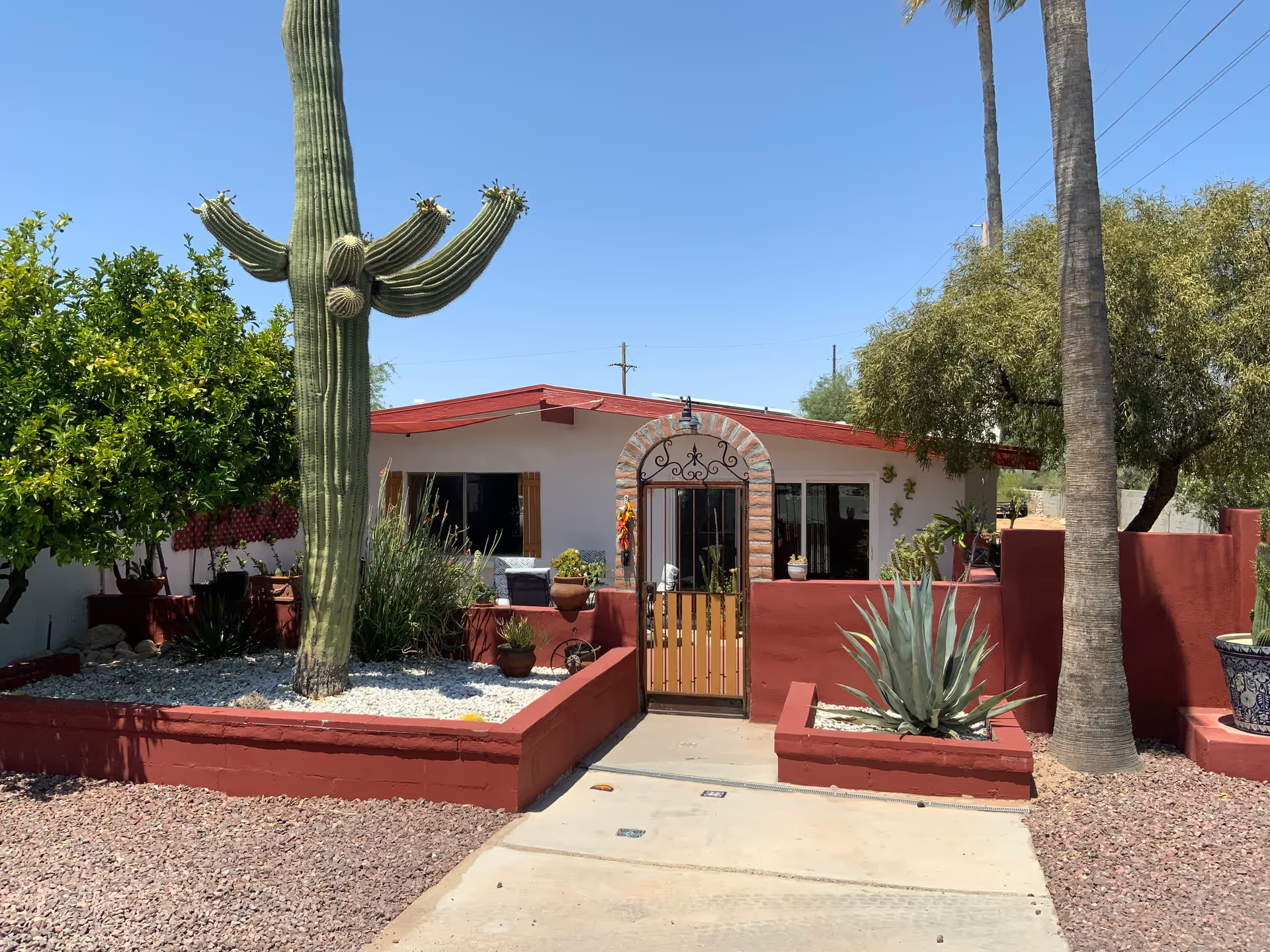
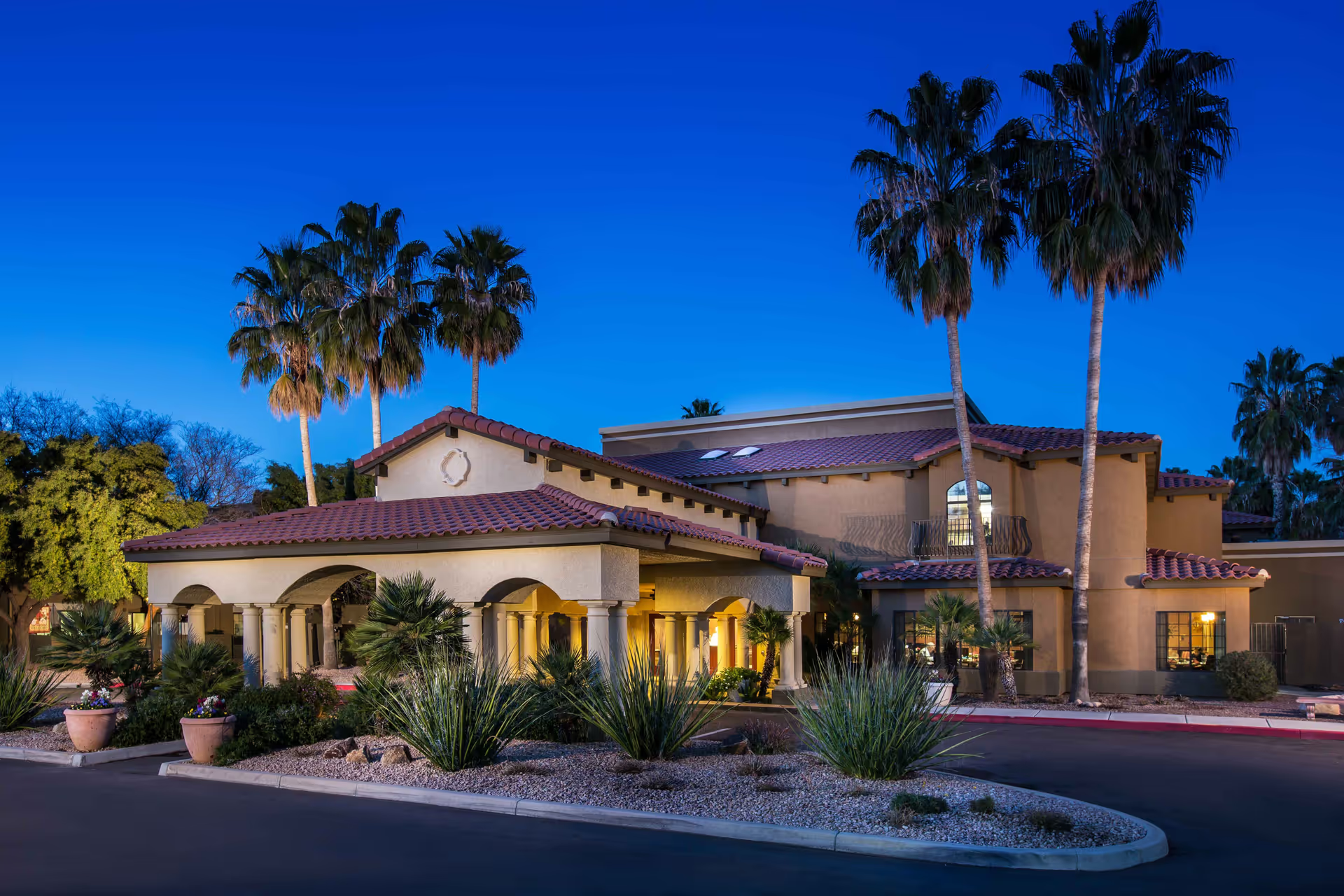
Overall impression: Review summaries indicate Watermark communities are frequently characterized by strong design, robust programming, and a staff culture that many families describe as caring and professional. The network's properties are noted for attractive interiors, thoughtfully appointed common areas, outdoor gardens and panoramic views, and amenities such as chapels, art studios, pet-friendly policies, and specialty wellness offerings. Many accounts emphasize meaningful social engagement, creative opportunities, and memory-care programming that contribute to resident thriving and quality of life.
Care and staff: Numerous comments highlight compassionate, resident-focused care delivered by experienced, long-tenure teams. Staff are often described as kind, attentive, and accommodating, with interactive approaches in dining and activities that support resident wellbeing. At the same time, reviewers expressed concerns consistent with staffing pressure: perceptions of overwork, occasional lapses in conduct or tone, and uneven recognition of frontline staff by management. These issues suggest variability in day-to-day staffing capacity and supervisory support across locations.
Dining and activities: Dining is commonly cited as a strength — appealing menus, welcoming dining rooms, and a quality onsite cafe — and activities programming receives frequent praise for variety and engagement, particularly arts programming and dedicated studio space. Specialty offerings (equine therapy, chapel services, technology-enabled programs) and calendared art events are repeatedly noted as differentiators. However, there are also accounts of inconsistent dining-service experiences and problematic interactions with kitchen staff, indicating operational variability in food-service execution and resident-facing conduct.
Facilities and amenities: Facilities are described as beautifully designed with thoughtfully appointed spaces, attractive entrances and gardens, and amenities that support social life and spiritual needs. The physical environment is frequently linked to resident pride and a sense of home. The national scale of the organization is viewed as a positive in terms of resources and program innovation, while individual communities appear to vary in how consistently those resources are delivered.
Management, admissions, and communication: Several summaries point to operational weaknesses in admissions and family communication. Examples include delays or inconsistency in assessments, unfulfilled promised move-in timelines, and gaps in family notification and visitation flexibility during infection-control events — including concerns following resident deaths during a COVID-19 outbreak. There is also a recurring perception among some families that sales and marketing priorities can overshadow clinical or relational priorities, and there are specific concerns about persistent unsolicited marketing and inadequate handling of privacy or do-not-solicit requests.
What to consider as a prospective resident or family: Watermark communities offer many programmatic and environmental strengths that support an engaging senior-living experience, particularly for residents seeking robust activities, arts, and social opportunities. Prospective residents and families should, however, vet operational issues that emerged in these summaries: clarify admissions timelines and assessment procedures, ask about staffing levels and staff recognition practices, review dining and kitchen operations, request the provider's communication plan for clinical incidents and outbreaks, and confirm how marketing/privacy requests will be handled. Doing so will help align expectations with the variability described in these reviews and highlight the locations within the network that best match a family's priorities.