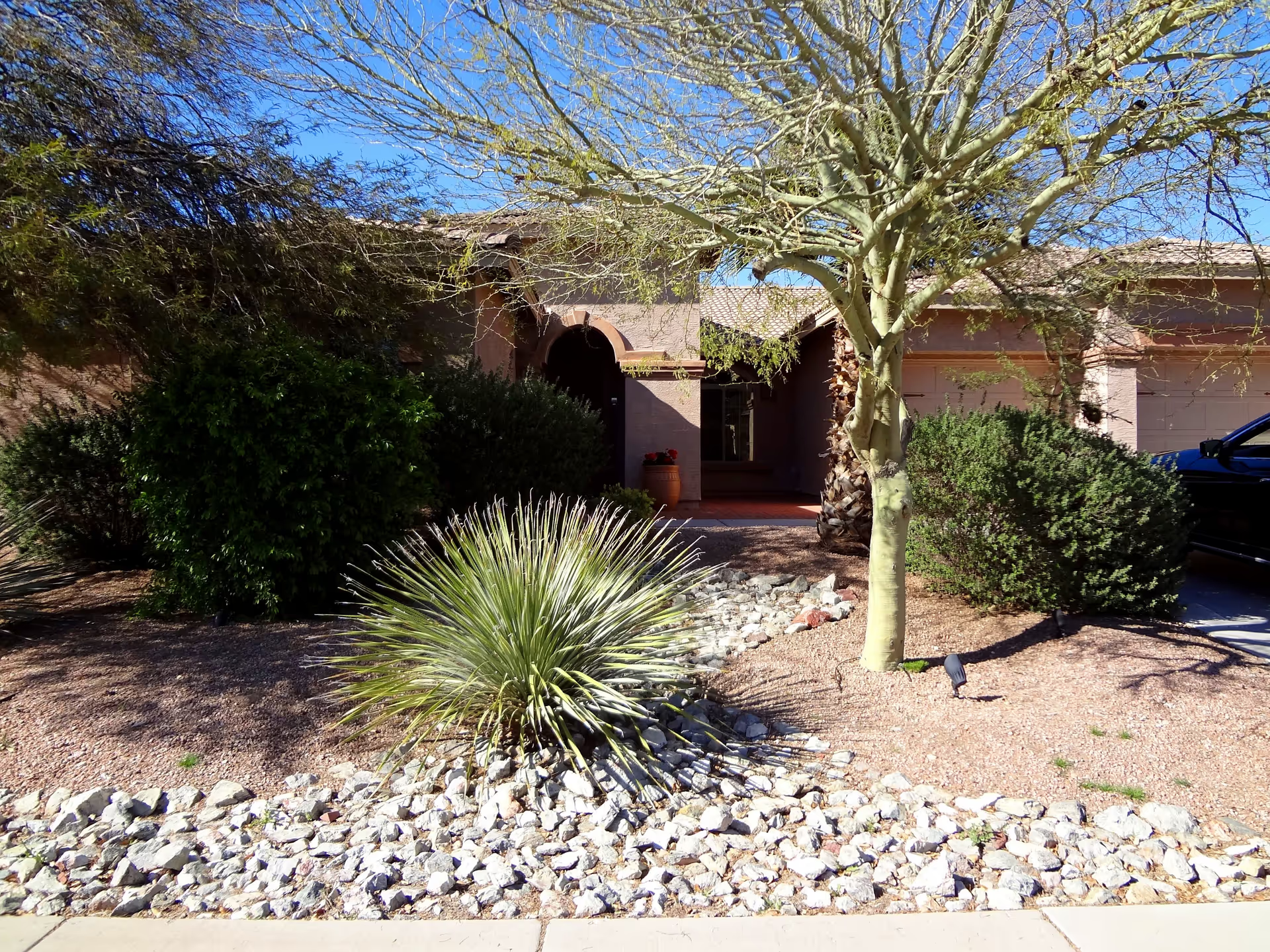
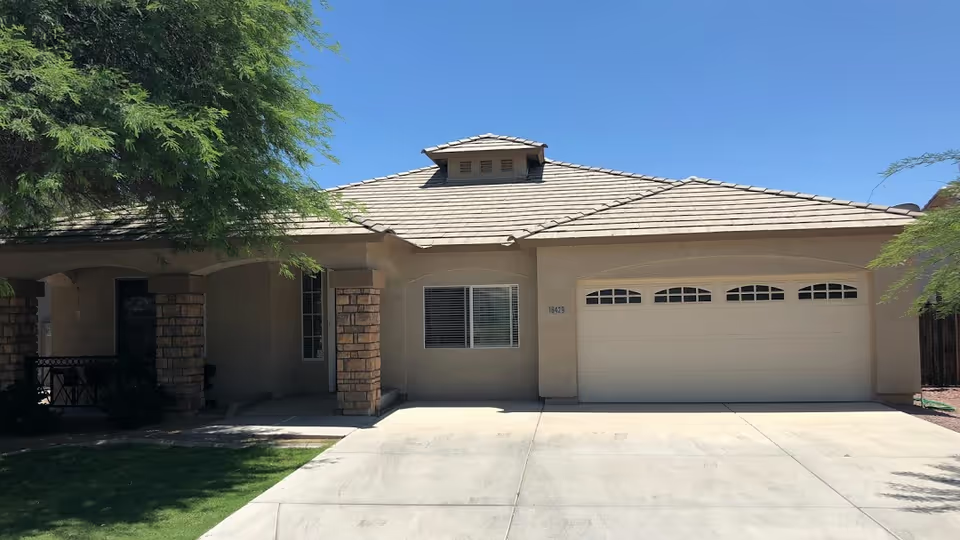
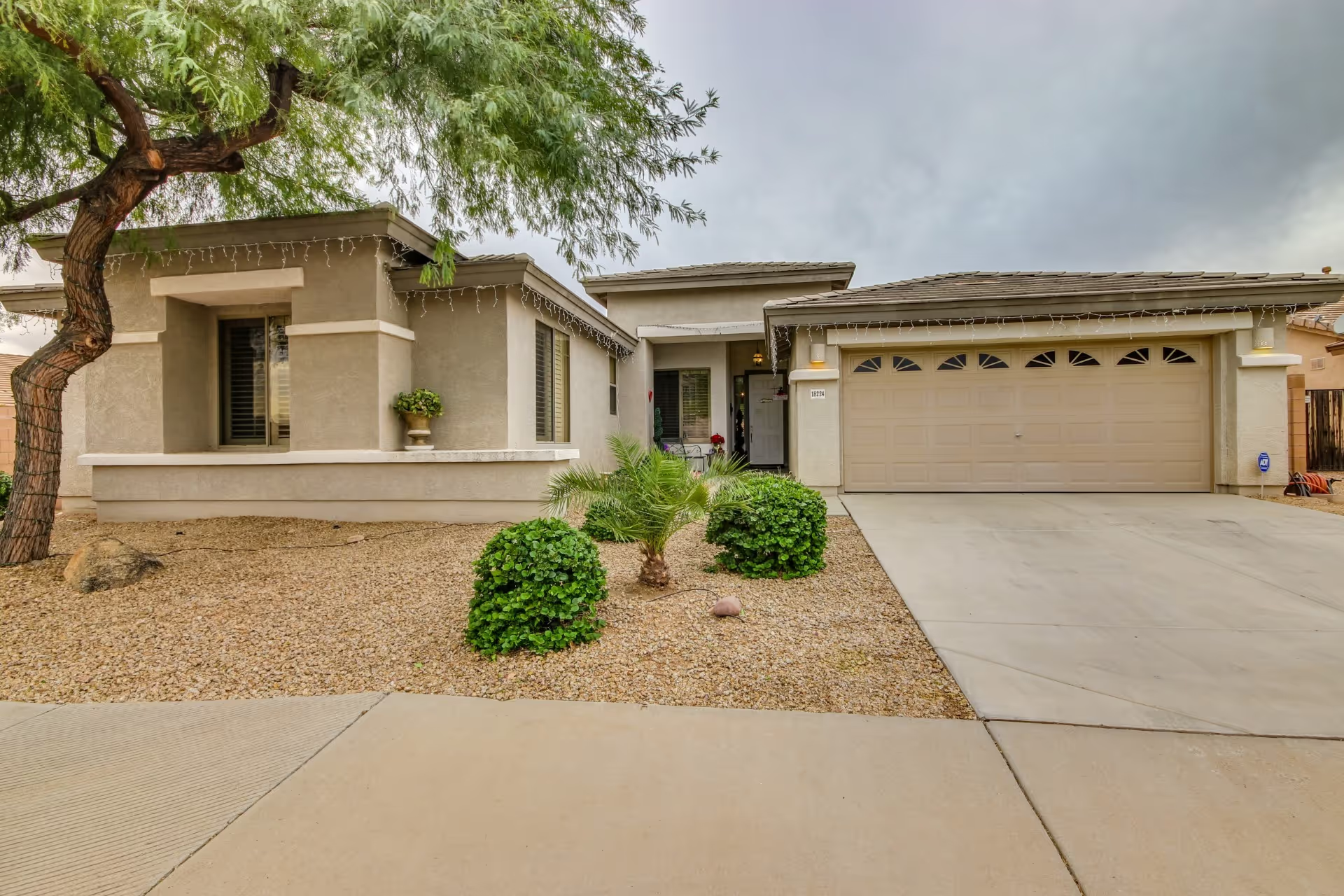
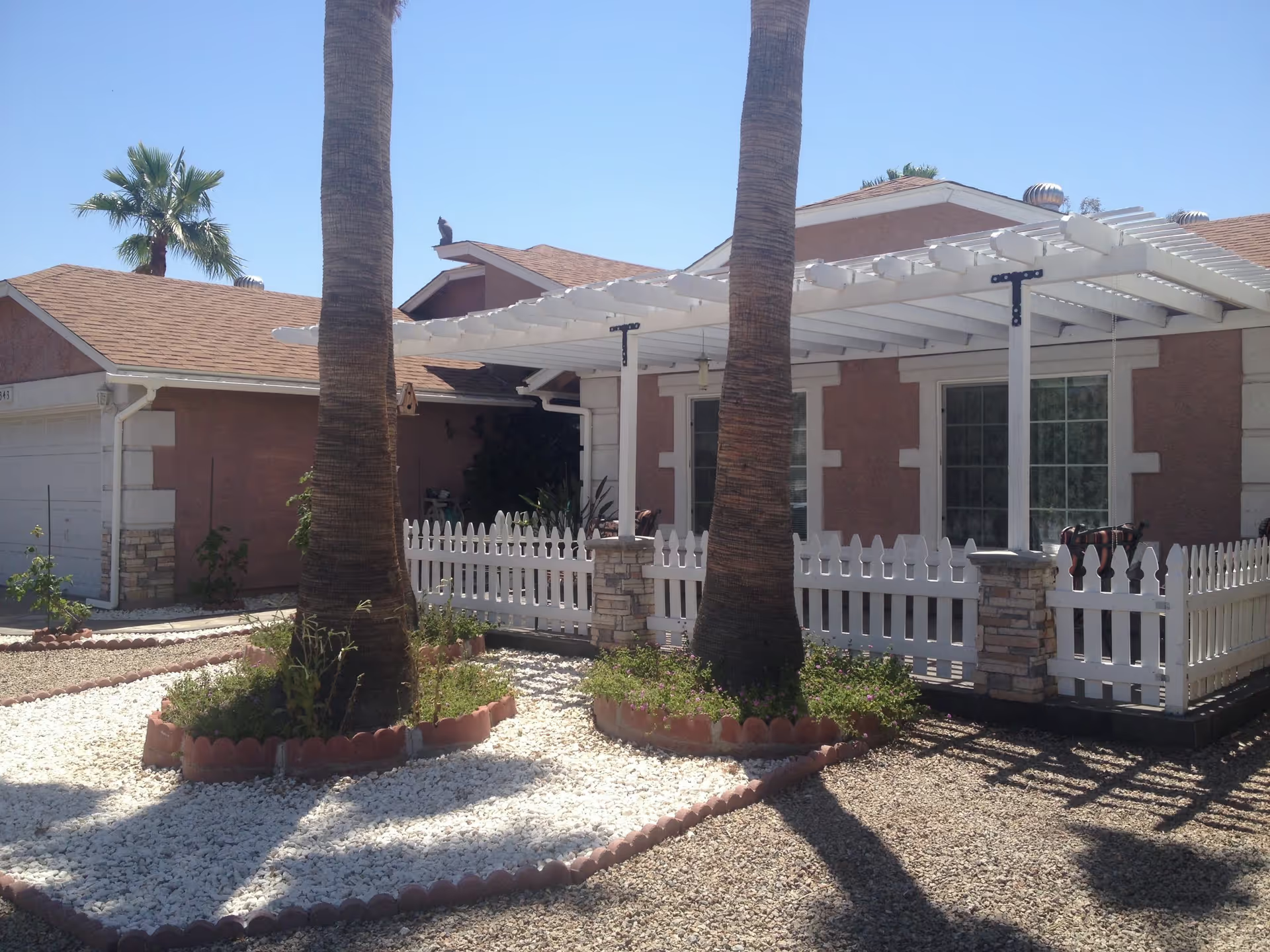
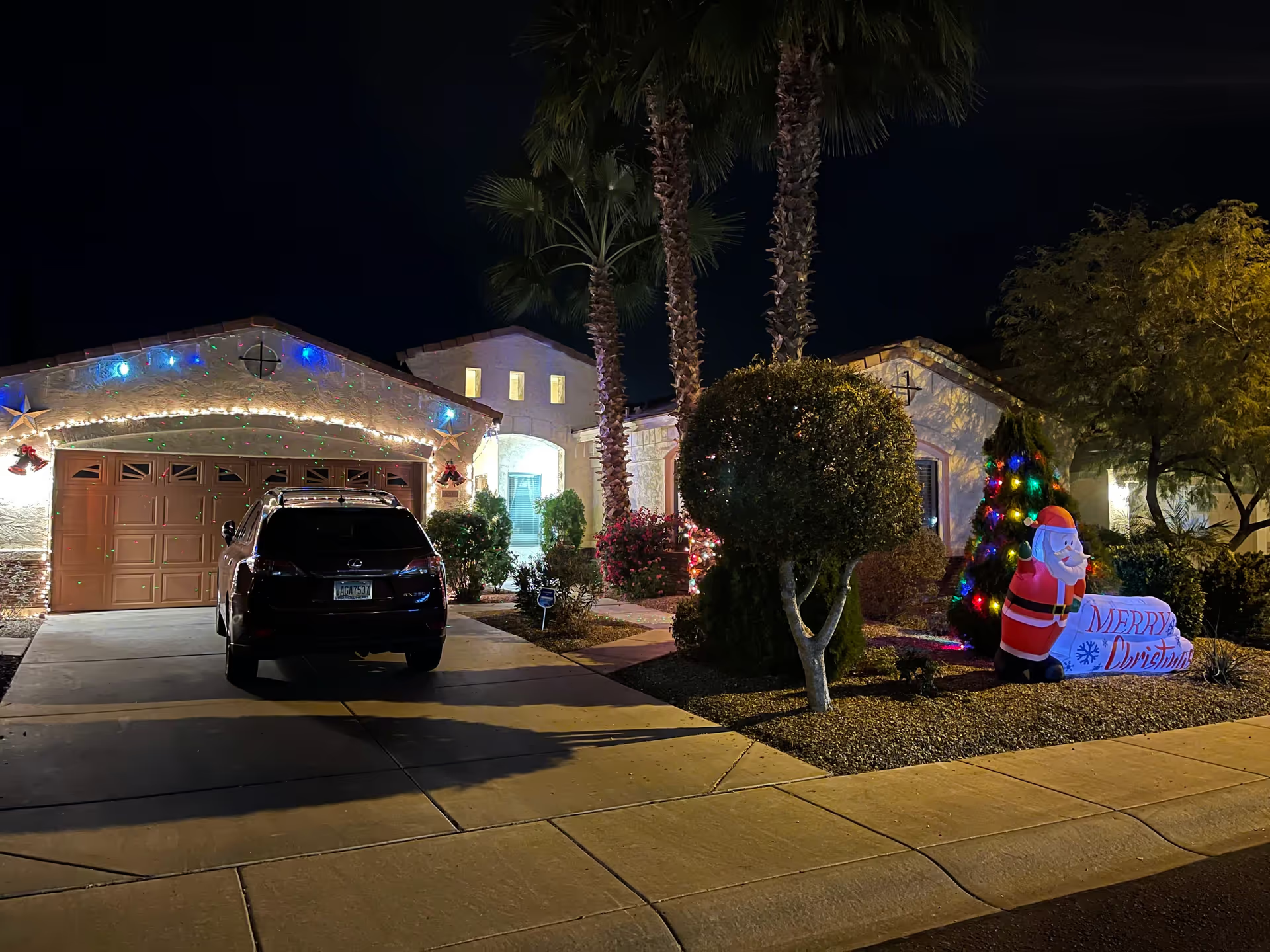
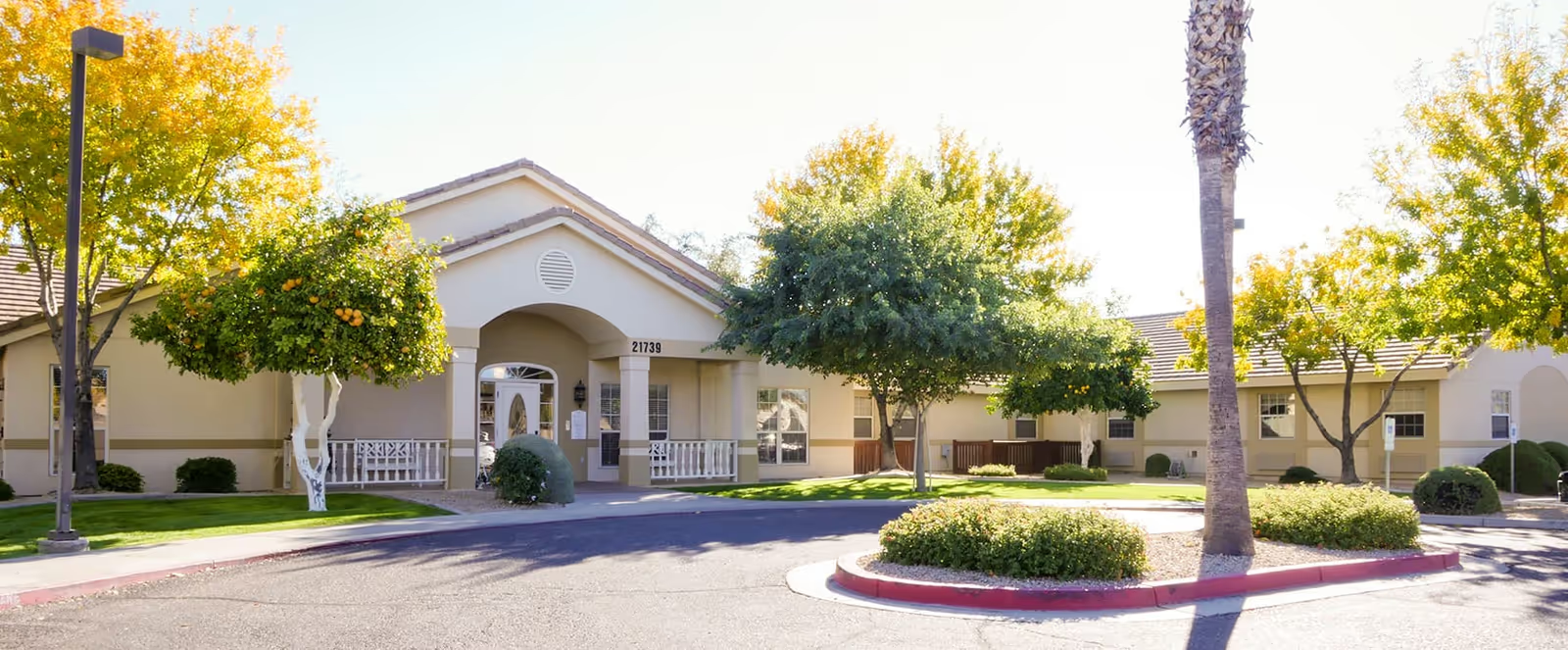
Caring Angels Assisted Living Home presents as a small, residential-style setting with several clear strengths. Review content describes a newer, well‑appointed home with five private bedrooms and full baths, a quiet location, and décor that many find comforting and homelike. Management and lead staff are frequently described as engaged in creating a curated, welcoming environment; individual staff members are often characterized as caring and long‑tenured, and intake and transition support are highlighted as strengths.
Clinical- and day-to-day care impressions are mixed but lean positive in certain respects. Multiple comments point to attentive caregiving, timely medication administration, and occasional high-acuity interventions. However, the facility’s staffing model — frequently described as a one- or few-person caregiver structure — appears to limit available programming and one-on-one engagement. That staffing pattern also underlies several operational concerns described below.
Dining and household services are consistently reported as strong points. Reviewers note fresh, home‑cooked meals prepared daily, a comfort-food approach to menus, and a communal atmosphere around meals. The small scale supports individualized meal service and a homelike dining experience rather than institutional meal delivery.
Areas of operational concern emerge with respect to safety measures, sanitation, and family communication. Several comments raise the facility’s readiness for residents with wandering risk, noting a lack of environmental controls such as door alarms or secure egress measures. There are also a limited number of statements indicating sanitation or housekeeping issues in specific areas, which suggests the need for routine quality oversight. In at least one instance a family escalated concerns to an external agency; this and related reports indicate gaps in the facility’s dispute‑resolution and consent/authorization processes, and a few comments described problematic staff–family interactions or an inappropriate communication tone.
For prospective residents and families, the pattern suggests a trade-off: Caring Angels offers a small, homey setting with consistent, personalized attention when staffing levels align with resident needs and a preference for home‑cooked meals and a quiet environment. Conversely, those whose care needs include significant mobility supervision, a high degree of structured activities, or rigorous institutional safety controls should carefully evaluate staffing ratios, wander‑prevention features, sanitation schedules, and the facility’s formal communication and escalation policies. Asking for staffing rosters, visiting during different times of day, reviewing incident escalation procedures, and clarifying consent and grievance pathways would help families judge fit given the facility’s strengths and operational limitations.