Overall impression: Foothills Rehabilitation Center presents a mixed but actionable picture. The facility earns consistent praise for its clinical rehabilitation strengths, core caregiving staff, and social programming, while recurring operational weaknesses around staffing consistency, clinical process reliability, and communication create variability in family experiences.
Care quality and clinical services: The strongest, most consistent positive across feedback is the rehabilitation program. Physical and occupational therapy teams, along with respiratory/ventilator services and a respected wound-care group, are frequently credited with measurable functional gains and safe ventilator accommodations. Many families described successful discharge planning and therapy-driven progress. Nursing care is often described as attentive and compassionate; however, reviewers also documented episodes of delayed medication delivery, inconsistent documentation, and uneven wound-management practices, indicating variability in clinical process adherence between shifts.
Staff, communication, and leadership: Staff demeanor ranges from highly compassionate and professional to, at times, brusque or inattentive. Several accounts highlight caring CNAs, knowledgeable therapists, and accessible leadership (including an engaged Director of Nursing/administrator and owner presence). Counterbalancing that are frequent notes about long call-light wait times, perceived understaffing on certain shifts, and inconsistent front-desk or admissions professionalism. Communication gaps emerged as a recurring theme — families sometimes reported limited clinician outreach, unclear updates, or the need to actively advocate for care-plan adjustments.
Dining, activities, and amenities: Dining receives generally positive remarks for variety and menu options; many reviewers called meals good to very good and noted accommodating low-sodium choices. There are also intermittent complaints about cold meals or variable meal service timing. Activities are a clear strength: the facility offers an extensive, inclusive schedule with social events, pet visits, and culturally diverse programming that visitors found engaging and rehabilitative. Onsite animals and social events (karaoke, ice-cream socials) are cited as meaningful quality-of-life features.
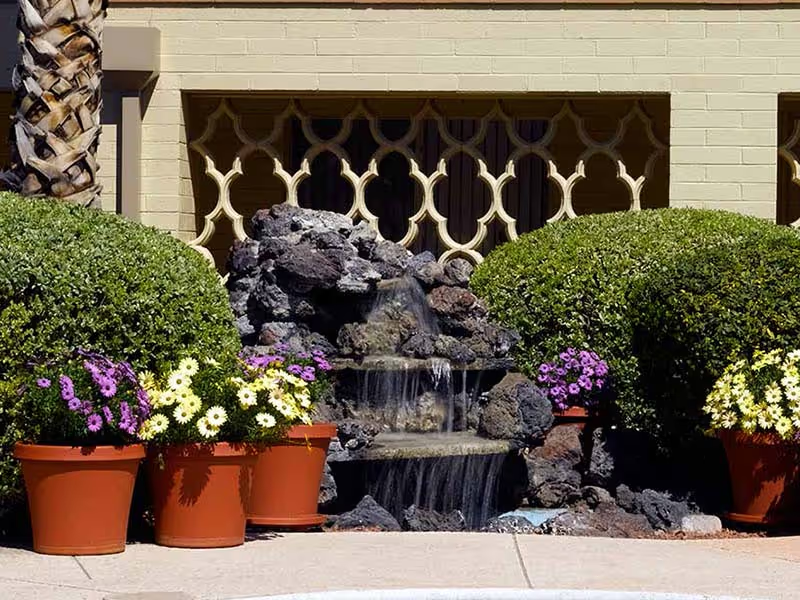
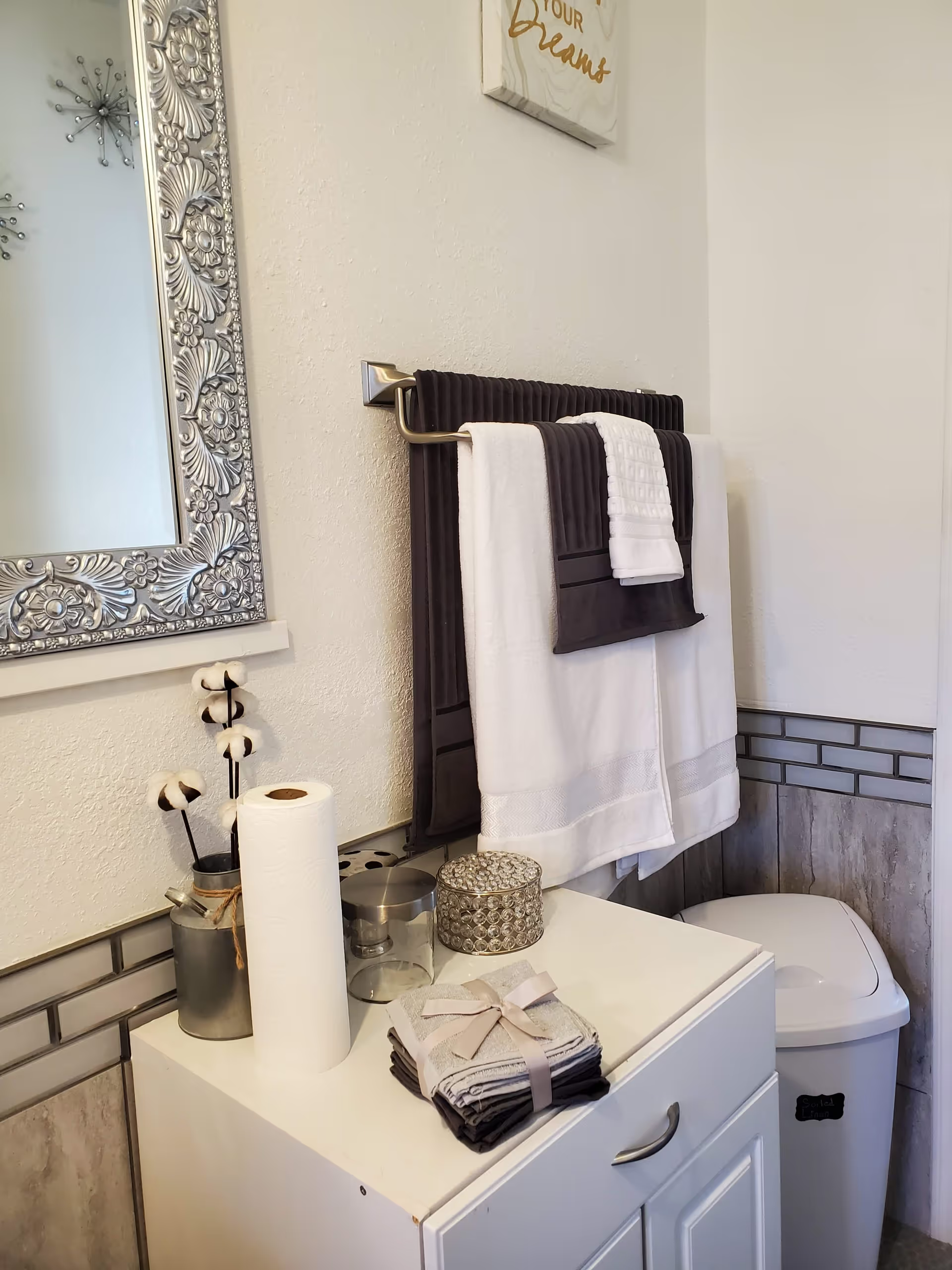
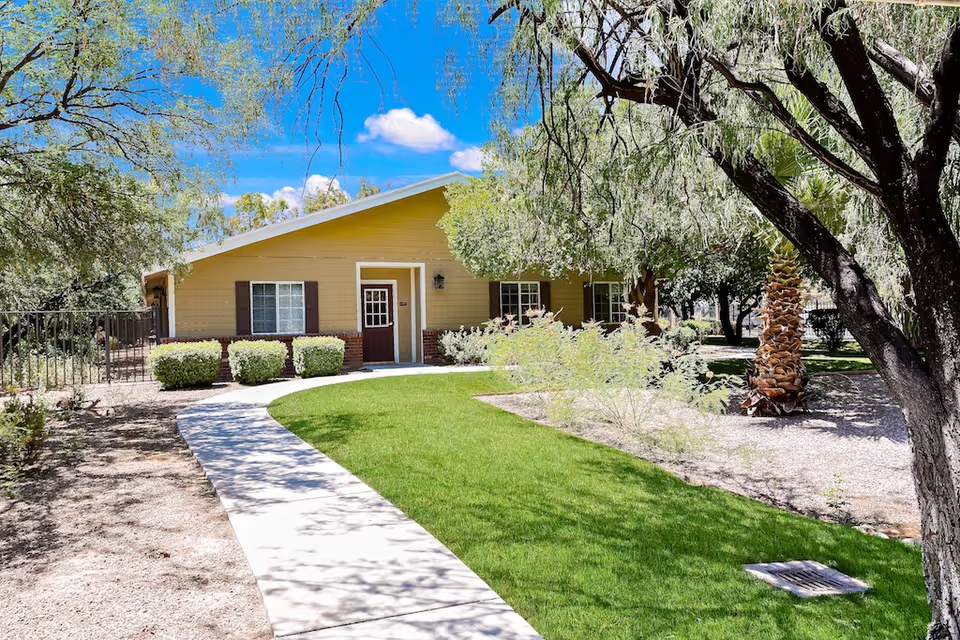
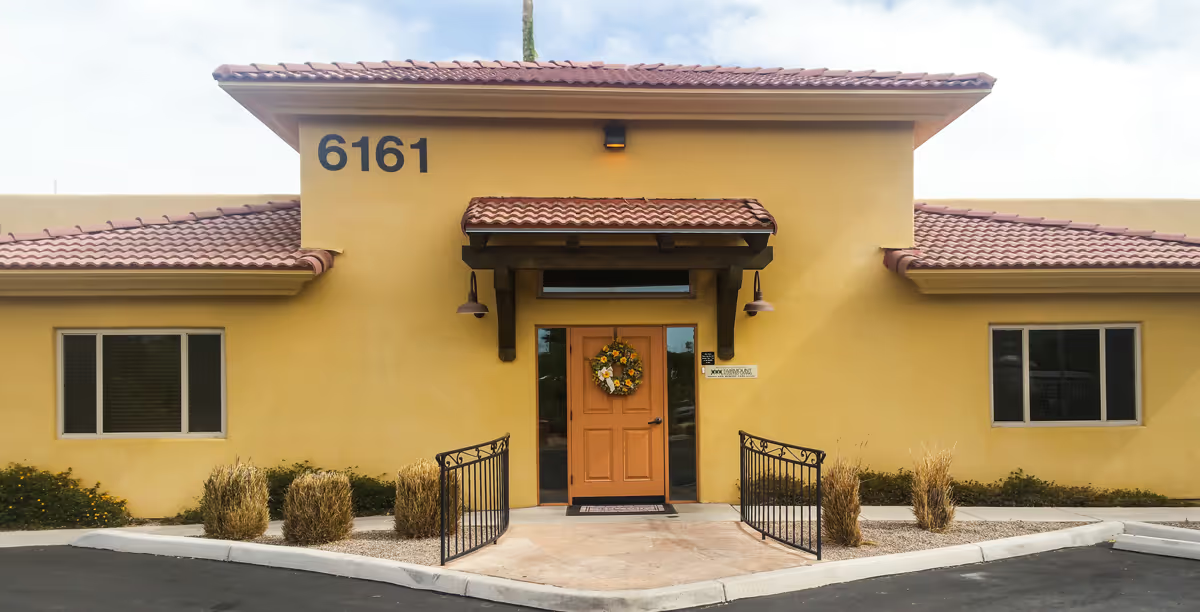
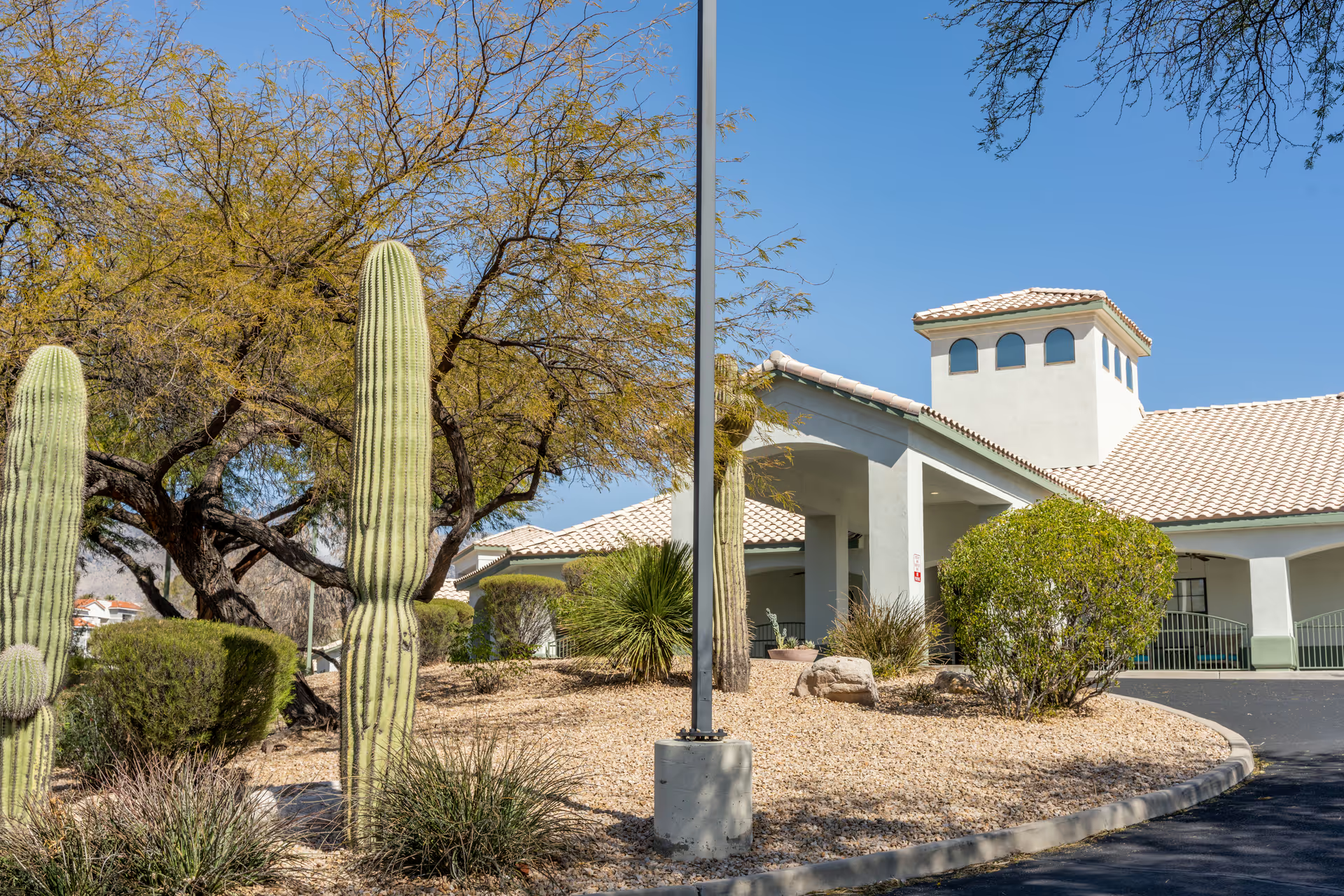
Facilities and sanitation: The building is described as older in places but largely maintained; interior cleanliness and upkeep are often praised. Nevertheless, several reviewers identified areas needing attention — exterior wear, localized sanitation concerns, and isolated pest-control observations — suggesting uneven maintenance and housekeeping standards across units.
Safety, security, and incident response: Multiple reviewers raised concerns that indicate systemic operational gaps rather than single incidents: inconsistent emergency-response and transfer coordination, personal-item security lapses, and variable infection-control/PPE adherence. These concerns, combined with reports of slow response during acute events, point to areas where protocol reinforcement and staffing adjustments could materially improve safety perceptions.
Notable patterns and recommendations: Prospective residents and families should weigh the strong rehabilitation and respiratory capabilities and the active activities program against the variability in day-to-day nursing responsiveness, front-desk interactions, and some maintenance/cleanliness issues. Conversations with facility leadership about staffing ratios, medication and wound-care protocols, family communication practices, and contingency/transfer procedures are advisable prior to placement. Visiting in person during different shifts to observe responsiveness and dining service timing may help set expectations and identify whether current operational practices match individual needs.