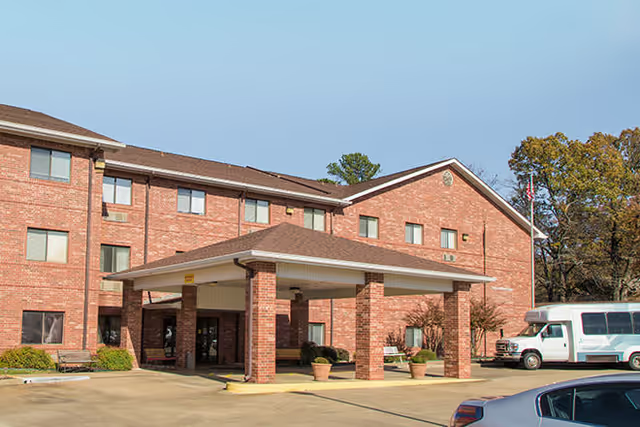
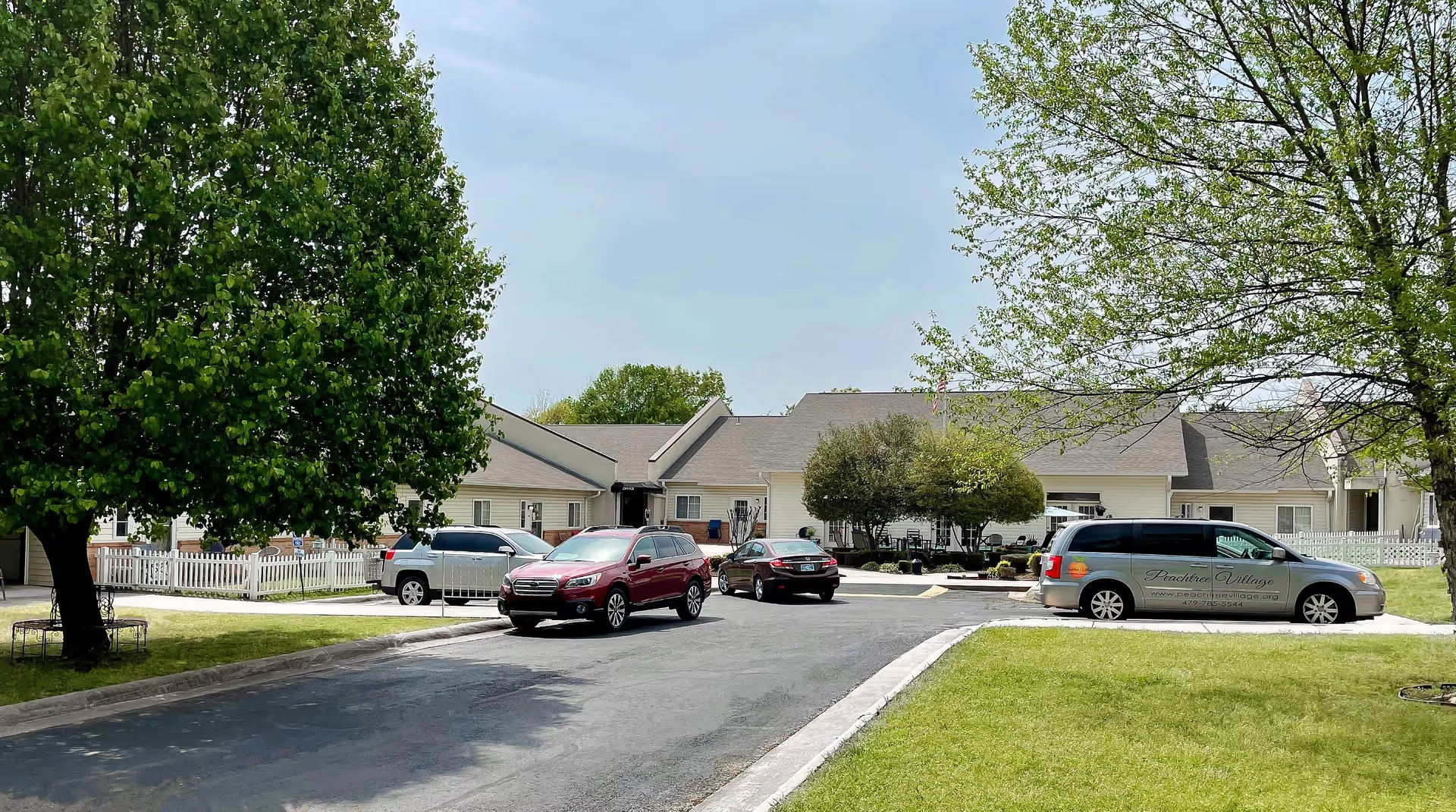
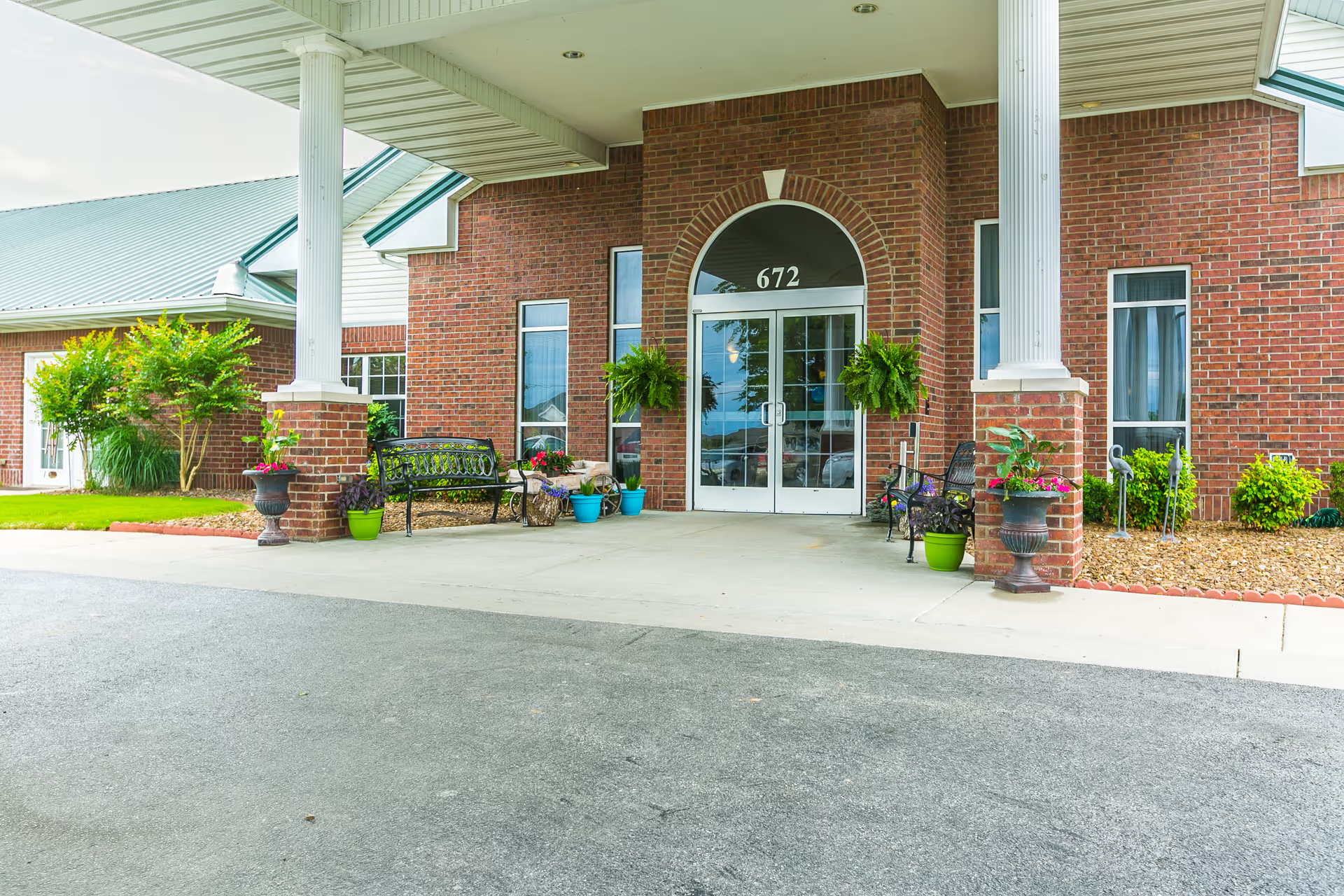
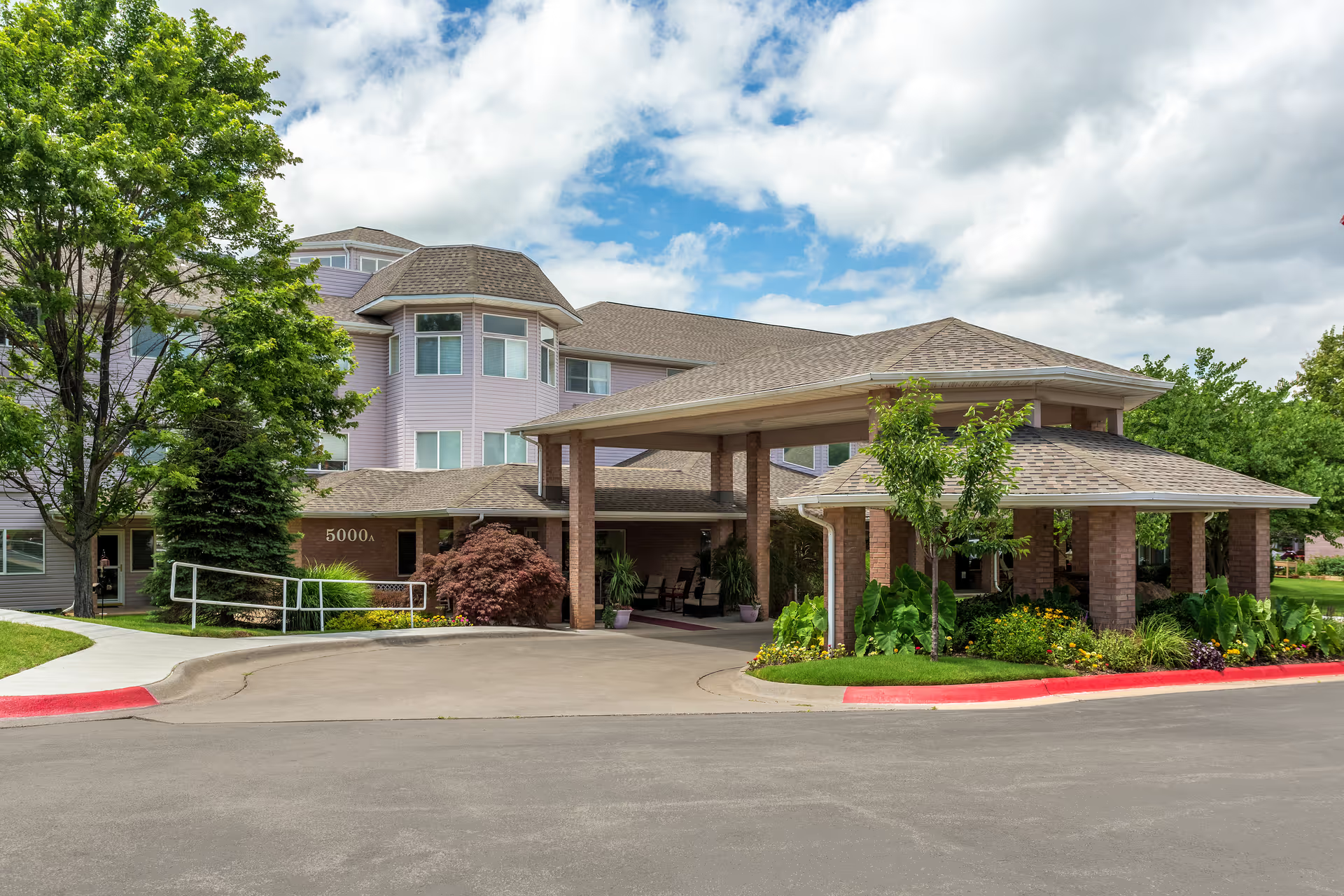
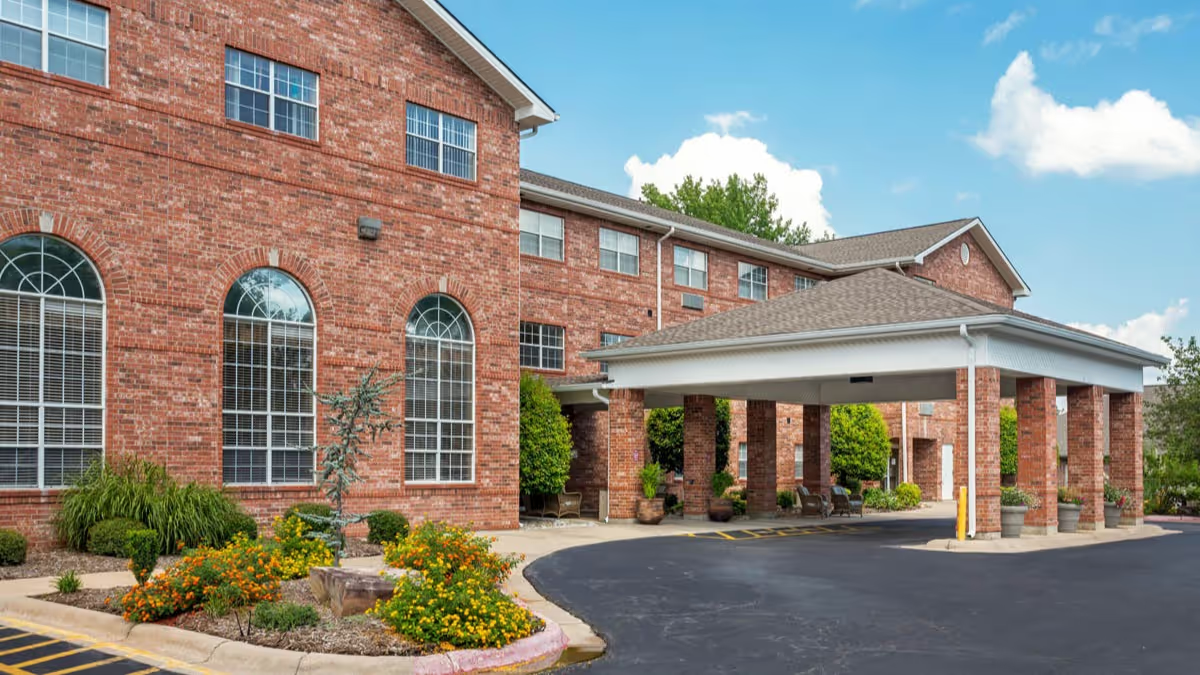
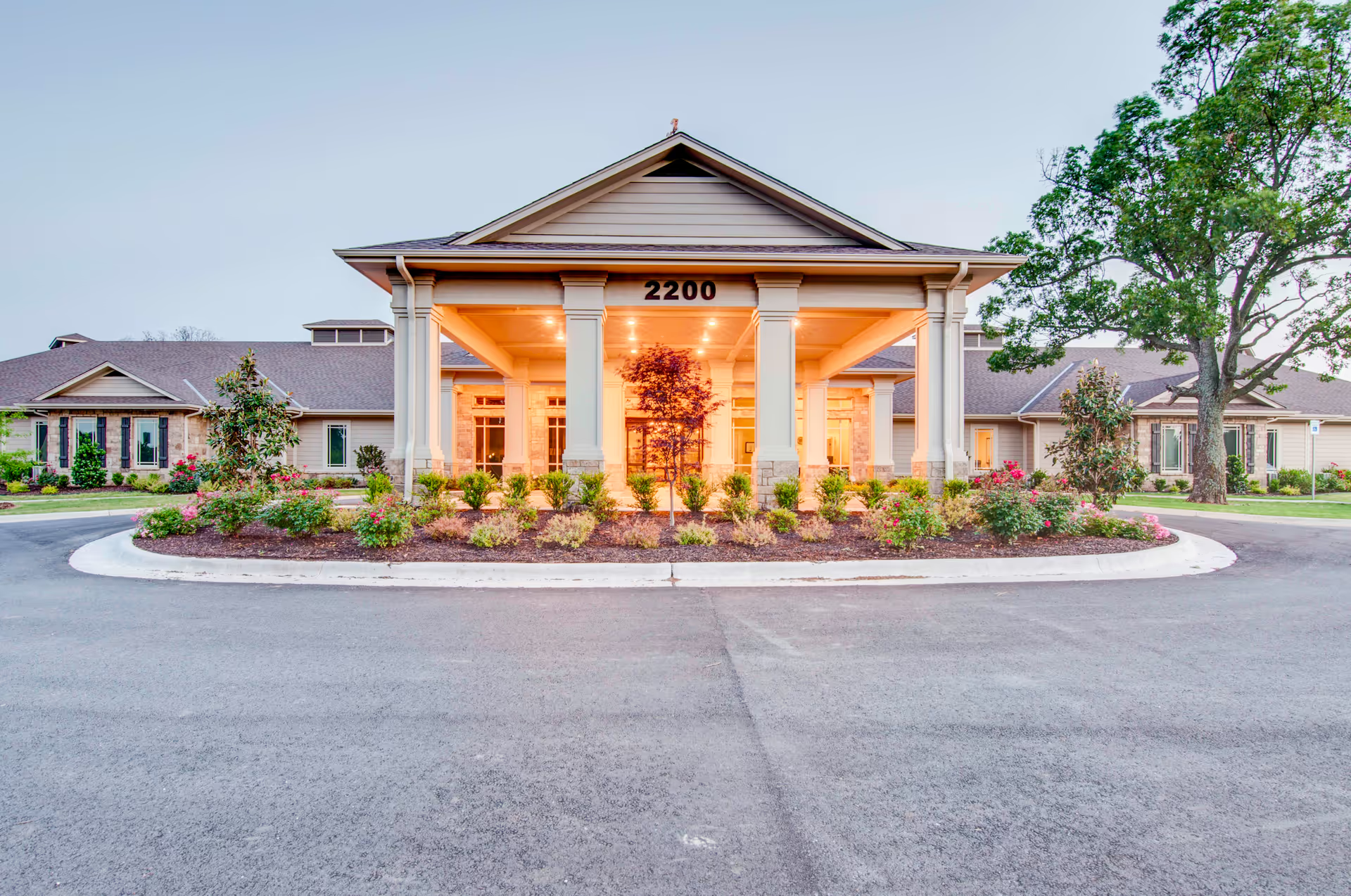
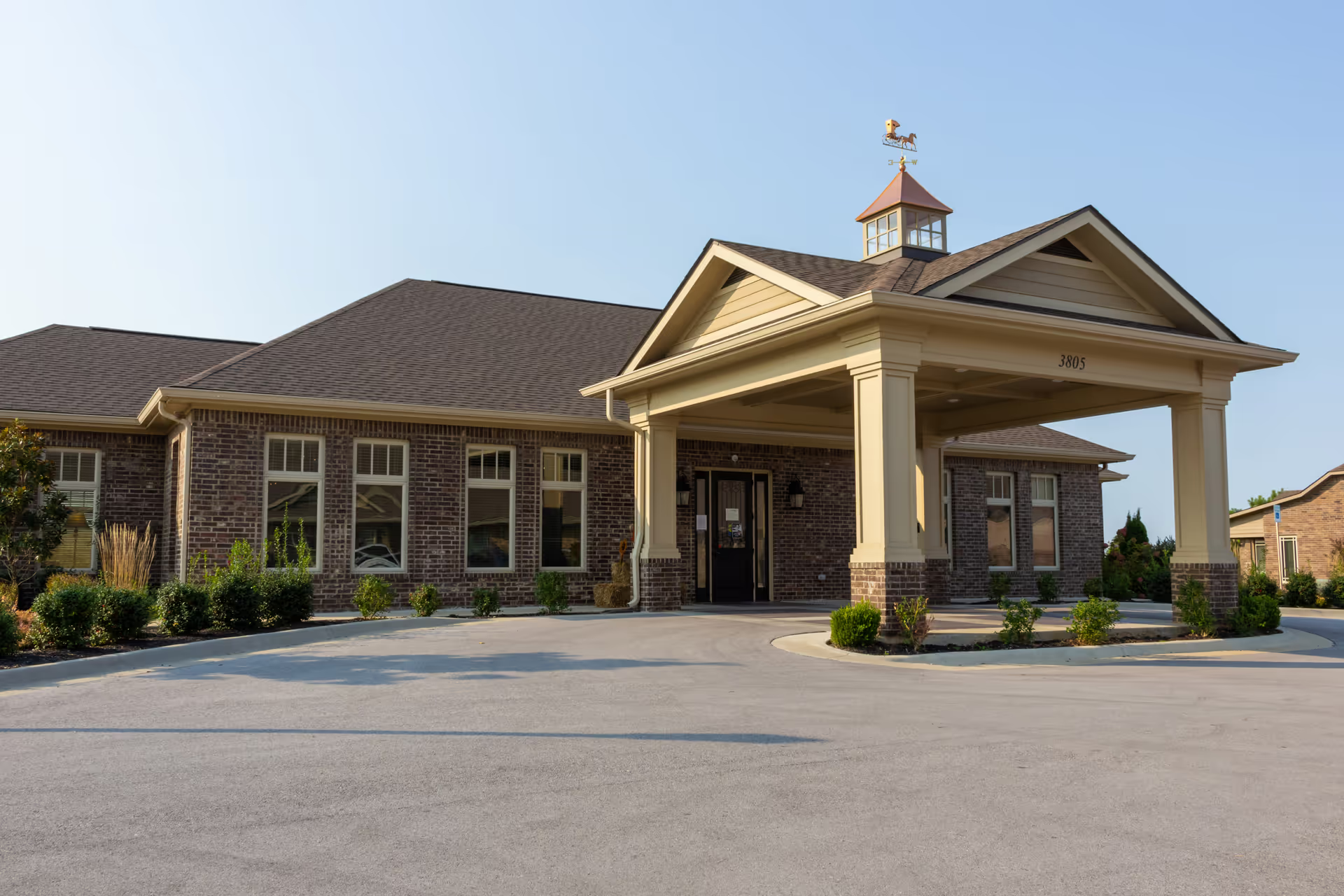
The reviews present a mixed but instructive picture. Many families and former residents describe strong clinical and rehabilitative strengths: a clean, modern facility with accessible grounds, a dedicated therapy wing, and staff who can provide personalized, memory-care–focused plans. Physical and occupational therapy are frequently praised for producing meaningful recovery, and many reviewers emphasize compassionate nurses, same-nurse assignments, and therapists who developed close, reassuring relationships with residents. The community offers a robust activities program (bingo, church, daily social events), on-site amenities (salon, gym, courtyard, gazebo), and accommodations for dietary needs. Communication with families is often characterized as timely and detailed, and the facility’s compact layout and wheelchair accessibility are cited as practical advantages.
At the same time, a number of recurrent operational concerns appear across reviews. Staffing consistency is a prominent theme: weekend and overnight coverage, as well as variable caregiver availability, are described as uneven. That variability is tied to several other issues — inconsistent staff conduct and communication tone, delays in attending to resident needs, and uneven documentation practices — which can affect day-to-day care. Multiple accounts point to weaknesses in medication-administration controls and charting, and there are several descriptions of lapses in incontinence-care and wound-care processes that suggest gaps in routine clinical oversight and sanitation protocols.
Management and administrative practices are another area of divergence. While some families describe responsive leadership that addresses concerns promptly, others report aggressive discharge and billing interactions, pressure during placement or discharge, and poor responsiveness from the admissions/sales team when requesting pricing information. There are also isolated but serious personnel-safety concerns noted, including an allegation of staff substance use and remarks about workplace culture and conduct; these items indicate a need for robust hiring, supervision, and incident-follow-up procedures.
Dining and daily life likewise receive mixed feedback. Many reviewers praise the meals and the facility’s willingness to accommodate dietary needs, along with enjoyable communal activities. Conversely, others cite inconsistent food temperature and occasional kitchen shortcomings. Facility upkeep and appearance are generally seen as strengths — contemporary interiors in many areas, clean public spaces, and pleasant outdoor areas — although some reviewers mention noise issues in certain rooms (for example, proximity to vending or high-traffic areas) that can affect sleep and comfort.
Overall, the pattern is one of substantive clinical and rehabilitative capability combined with operational inconsistencies. Prospective residents and families who prioritize therapy resources, a compact campus layout, and active programming may find the facility well suited to their needs. At the same time, it would be prudent to verify current staffing ratios (especially nights/weekends), review medication-administration and wound-care protocols, request written billing and discharge policies, confirm belongings-security procedures, and assess recent managerial responses to incidents before making placement decisions.