Overall impression of Cabot Nursing & Rehab Center is mixed, with a clear pattern of strong direct-care relationships offset by operational and facility inconsistencies. Many accounts emphasize compassionate, hands‑on caregiving and CNAs who attend to personal care needs, while other accounts describe delays or lapses in clinical responsiveness. This creates a variable experience that appears to depend on staffing and shift circumstances.
Care quality: Several descriptions praise respectful treatment, proactive medical issue management, and individualized attention from nurses and aides. Families and residents who had positive experiences highlighted attentive follow‑up, personal engagement, and staff who go beyond routine duties. Conversely, some accounts describe delayed responses to pain or medical needs and safety concerns around resident mobility, indicating that clinical responsiveness and adherence to safe transfer practices may be inconsistent across shifts or units.
Staff and culture: Staff are frequently characterized as friendly, empathetic, and family‑oriented; many reviewers singled out caregivers for their kindness and willingness to help. However, there are also reports of variable professionalism and communication tone among staff and administrators. Those latter concerns include perceptions of favoritism, unhelpful interactions with some administrative staff, and isolated incidents that affected trust. The net impression is a strong caregiving base with occasional lapses in conduct and consistency at supervisory levels.
Dining and activities: Opinions on meals are mixed. Some reviewers describe delicious food and a peaceful dining environment, while others note poor food quality and inconsistent meal service. The facility offers accessible common areas for visiting and socializing, including a TV/visitation room and outdoor garden spaces that contribute to a positive atmosphere when functioning as intended.
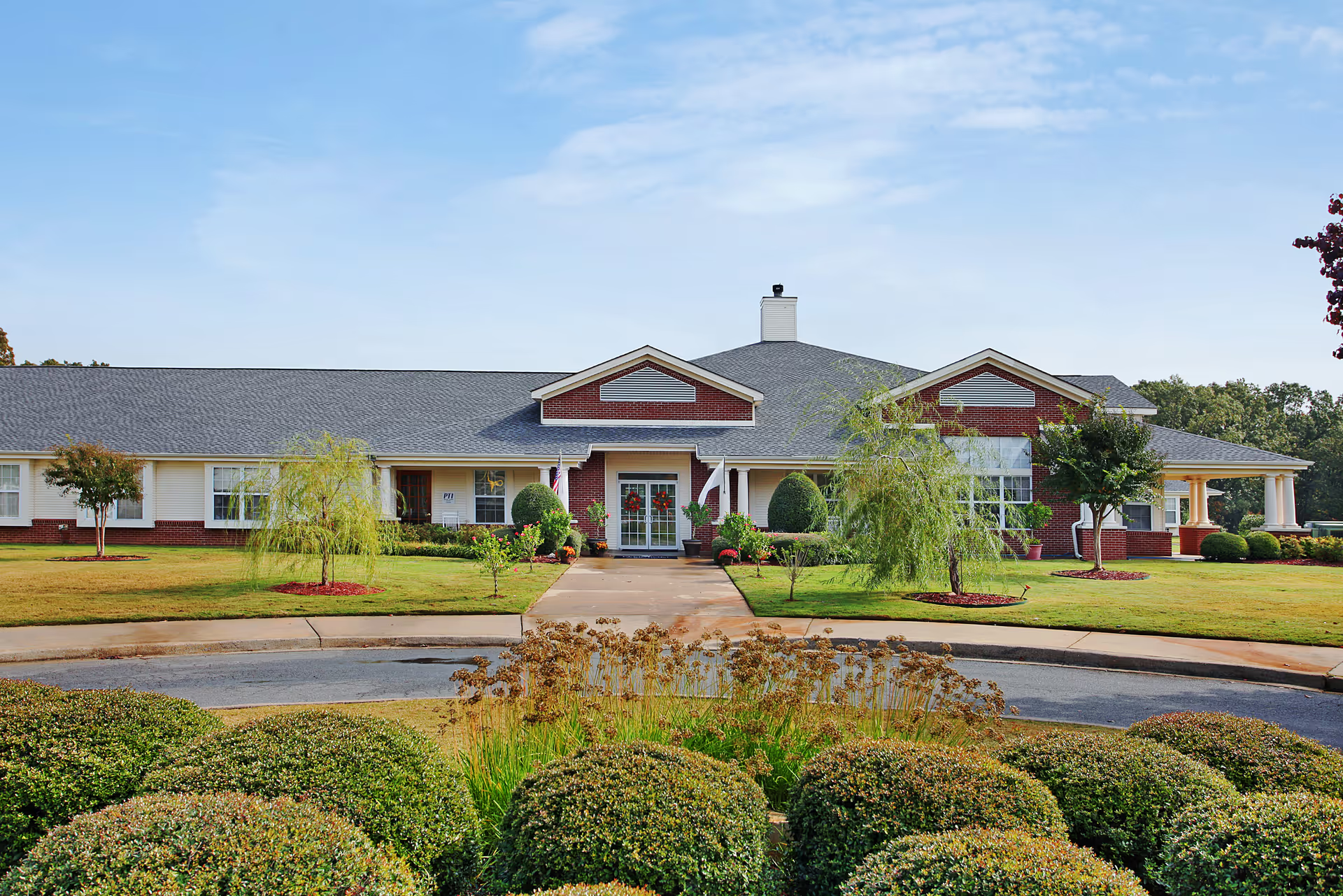
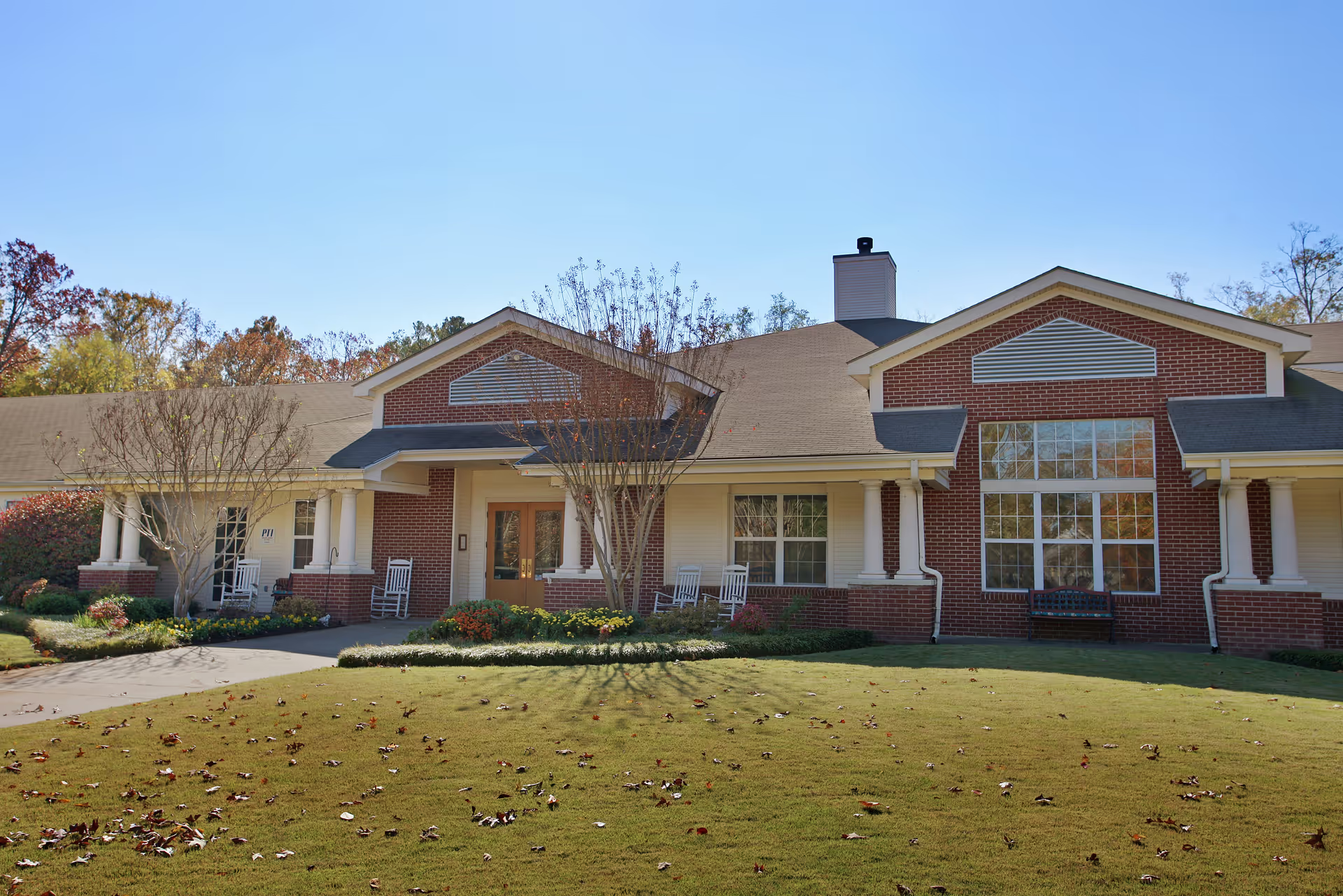
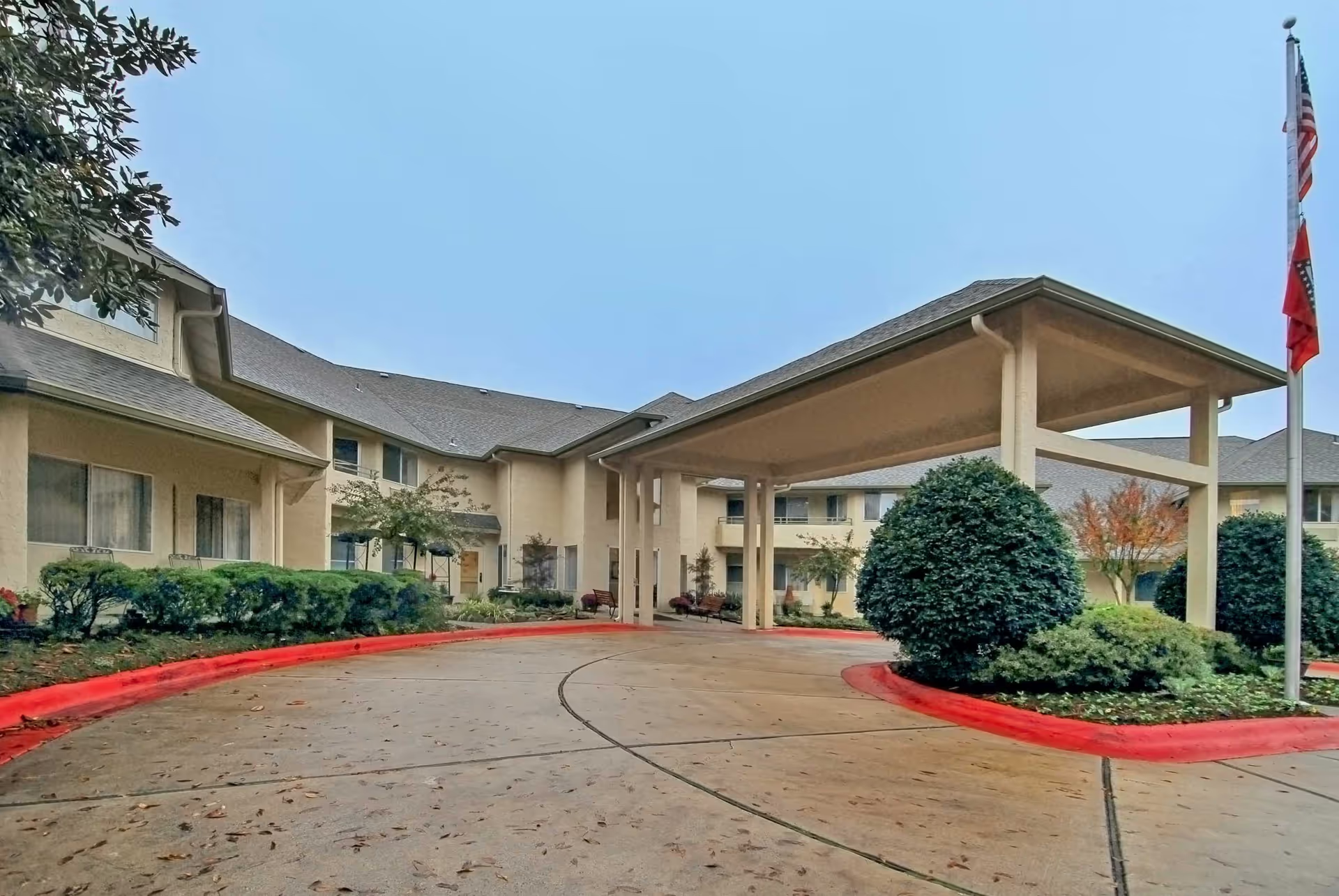
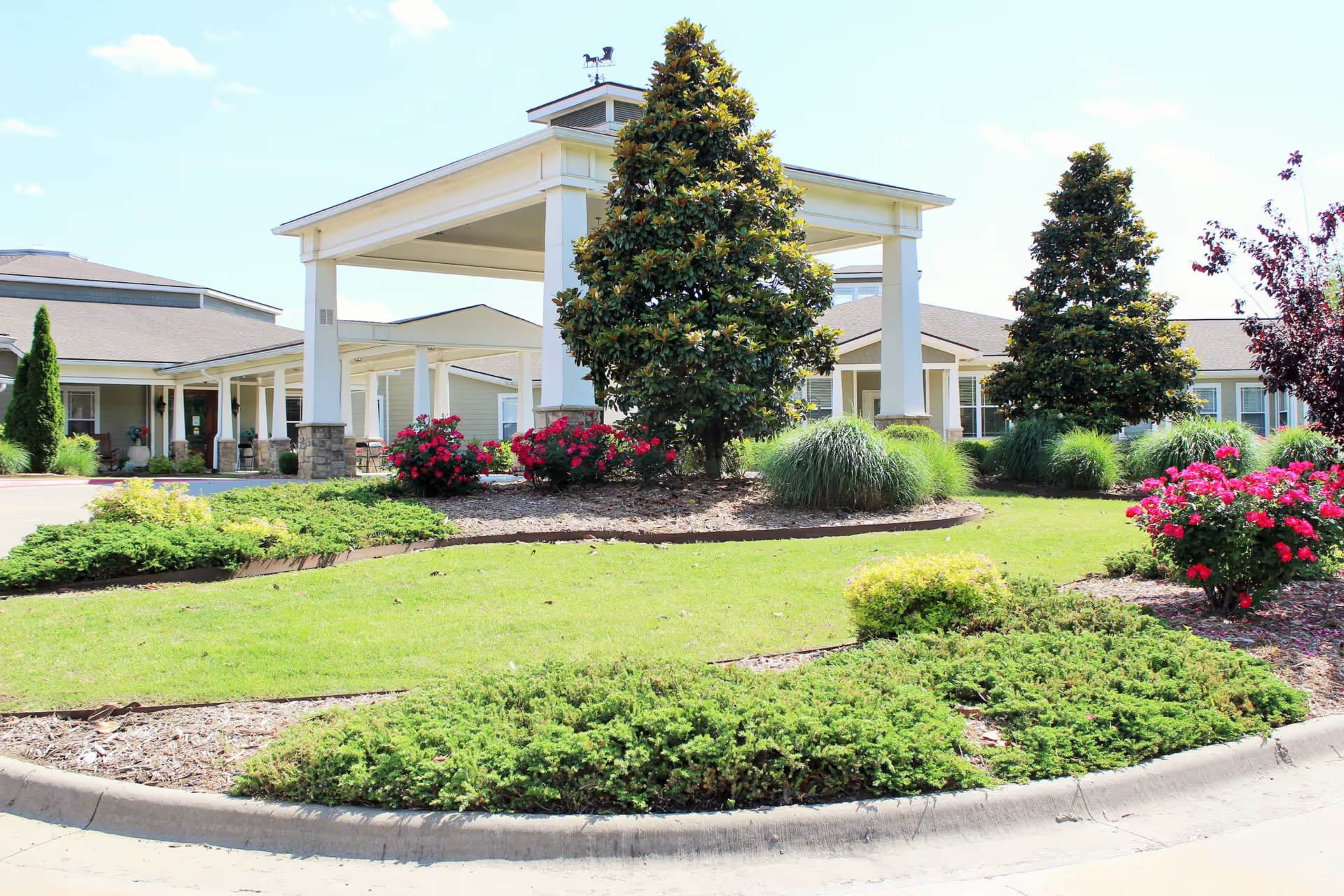
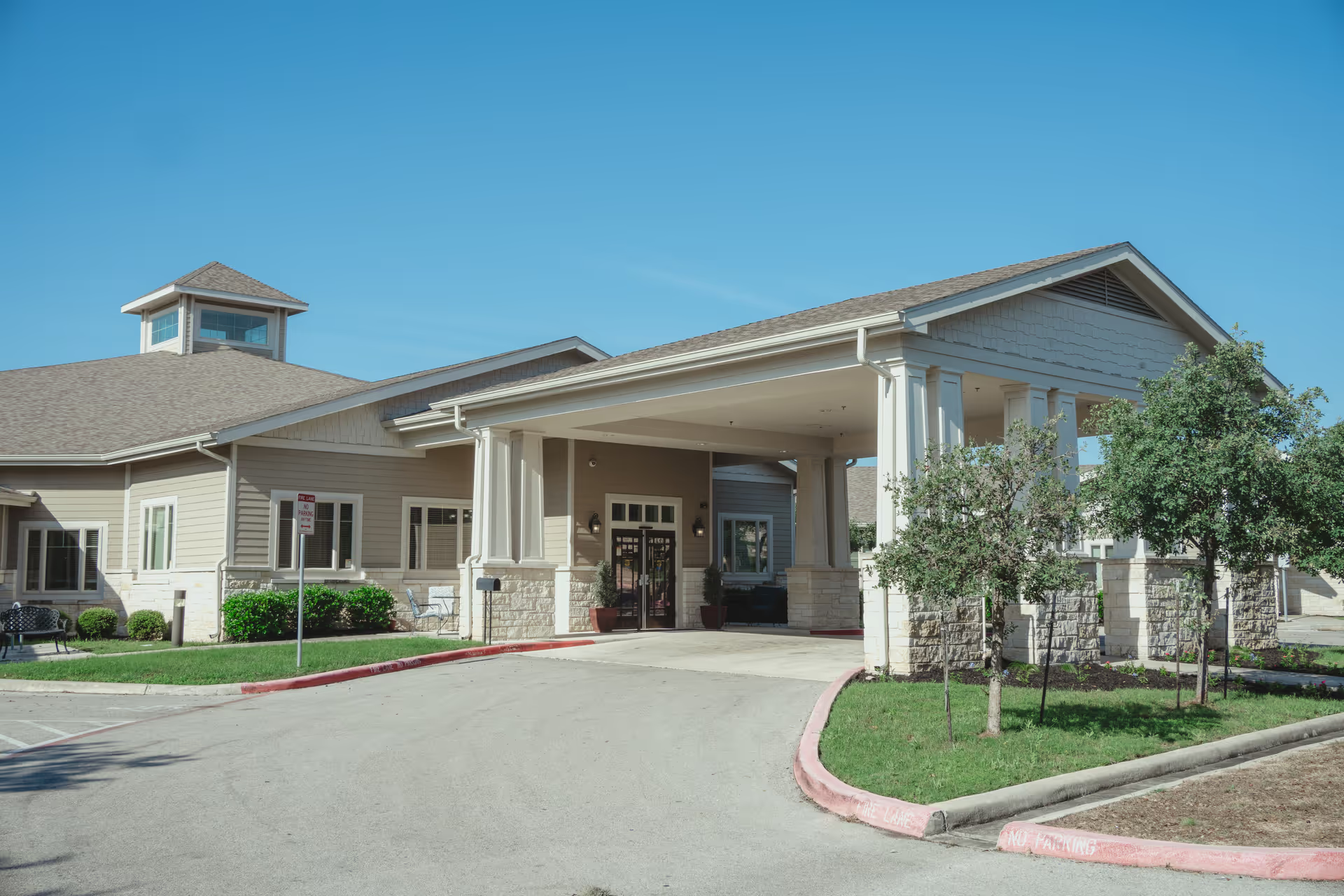
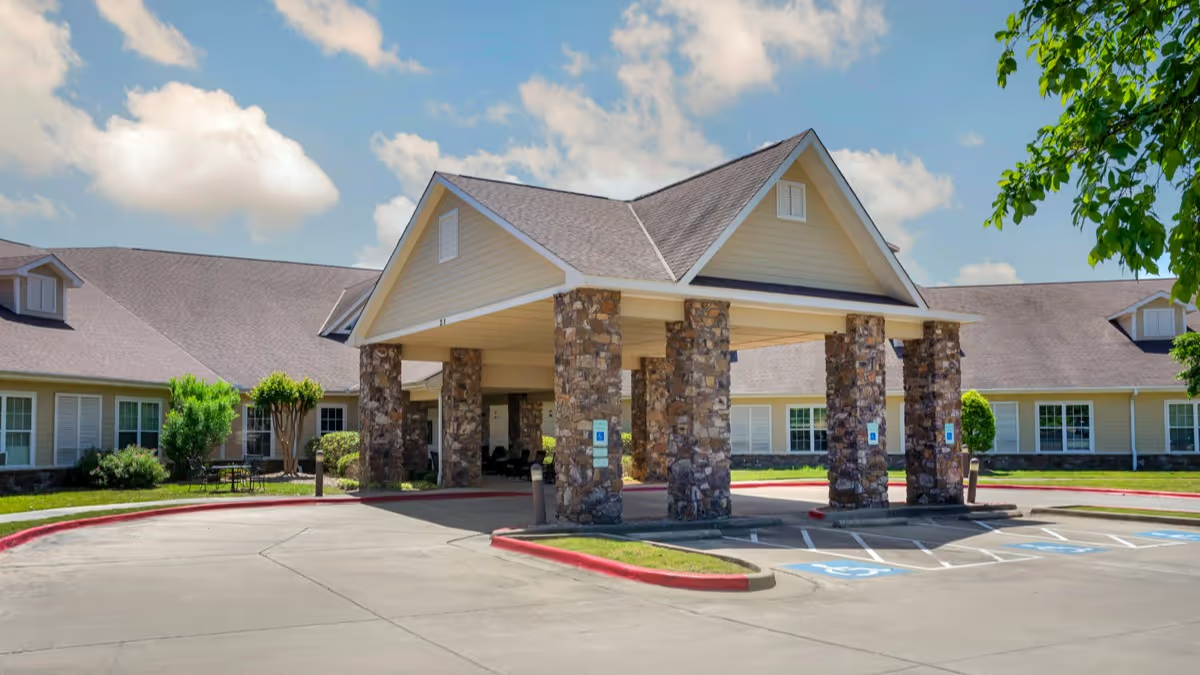
Facilities and maintenance: Many reviewers find the facility clean, bright, and comfortable, emphasizing accessible rooms and plentiful natural light. At the same time, other reports point to maintenance problems that affect comfort — examples include nonfunctional climate control, outdated equipment such as hand‑cranked beds, and localized odor concerns. These issues suggest uneven facility upkeep and a need for more consistent environmental maintenance.
Management and notable patterns: Review feedback indicates a dichotomy between strong frontline caregiving and uneven administrative or operational oversight. Positive narratives focus on compassionate direct care and individual staff members who provide exceptional attention. Negative narratives tend to cluster around responsiveness, maintenance, dining consistency, staff professionalism, and perceived favoritism. This pattern suggests that prospective residents and families may experience very different levels of service depending on timing, unit, or specific staff on duty.
Recommendations for evaluators: Families considering this facility should prioritize an in‑person visit during typical visiting hours, observe staff–resident interactions, review current room conditions and climate control, sample meals if possible, and ask about staffing ratios, maintenance schedules, and transfer‑safety protocols. Requesting recent inspection records and speaking with current families can help clarify whether the positive caregiving culture is being supported consistently by management and facility operations.