Greystone Nursing and Rehab presents a mixed but informative profile. Strengths most consistently noted relate to clinical rehabilitation, cleanliness, and individualized resident support. Multiple accounts highlight strong physical and occupational therapy services, attentive nursing and CNA care, and effective discharge and home-readiness assistance. The facility’s dining program receives positive mention for flexibility and willingness to accommodate alternate meal preferences. Several families and patients also praised language accommodations (notably German), family-inclusive communication, and supportive end-of-life care, suggesting capability in both culturally sensitive and palliative services.
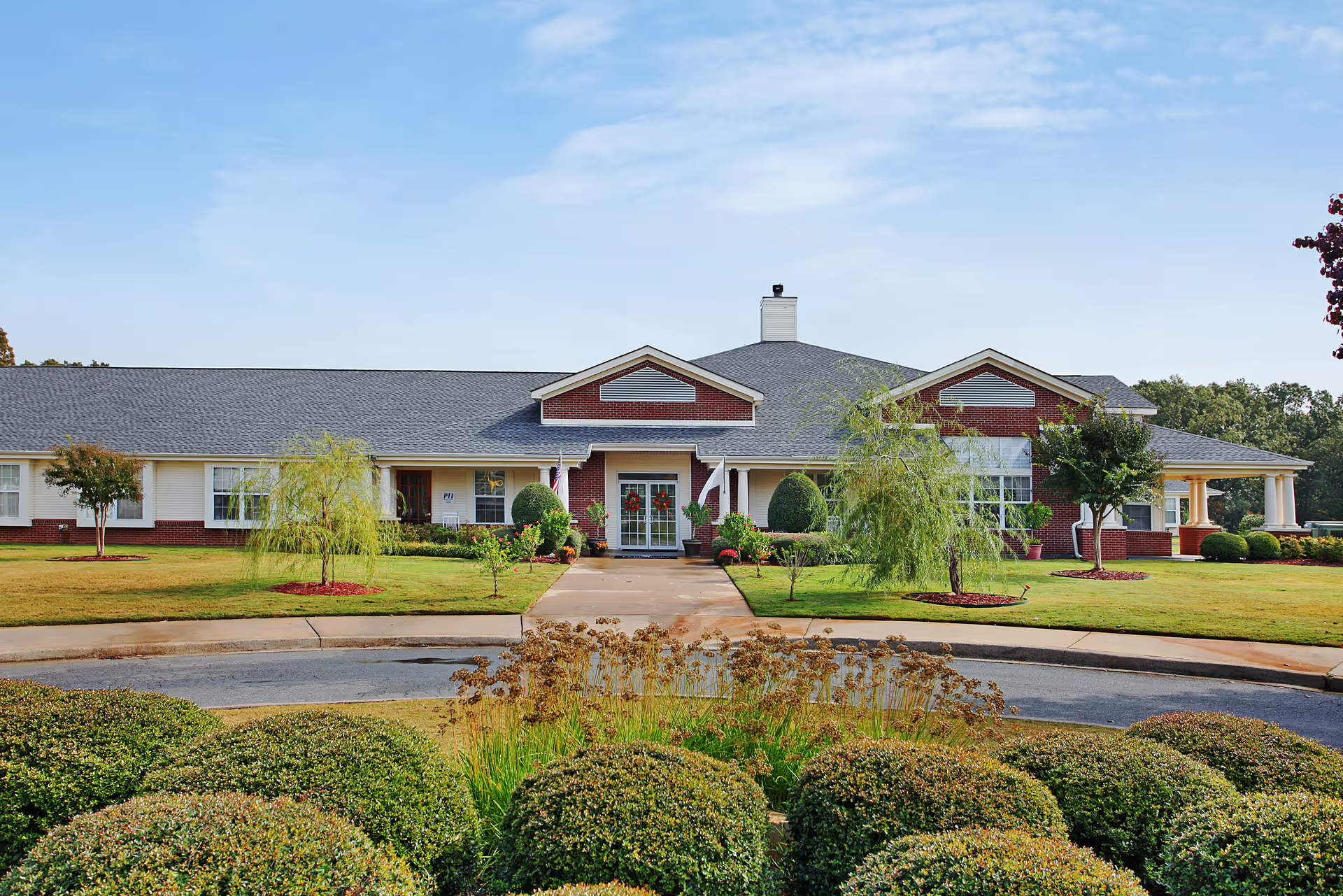
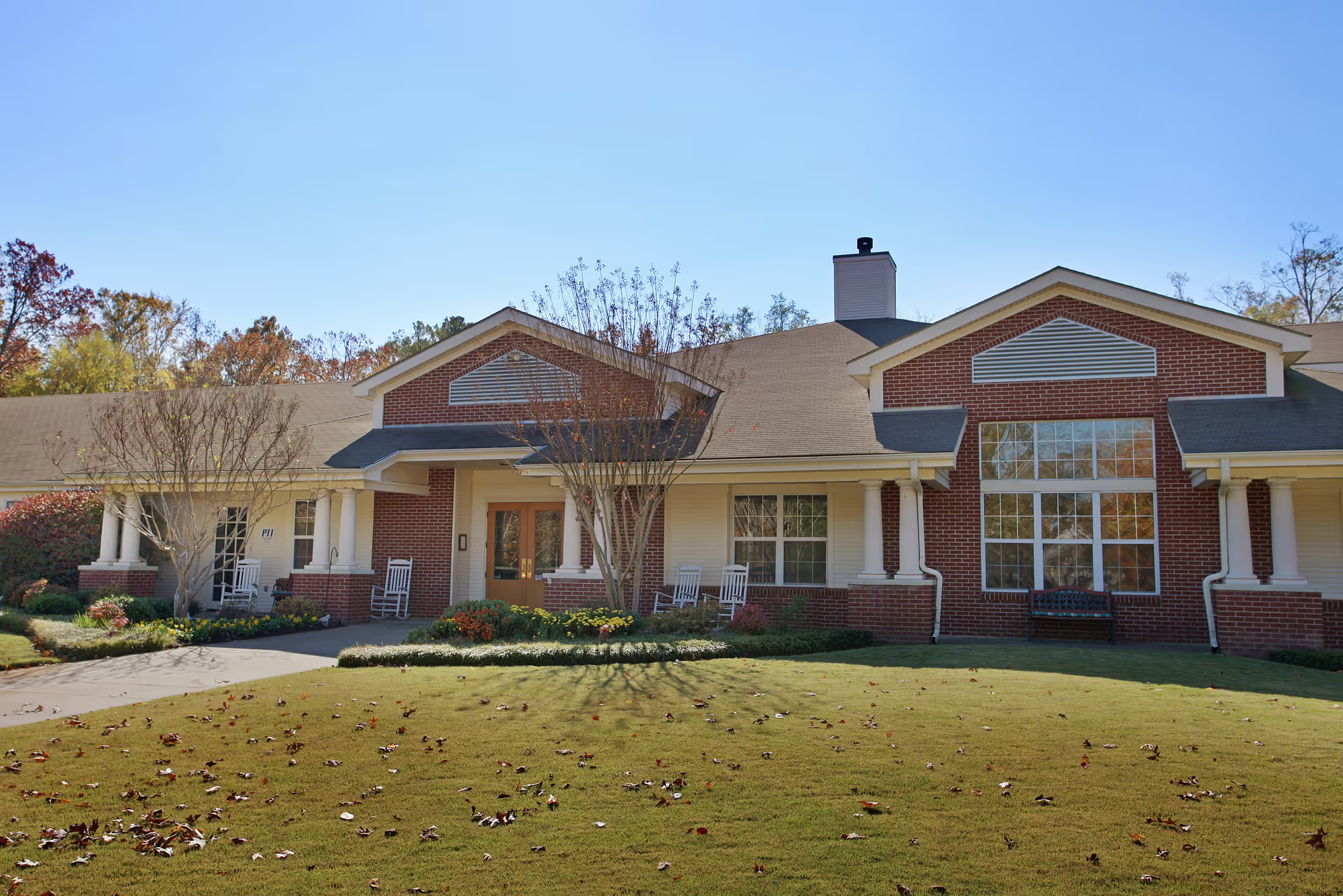
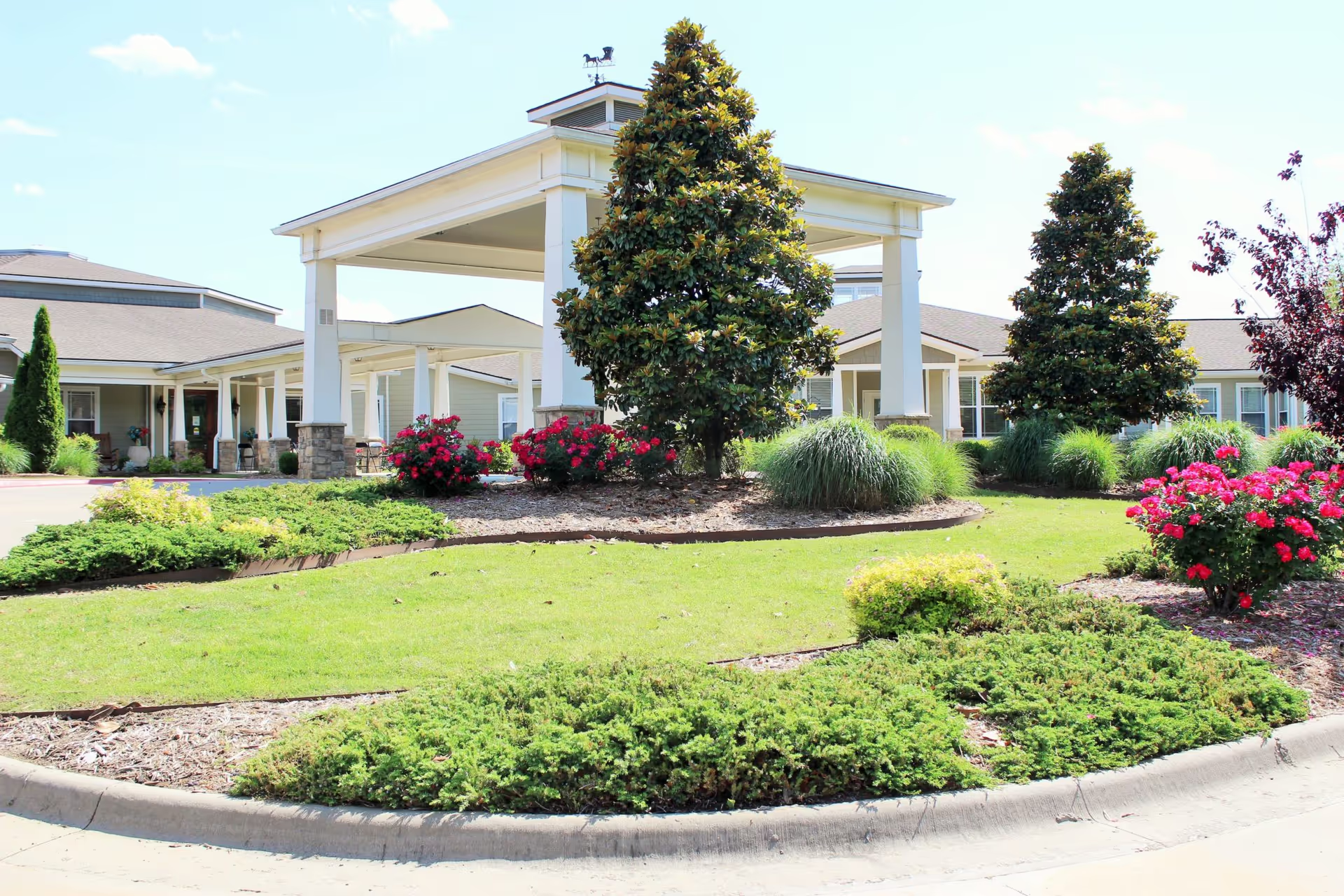
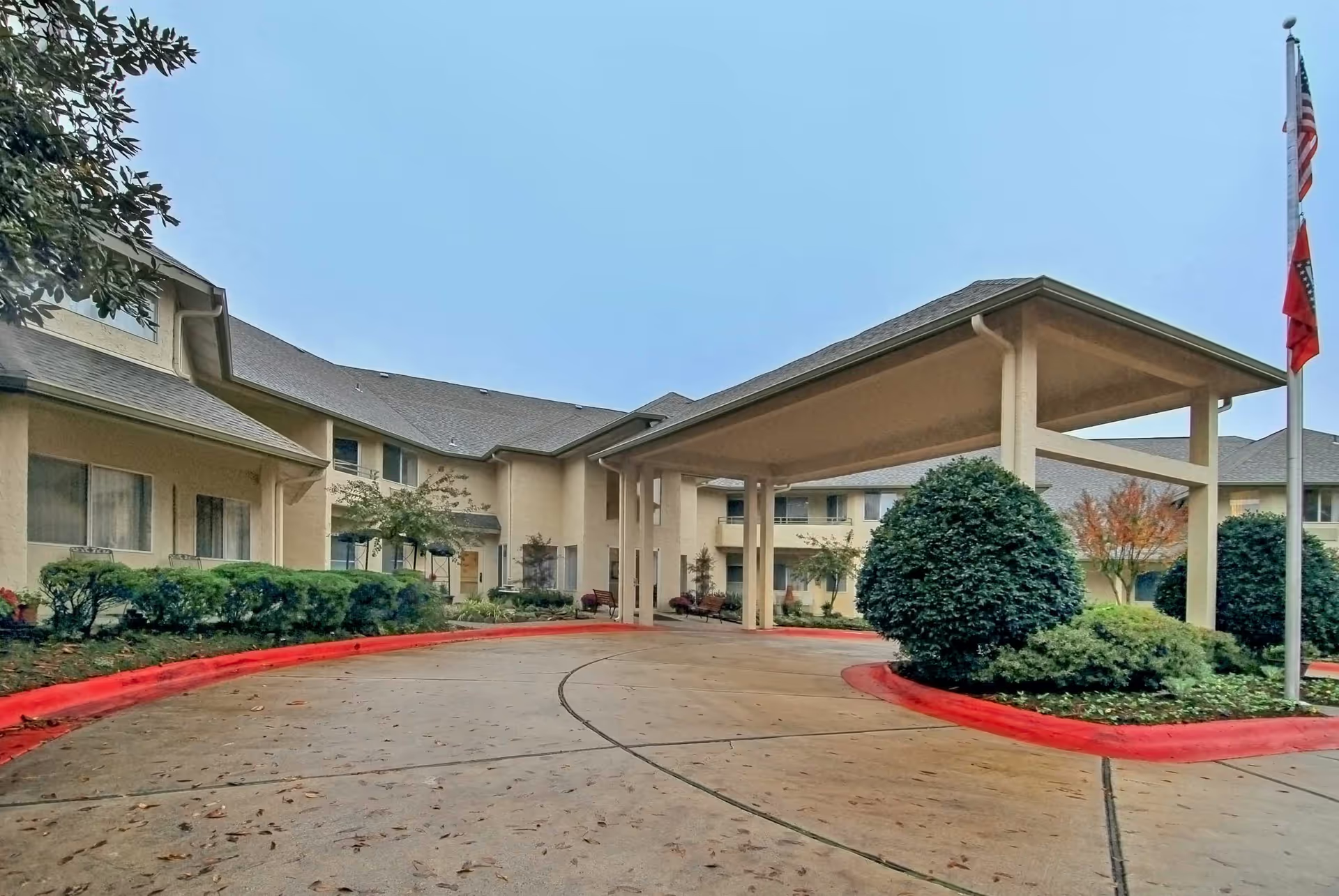
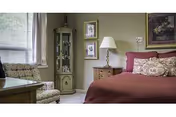
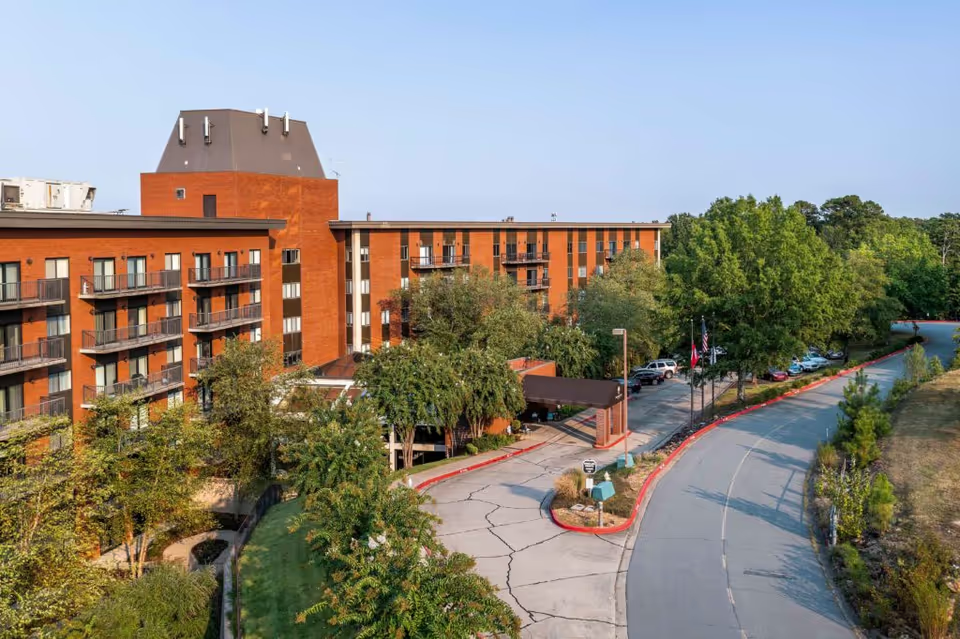
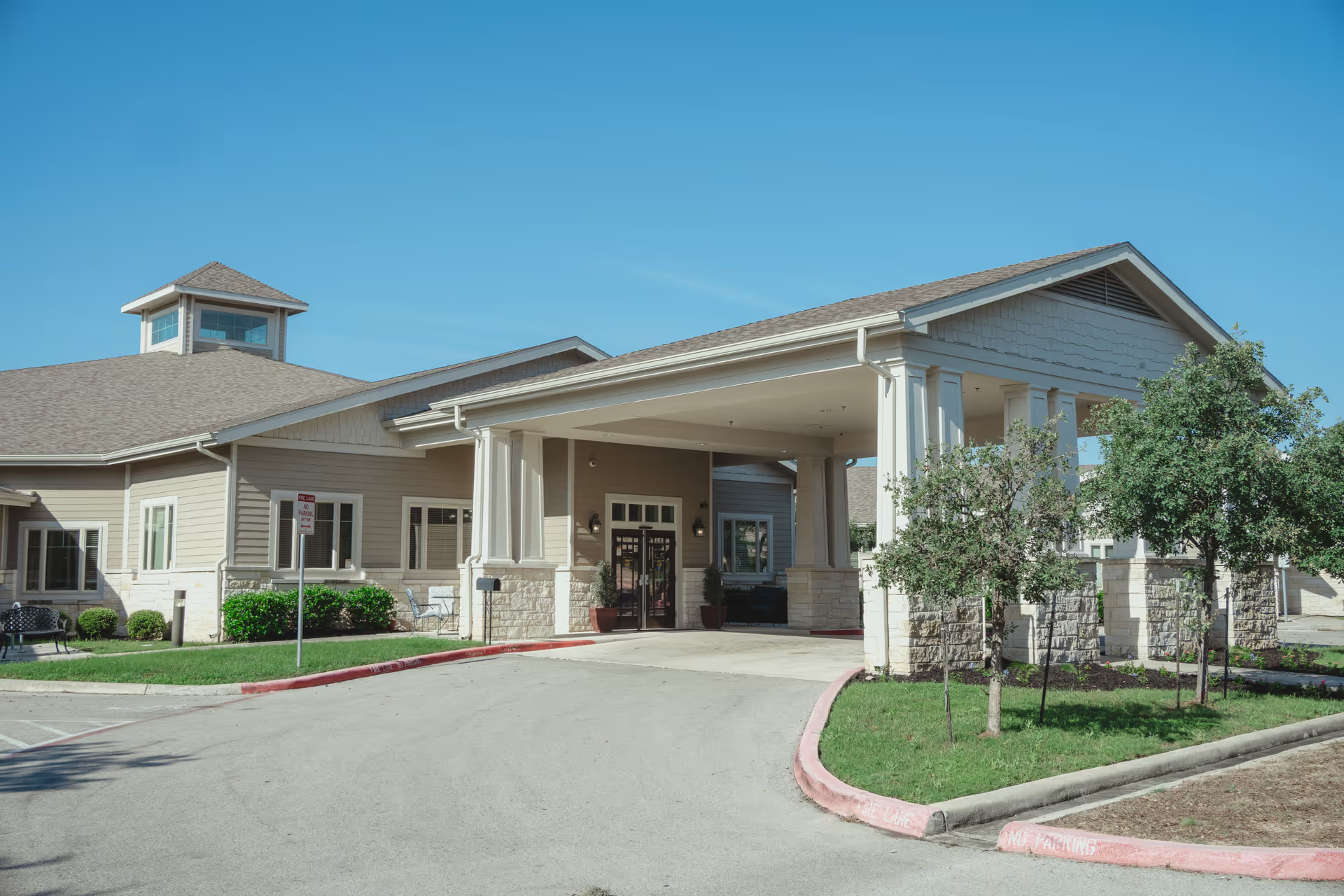
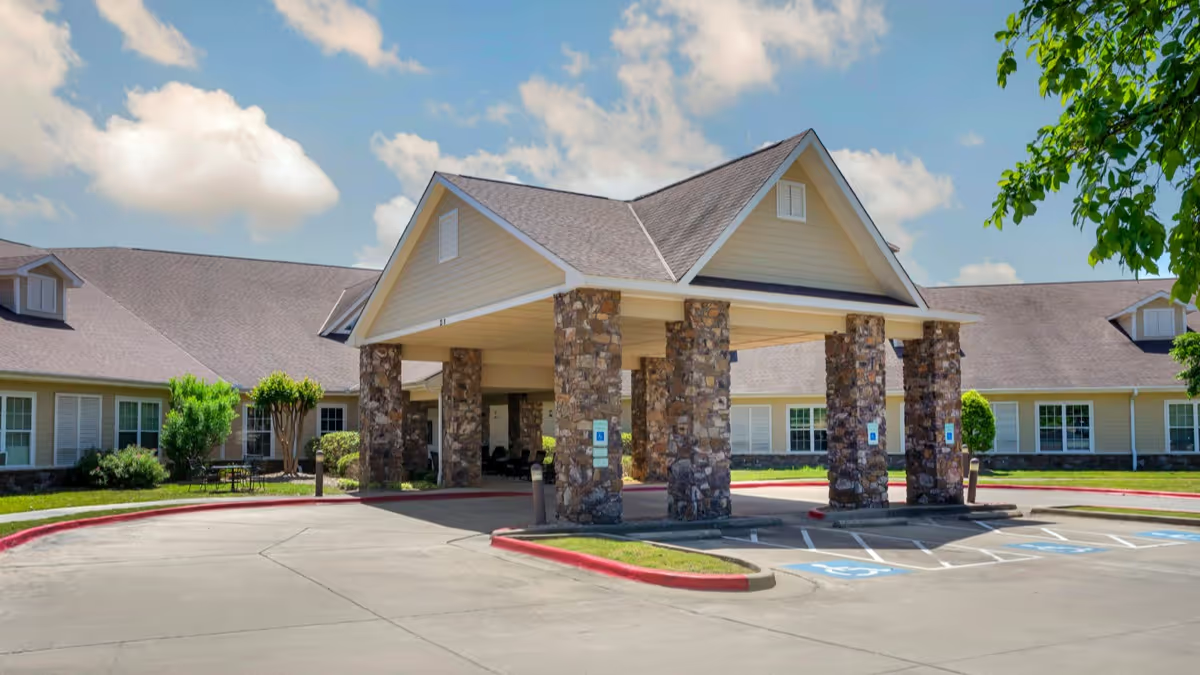
Facility upkeep and environment are clear positives. Reviewers described the building as clean, up-to-date, and undergoing tasteful remodeling; this contributes to an overall pleasant atmosphere. Social programming such as games and music, together with active therapy schedules, were noted as enhancing resident engagement. The night shift is frequently described as particularly attentive and reliable, and some reviewers emphasized consistent care continuity and staff who take extra steps to facilitate transitions home.
Counterbalancing these strengths are several operational concerns that prospective residents and families should weigh. There appears to be variability in daytime staffing performance and responsiveness — examples included delayed assistance with toileting and call-light response — which raises the broader issue of inconsistent care availability across shifts. Relatedly, reviewers expressed concerns about conduct during personal-care interactions and handling during transfers; these indicate potential gaps in dignity-preserving protocols and transfer-safety practices rather than isolated scheduling issues. Communication from facility management was another recurring theme: families reported inconsistent callbacks and uneven information flow about clinical changes, which can complicate care coordination.
Medication and care-plan practices also showed variability. Some accounts describe effective medication-review and adjustment processes that improved alertness and comfort, while others raised concerns about initial medication choices and the need for subsequent revisions. This pattern suggests the facility can manage medication appropriately but may have uneven implementation or oversight in some cases.
In sum, Greystone offers noteworthy strengths in rehabilitation, cleanliness, and family-centered practices, with particular commendation for certain staff teams and night-shift responsiveness. However, operational inconsistencies — especially daytime responsiveness, transfer-safety practices, staff conduct variability, and communication follow-through — emerge as the primary areas of concern. Prospective residents and families would benefit from on-site observations across different shifts, asking specific questions about transfer protocols, staffing ratios, medication-review procedures, and how the facility handles dignity and incontinence-care needs, as well as confirming available language supports and end-of-life services.