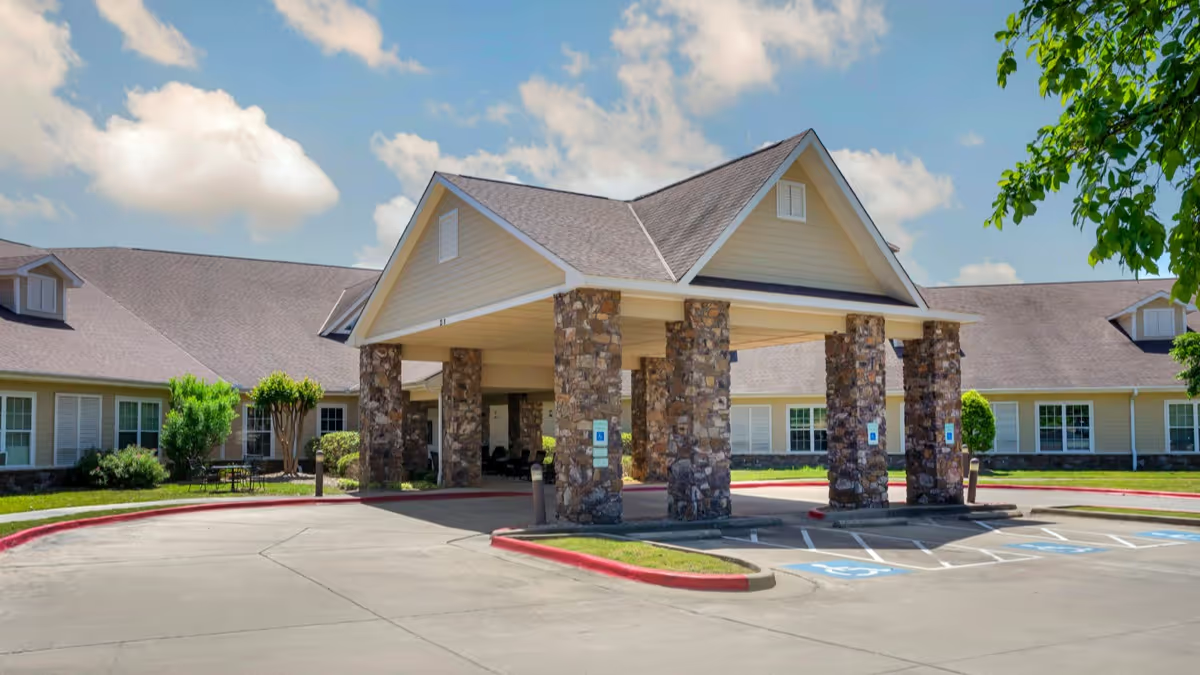
Spring Creek Health & Rehab elicits a mix of strong praise and consistent operational concerns. The facility receives clear commendation for its rehabilitation services: physical and occupational therapy are frequently described as effective, encouraging, and instrumental to patient progress. Several individual therapists and caregivers were named for exceptional performance, and families often highlighted thoughtful care coordination that assisted with appointments, insurance communication, and transitions from hospital to facility.
Staff interactions are a dominant theme. Many accounts describe nursing, therapy staff, social work, and selected aides as compassionate, attentive, and family-oriented—providing emotional support, responsive communication, and quality end-of-life care. At the same time, reviewers describe variability in direct-care performance and morale across shifts: while some staff are characterized as highly capable and nurturing, others are perceived as less engaged or slower to respond. This variability appears linked to inconsistent staffing levels and turnover.
Clinical and safety patterns merit attention. Multiple descriptions point to delayed responses to call systems, missed rounds, and at least a few instances of slow emergency escalation; these suggest systemic gaps in call-response protocols and emergency coordination. There are also recurring concerns about medication timing and chronic-condition monitoring (for example, blood-pressure and hypoglycemia follow-up), which indicate opportunities to strengthen clinical oversight, handoffs, and monitoring procedures.
Dining and housekeeping are mixed. Several families praised food and communal dining experiences and noted that meals and activities improved mood and socialization. Others described inconsistent meal quality, cold or simplified weekend menus, and limited heart-healthy options. Housekeeping and laundry practices receive both positive and critical comments: common areas and many rooms are described as clean, yet there are repeated mentions of infrequent linen changes, odor concerns in certain zones, spot cleaning issues, and pest-control concerns that should be addressed through standardized environmental services practices.
Facility maintenance and environment show uneven performance. Positive remarks reference a pleasant location and well-kept common spaces, while negative items include HVAC and comfort issues (hot or stuffy rooms, noisy heaters), occasional room flooding or maintenance delays, and smoke drift from outdoor smoking areas. These point to opportunities for preventive maintenance and environmental controls to improve resident comfort and infection-control standards.
Management and communication present a split picture. Families have praised specific administrators and office staff for helpfulness and proactive billing/accounting assistance; named social-work and therapy staff also receive consistent recognition. Conversely, there are frequent comments about slow or unsatisfactory responses to complaints, phone-line difficulties, billing confusion, and inconsistent front-desk hospitality. Several reviewers described lost or mishandled personal items and billing in a resident’s name, indicating a need for stronger inventory controls and clearer billing processes.
Overall, Spring Creek demonstrates clear strengths in rehabilitation, individualized compassionate care, and certain administrative supports. However, persistent operational themes—staffing variability, call-response and emergency coordination gaps, inconsistent clinical monitoring, environmental maintenance, meal consistency, and sanitation/pest-control issues—emerge across accounts and would be the appropriate focus areas for quality improvement if a prospective resident or family prioritizes reliability and consistency of day-to-day care.