Reviews indicate a facility with several clear strengths alongside recurring operational weaknesses. Many families praise the direct-care teams: nurses, CNAs, and therapists are frequently described as compassionate, engaged, and effective in helping residents regain strength. Staff-driven family communication — including photos and FaceTime calls — is noted as a meaningful positive, and the facility offers conveniences such as a free shuttle and accessible social/outdoor spaces that support resident engagement when programming is available.
Clinical care is uneven. Positive rehabilitation outcomes and attentive nursing care coexist with reports of lapses in clinical documentation and follow-up after incidents. Several accounts describe delays in clinical responsiveness (including physician follow-up) and concerns about how some clinical events are recorded and communicated. Infection-control weaknesses are a recurrent theme; reviewers describe patterns of respiratory illness spread and related hospital transfers, which families should evaluate carefully when considering placement.
Staffing and workplace culture present mixed signals. While many reviewers singled out individual staff members and therapy teams for praise, others described variable caregiver performance, notable CNA turnover, and morale issues. There are also allegations of retaliatory management practices affecting staff retention; these claims suggest workforce instability that can affect continuity of care. Communication and escalation processes between families, the nursing leadership, and external providers (for example hospice) are also described as inconsistent, with some families reporting difficulty reaching decision-makers or receiving timely updates.
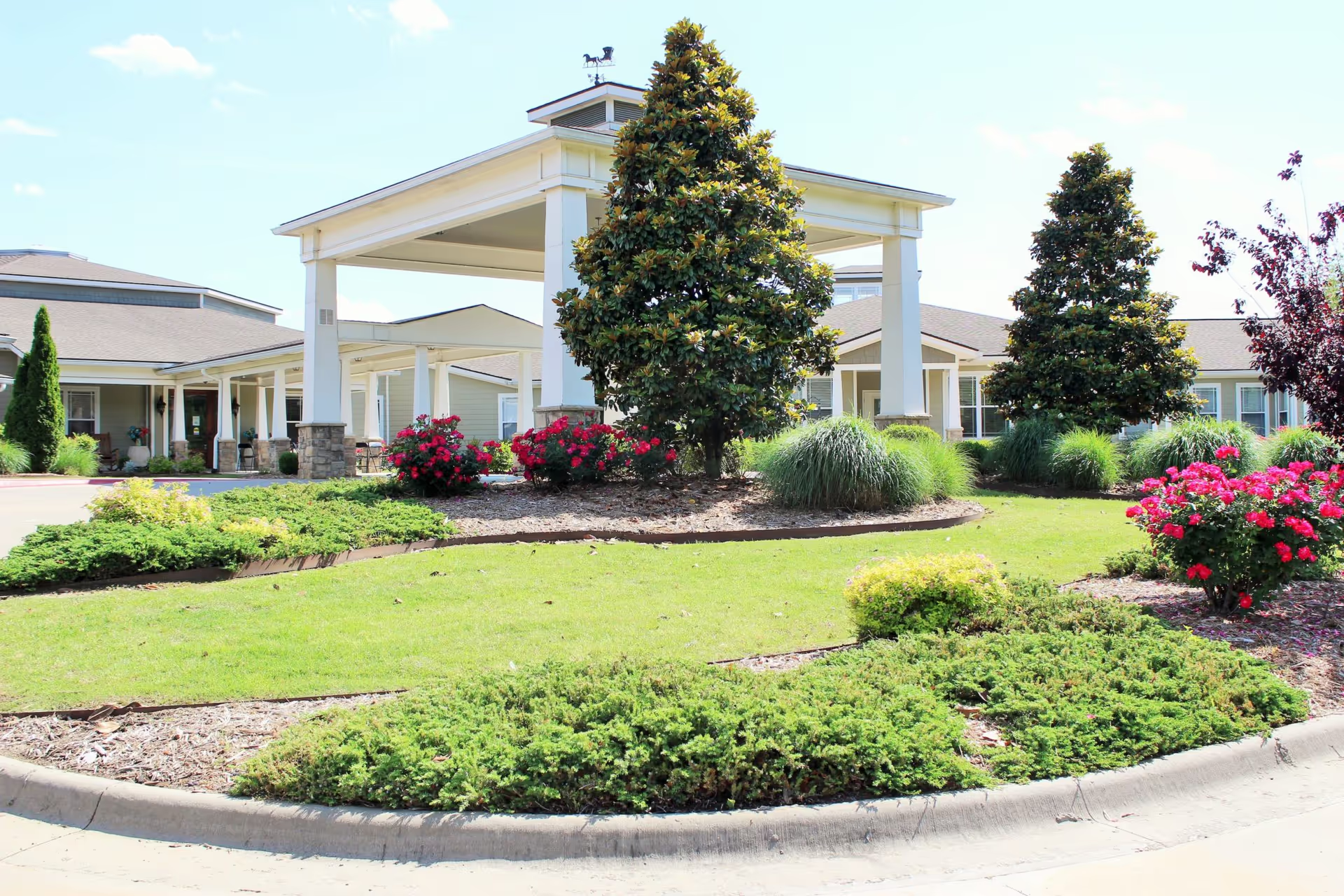
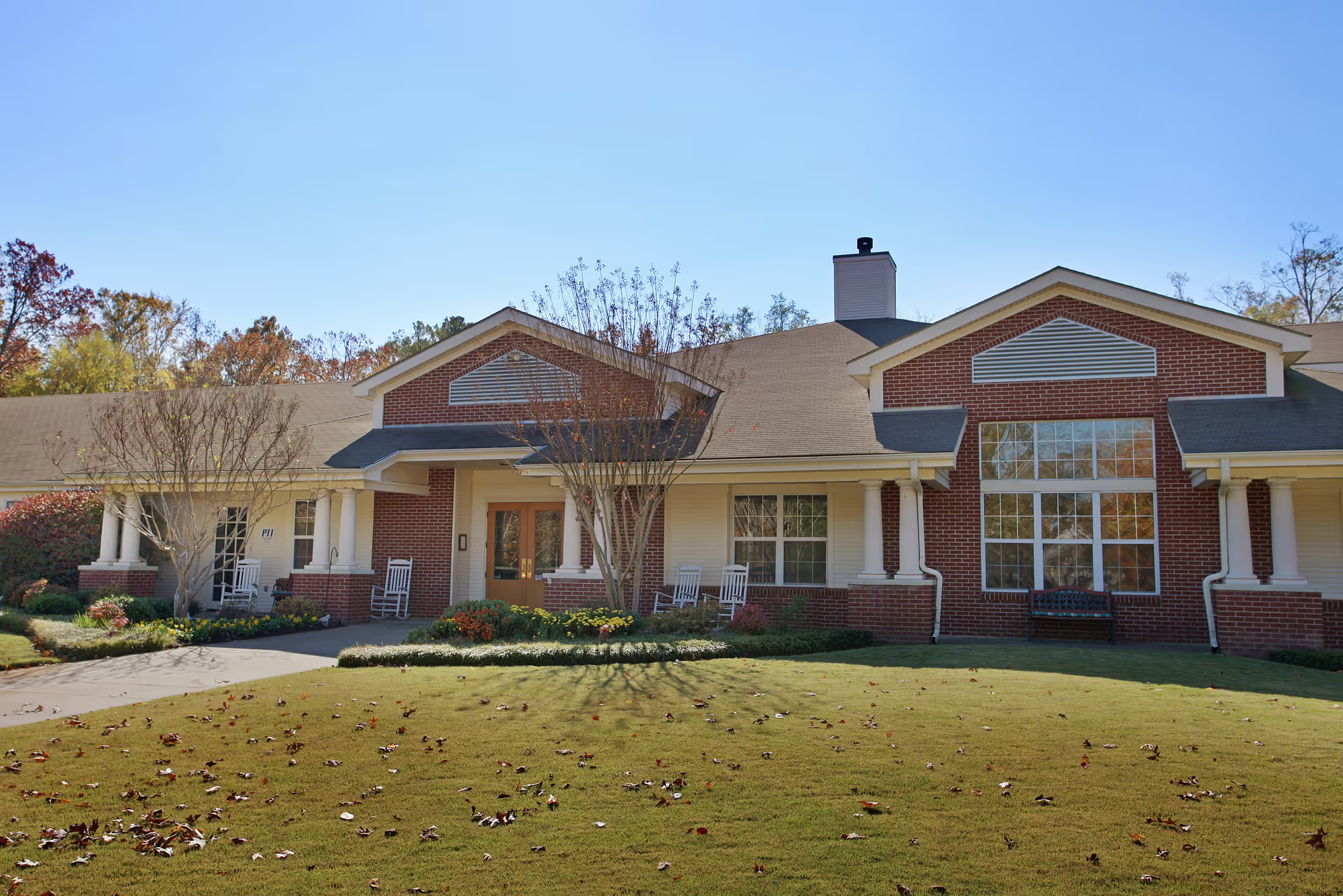
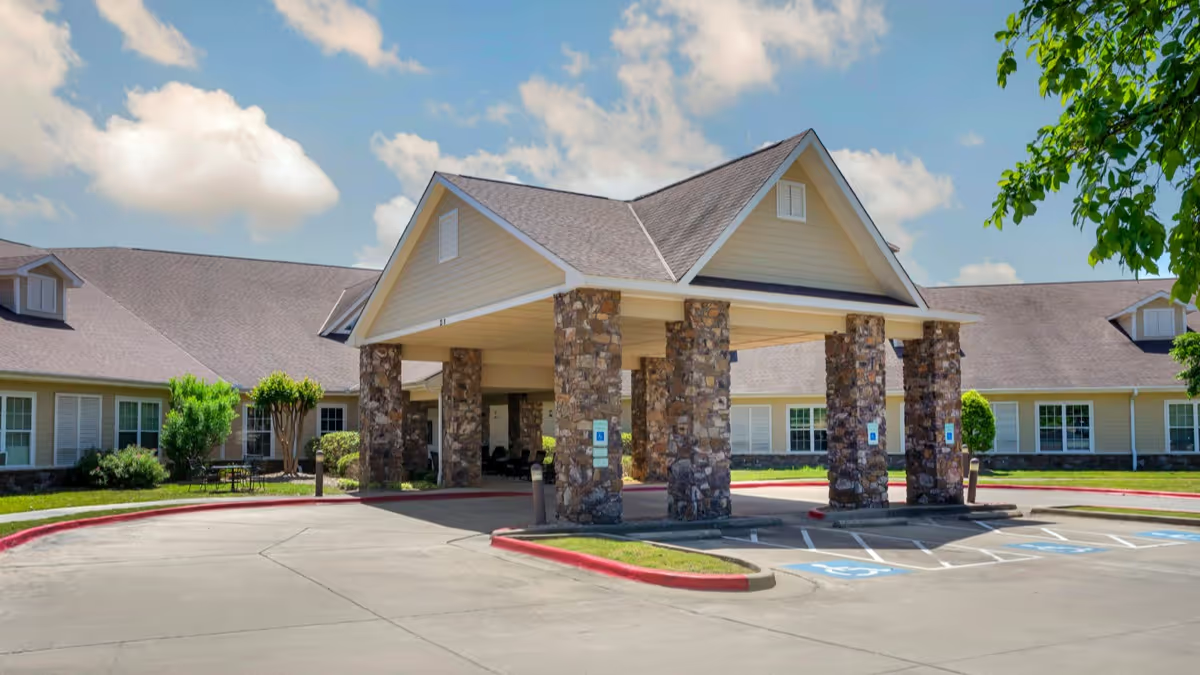
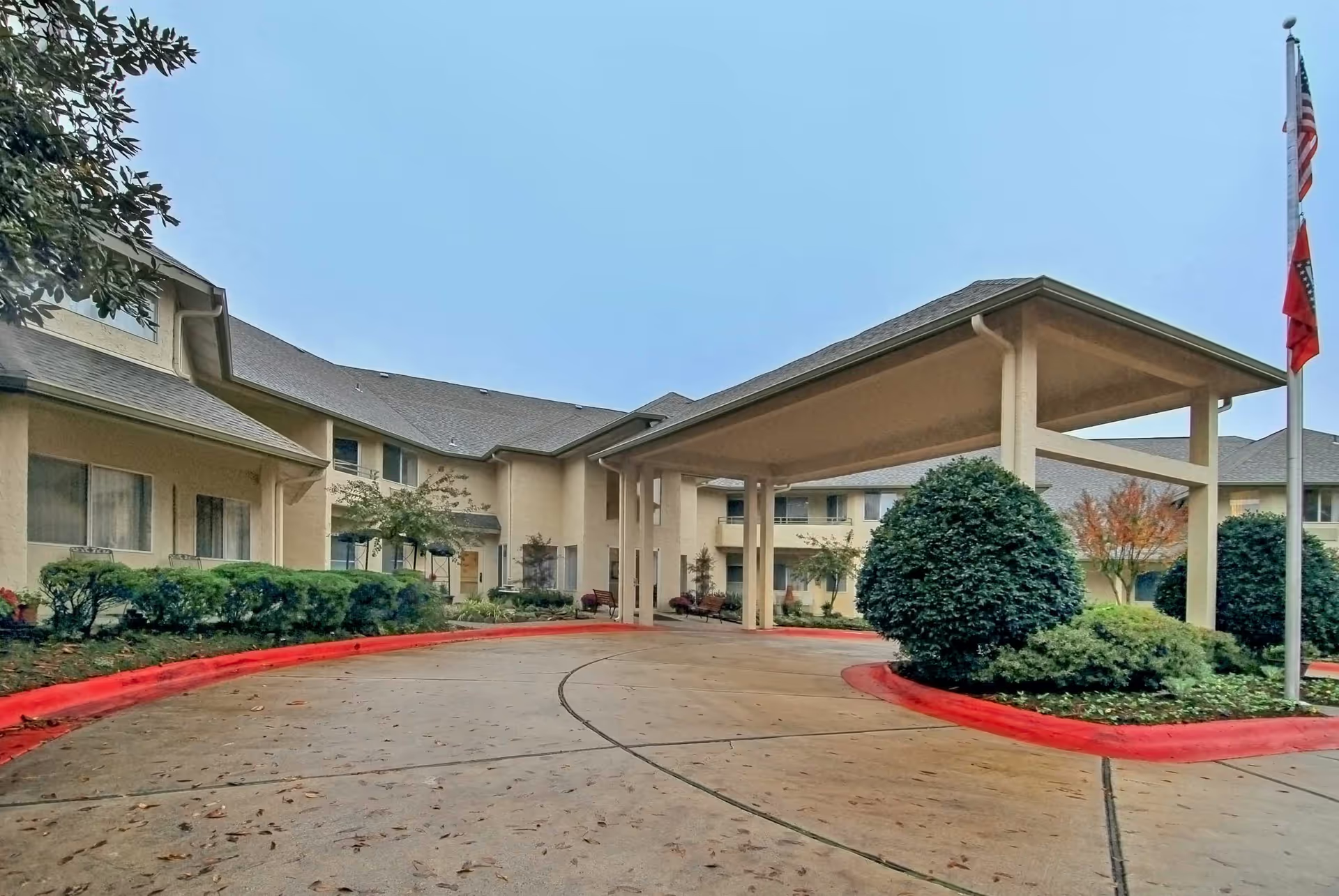
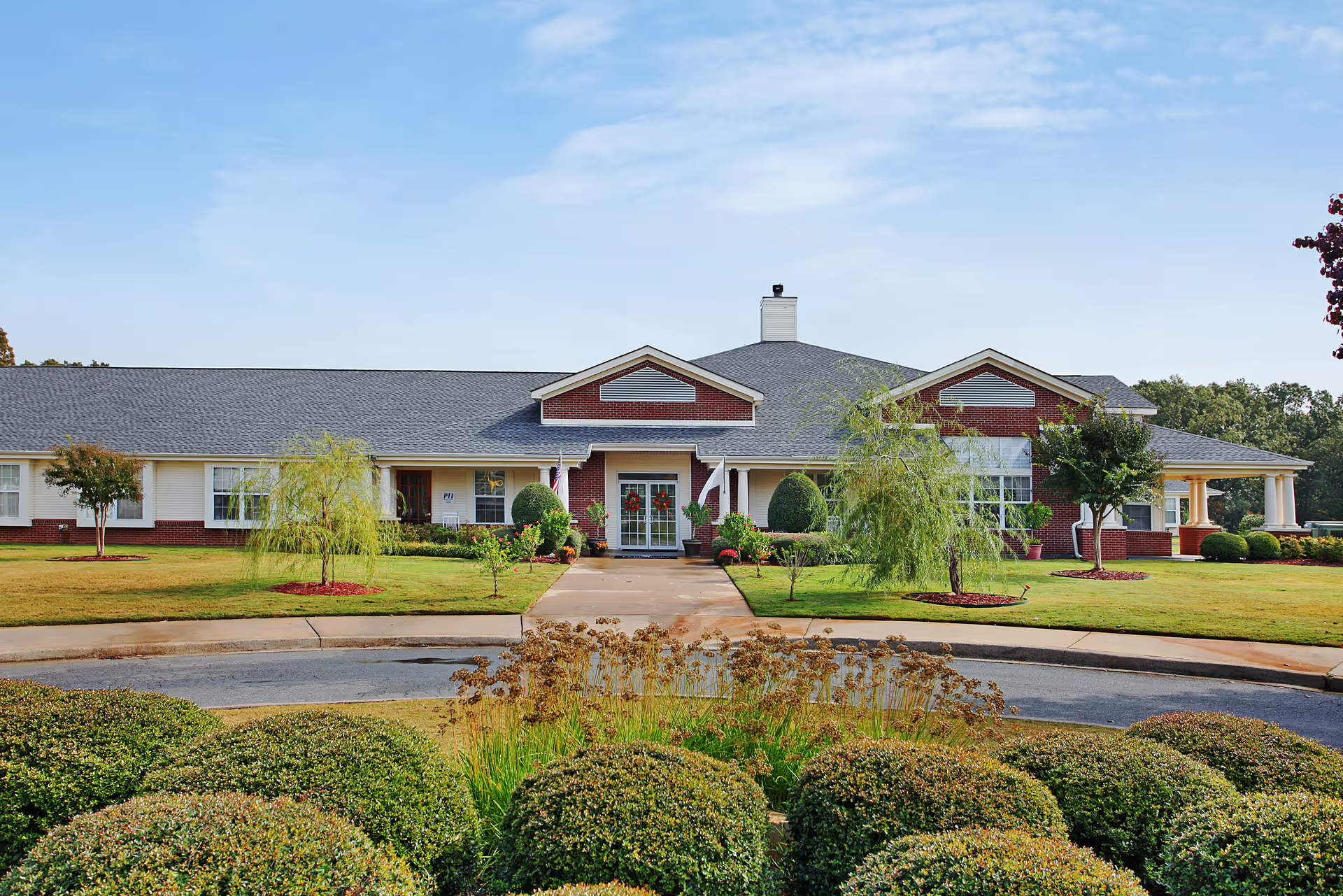
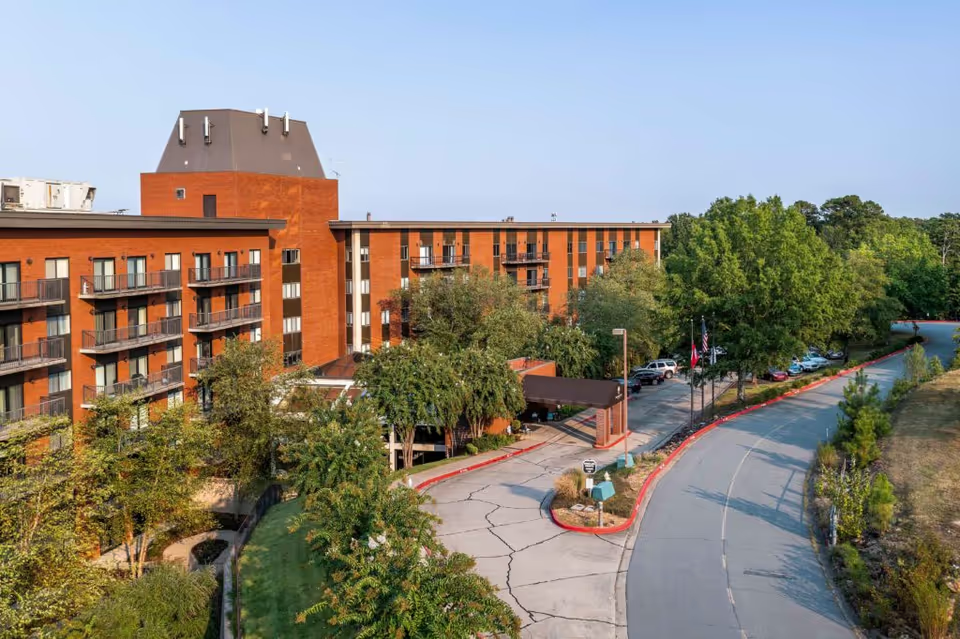
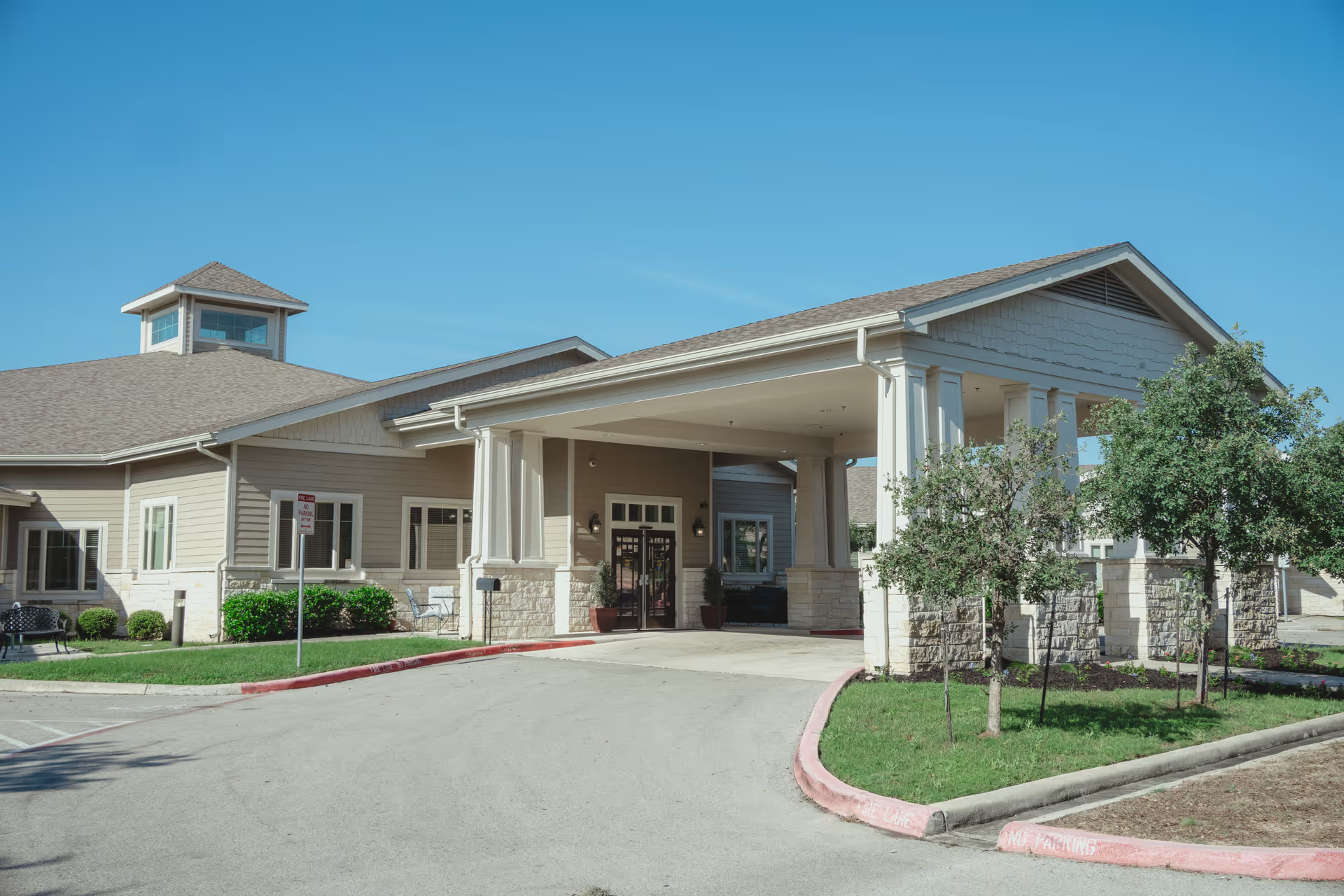
Facility condition and daily life are similarly mixed. The building includes spacious common areas and usable outdoor spaces that support group activities; at the same time, portions of the facility and some resident rooms are characterized as aged, with localized odor concerns and sanitation issues (including clothing mildew cited in one account). Activity programming is available (movies, games, social spaces), but several reviewers found it limited or inconsistently delivered, particularly for memory-care residents. Dining quality appears variable: some meals are praised while others are described as poor or inconsistent.
Taken together, the pattern suggests Conway Healthcare & Rehab can deliver strong hands-on care and family-oriented communication in many cases, supported by useful amenities like transportation and communal spaces. However, prospective residents and families should probe operational areas where multiple reviewers identified recurring issues: cleanliness and infection-control practices, clinical documentation and incident follow-up, staffing stability, and management communication/escalation procedures. When evaluating the facility, consider asking for recent infection-control audits, staffing ratios and turnover data, sample activity calendars for memory care, examples of clinical-incident documentation practices, and an opportunity to observe mealtime and common-area conditions during a visit.