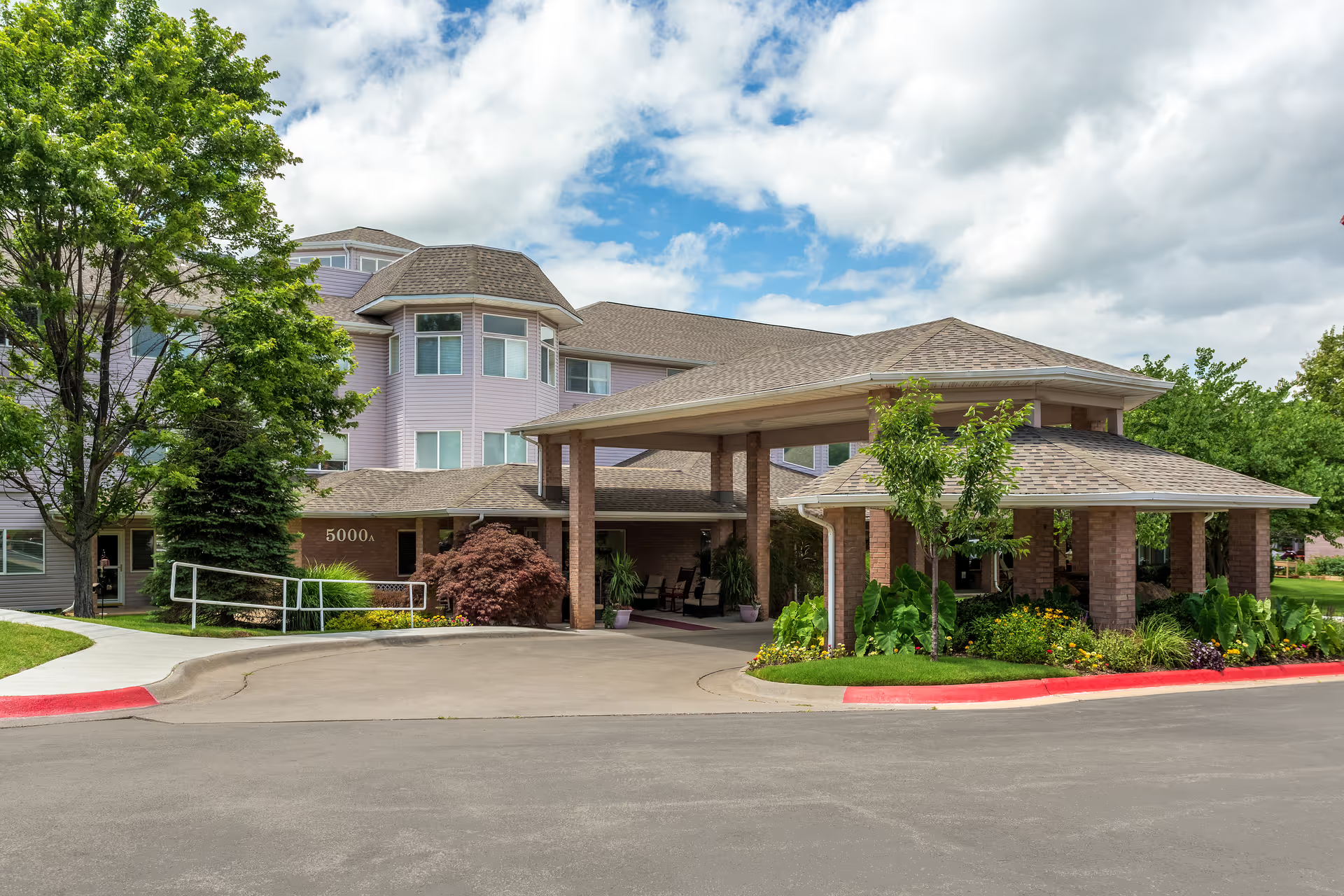
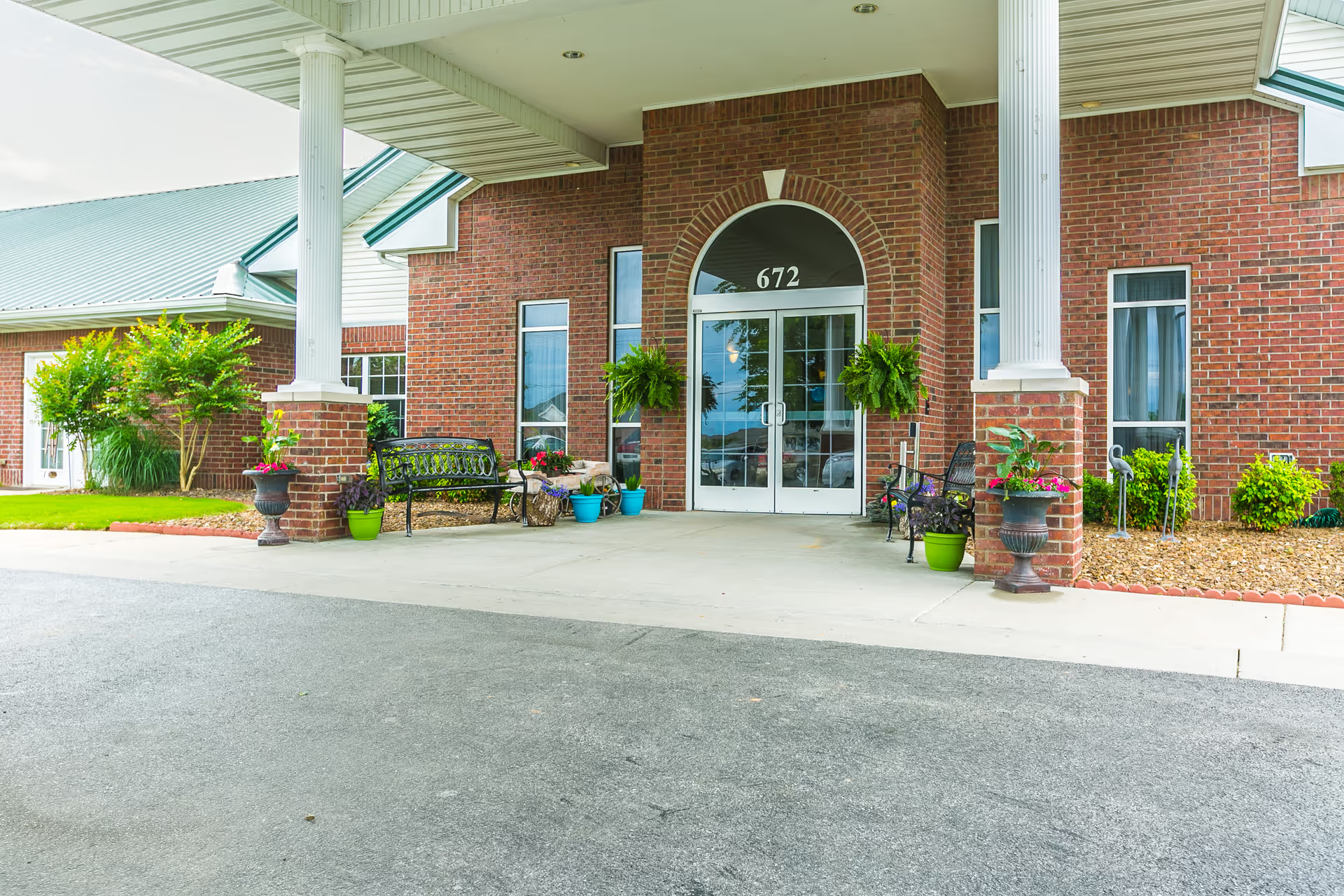
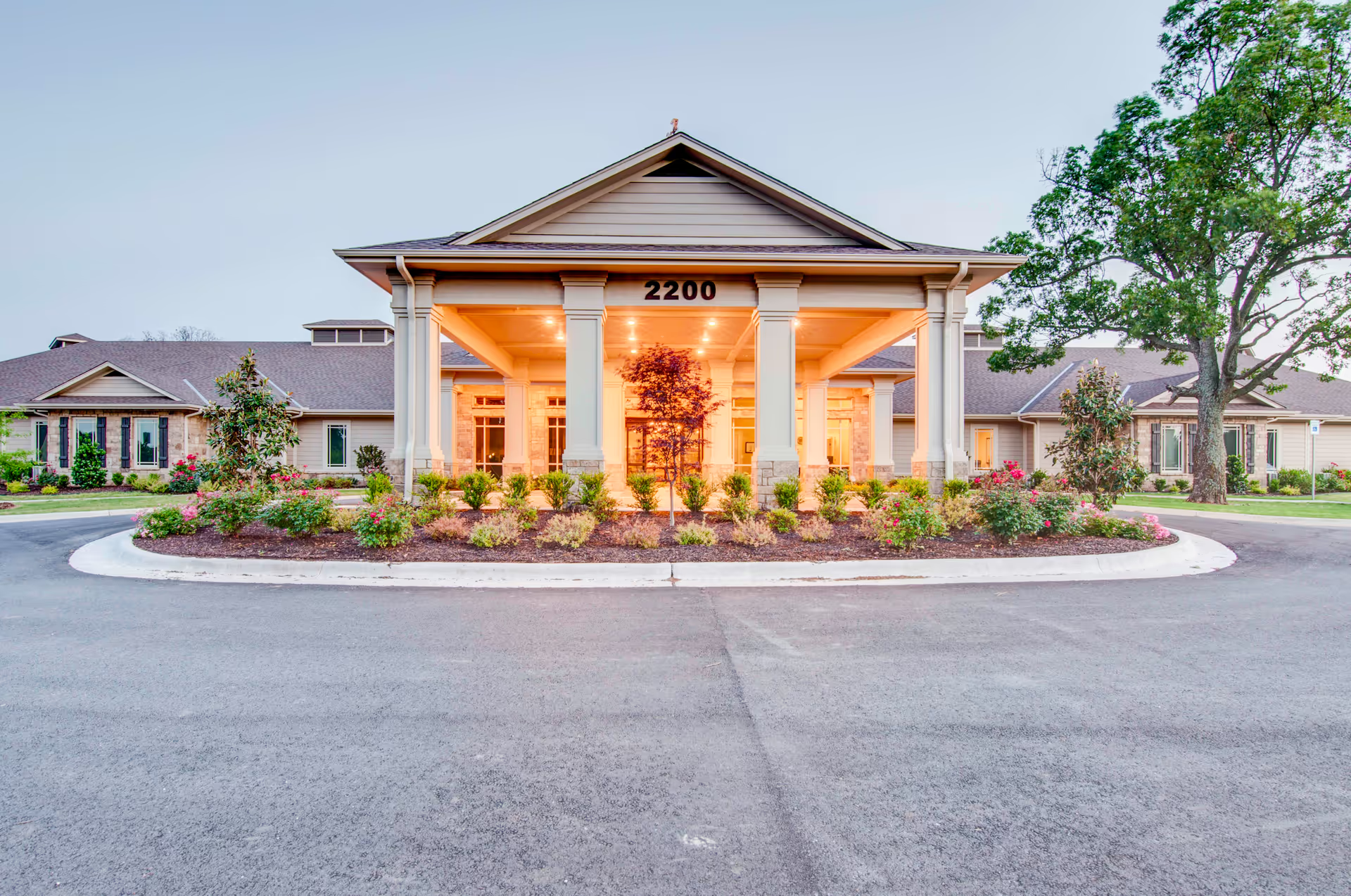
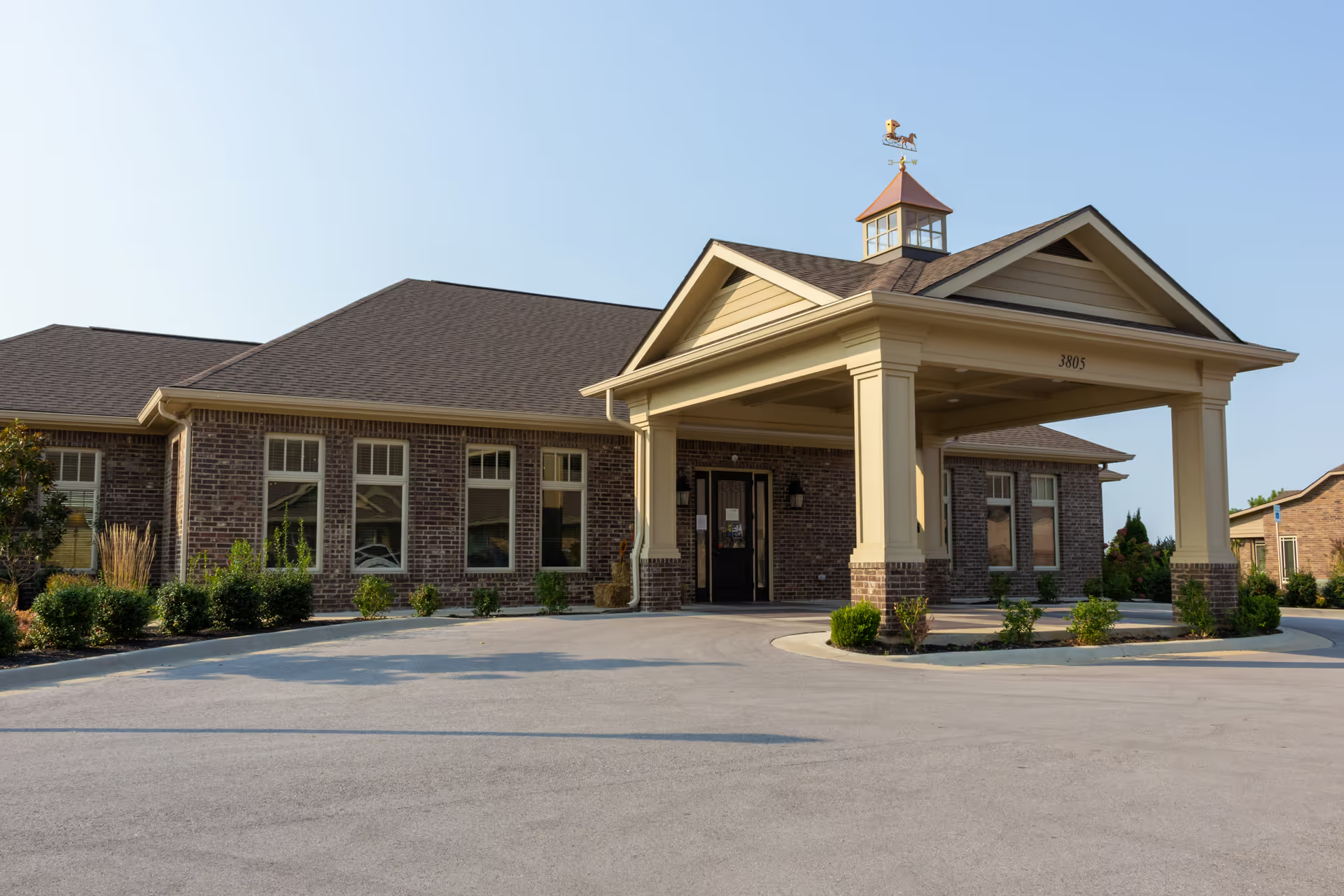
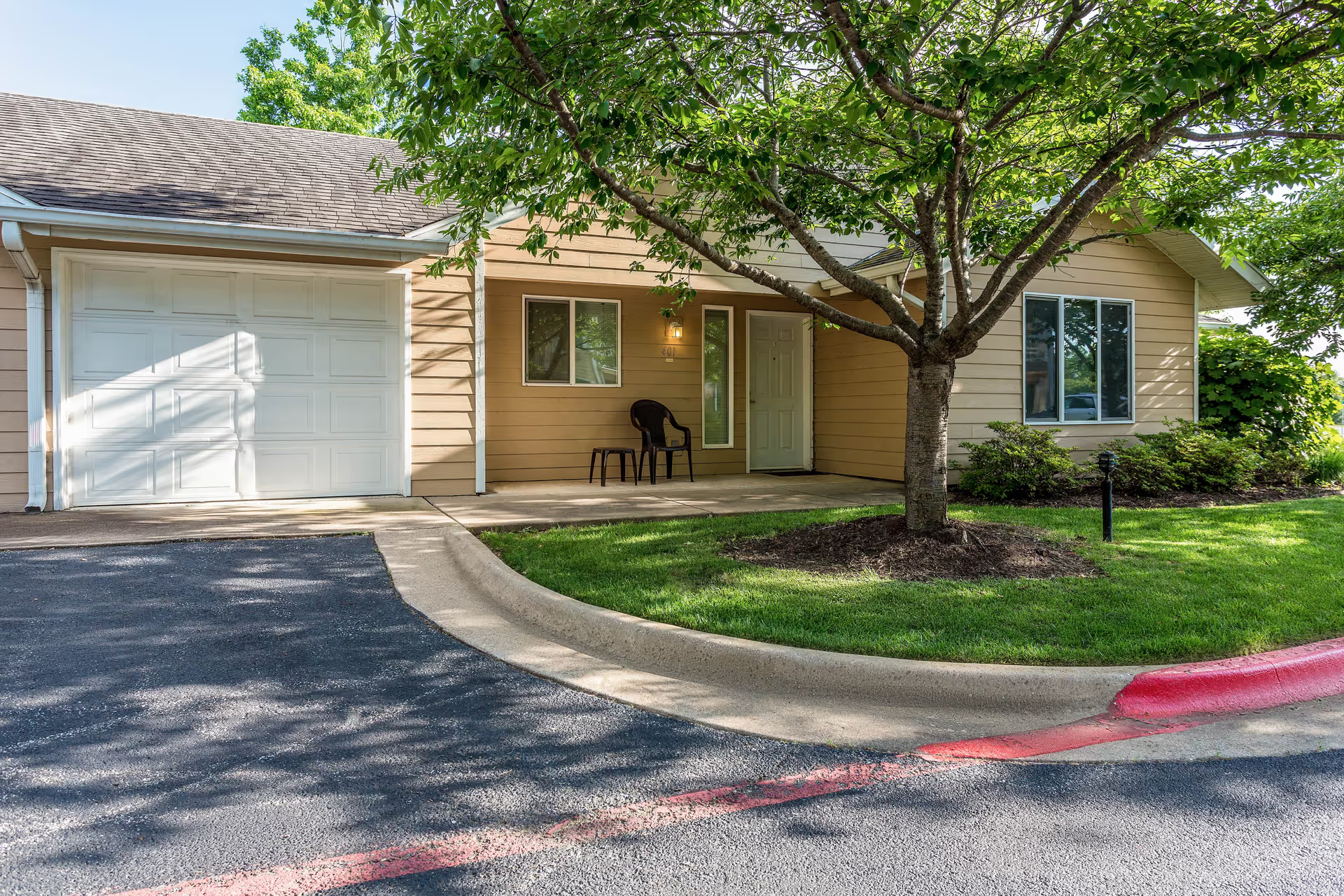
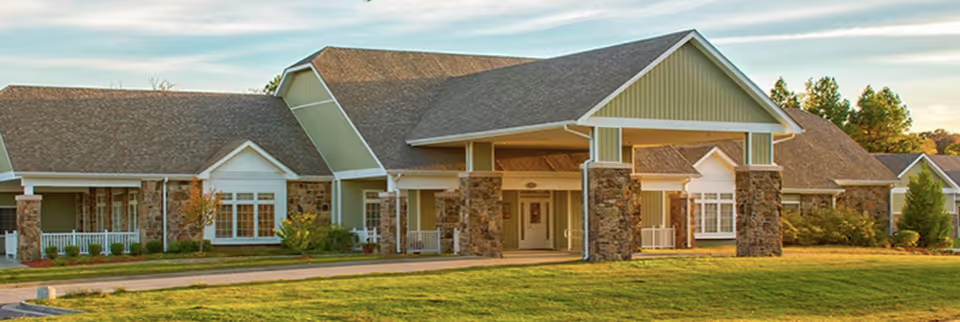
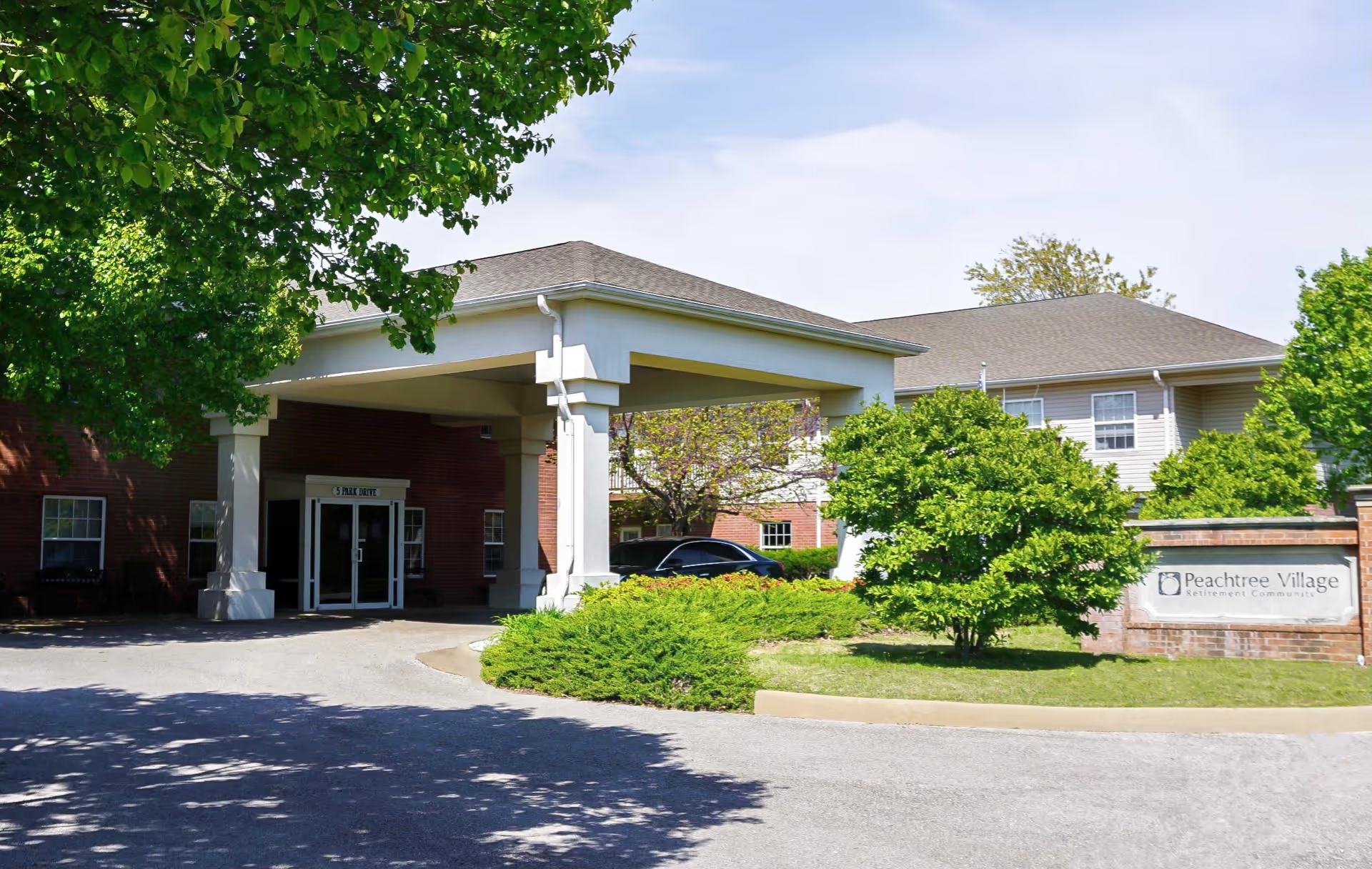
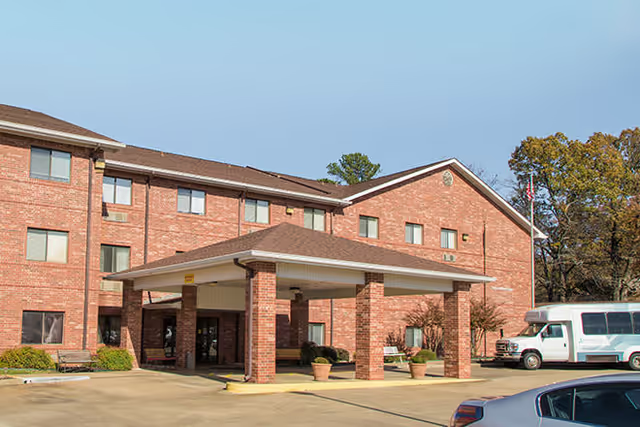
Overall impression: Reviews describe a facility with a strong, compassionate caregiving culture among direct-care staff and a home-like environment that many families and residents value. Positive accounts emphasize caring, attentive employees, timely responses to call buttons, individualized attention, and a sense of community. The building is frequently described as clean and well-lit, with spacious room options, accessible outdoor space, and a quiet rural setting that suits families seeking proximity to relatives.
Care and staff: Direct-care staff receive consistent praise for warmth, patience, and teamwork; many families report staff going above and beyond routine duties and providing meaningful engagement for residents, including those with dementia. At the same time, reviewers raise operational concerns about staffing stability and continuity. High turnover and uneven staffing levels have been linked to lapses in routine care tasks, delays in assistance, and the need for family prompting for certain services. There are also repeated mentions of medication-administration and record-keeping gaps that suggest opportunities to strengthen clinical documentation and dispensing controls.
Dining and nutrition: Meal service is a recurring area of mixed feedback. Several reviewers commend the dining environment and some dining staff, but others describe inconsistent food quality, limited variety, and insufficient portion sizes that have been associated with weight loss in at least one account. In addition, there are sanitation and food-safety process concerns raised about dining-room operations and kitchen oversight that merit clarification and remediation from management.
Activities and engagement: The facility offers a range of on-site activities—games, small-group recreation, and occasional outings—that many residents enjoy, and some families highlight effective recreational leadership and dementia-friendly programming. However, activity frequency and off-site outings are described as uneven; some residents experience limited group outings and fewer external trips than expected. Activity offerings appear to vary by unit and over time, making program consistency a consideration for prospective residents.
Facilities and safety: Multiple reviews note a generally clean, home-like interior and active remodeling in parts of the campus. Maintenance staff are praised when responsive, but a pattern of delayed repairs and a maintenance backlog is also described. Security concerns have been raised about access control and a few serious incidents, including alleged theft and an unsecured door, which indicate a need for clearer security protocols and incident-response communication.
Management and operations: Several reviewers link a decline in operational standards to ownership and management changes, citing budget-driven service reductions and inconsistent leadership tone. Feedback about management is mixed: some families commend directors and staff leadership for accessibility and compassion, while others report poor follow-through, unprofessional conduct by particular employees, and dissatisfaction with value relative to rising costs. Taken together, the pattern suggests variability in leadership performance and operational priorities depending on timing and personnel.
Notable patterns and decision points: The dominant positive thread is the quality of direct caregiving and the facility’s community feel; the dominant concerns relate to operational consistency—particularly around meals, staffing continuity, medication processes, sanitation controls in dining operations, maintenance responsiveness, and security. Prospective residents and families would benefit from in-person visits that assess current staffing levels, ask for documentation of medication and food-safety procedures, review recent maintenance records, and discuss activity schedules and transport/outing plans. These targeted questions can help weigh the strong caregiving culture against the operational issues noted by reviewers.