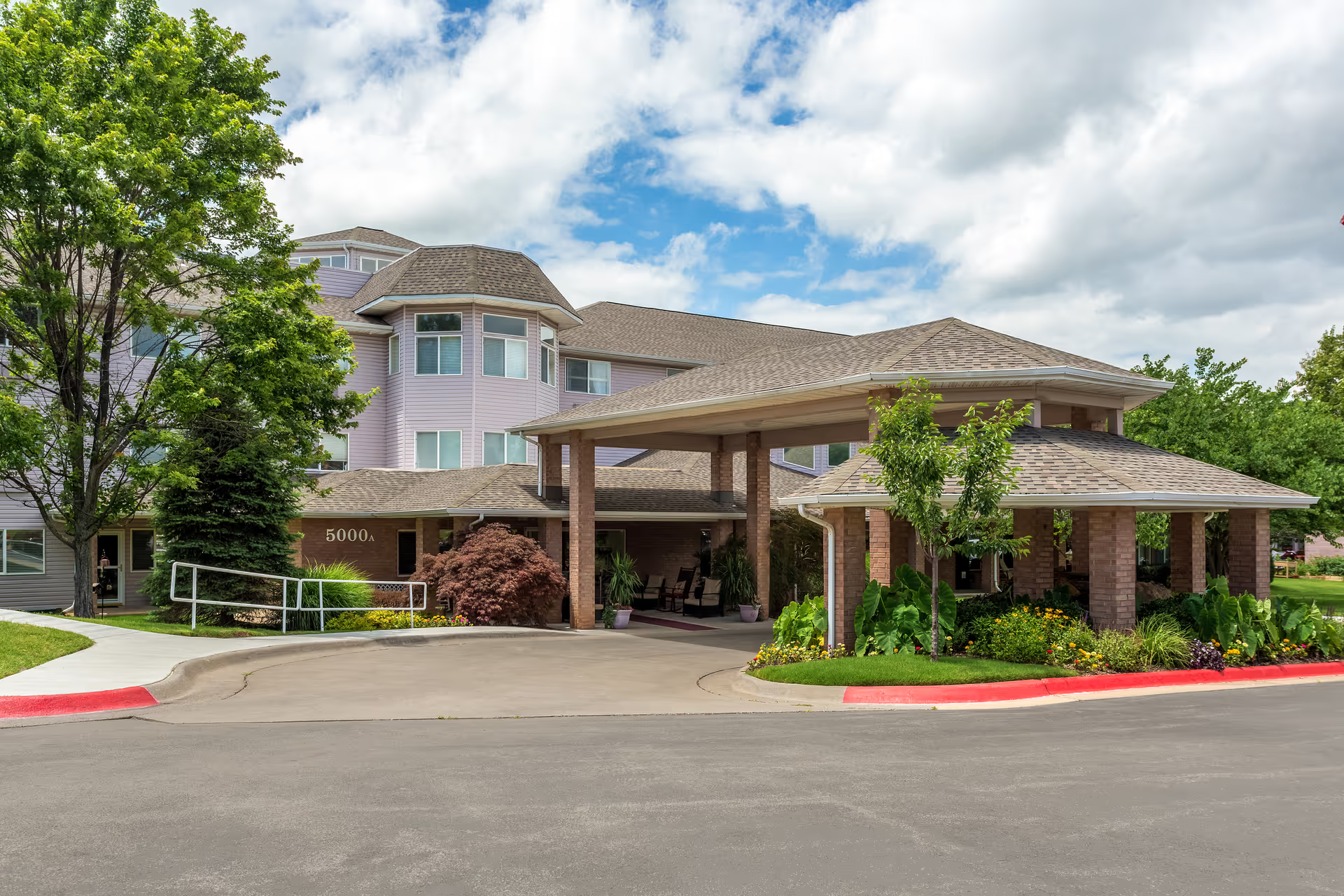
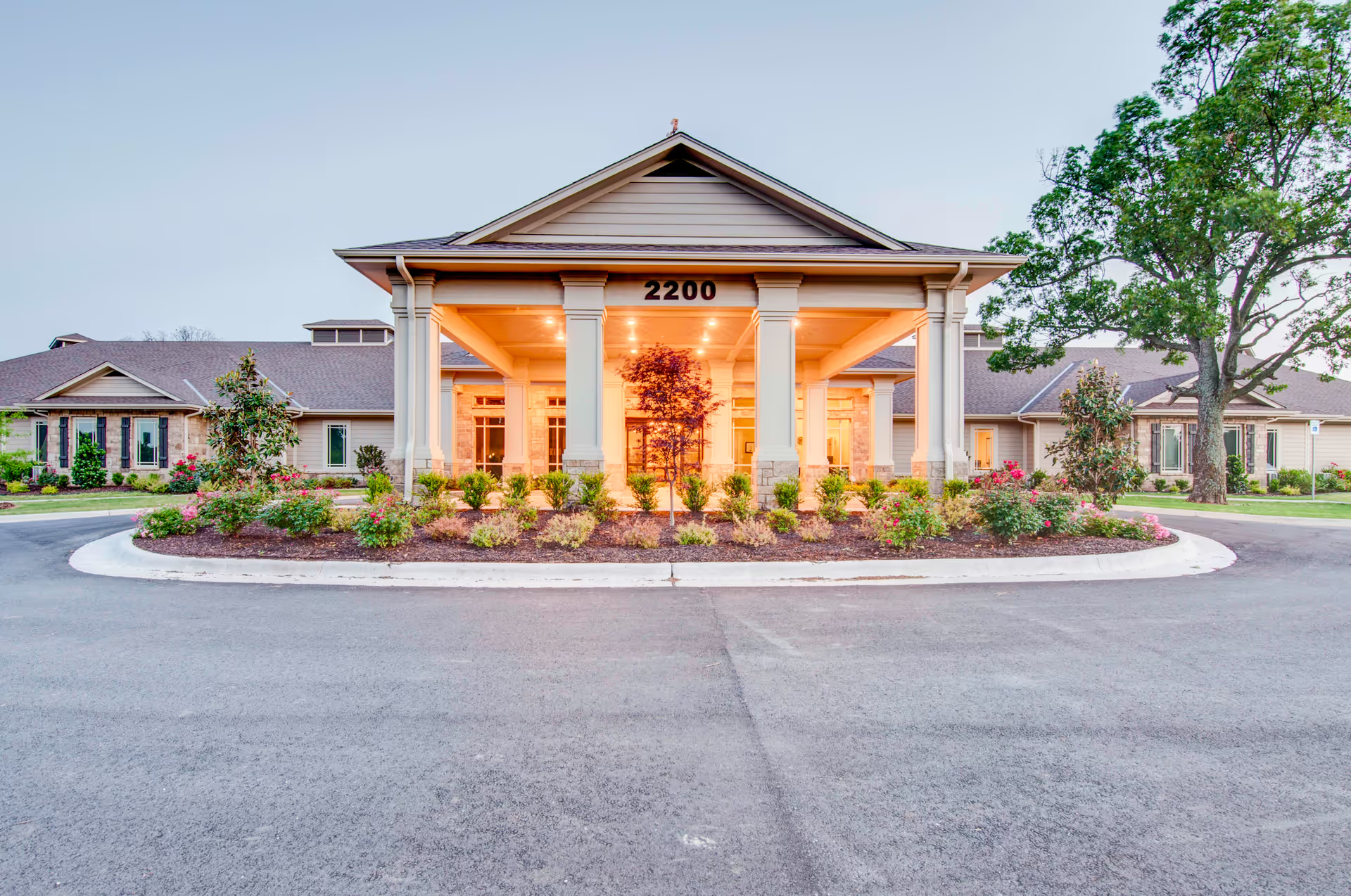
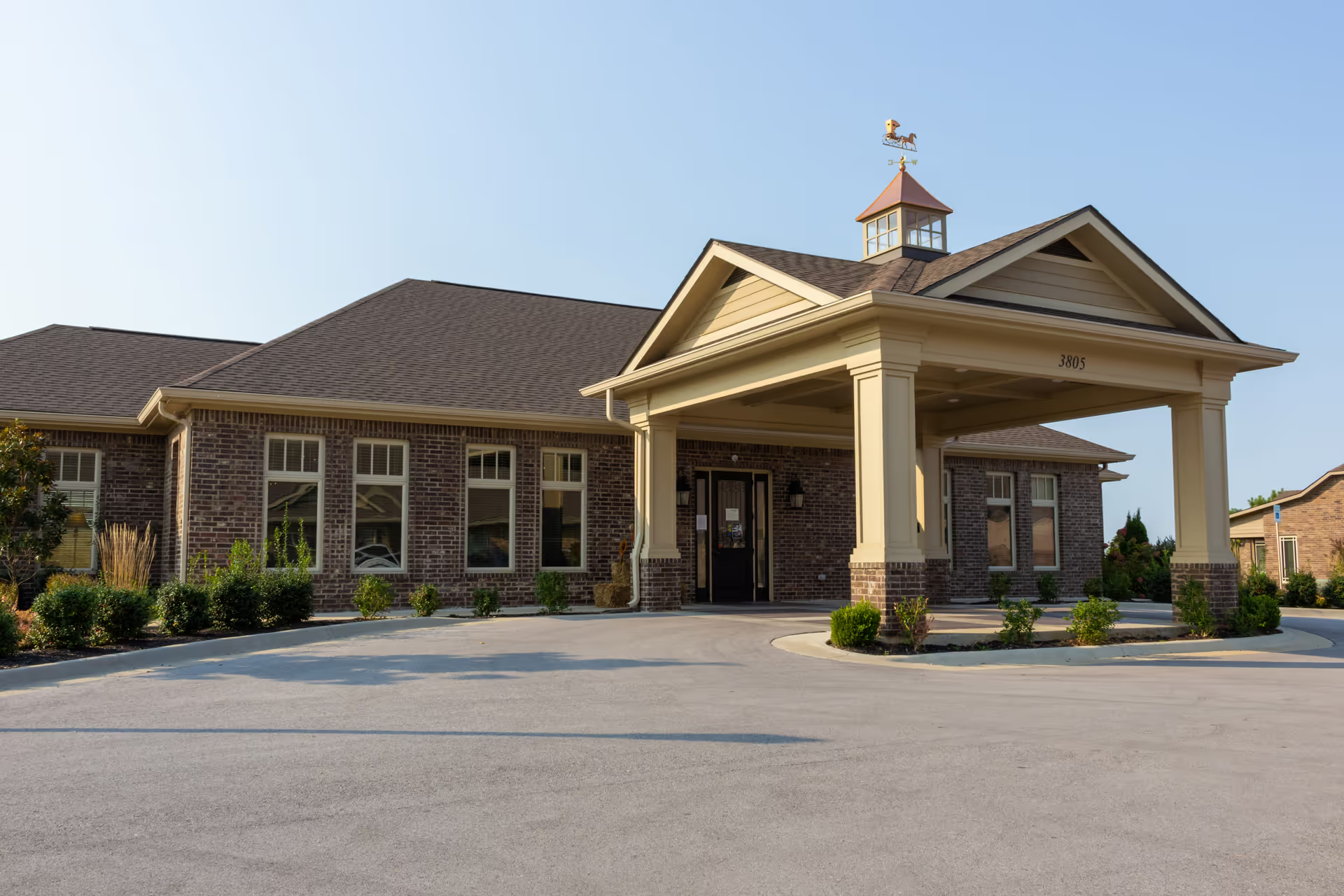
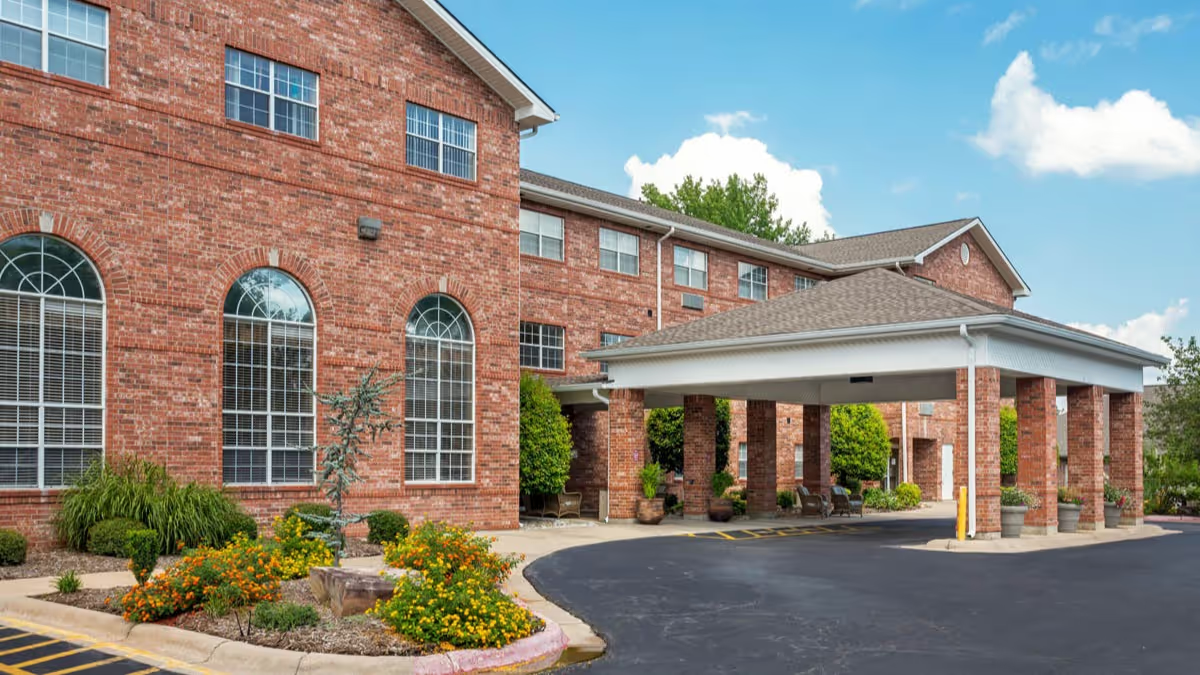
The reviews for Chapel Ridge Health & Rehab present a polarized picture: a number of families and staff describe a clean, well-maintained facility with dedicated caregivers and a warm, home-like atmosphere, while other accounts raise serious operational and clinical concerns. Several reviewers praised remodeled rooms, large in-room televisions, and a generally odor-free environment. Activity programming—particularly in the Alzheimer’s unit—was highlighted as a strength, with staff and volunteers described as engaged and enthusiastic. Multiple comments also emphasize compassionate end-of-life support, clear communication with families, and effective infection-control measures during an outbreak.
Care quality descriptions are mixed. Positive accounts describe professional, attentive staff who provided a supportive rehabilitation and recovery experience and good long-term care. Conversely, some reviews indicate inconsistent responsiveness to urgent clinical needs, delays in treatment or emergency escalation, and variability in the length and availability of therapy services. These types of comments suggest uneven performance in clinical monitoring, transfer/response protocols, and therapy planning.
Staff-related feedback is likewise divided. Many reviewers characterize direct-care staff and activity personnel as kind, dedicated, and communicative; others describe instances of unprofessional behavior, concerning conduct, and allegations of substance-related criminal activity involving staff members. Together these observations point to generally strong staff engagement in some units and shifts, with pockets of conduct and supervision issues that could affect resident safety and trust.
Management and intake practices show strengths and weaknesses. Management received credit for infection-control practices and for creating a workplace that supports CNA advancement and sponsorship. At the same time, there are concerns about intake consistency and payer/eligibility handling—instances described as refusal of admission or confusing payment interactions—indicating unclear admission policies or inconsistent enforcement. Communication during clinical incidents also appears variable: while many families reported timely updates, several noted delays in notification and follow-up after significant events.
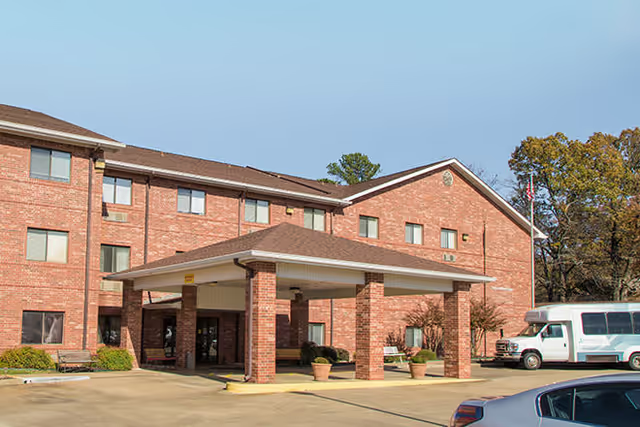
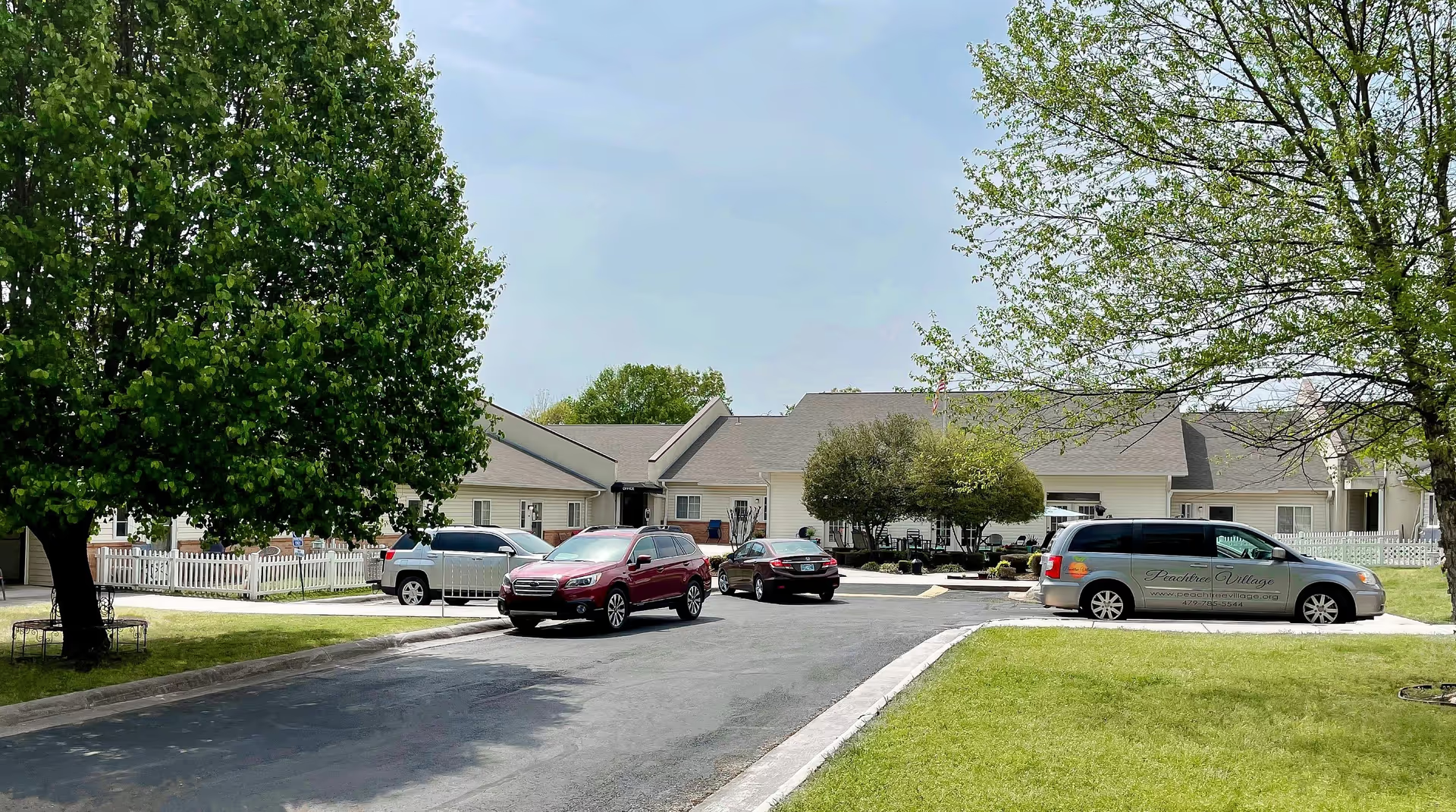
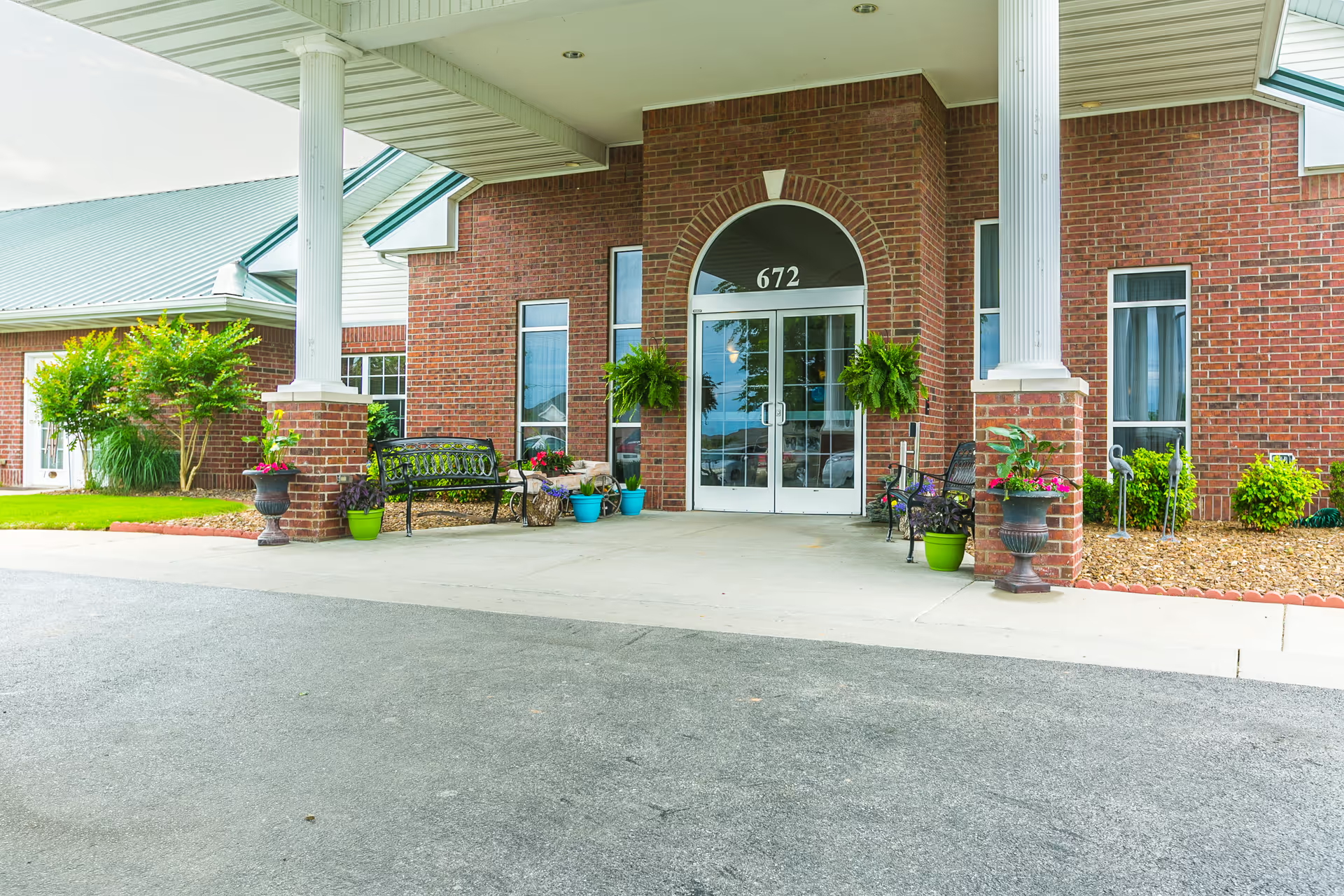
Facilities and activities are frequently cited as positive attributes: clean common areas, remodeled rooms, pleasant resident spaces, and an active activities program. Dining was not commonly discussed in the available summaries, so no clear pattern emerged regarding meal quality or service. Rehabilitation services are described positively by some families but also criticized in at least one account for a shorter-than-expected therapy course, suggesting variability in rehabilitation planning and discharge timing.
Overall, Chapel Ridge may offer a supportive environment with strong activity programming, clean facilities, and many compassionate caregivers, but there appear to be operational inconsistencies that warrant attention. Notable patterns to explore during a visit or follow-up conversation include emergency response and escalation procedures, staffing levels and supervision across shifts, admission and payer policies, protocols for personal-care and incontinence support, background-screening and substance-use prevention for employees, and the facility’s process for communicating incidents to families. Prospective residents and families should tour the facility, meet leadership and unit staff, and ask targeted questions about these specific areas to assess fit and risk for their loved one.