Reviews for Fianna Hills Nursing & Rehab are strongly polarized, with families and former residents describing both positive caregiving experiences and significant operational concerns. On the positive side, many accounts highlight compassionate, respectful direct-care staff, effective short-term rehabilitation outcomes, a generally clean appearance in common areas, and a responsive social-work team that communicates with families. Housekeeping and transportation staff are specifically praised in some accounts for attentive, individualized interactions, and several families report regular updates and inclusion in care decisions.
Care quality perceptions vary. Positive reports emphasize attentive, affectionate caregiving and successful rehab stays. Negative reports point to inconsistent clinical follow-through — including delayed medication administration, wound-care competence concerns, inconsistent bathing and incontinence-care schedules, and frequent resident relocations within the facility — which suggest gaps in routine care processes and continuity. There are also recurring remarks about limited dementia-specific expertise among some staff, indicating an area where training and protocol improvements could be beneficial.
Staffing and workplace culture emerge as a central theme. Reviewers describe dedicated, caring CNAs and therapists alongside accounts of scheduling inconsistency, understaffing, burnout, and low pay. Several accounts characterize a workplace environment with perceived favoritism and nepotistic dynamics that affect scheduling and resident assignment. These personnel issues are tied by some families to variable care quality and uneven resident experiences.
Dining and activities are described inconsistently. Some families report residents being well fed and entertained, while others report substandard food quality, unappealing meals, and short or absent activity leadership. The presence of on-site activities is inconsistent across accounts, and some reviewers specifically note an absence or limited visibility of an activity director.
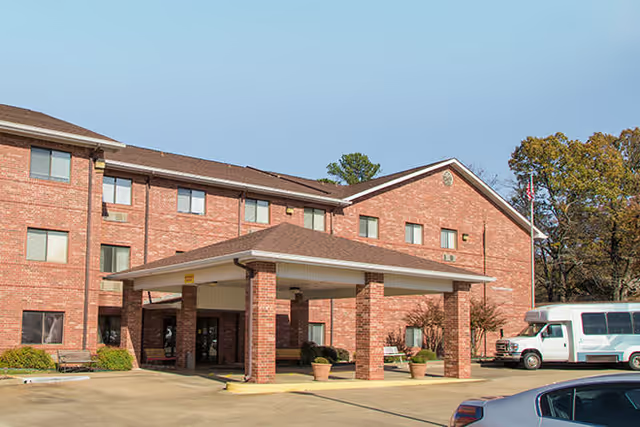
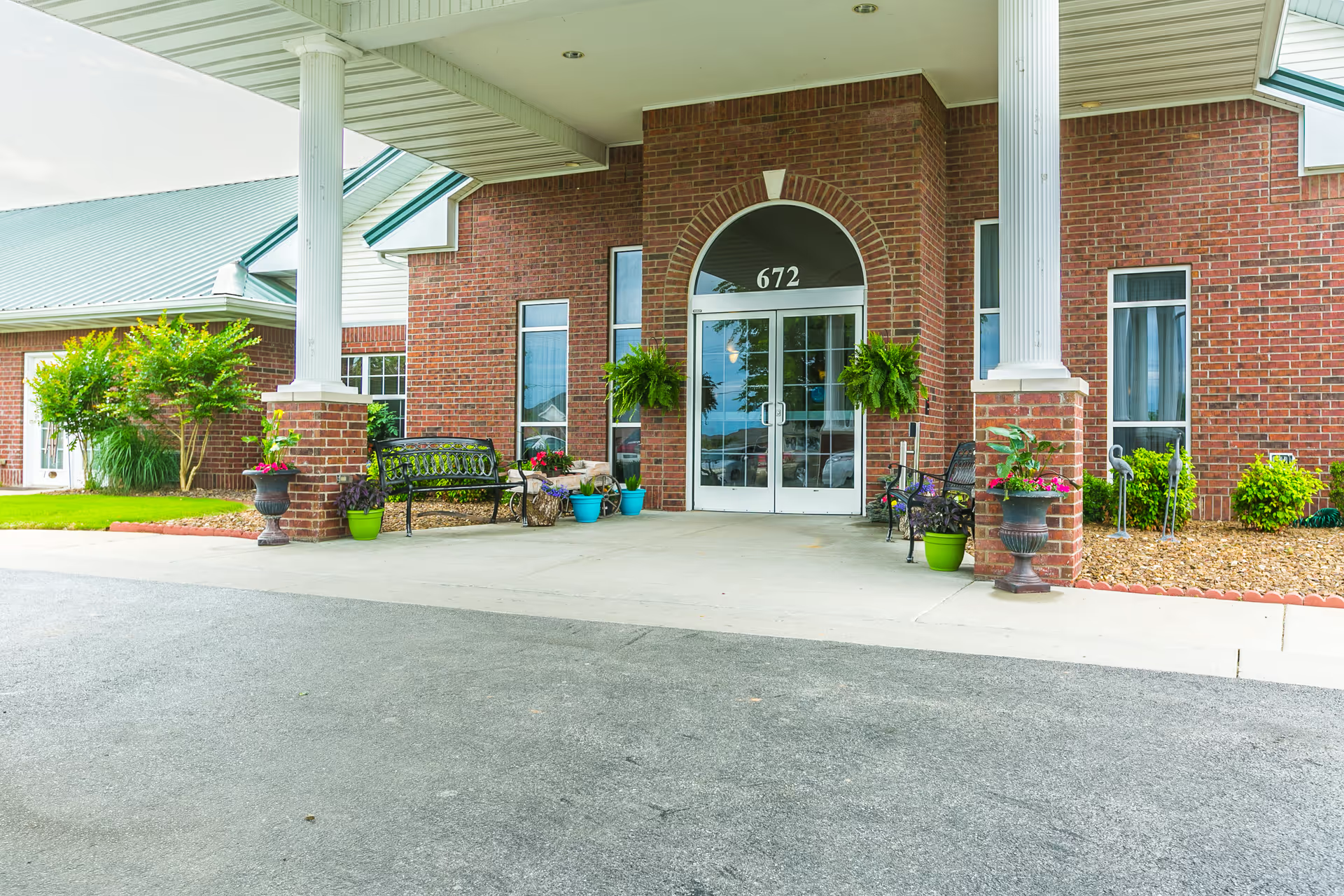
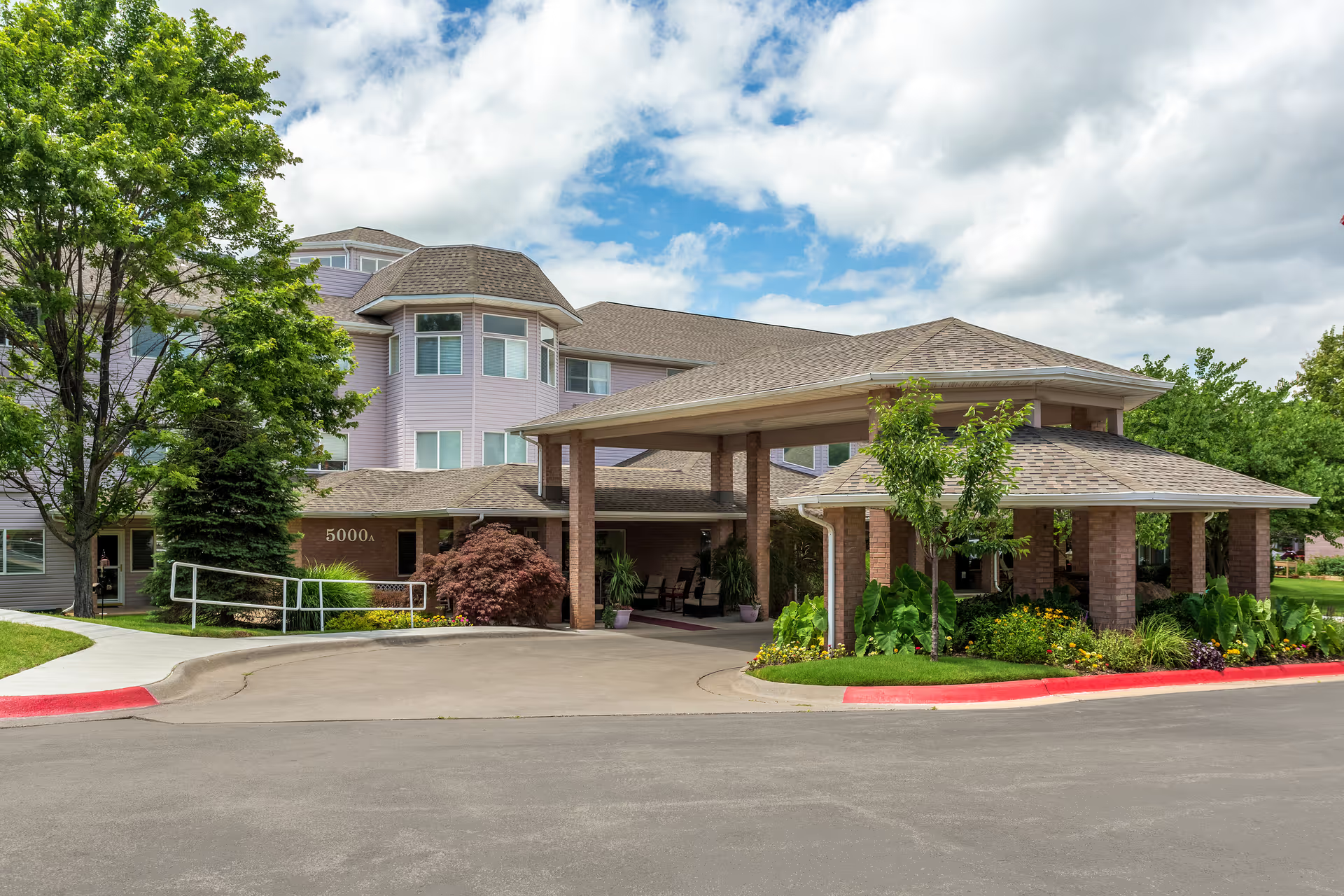
Facility maintenance and environment present a mixed picture: the exterior and many common areas are described as well kept, but there are reports of sanitation and cleanliness variability across units and delays in maintenance response. These operational issues include slow turnaround on repairs and inconsistent attention to unit-level housekeeping.
Management and operational leadership are frequent points of critique. Concerns include limited administrative visibility on the units, perceptions that leadership is insulated from daily operations, cost-cutting decisions that affect frontline staffing, and problematic infection-control and outbreak-response practices during prior COVID events. Some reviews raise credibility concerns about the facility’s online reputation, which complicates the ability to form a clear overall assessment solely from public commentary.
Notable patterns and practical implications: the facility appears to have strengths in short-term, rehab-focused care and in the dedication of many frontline staff, while exhibiting operational weaknesses that can affect long-term, high-acuity, or dementia care. Prospective residents and families should consider on-site visits, ask specific questions about staffing ratios, medication-administration protocols, dementia-care training, infection-control procedures, maintenance response times, and activity programming. Families who choose the facility may need to take an active role in oversight and communication with staff to help ensure consistency of care.