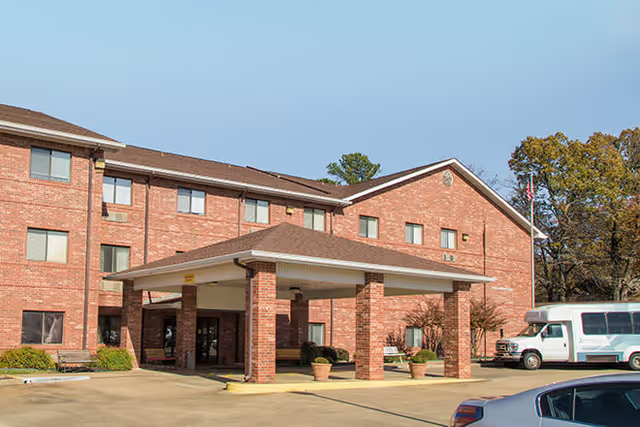
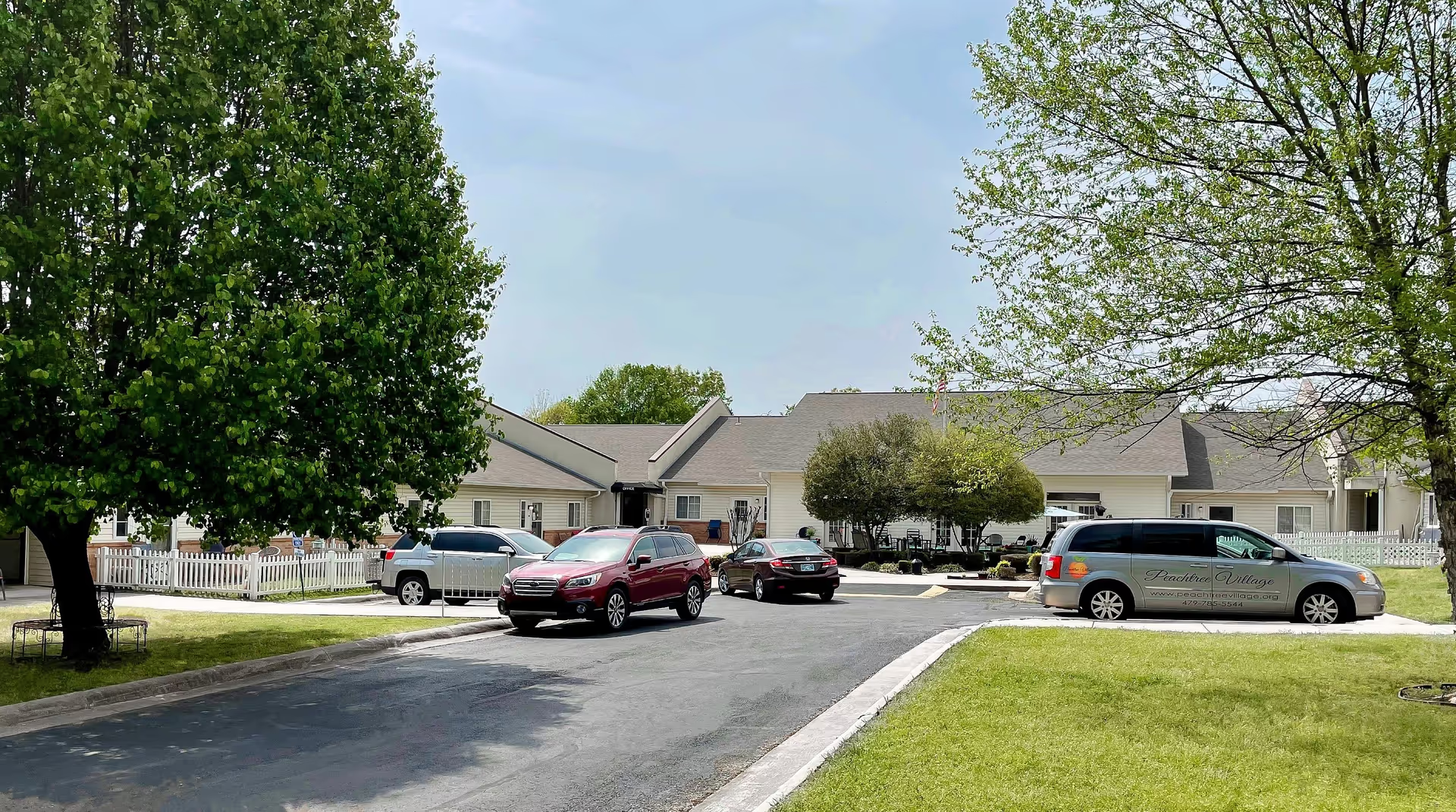
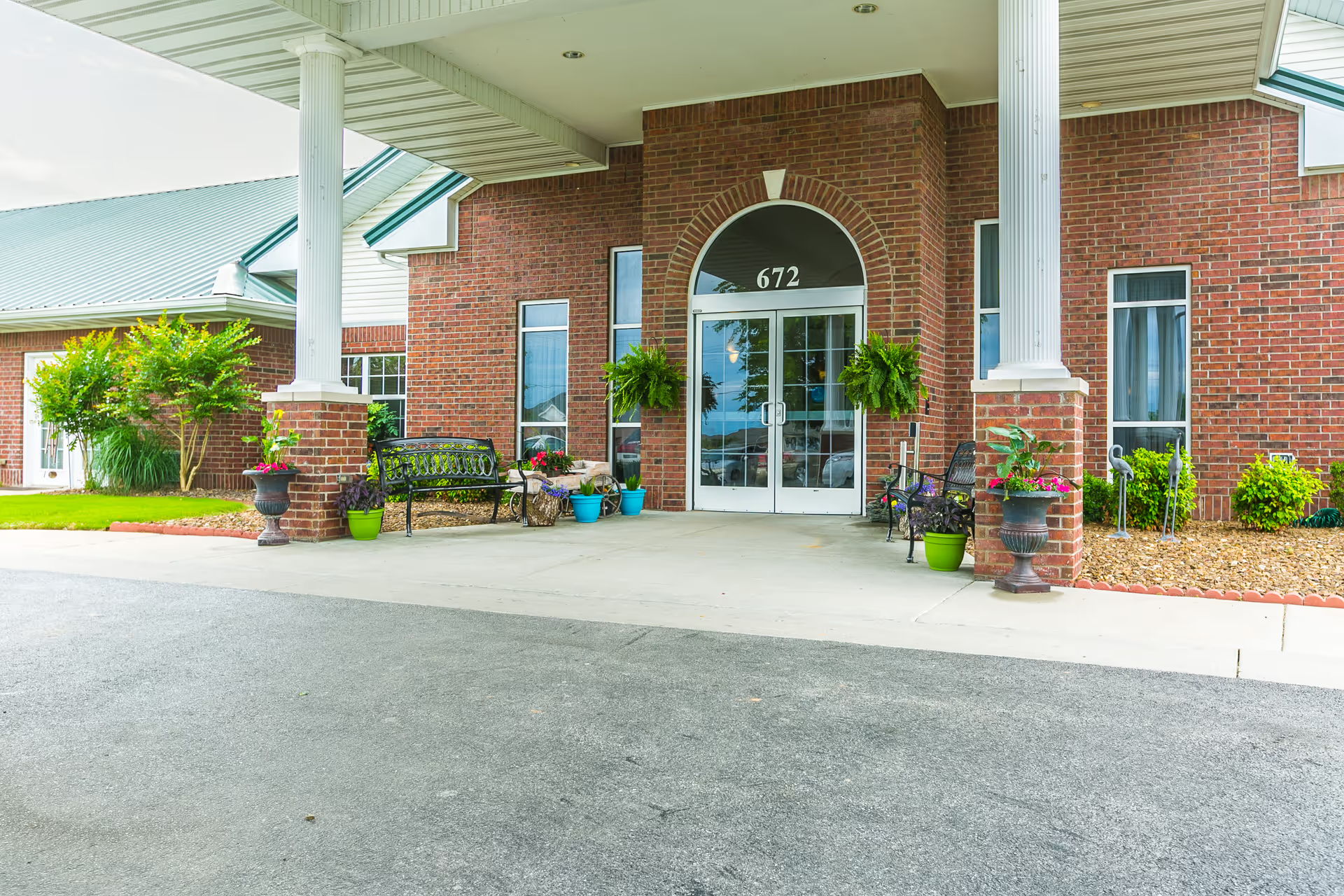
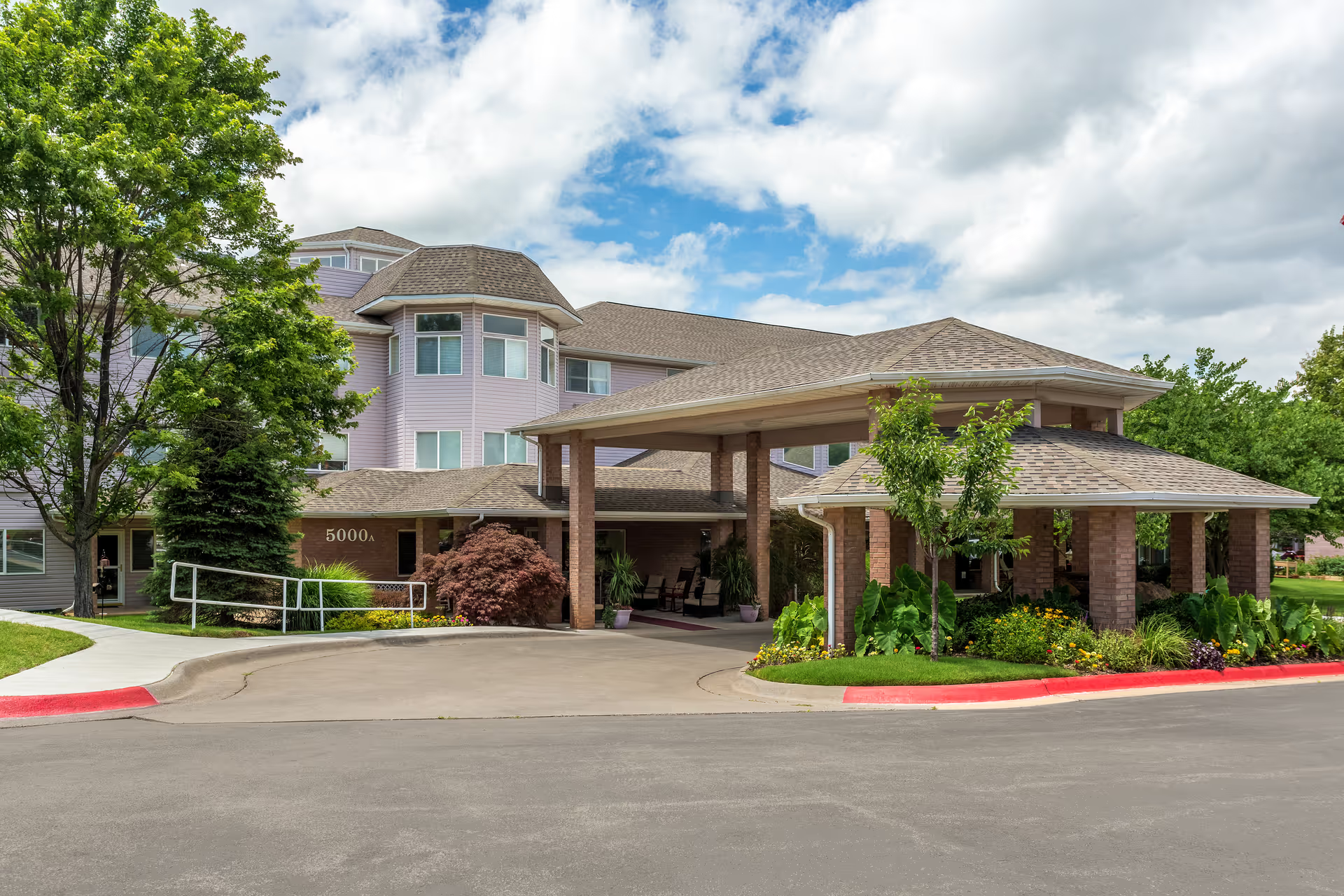
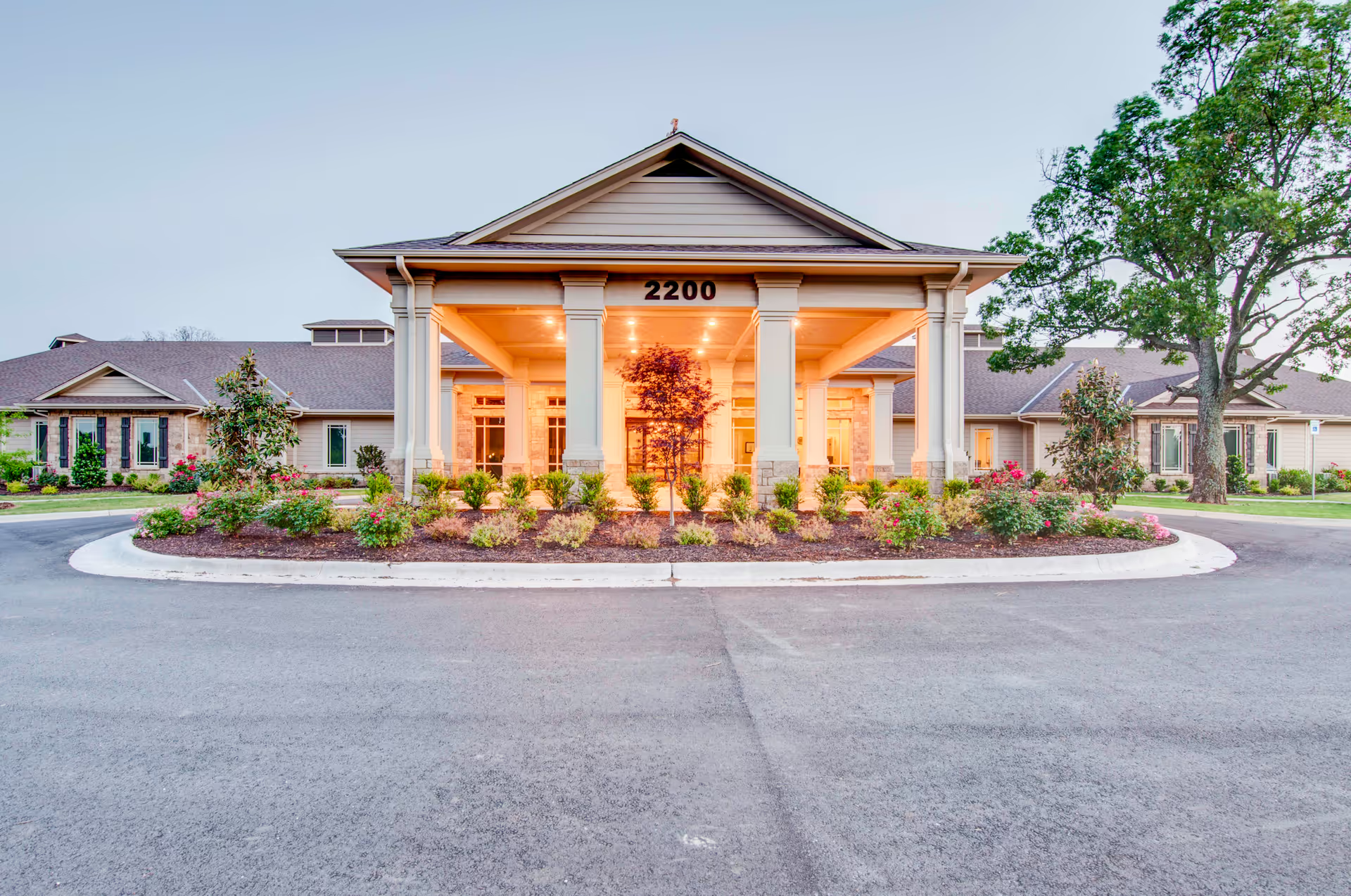
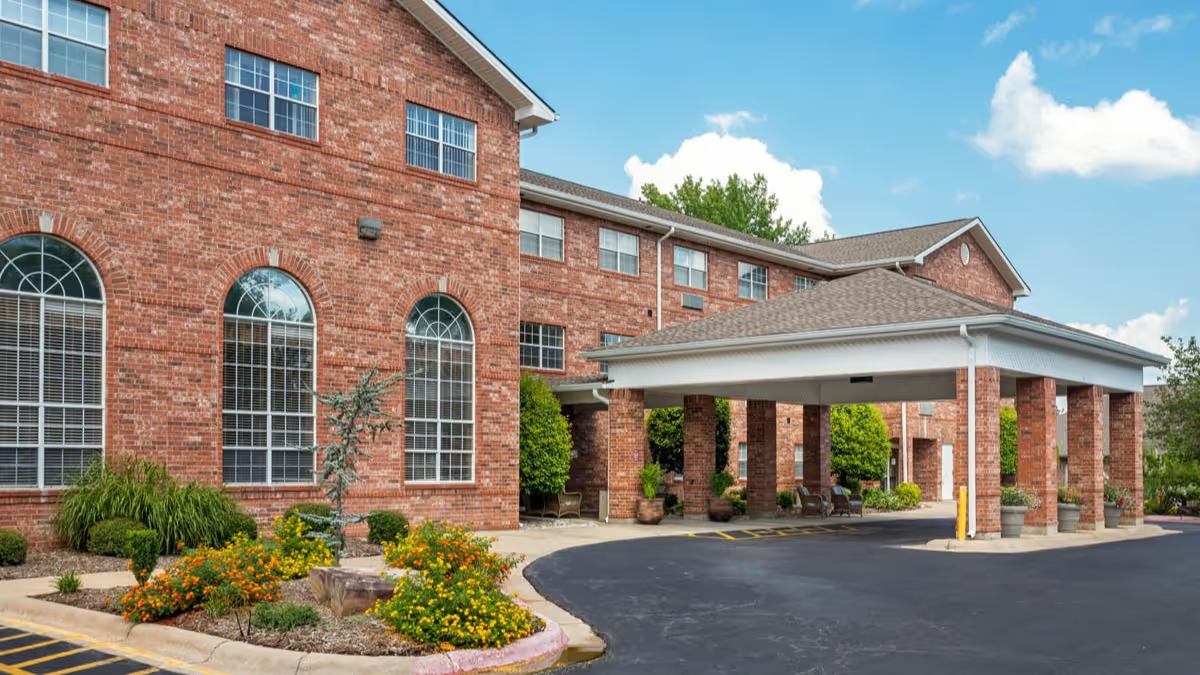
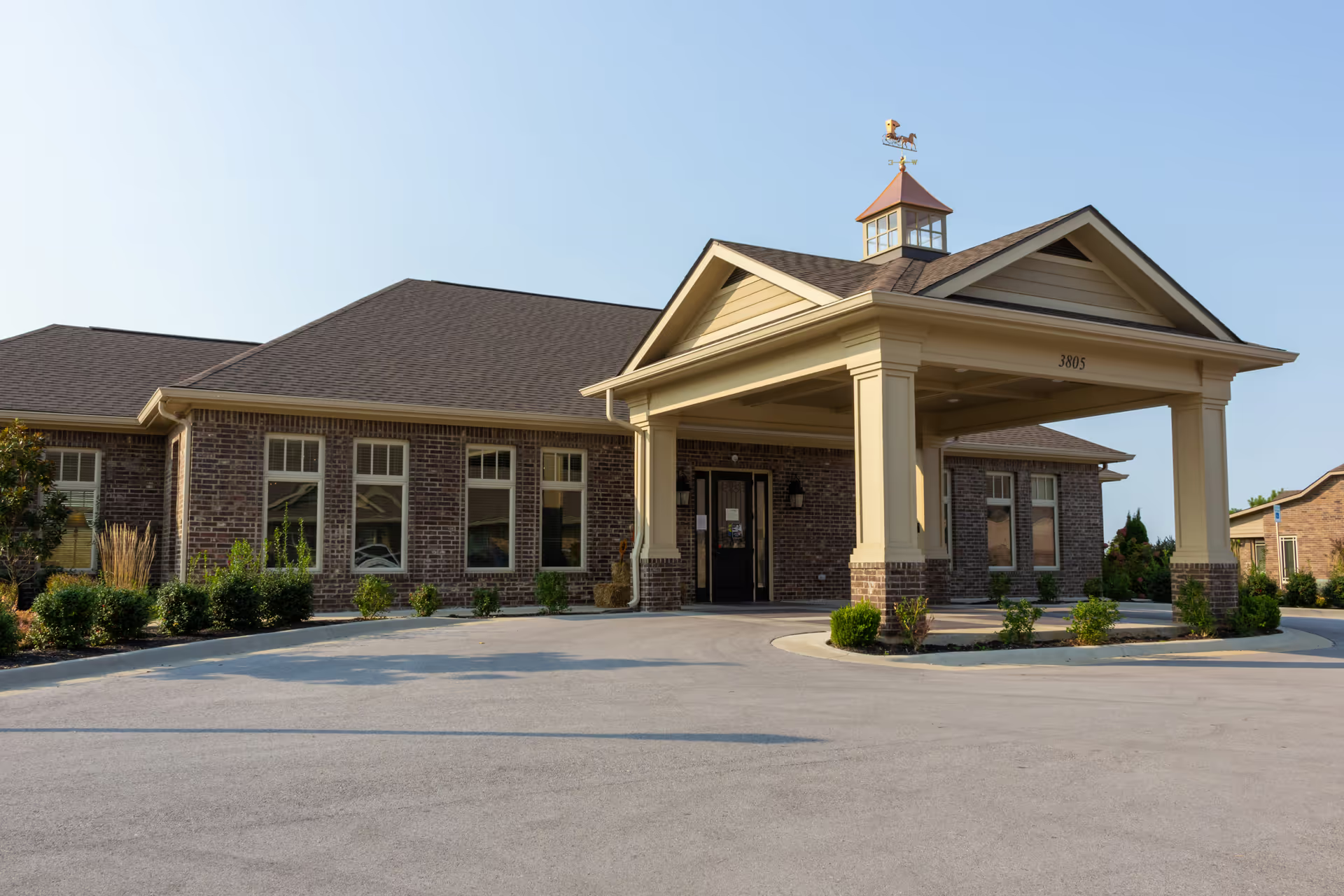
Reviews of Methodist Health and Rehab are mixed, with clear strengths in direct caregiving and facility amenities alongside recurring operational concerns. Many reviewers highlight compassionate, family‑oriented caregivers, supportive nurses and therapists, and a generally clean, well‑maintained environment. The campus-style affiliation and on-site features — private rehab rooms, a dedicated dementia unit, gender-separated rehab areas, an enclosed courtyard and outdoor patio — are frequently described as positives, and several families praised a smooth move‑in and responsive call system.
Care quality impressions diverge. Positive accounts emphasize attentive, emotionally supportive staff and effective therapy that enabled residents to return home. Conversely, a number of reviewers described lapses in clinical monitoring and delays in recognizing or responding to health changes; families indicated they sometimes had to alert staff themselves. There are also concerns following at least one resident death that contributed to broader unease about clinical response and end‑of‑life care processes.
Staffing and workplace practices are another substantive theme. While many staff members are characterized as caring and invested, reviewers also reported short staffing of RNs and therapists, abrupt personnel changes, payroll and workforce‑management issues, and instances of staff being terminated after labor disputes. Criticisms include inconsistent professionalism by some aides and nurses, and claims of hiring or policy noncompliance have been raised as well. These operational problems are tied in reviews to variability in day‑to‑day resident experience.
Dining, activities, and facility operations show variability. Several families appreciated activities such as bingo and music and found meal service satisfactory, but others noted inconsistent food quality and at least one food‑safety concern. Some reviewers described sanitation and pest‑control issues and problems with heating or air conditioning in certain units. Rehabilitation services are available on site, and some reviewers reported good therapeutic outcomes; however, others felt the delivered therapy did not match expectations or marketing, and cited a billing emphasis over clinical delivery.
Management and communication emerge as a recurrent pattern. Reviewers described difficulty contacting leadership, delayed or inadequate responses to concerns, and a perception of inefficient administrative processes. Those operational traits appear linked to the polarized experiences: families who encountered responsive managers and stable staffing tended to have positive impressions, while others who experienced communication breakdowns reported significant dissatisfaction.
Overall, Methodist Health and Rehab presents tangible strengths in caregiving, campus amenities, and certain therapy outcomes, but prospective residents and families should be aware of recurring operational issues — particularly around staffing stability, clinical monitoring, food quality, and management responsiveness. A targeted visit that asks about staffing ratios, transfer/lift protocols, infection‑control practices, payroll/staff retention, and specific therapy plans is advisable to assess how current operations align with an individual resident’s needs.