Reviews for this facility present a mixed but instructive picture. Many families highlight a strong, compassionate caregiving staff and long-term employees who create a family-like culture; these strengths are frequently associated with effective teamwork, individualized attention, and positive interpersonal relationships between staff, residents, and families. The admissions process and immediate intake experience are often described as warm and well-managed, and several reviewers singled out particular clinical staff (for example, wound-care nurses) and administrative personnel for above-and-beyond efforts.
Clinical care and staff performance receive both praise and critique. Positive comments emphasize attentive nursing, personalized care, and proactive communication about routine clinical matters such as vaccinations and medication changes. Conversely, there are recurring operational concerns that prospective families should evaluate: inconsistent responsiveness at certain times (including delayed attention to resident needs), gaps in medication-management processes and documentation, and isolated but serious concerns raised about clinical oversight and follow-up after critical incidents. Because these issues affect clinical safety, families should ask direct questions about staffing levels, medication administration protocols, and how the facility handles urgent clinical events.
Dining and daily-program aspects are a relative strength. Multiple reviewers praised the kitchen and dining staff, noting hot meals, prompt service, a helpful dietary management team, and meaningful dining-room visits that residents enjoy. Activities and opportunities for family interaction received favorable comments tied to the facility’s resident-centered approach.
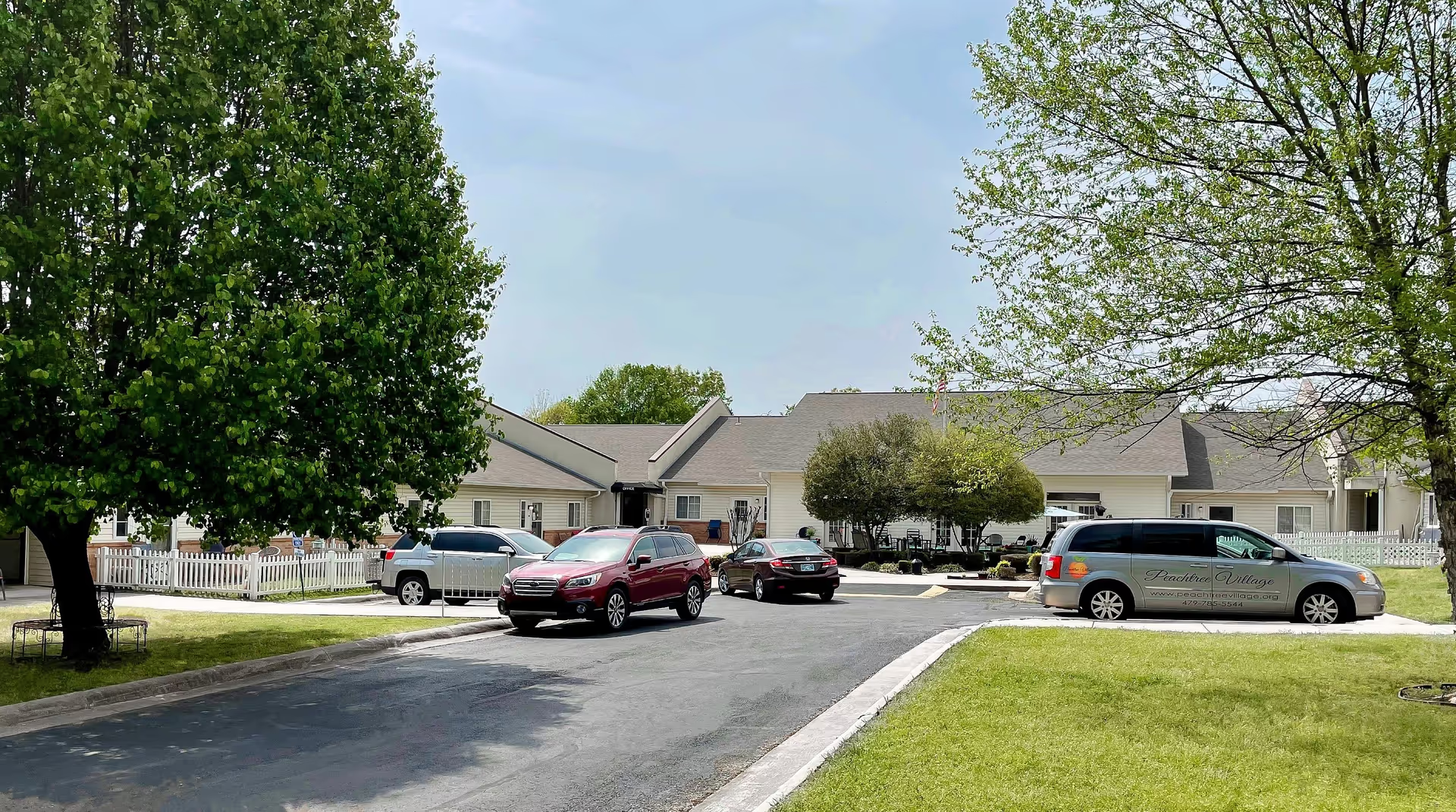
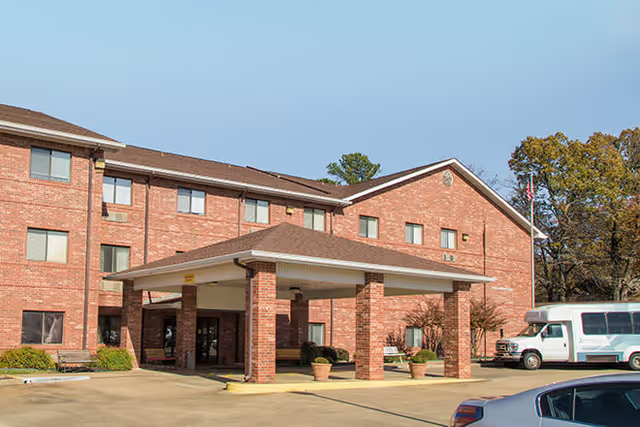
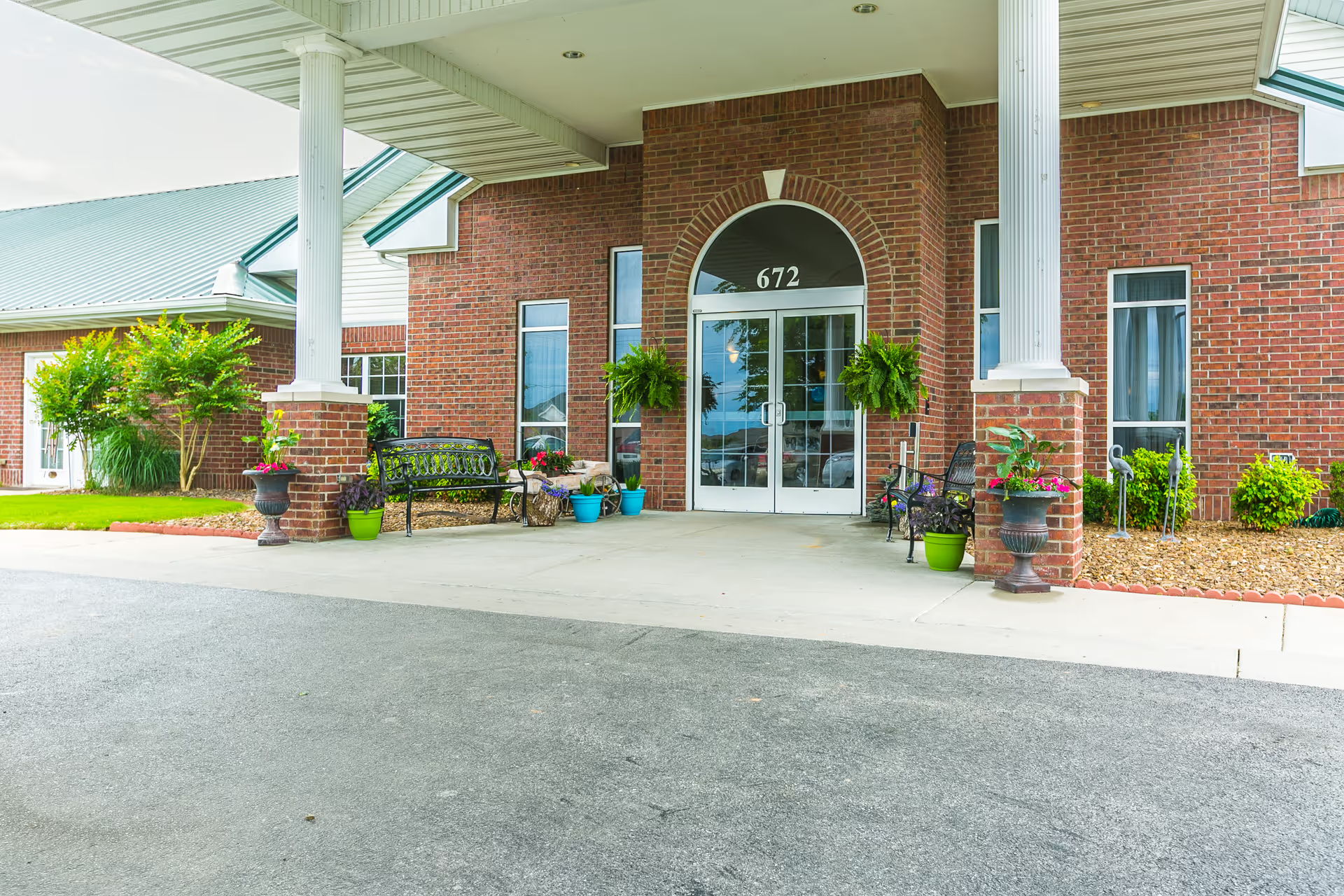
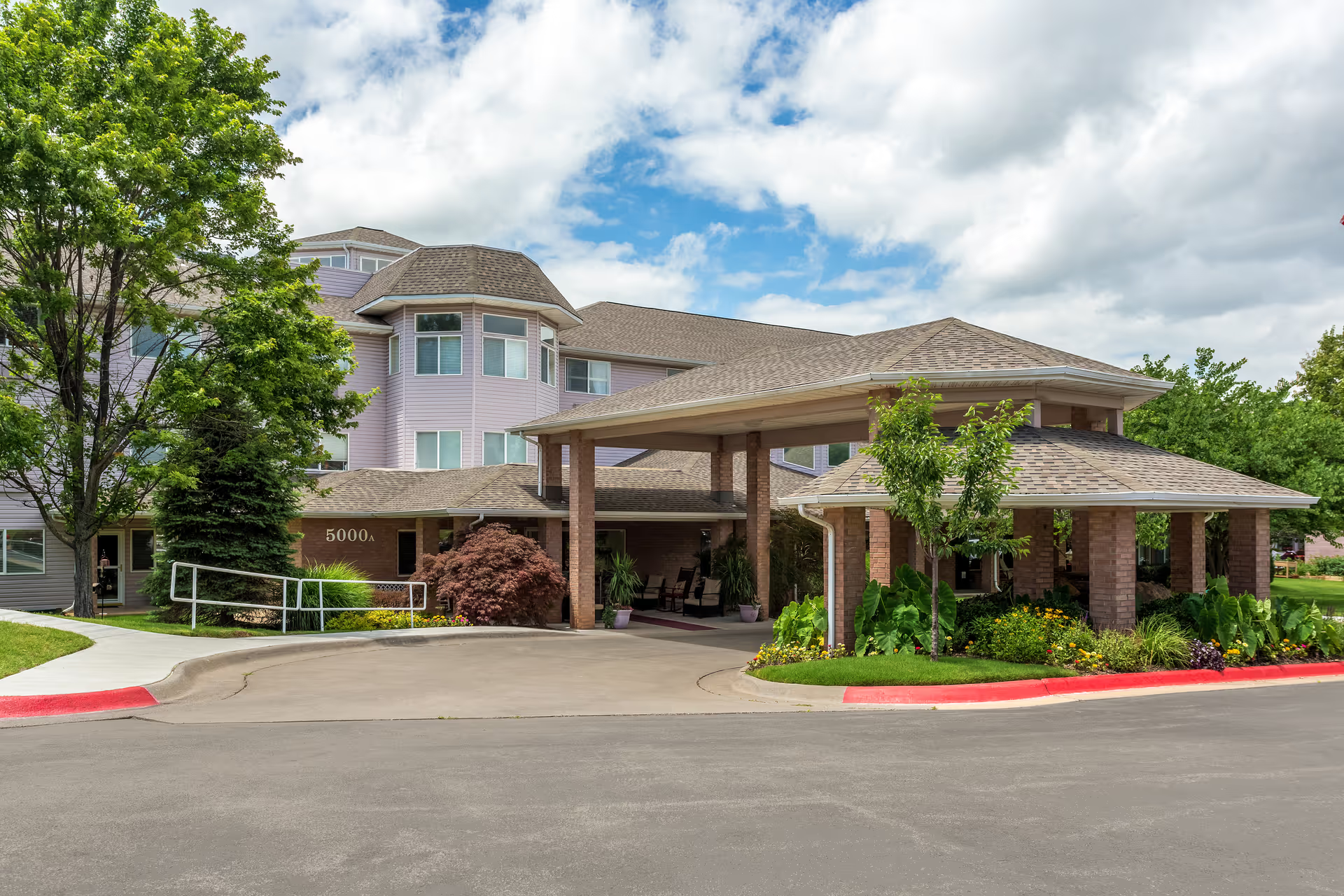
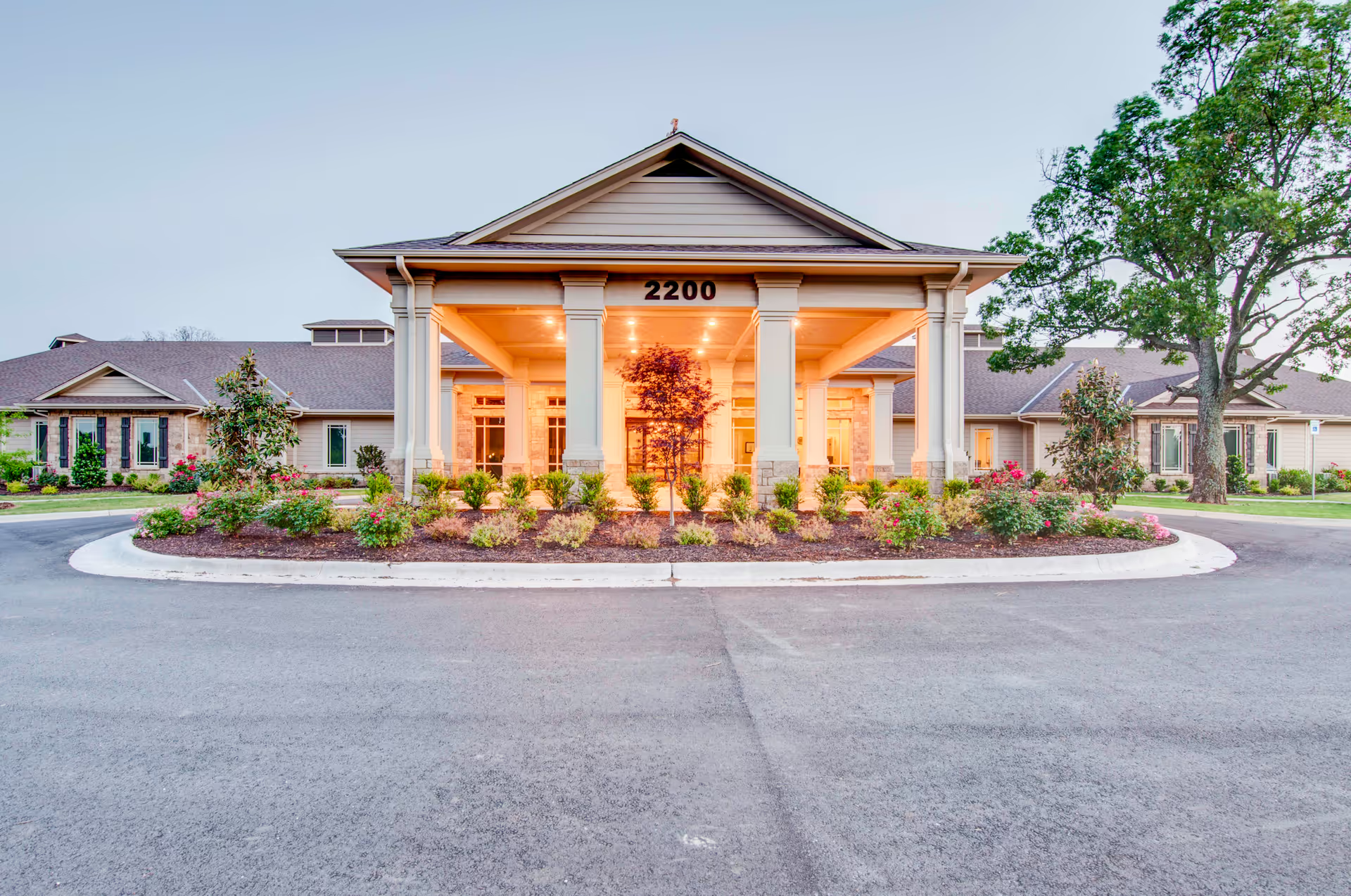
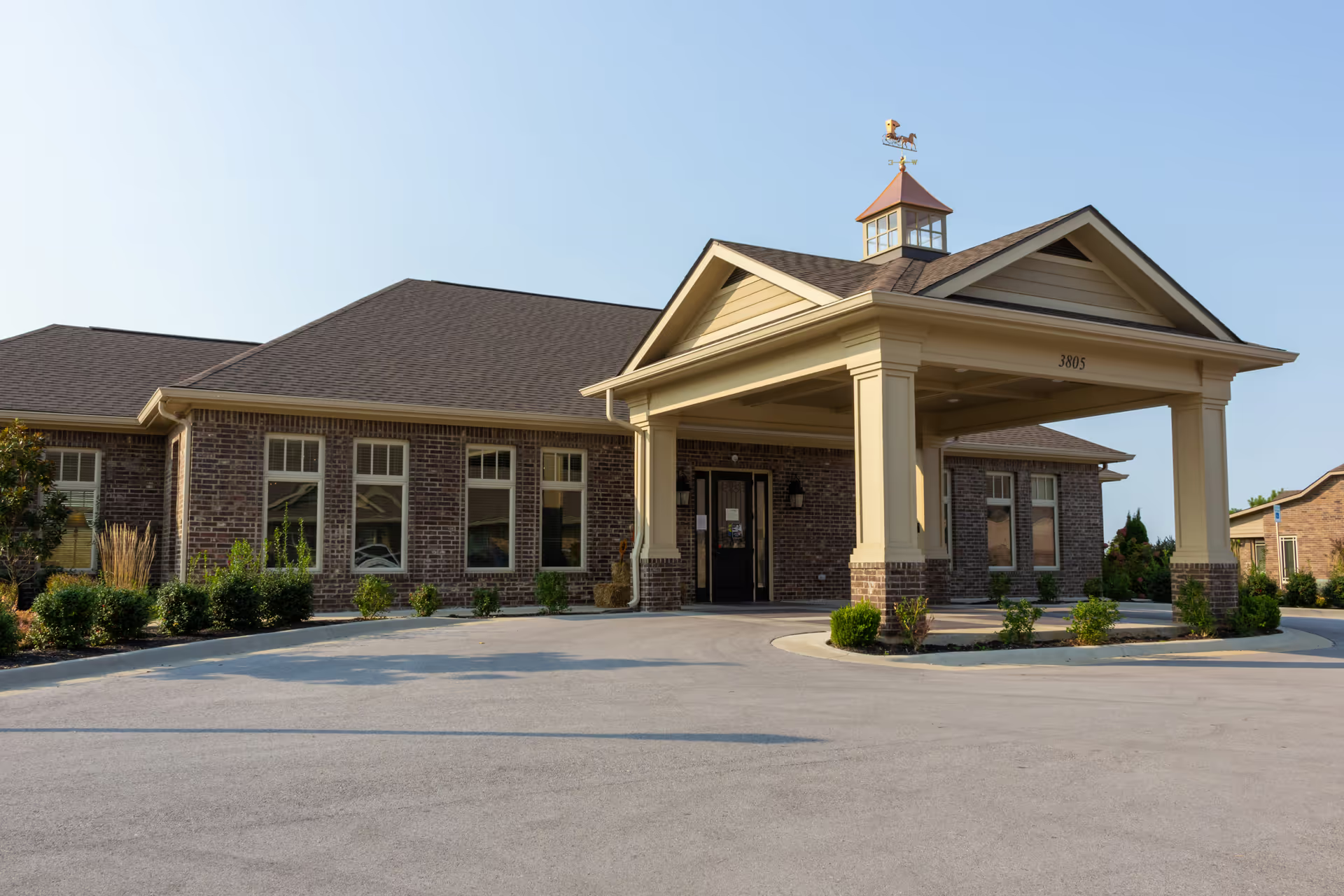
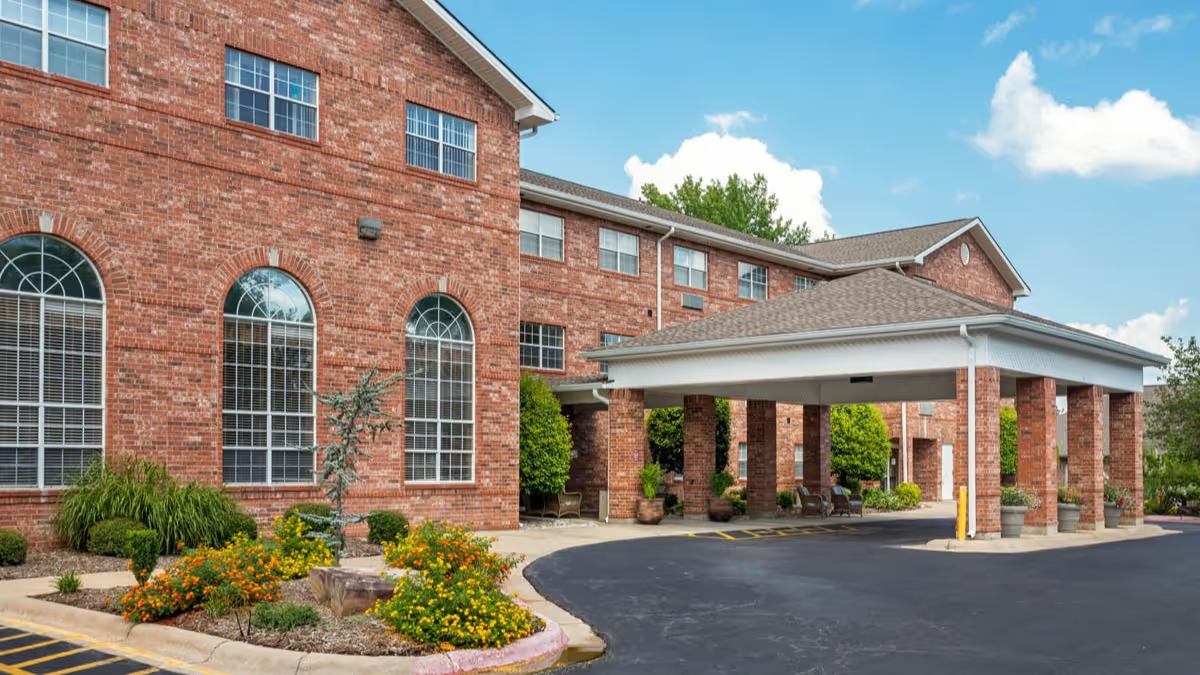
The physical plant and ancillary services show mixed performance. The building is described as older and in need of continued updates; some reviewers note aesthetic improvements underway while others cite maintenance and safety deficits that merit attention. Cleanliness and infection-control consistency were flagged in a number of reviews, and transportation services were identified as a weak point. Prospective residents should clarify room availability (including private rooms with en-suite bathrooms), environmental cleaning protocols, and transportation options during tours.
Management and communication practices vary by account. Many reviewers applaud responsive administration, quick problem resolution, and helpful assistance with Medicaid or billing issues. At the same time, others report difficulties reaching staff by phone, delayed notifications in critical situations, and concerns about financial or consent-handling practices. Given this variability, families are advised to verify the facility’s communication procedures, escalation paths for concerns, and policies for billing and third-party transactions.
Overall, the facility demonstrates clear strengths in staff compassion, dining, and individual caregiver relationships, alongside notable operational areas that require scrutiny—particularly around clinical documentation, infection-control consistency, facility maintenance, and communication in critical incidents. Prospective families should tour the building, speak with clinical leadership about protocols and staffing, review state inspection histories, and request specifics on private-room availability, infection prevention, medication management, and grievance/notification procedures before making a placement decision.