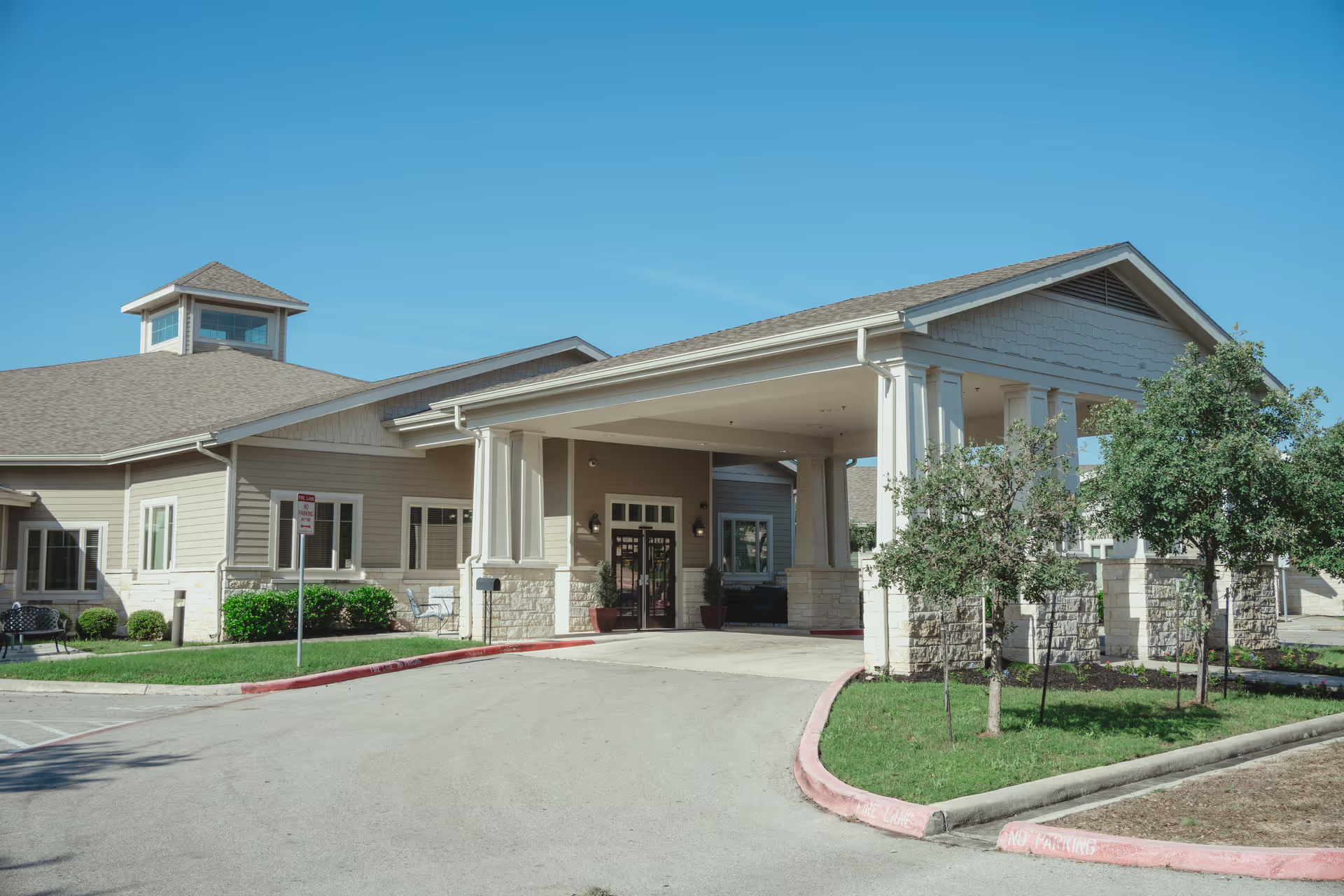
The reviews present a polarized but identifiable pattern: many families and patients emphasize compassionate, relationship‑driven care, while others raise operational concerns that affect safety, dignity, and service consistency. Across the positive accounts, nursing staff and CNAs are frequently characterized as attentive and emotionally supportive; admissions and leadership staff—most notably the named liaison—are praised for clear communication and family support. The facility’s rehabilitation program receives consistent recognition for effective therapy services and use of advanced equipment, and several families describe measurable functional improvement during short‑term stays.
At the same time, a number of reviewers describe systemic operational weaknesses. Dining experiences are highly inconsistent, ranging from palatable and special‑occasion meals to poor meal preparation and texture issues. Staffing levels are a recurrent concern, particularly overnight and on weekends, which reviewers linked to delayed responses, missed caregiving tasks, and longer waits for medications and pain relief. Several reviewers also raised concerns about staff training and supervision, citing examples that suggest inconsistent adherence to personal‑care protocols and sanitation standards.
Facility cleanliness and atmosphere are described positively by many families—clean rooms, a lack of institutional odor, and welcoming common areas—but other accounts indicate sanitation concerns and lapses in dignity during personal care. These divergent impressions suggest variability between units, shifts, or individual staff behaviors rather than a uniform facility condition. Reviewers also noted that long staff shift patterns may contribute to fatigue and uneven service delivery.
Management and leadership receive mixed but generally favorable comments: admissions coordination, family communication, and vendor collaboration are strengths cited by multiple families. However, there are complaints that raise governance questions, including concerns about how autonomy and power‑of‑attorney issues are handled and isolated allegations about on‑premises staff substance use and financial‑management transparency. These more serious claims appear less frequent but merit attention from oversight or administration to confirm facts and remediate risks if substantiated.
Overall, prospective residents and families should weigh two dominant themes. First, the facility demonstrates clear strengths in compassionate caregiving, individualized attention, and a robust rehabilitation program that can yield positive outcomes. Second, persistent operational issues—most notably inconsistent meal quality, staffing shortfalls at night and on weekends, delays in medication administration, and variable sanitation/personal‑care practices—represent risks that could affect daily comfort and clinical safety. Visiting the unit(s) of interest, asking specific questions about overnight staffing, medication‑timing protocols, staff training, sanitation audits, and financial or legal procedures will help families assess whether the facility’s strong interpersonal culture is matched by reliable operational practices in the areas most important to them.