Overall impression: Reviews convey a facility with strong interpersonal strengths and a homelike atmosphere alongside several operational concerns. Positive comments emphasize warm caregiving, resident engagement, and a clean physical environment; negative comments center on dining service, some staff interactions, and aspects of the admissions process.
Care and staff: Multiple accounts highlight compassionate, attentive caregivers who support resident autonomy and create a welcoming environment. Families describe positive connections between staff and residents, and several reviewers characterize the caregiving as deserving of praise. Alongside these positive observations, there are specific concerns about staff conduct and communication tone in some interactions; prospective families may want to observe staff–resident exchanges during a visit and inquire about staff training and supervision practices.
Dining: Dining emerged as a recurring area of concern. Reported issues include meals served at inadequate temperatures and a perception of inconsistent food quality. These comments suggest operational gaps in kitchen-to-table processes or plating practices rather than a single isolated incident. Visitors should request a sample meal or observe mealtime service and ask about kitchen staffing, warming/holding procedures, and how dietary concerns are handled.
Activities and resident life: Reviewers note meaningful opportunities for resident participation in activities and describe the setting as non-institutional and comfortable. The facility appears to support autonomy within a secure environment, and activity engagement is cited as a positive contributor to residents' adjustment and well-being.
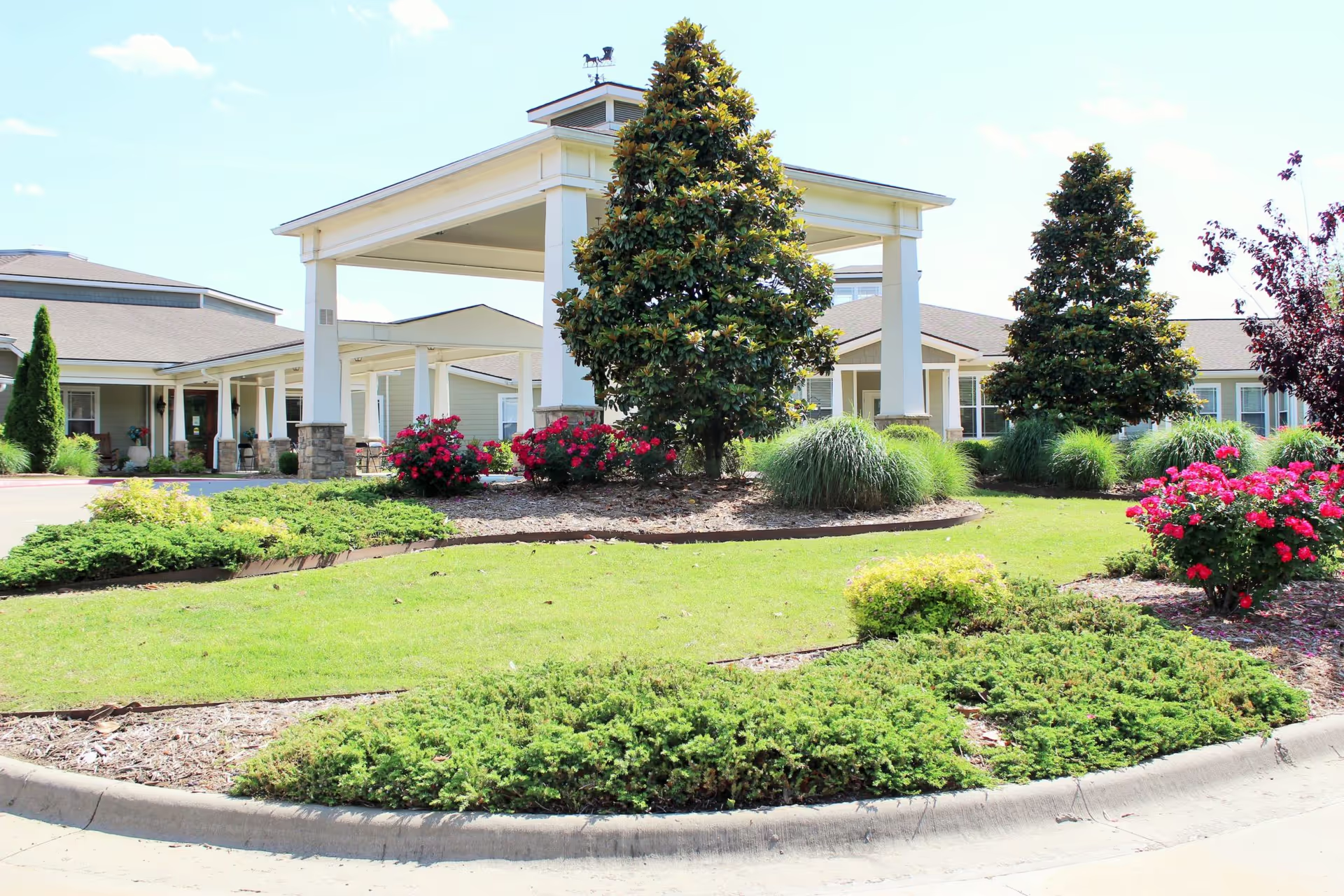
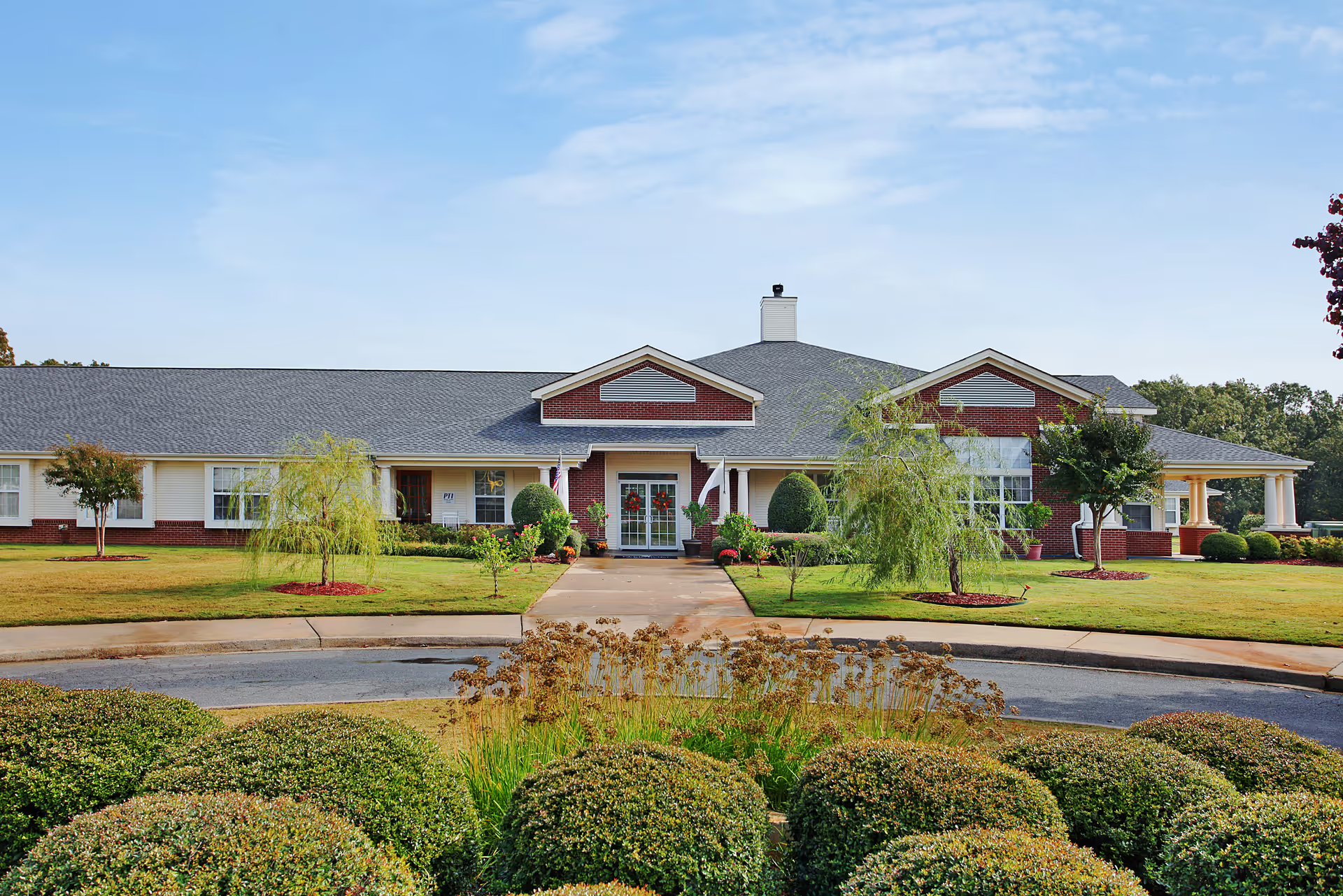
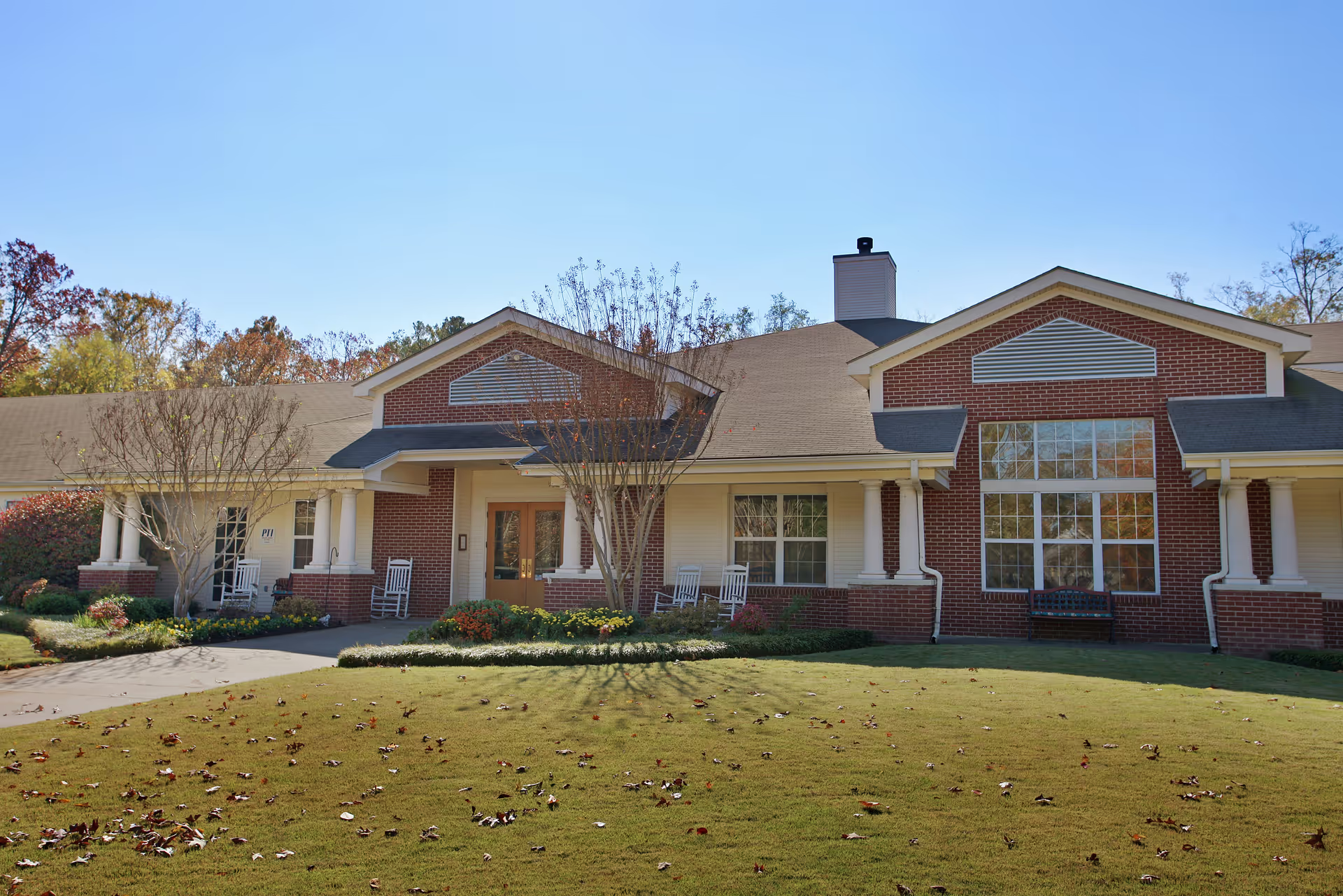
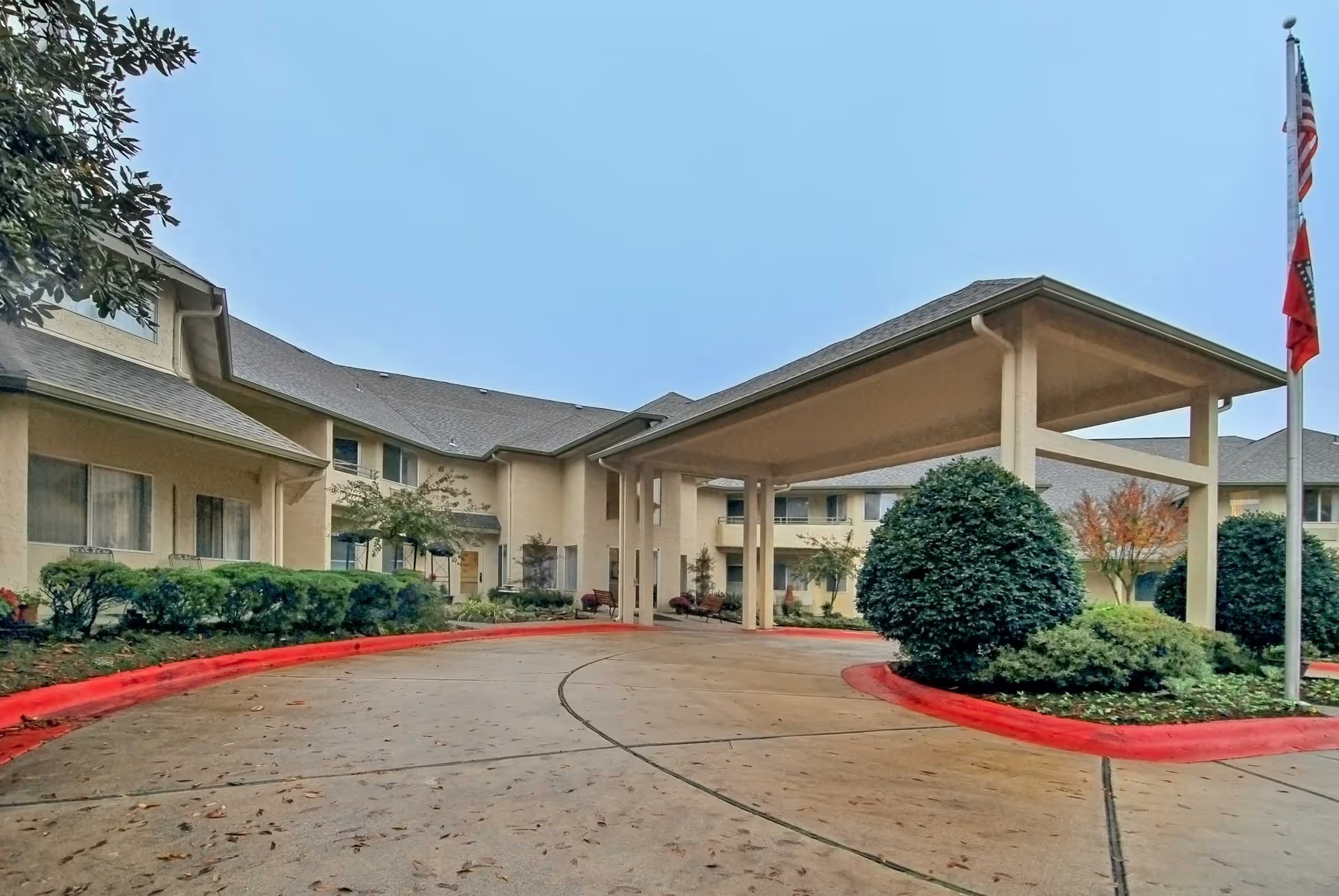
Facilities and cleanliness: The facility is described as clean and comfortable. Cleanliness and a maintained interior are consistent positives, which supports a more homelike atmosphere rather than a clinical impression.
Management, admissions, and communication: Several reviewers reported friction around admissions logistics and responsiveness. An appointment-only touring policy was noted as a barrier by some visitors; others described negative reactions related to payer status (Medicaid), which indicates potential variability in admissions conversations or policies. There are also comments that some complaints were not adequately addressed, suggesting opportunities to strengthen complaint-resolution processes and family communication. Prospective residents should ask for written admissions policies, clarification of payer acceptance, and examples of how the facility handles family concerns and follow-up.
Notable patterns and recommendations: Strengths center on compassionate caregiving, resident engagement, and a clean, homelike environment. Recurrent operational themes to evaluate further include meal service reliability, communication tone and staff conduct, complaint-resolution responsiveness, and admissions accessibility. When considering this community, visitors should observe mealtime service, meet both caregiving and administrative staff, request written policies on admissions and payer acceptance, and ask for references from current families to corroborate day-to-day practices.