Care quality at Robinson Nursing and Rehabilitation Center appears mixed. Several families described timely, effective post-surgical rehabilitation and individual staff members who provided attentive, compassionate care; those experiences emphasize the facility’s capacity for good clinical outcomes and a supportive recovery environment. At the same time, a number of accounts raise substantial concerns about inconsistent clinical responsiveness — particularly delayed response to call lights, delays in administering pain and bladder medications, and missed or delayed meals — that can affect resident comfort and safety.
Staff performance and conduct are described unevenly. Many reviews highlight caring, family-like interactions and named staff members who provided positive experiences, and there are comments that a new management team has initiated visible improvements. Conversely, other reports describe issues with staff tone, slow assistance, overnight coverage gaps, and frequent turnover (including front-desk changes). These patterns suggest variability across shifts and personnel, and families should expect fluctuation in day-to-day staffing and communication quality.
Dining and personal-care routines show similar inconsistency. Some reviewers commended meal quality and room service options; others cited late or missed meals and concerns about hydration continuity between meals. Personal-care items such as bathing frequency and timely diaper/linen changes were also described as inconsistent. These themes point to operational weaknesses in meal-service continuity and routine personal-care scheduling rather than universal absence of service.
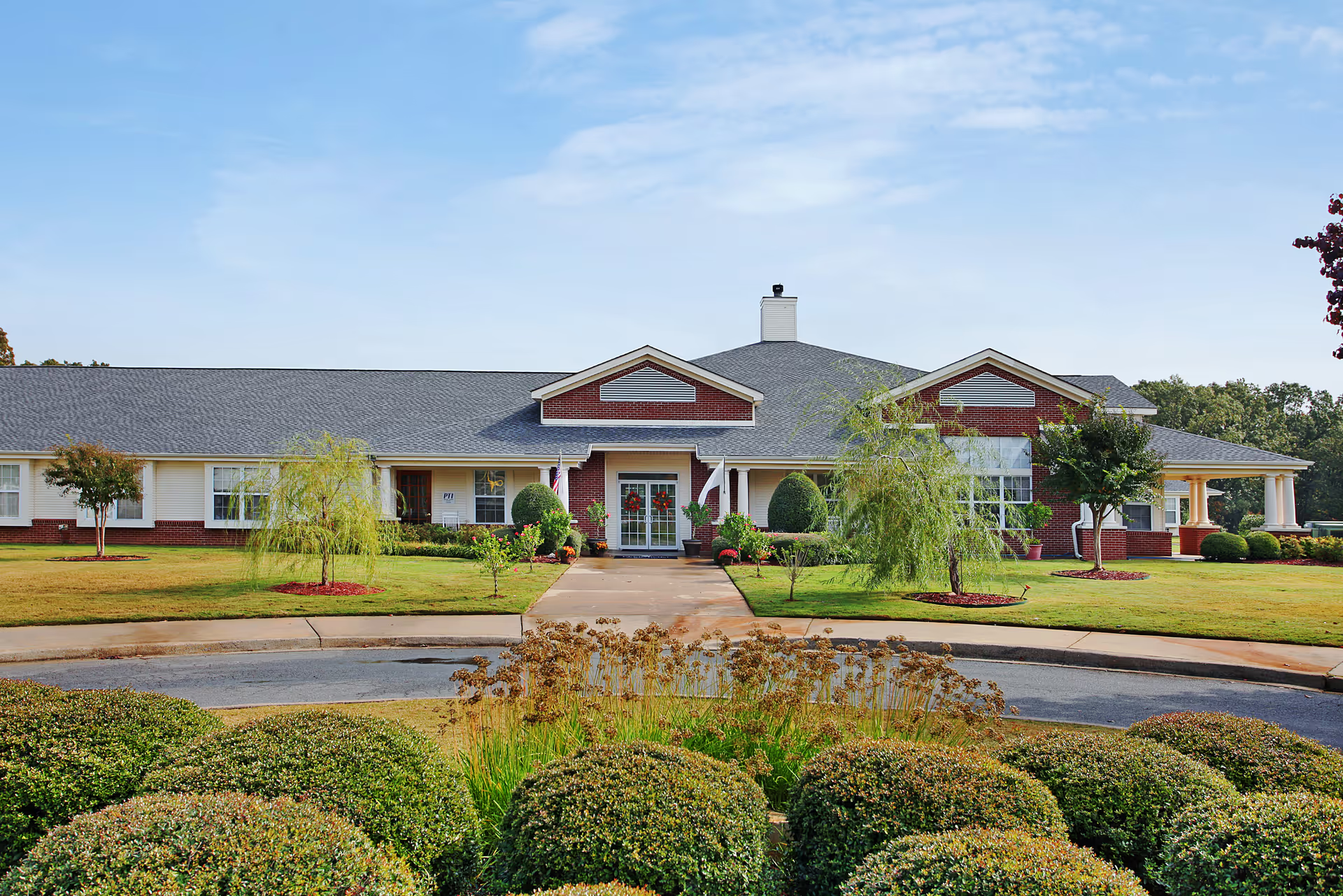
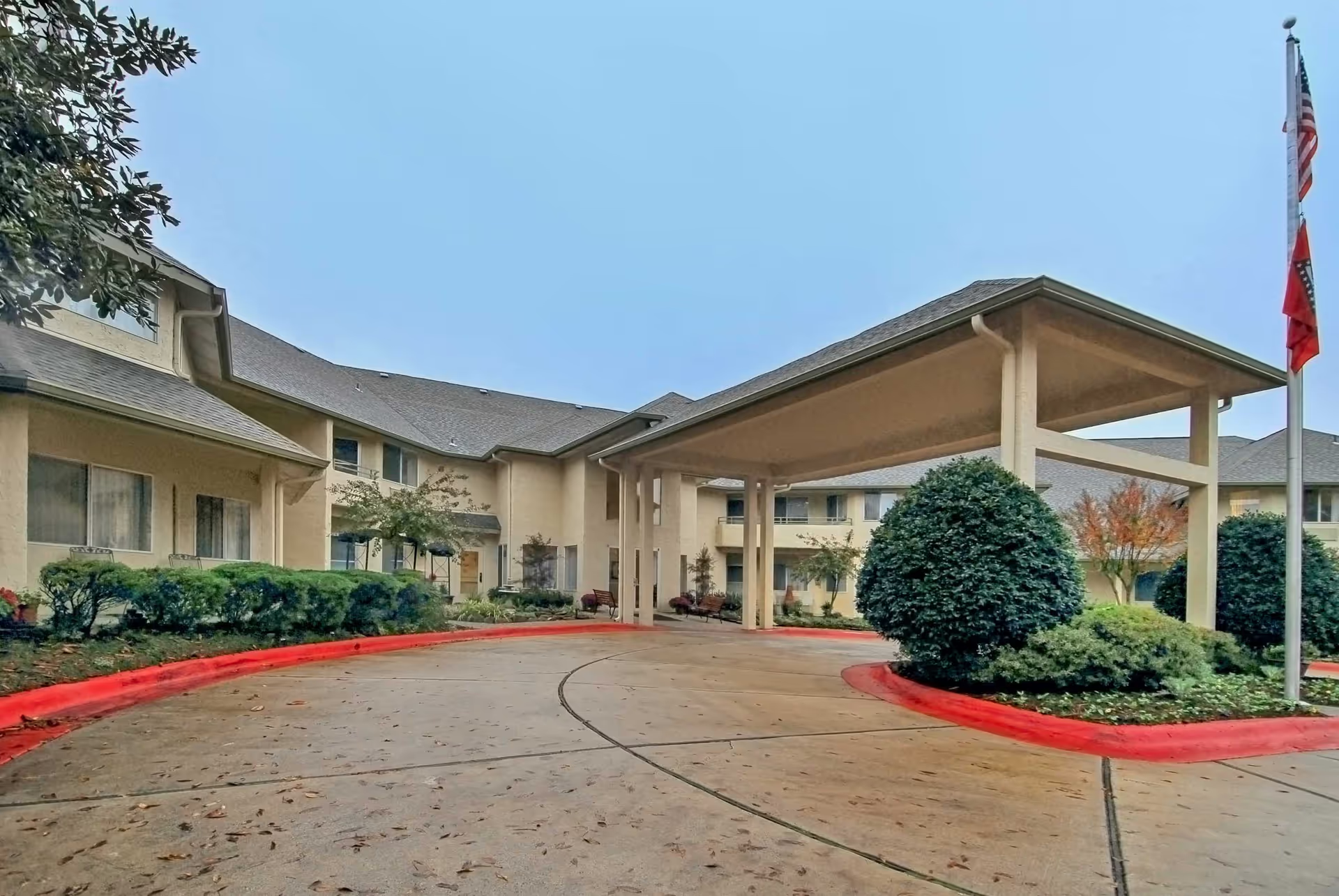
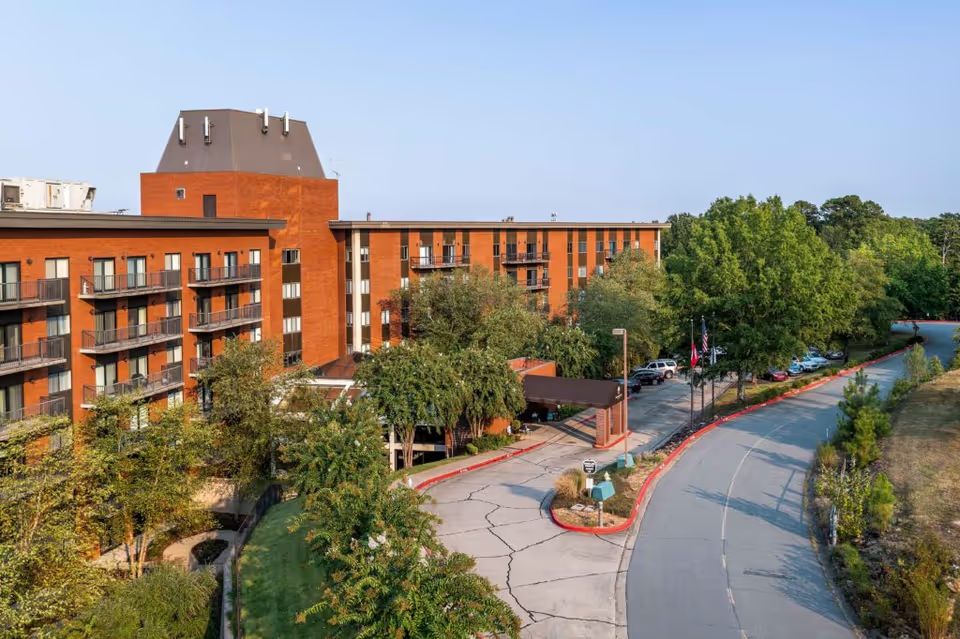
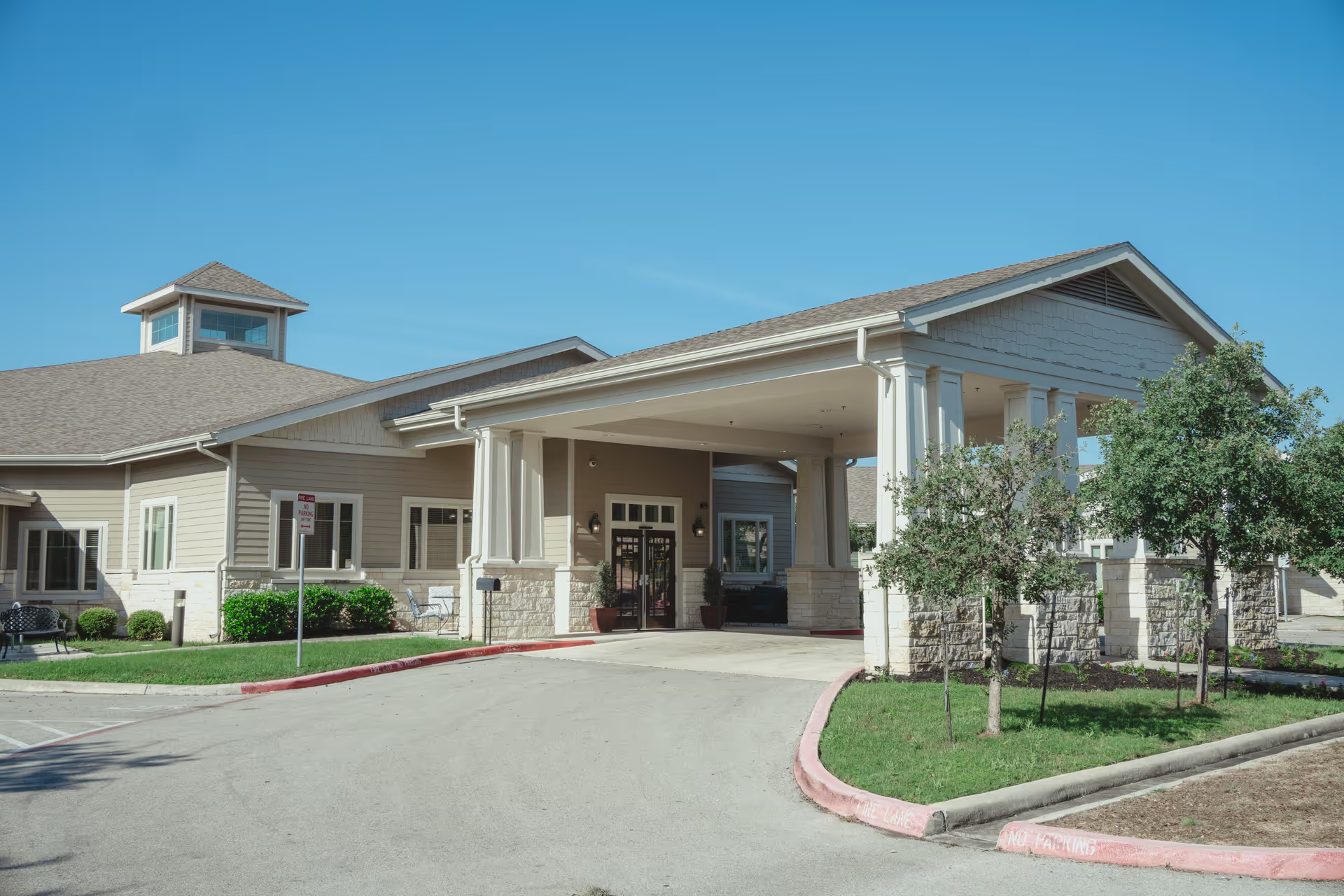
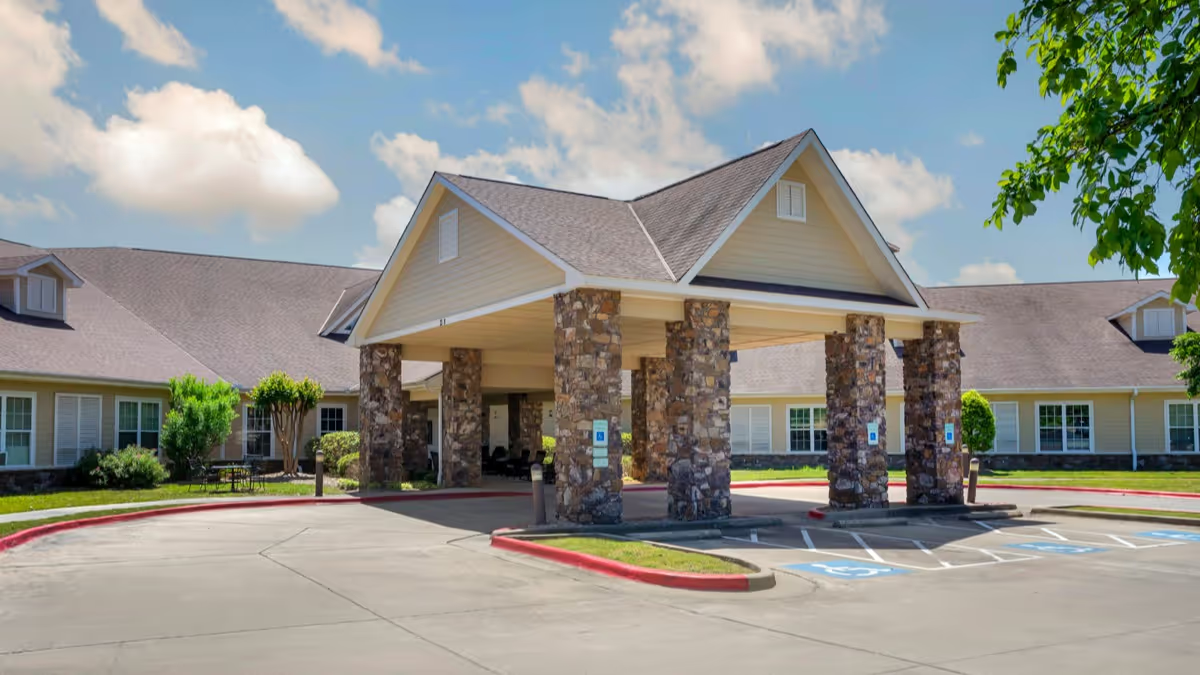
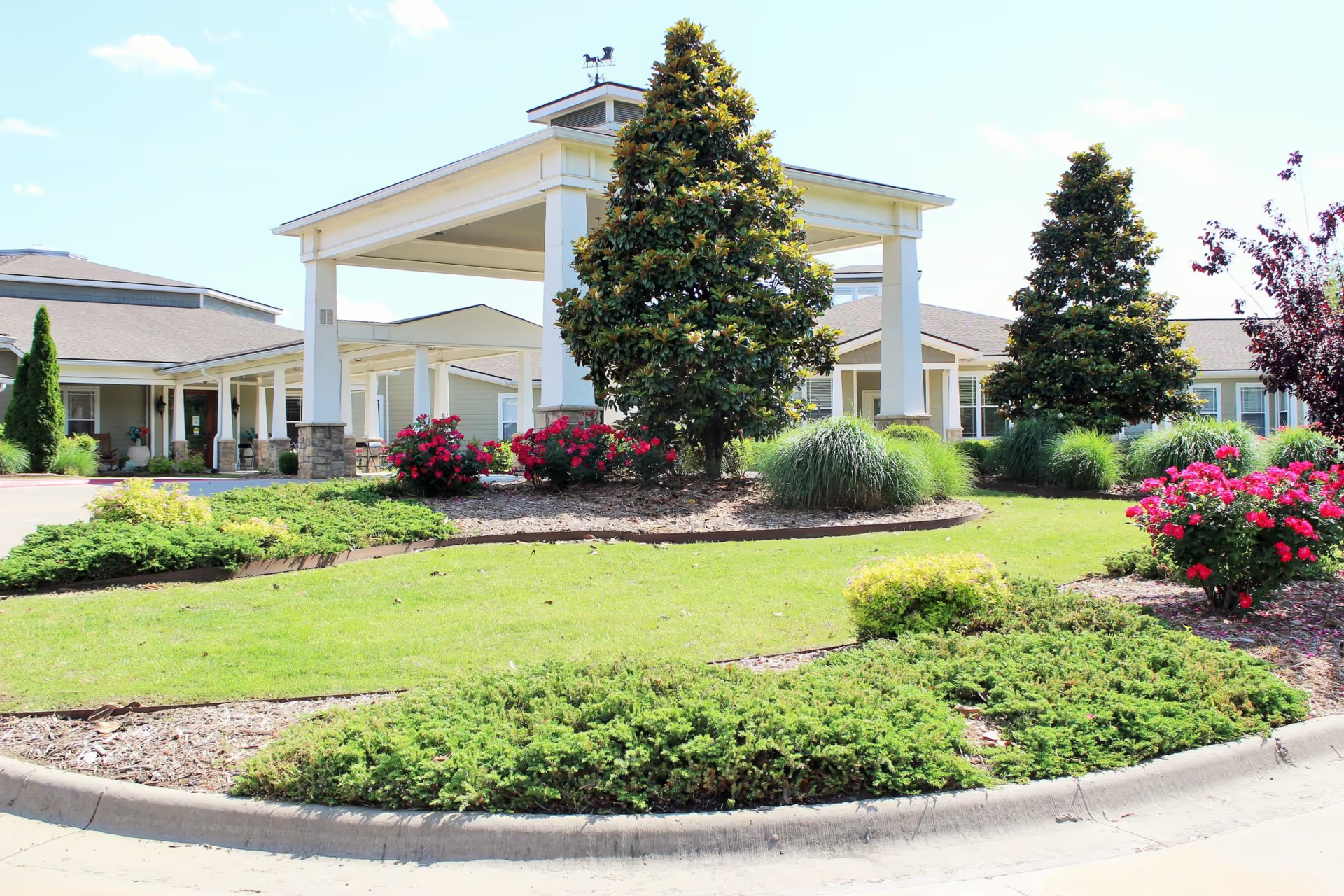
Facilities and environment receive largely positive remarks about appearance, cleanliness, and comfort; reviewers called the building attractive and well-maintained and noted good common areas. Nevertheless, isolated sanitation and odor concerns, accessibility issues (bathroom and switch placement), and room-readiness delays were also reported. Property-security concerns were mentioned, including missing clothing and personal items, which indicates a need for stronger belongings-management processes.
Management and operations show both challenges and areas of progress. Multiple reviews referenced turnover at administrative positions but also noted that new leadership has made improvements that are perceptible to families. Operational gaps include discharge planning weaknesses, missing orders for common comfort items, and inconsistencies in clinical-incident documentation and family notification. There are also allegations of staff theft and deceptive behavior; such claims are serious and merit formal investigation.
Notable patterns for prospective residents and families: expect variation in staff responsiveness and consistency of routine care, particularly across different shifts; weigh the facility’s demonstrated strengths in rehabilitation and some staff members’ attentiveness against the operational issues around medication timing, meal delivery, belongings management, and communication. If considering this facility, ask about current staffing levels, recent quality-improvement initiatives under the new management, specific protocols for call-response and medication administration, and the facility’s procedures for safeguarding residents’ property and communicating clinical events to families.