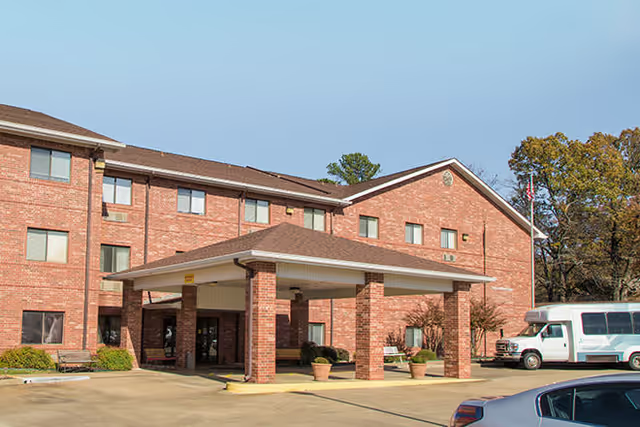
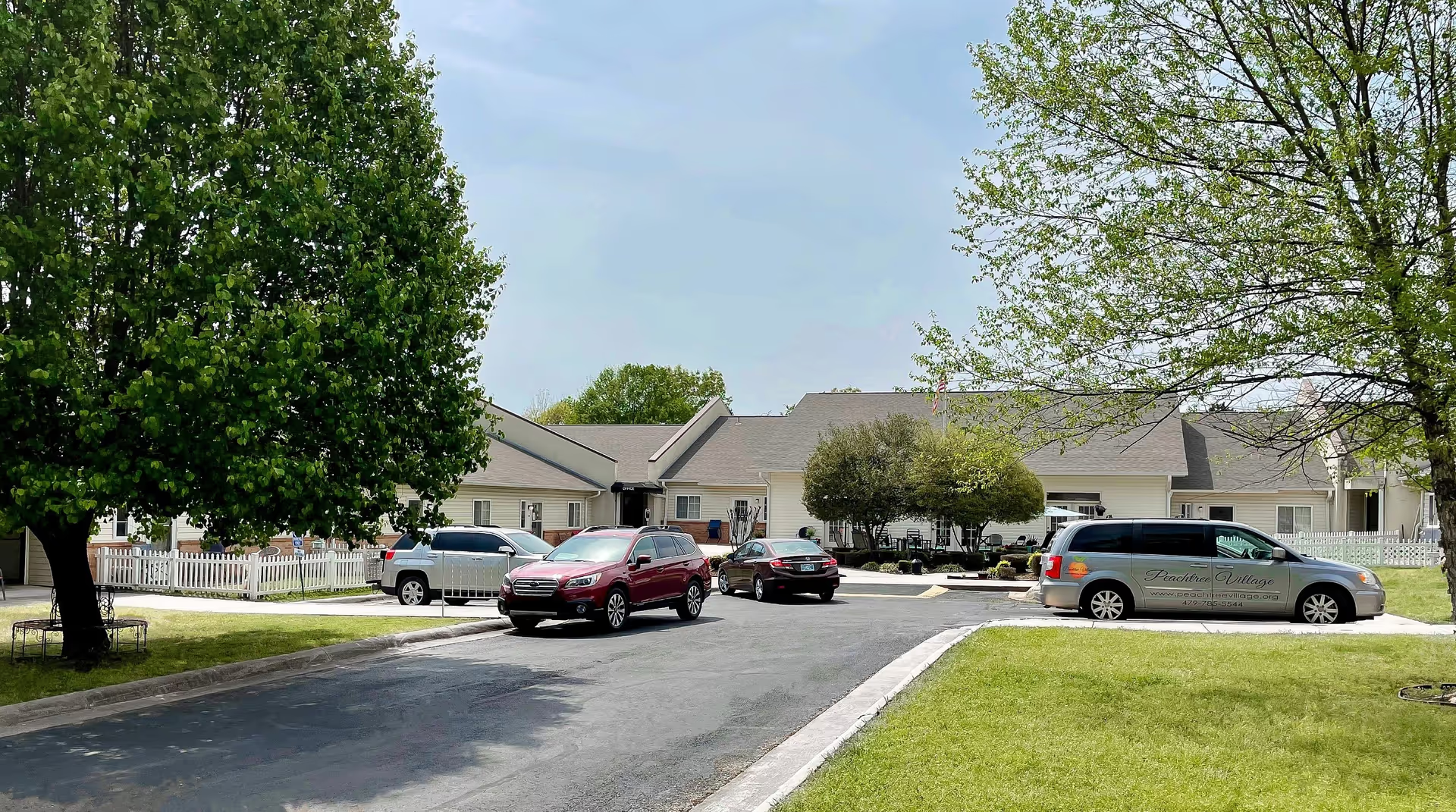
Overall impression: Reviews of Prairie Grove Health & Rehab are mixed, with distinct positive and negative themes. Several families praised the clinical outcomes and described staff who provide compassionate, long-term support; others raised concerns about staff behavior and operational reliability. The pattern suggests that care quality can be strong in many cases but also variable depending on staffing and shift coverage.
Care quality: Multiple reviewers described exceptional care and satisfactory rehabilitation outcomes, and some families indicated they would highly recommend the facility for long-term care. At the same time, other reviewers described experiences that did not match expectations set by the facility's marketing materials, indicating variability in consistency of care. This points to generally capable clinical services, with occasional gaps in follow-through or continuity.
Staff: Staff interactions are a central theme. Positive comments emphasize staff who feel like family and who provide attentive care. Negative feedback centers on concerns about staff conduct and communication tone, including instances of public beratement and unprofessional behavior. Reviewers tied some of these issues to staff burnout and workload pressures; understaffing and high workload were commonly mentioned as contributing factors. One review raised a serious allegation of discriminatory language by staff, underscoring a need for clear cultural-sensitivity and professionalism training and for transparent incident-handling procedures.
Dining and activities: The provided reviews include little specific information about dining quality or the activity program. Where the facility environment was praised, families implied that communal spaces and daily life were acceptable, but there is insufficient detail to form a firm conclusion about meal service or program variety. Prospective families should request menus, activity calendars, and sample schedules during a visit.
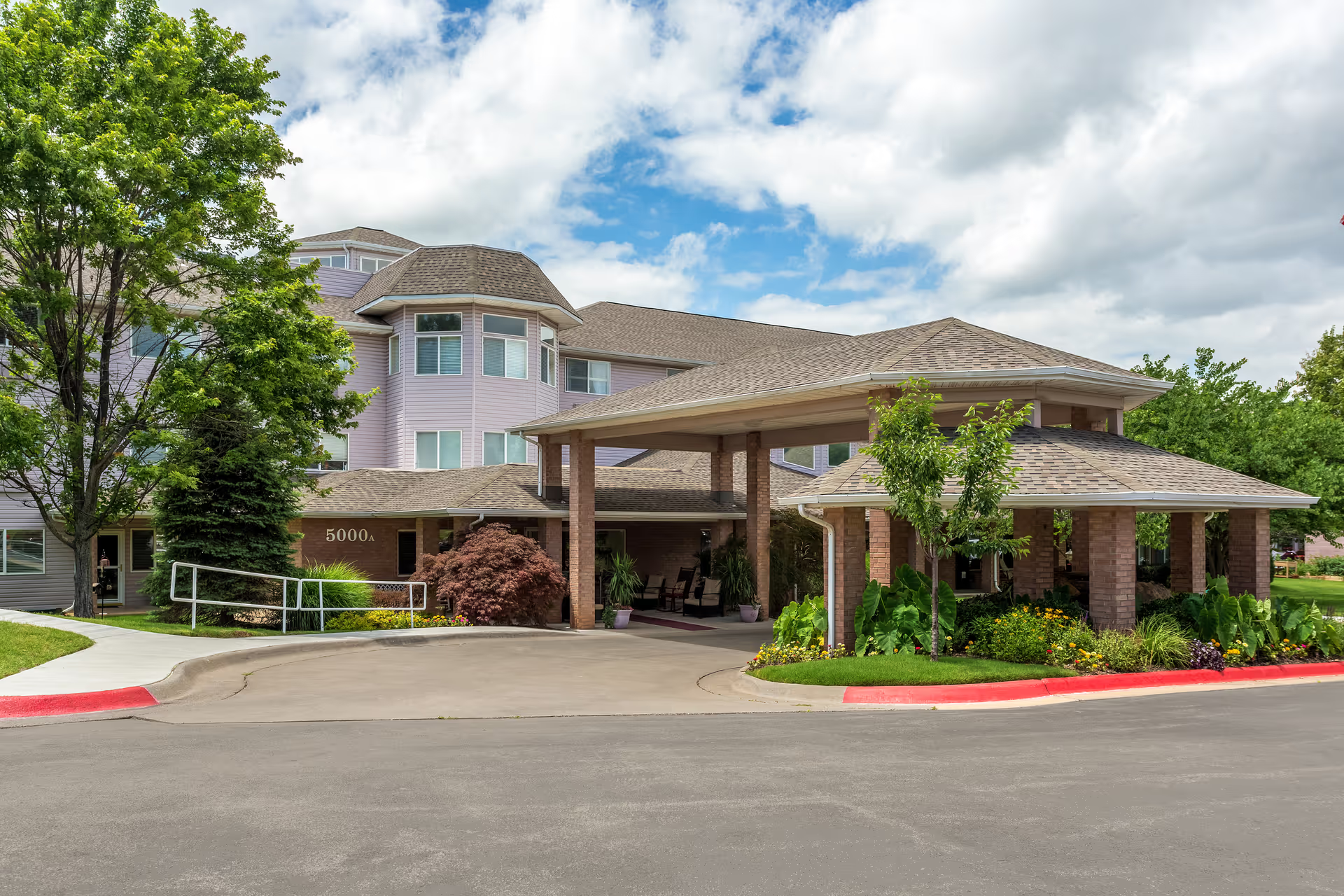
Facilities and management: Several reviewers described the physical facility positively as well-maintained, but management-related concerns were also noted. Reviewers described a gap between website claims and on-site experiences, suggesting opportunities for management to improve transparency about staffing levels, training policies, and quality oversight. Operational inconsistency across shifts appears to affect resident experience and family perception.
Notable patterns and recommendations: The dominant patterns are a combination of high-quality care delivered by many staff members and operational weaknesses tied to staffing, training, and consistency. These factors appear linked: staffing shortages and workload strain may be contributing to variable communication tone and professionalism. For prospective residents and families, recommended questions include current staffing ratios, staff turnover rates, training on professionalism and cultural competence, how incidents are handled and communicated to families, and the activity and dining offerings. An on-site visit that includes speaking with front-line staff, observing meal and activity times, and reviewing recent inspection or quality metrics will help assess whether the facility's strengths align with a specific resident's needs.