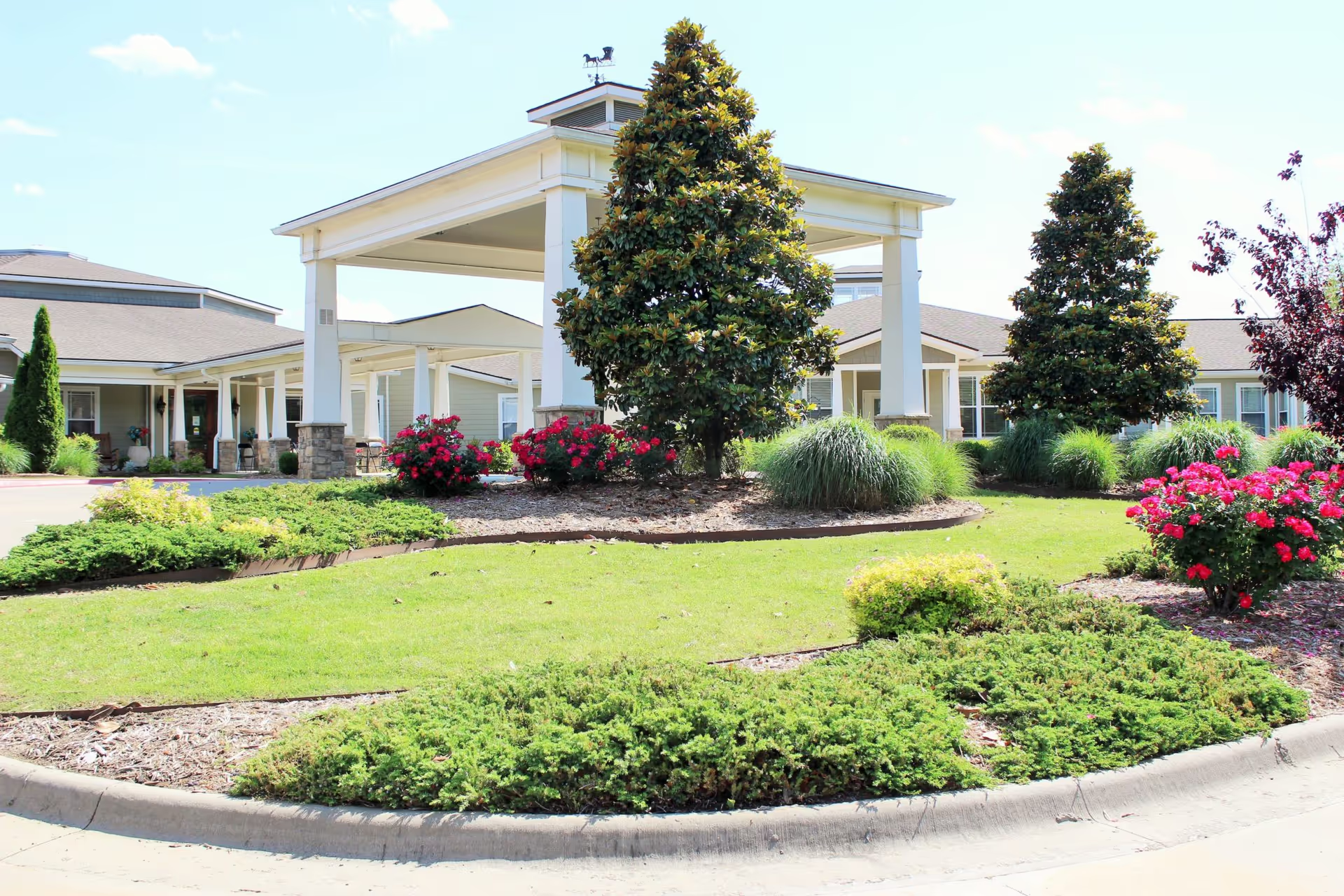
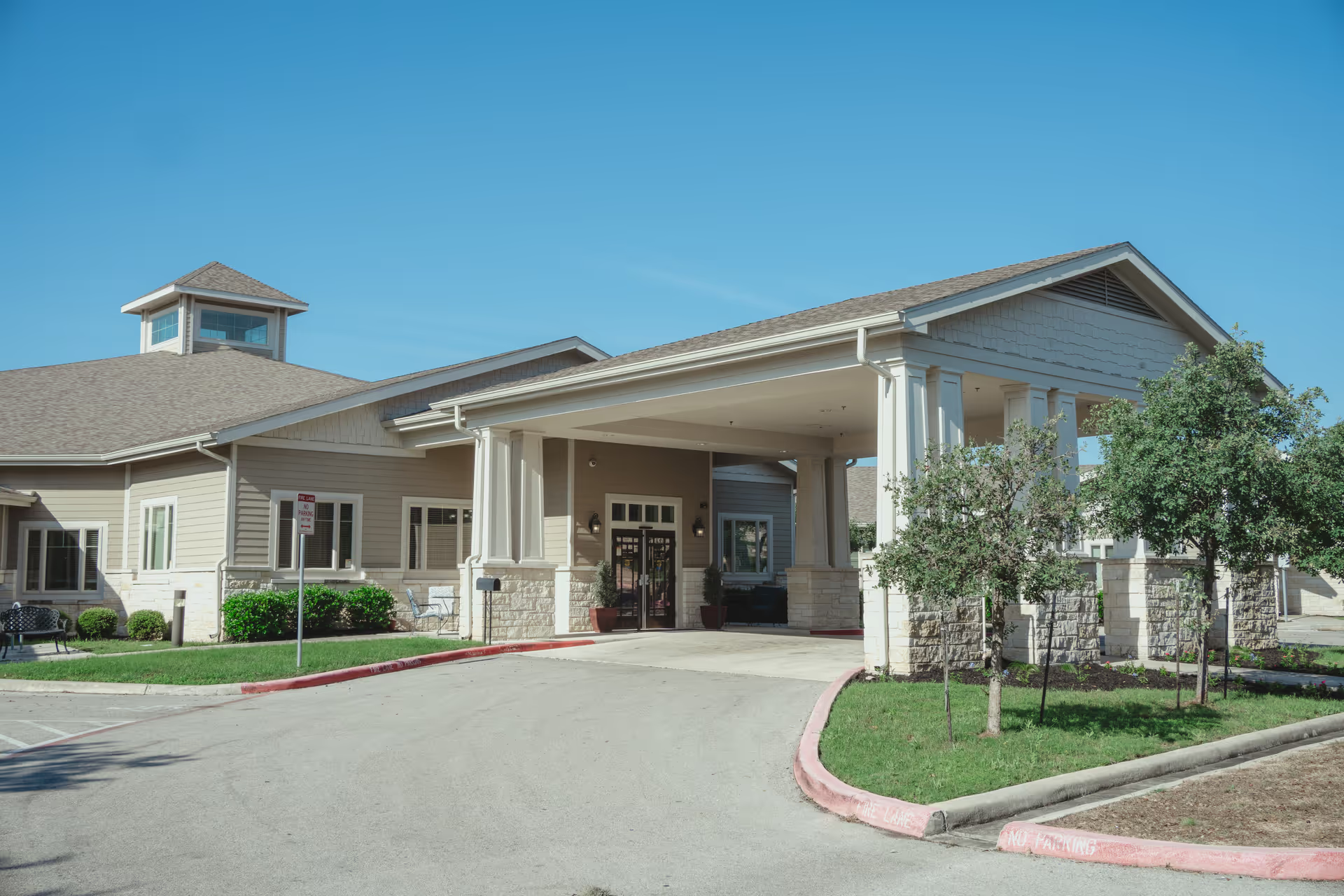
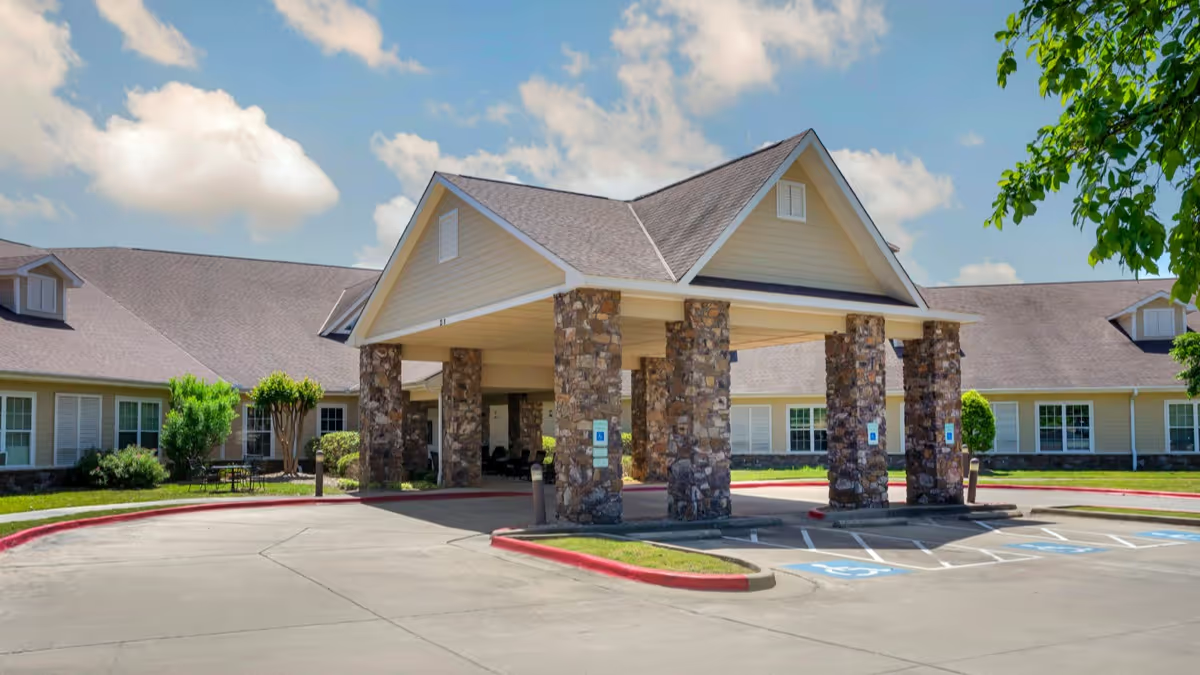
Experiences at The Crossing at Riverside Health and Rehabilitation are notably mixed, with a strong split between families who describe positive clinical recovery and social experiences and those who raise serious operational and clinical concerns. Positive accounts emphasize compassionate bedside care from CNAs and aides, effective and patient-driven therapy services, successful post-surgical rehabilitation (including hip-fracture recovery), and an engaging activity program that supports social connection and holiday events. Several reviewers also described the facility environment as attractive and welcoming, and some families reported a smooth admissions transition and meaningful peer relationships for their loved ones.
At the same time, recurring themes point to variability in clinical care and management. Multiple accounts indicate inconsistent nursing responsiveness and medication-administration practices, with families describing delays or discrepancies in how physician orders are implemented. There are also documented instances of wound- and skin-management issues that required hospital readmission in some cases, suggesting gaps in continuity of clinical oversight. In addition, there are concerns following a resident's death and serious allegations involving staff conduct and potential exploitation; these raise questions about the facility's incident response and resident-protection processes.
Rehabilitation and therapy are frequently praised for skill and patience, but some families found the rehabilitation delivery inconsistent or insufficient relative to expectations. Likewise, wound care is cited as a strength by several families while others experienced lapses, indicating variability in clinical performance across units or shifts. Infection-prevention and outbreak management is another area of concern: reviewers referenced an outbreak that led to restricted hall access, highlighting potential weaknesses in infection-control practices or communication during infectious events.
Communication and administrative practices are a prominent concern. Reviewers describe gaps in family notification, confusing or misleading information from case management, and limited availability of on-site clinical resources that had been advertised (for example, dietitian access or case-worker support). Desk-level and leadership responsiveness were characterized as uneven — while some staff and leaders were described as friendly and hands-on, others were portrayed as unhelpful or unavailable, which contributes to inconsistent family experiences.
Dining and activities produce mixed impressions: activity programming and staff-driven social engagement receive positive mention, whereas meal quality and service consistency were called into question by other families. Facility appearance and the warmth of many floor staff were generally positive points, but operational traits — staffing variability, gaps in communication, inconsistent clinical practices, and concerning allegations of staff misconduct — are the dominant drivers of negative assessments.
For prospective residents and families, the pattern suggests verifying specific operational details during tours: ask about nursing staffing ratios and supervision, medication-administration policies, wound-care protocols, infection-control procedures, case-management roles and credentials, and actual availability of advertised services (for example, dietitian access). Request recent inspection or quality reports and ask how the facility addresses family communications and clinical incidents. These steps can help clarify whether the program’s strengths in therapy and compassionate bedside care are consistently delivered in a way that meets your family’s clinical and safety expectations.