Overall impression: Reviewers describe a facility with clear strengths in therapy and activity programming alongside recurring operational weaknesses. Many families and residents praise the rehabilitation and restorative therapy teams, several long‑standing clinical and environmental staff members, and a range of social and recreational programs that include arts, music, outings and on-site religious services. Multiple accounts cite individual staff members and leaders who are attentive, communicative, and supportive during admissions, therapy, and discharge planning.
Care quality and staffing: Clinical care experiences vary substantially. Positive accounts emphasize compassionate CNAs, effective therapy outcomes, individualized care plans, and helpful nursing leadership. However, a consistent concern across reviews is staffing instability — including frequent use of agency/travel nurses, high turnover, and understaffed weekend shifts — which reviewers connect to delays in responding to call lights, delays in personal‑care assistance, and inconsistent attention to residents' needs. Reviewers cited instances implying pressure‑injury risk and gaps in timely care; these are best understood as operational risks associated with inconsistent staffing and workflow rather than single isolated events.
Dining and nutrition: Comments on food are mixed. Some reviews compliment dietary staff and specific meals, while others report undercooked or poorly prepared items, limited snack delivery, ice/cup serving issues, and erratic meal availability. Meal quality appears variable by shift and by unit; prospective families should expect uneven experiences rather than uniform dining performance.
Activities and social life: Activity programming is a clear strength in many accounts. The facility offers a wide variety of engagement opportunities — group exercise, crafts, music, outings, seasonal events and memory‑care programming — that several families described as meaningful for socialization and emotional well‑being. The Alzheimer's/secured memory wing receives particular praise for appropriate early‑stage programming, though reviewers noted that placement and transitions out of that wing can be inconsistent as residents’ needs change.
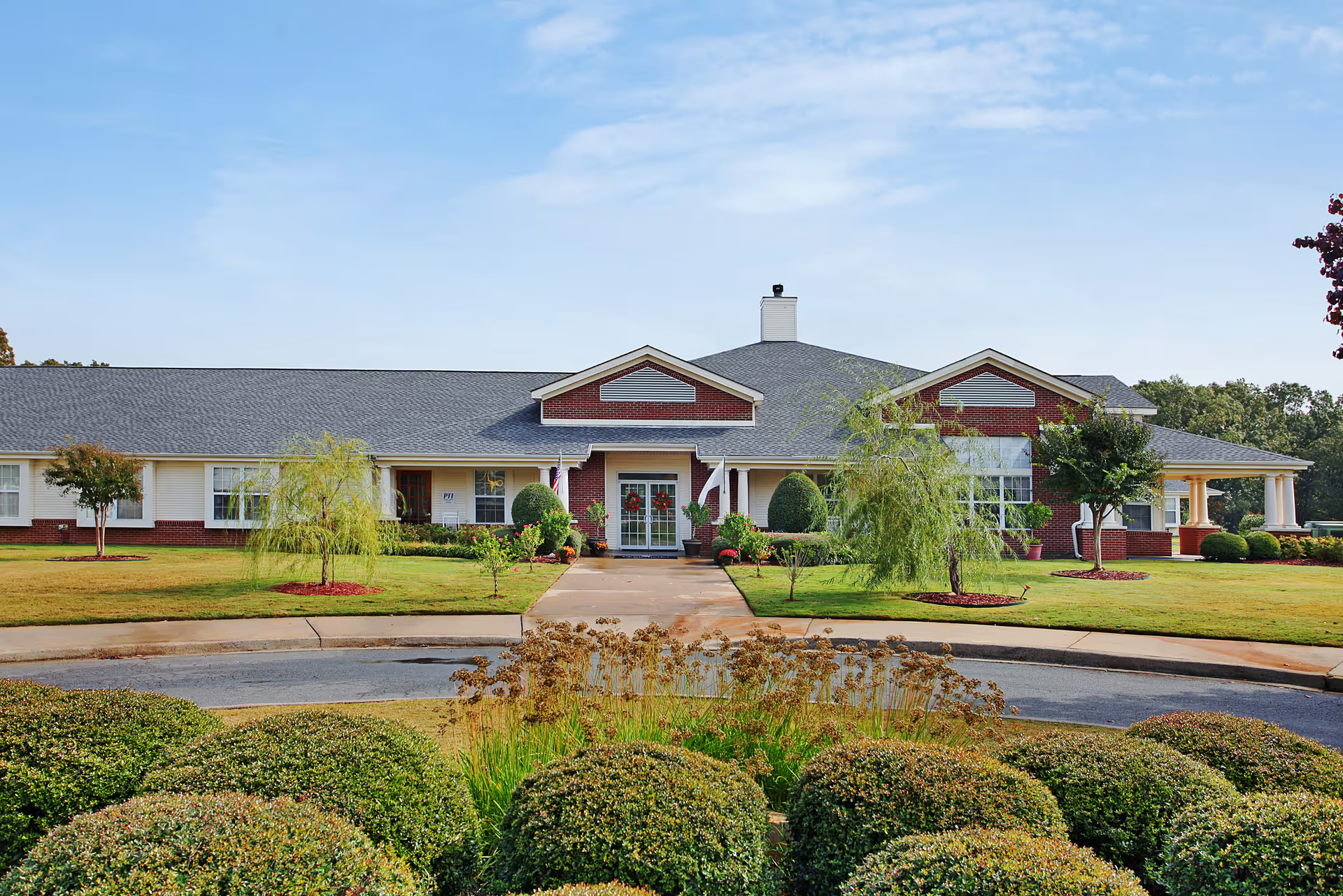
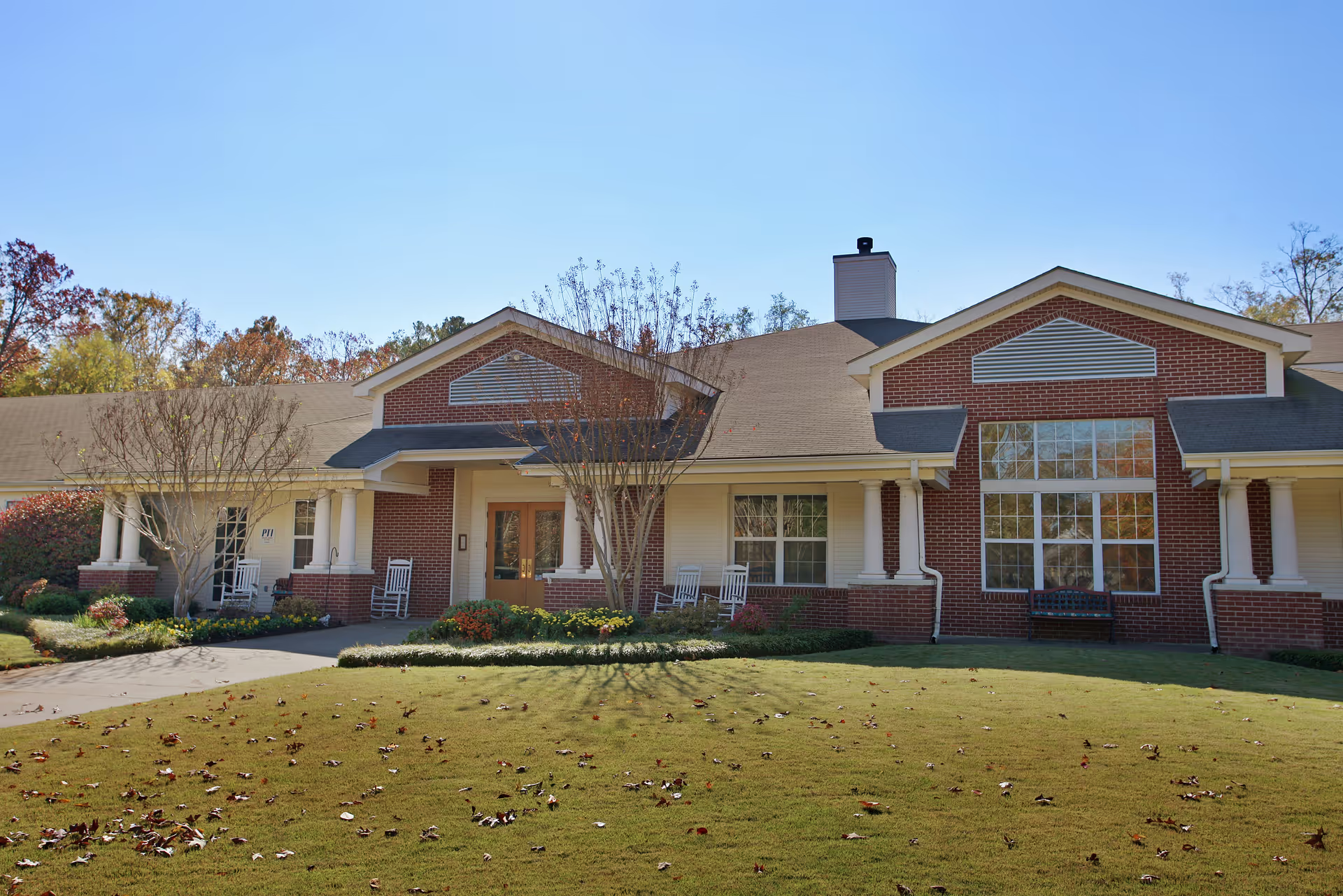
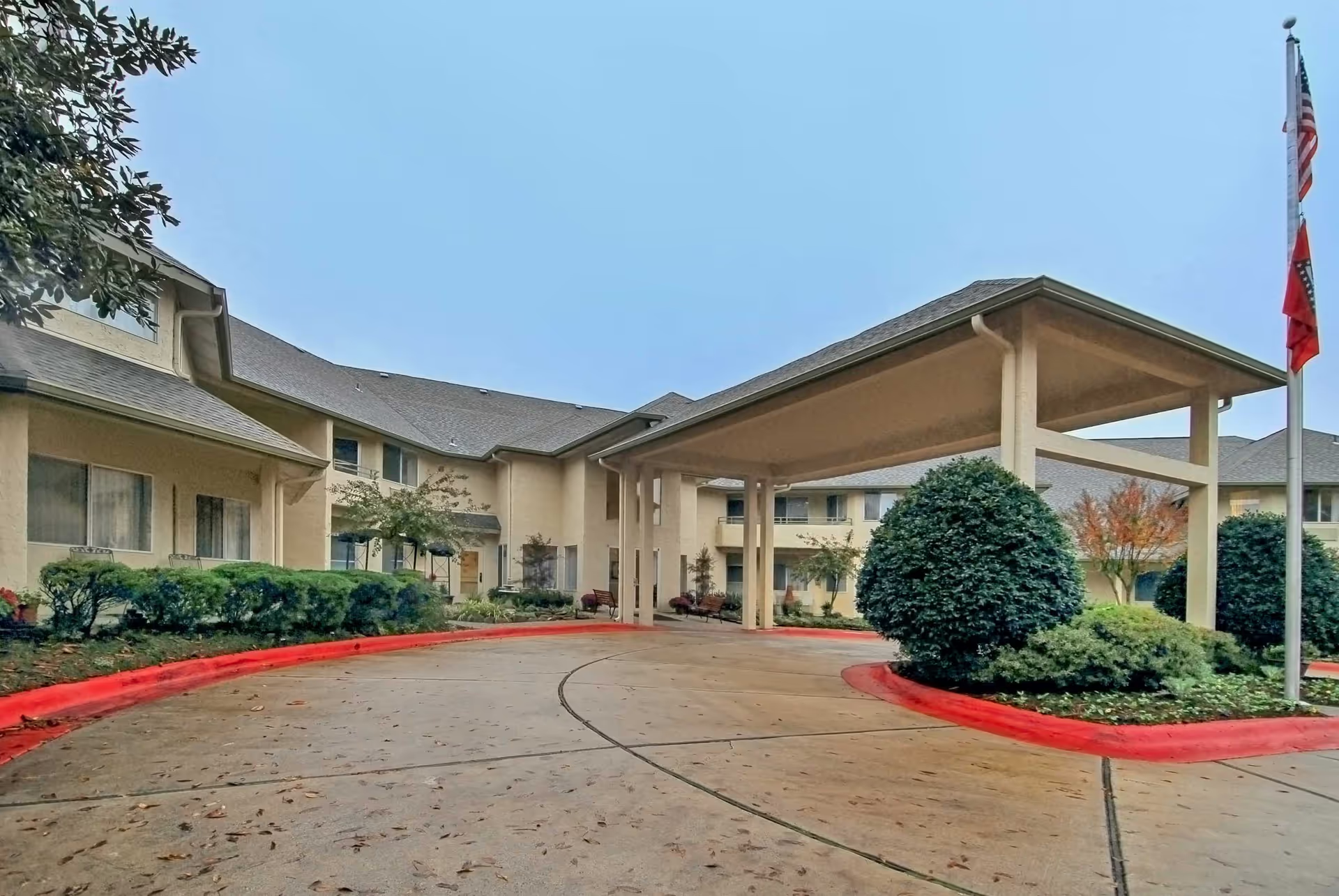
Facilities and cleanliness: Physical condition reports are mixed. Positive remarks highlight clean, odor‑free areas and conscientious environmental staff. Conversely, other reviews describe localized sanitation issues, mold or cleaning lapses in rooms and community showers, and odor concerns near certain unit entrances. Facility appearance and equipment are described as aging in places, with complaints about outdated furnishings, maintenance delays, and overgrown outdoor spaces. These issues appear to cluster in specific units and shifts and may reflect variable housekeeping and maintenance follow‑through.
Management, safety, and security: Reviewer experiences with management are polarized. Some families report hands‑on, courteous administrators and effective problem resolution; others describe dismissive communication and inadequate advocacy on safety concerns. More serious items reported in reviews include state complaints, regulatory citations, a temporary closure/management change referenced by some families, and allegations of missing valuables. Use of the term "allegations" here reflects that these claims include both regulatory action and individual-level claims that some families described. These accounts underline the importance of asking about recent regulatory history, incident resolution processes, and property‑security protocols during a tour.
Notable patterns and guidance: The most consistent pattern is variability — positive clinical and social programming coexists with operational inconsistency tied to staffing, maintenance, and meal service. Weekends, specific shifts, and use of agency staff are recurrent contexts for negative experiences. Families valuing strong rehab and active programming may find real strengths here, while those prioritizing consistent hands‑on nursing care and uniform housekeeping may want direct, specific assurances about staffing ratios, medication‑administration protocols, room‑cleaning schedules, and security measures before committing. A targeted tour, conversations with therapy staff and nursing leadership, and review of recent inspection and complaint history will help clarify whether the facility’s current operations align with a prospective resident’s needs.