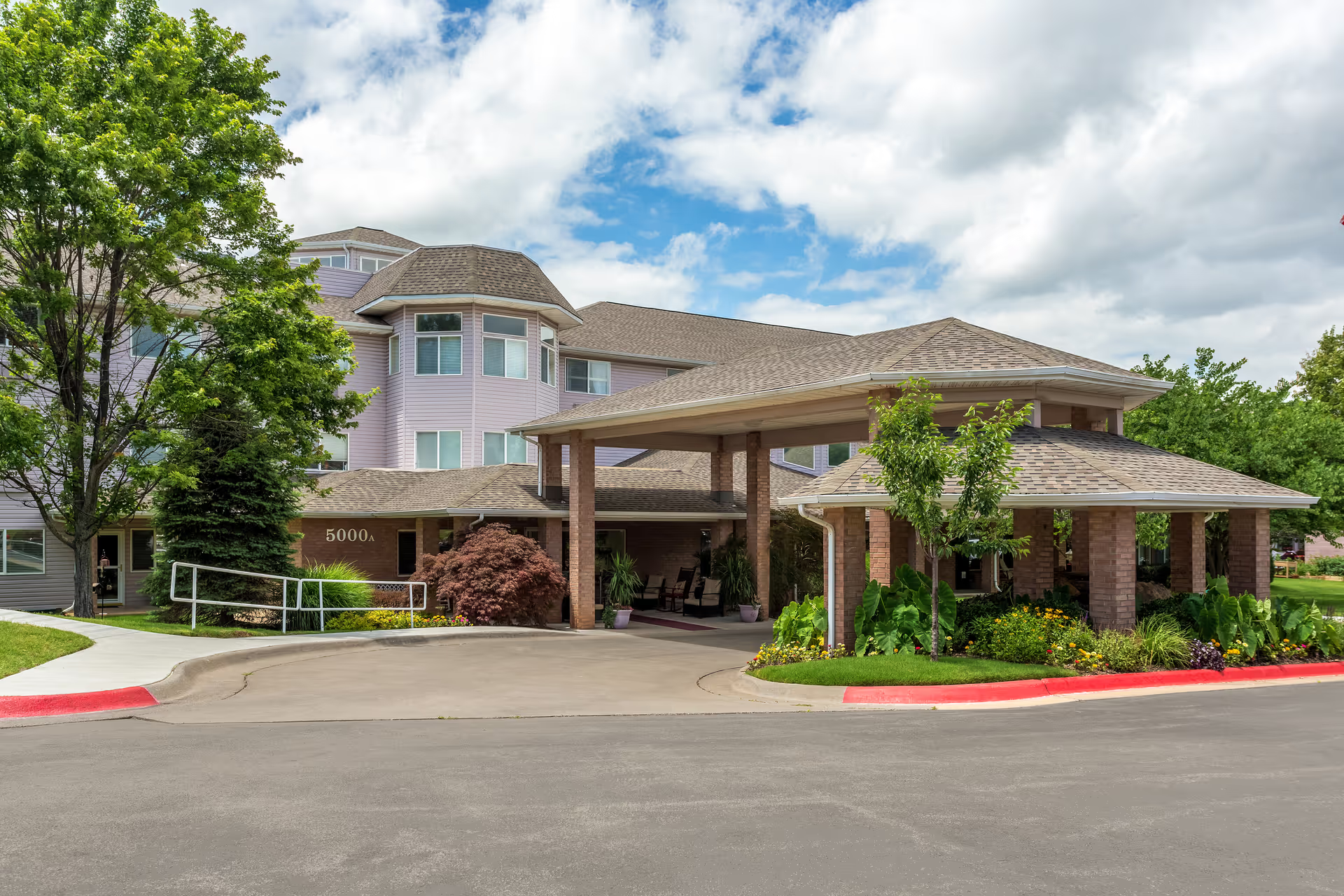
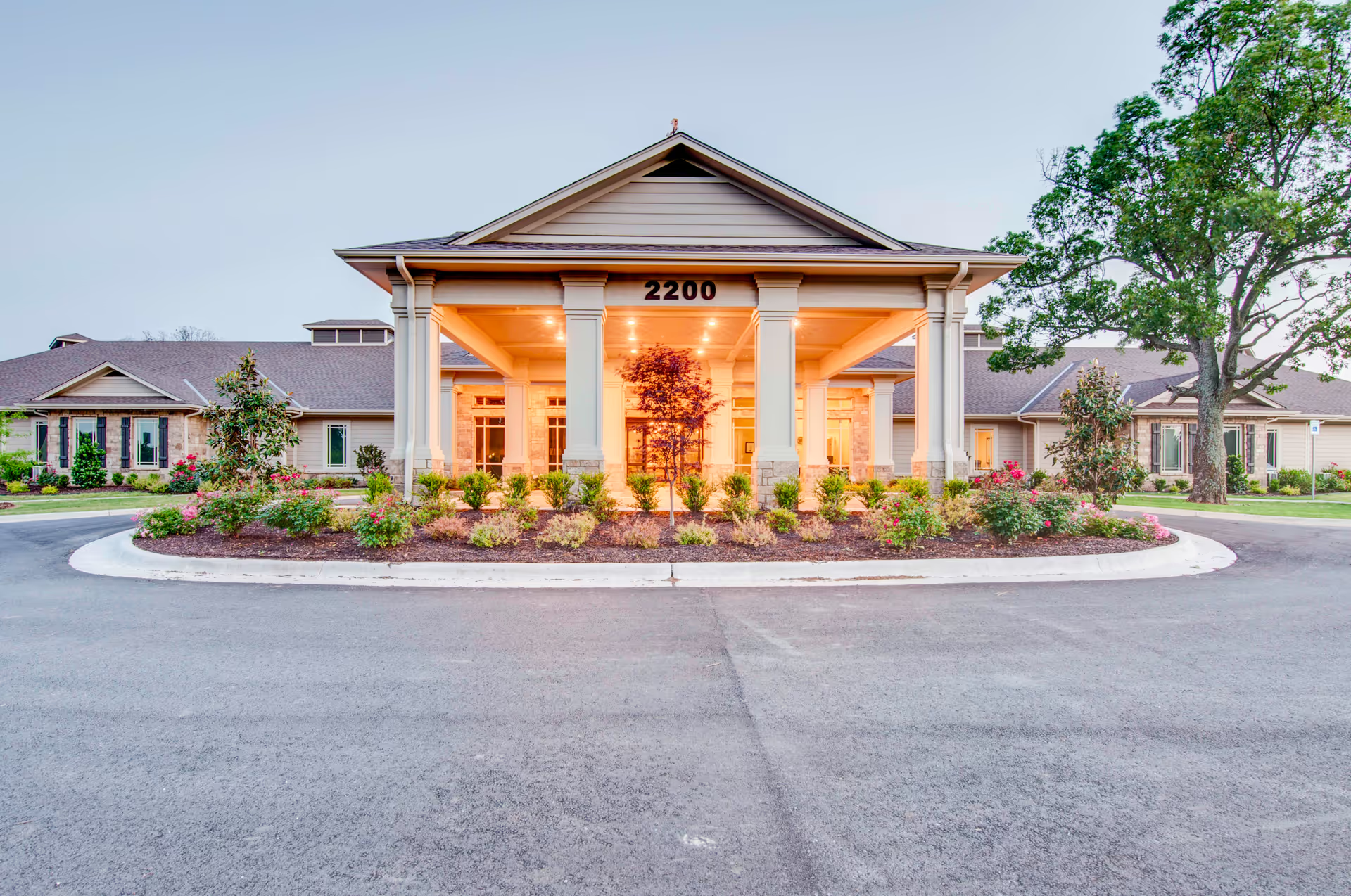
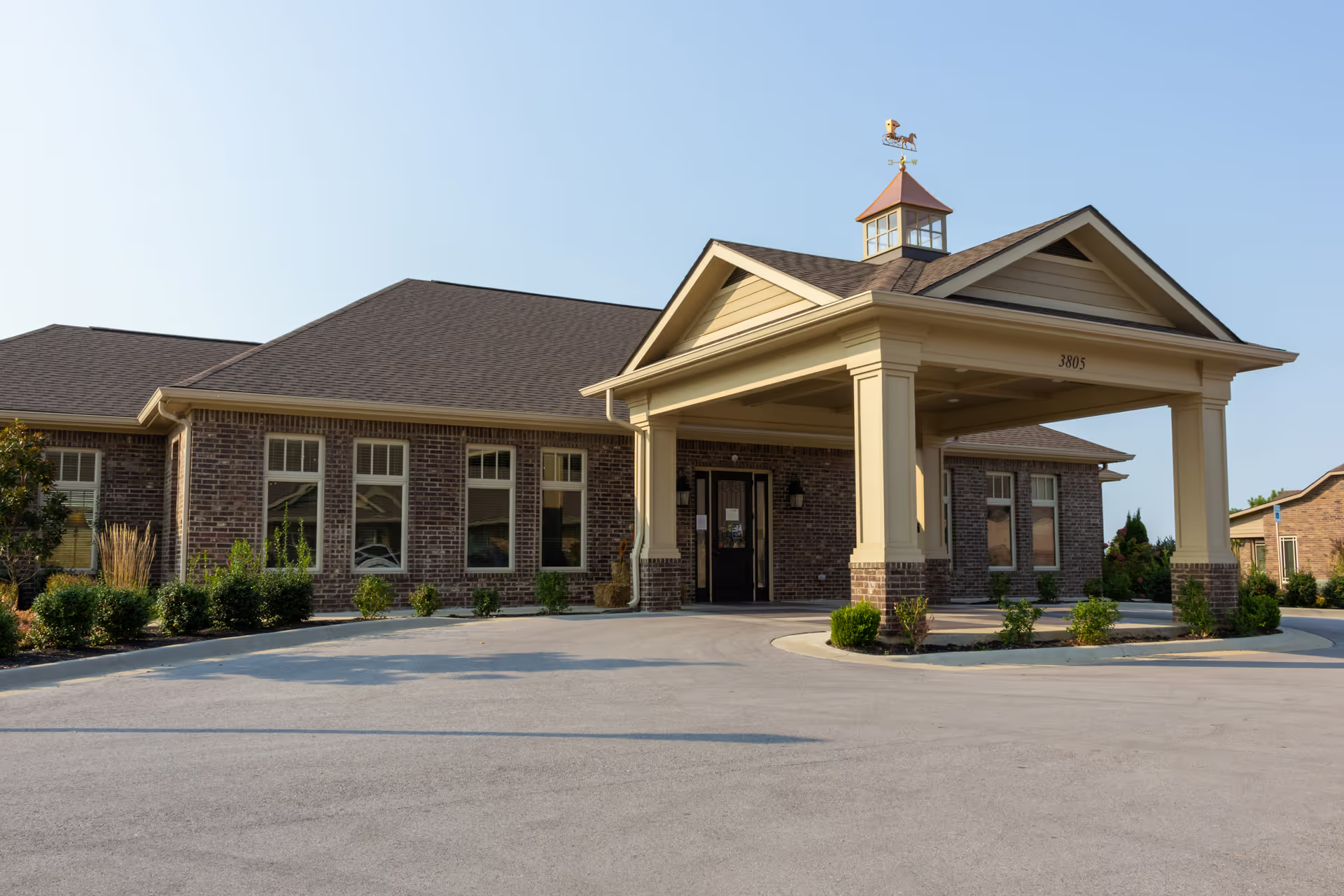
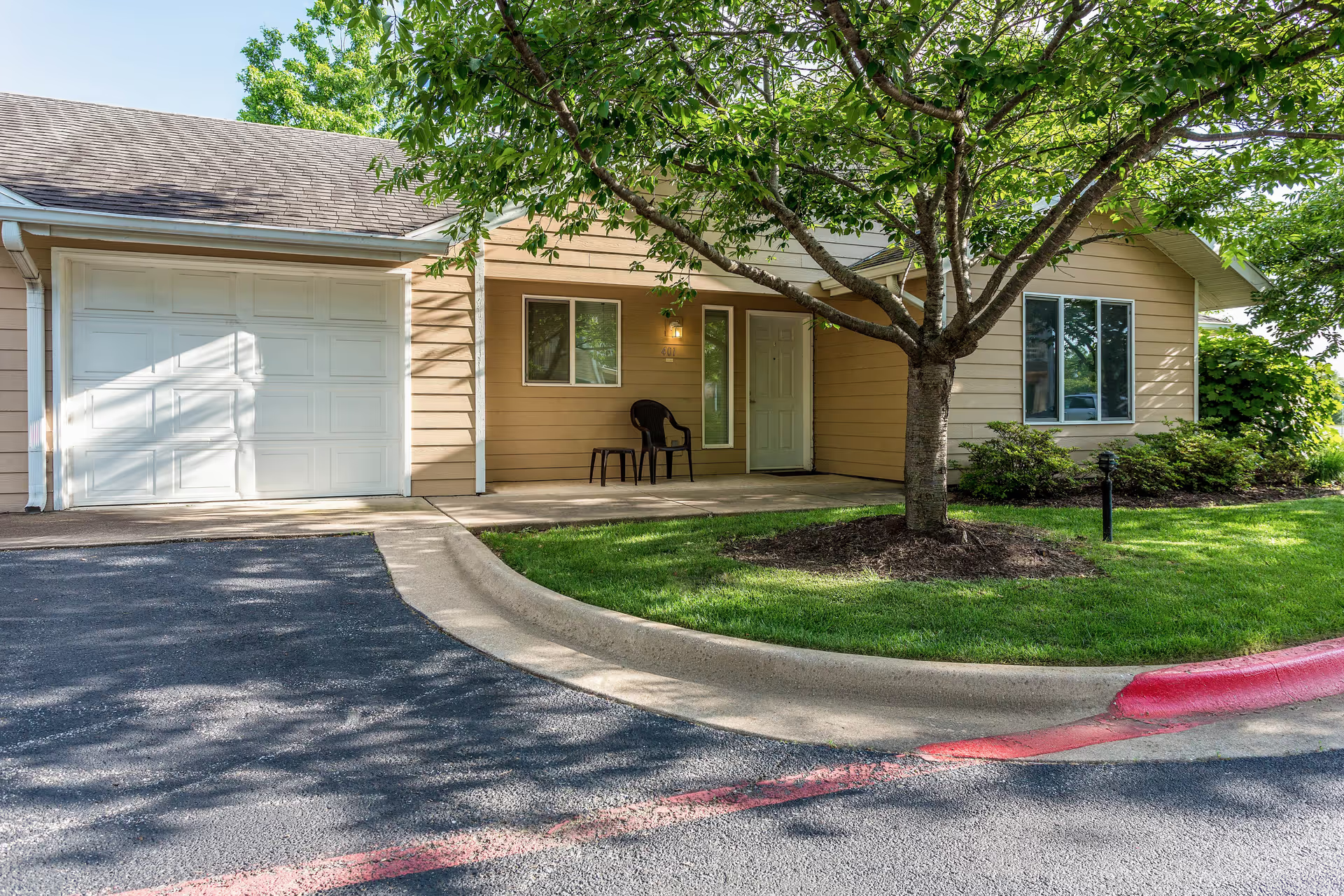
Hope's Creek Retirement Living elicits strongly divided impressions. Many families and residents describe consistent strengths: caregiving staff who are patient and attentive, housekeeping and kitchen teams that keep the environment clean and comfortable, and a robust activities program with outings that promote socialization. Reviewers commonly cite a homey, family-like atmosphere, convenient location, and meals that are varied and tailored to preferences; several note that the facility feels modern and odor-free and that the community provides good value for the cost.
Care and staffing receive mixed assessments. Positive accounts emphasize compassionate, cross-role staff performance — caregivers, housekeepers, activity staff, nursing leadership, and administrators are all singled out by some as going above and beyond and keeping families informed. Conversely, other accounts describe inconsistent professionalism, negative staff interactions, and occasional absence of on-shift staff. These divergent perspectives suggest variability in staff conduct and coverage that can affect day-to-day resident experience.
Dining and nutrition are generally praised for variety and responsive dining-hall service, with some reviewers describing meals as personalized or catered to preferences. However, there are also reports of missed or delayed meal delivery and an operational gap in nutrition oversight; the absence of an on-site dietitian has been identified as a potential weakness for residents with complex dietary needs. Prospective families should ask about meal-service continuity and nutrition-management processes.
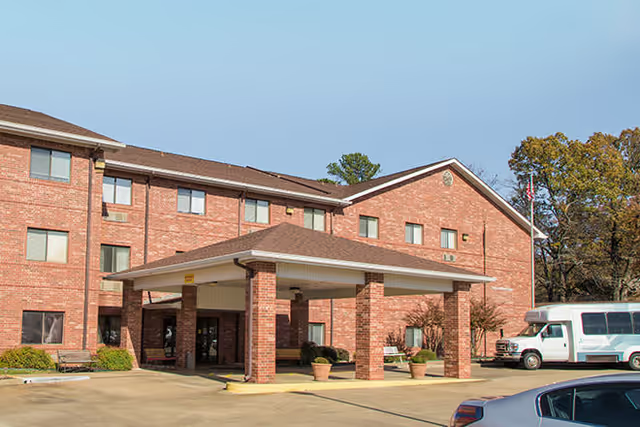
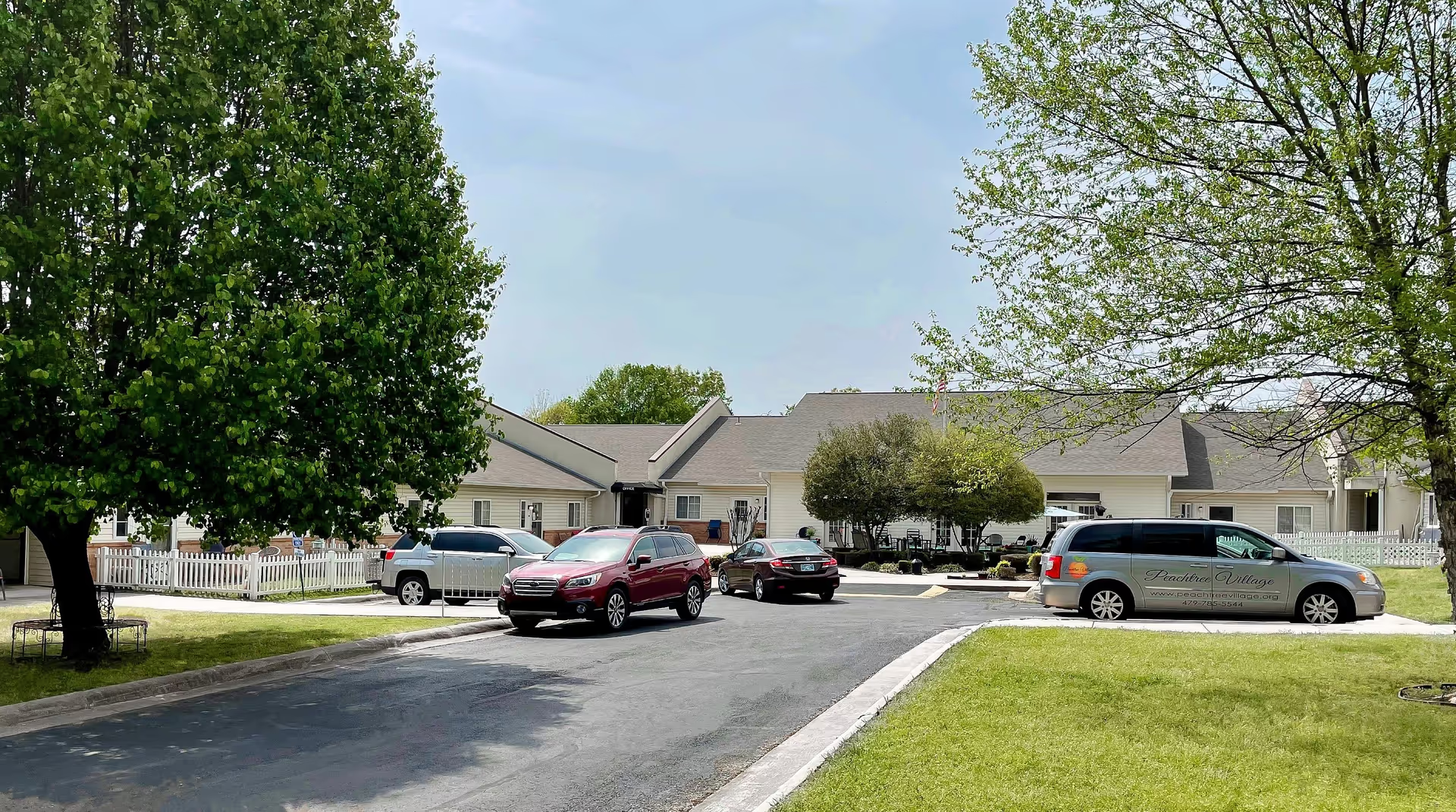
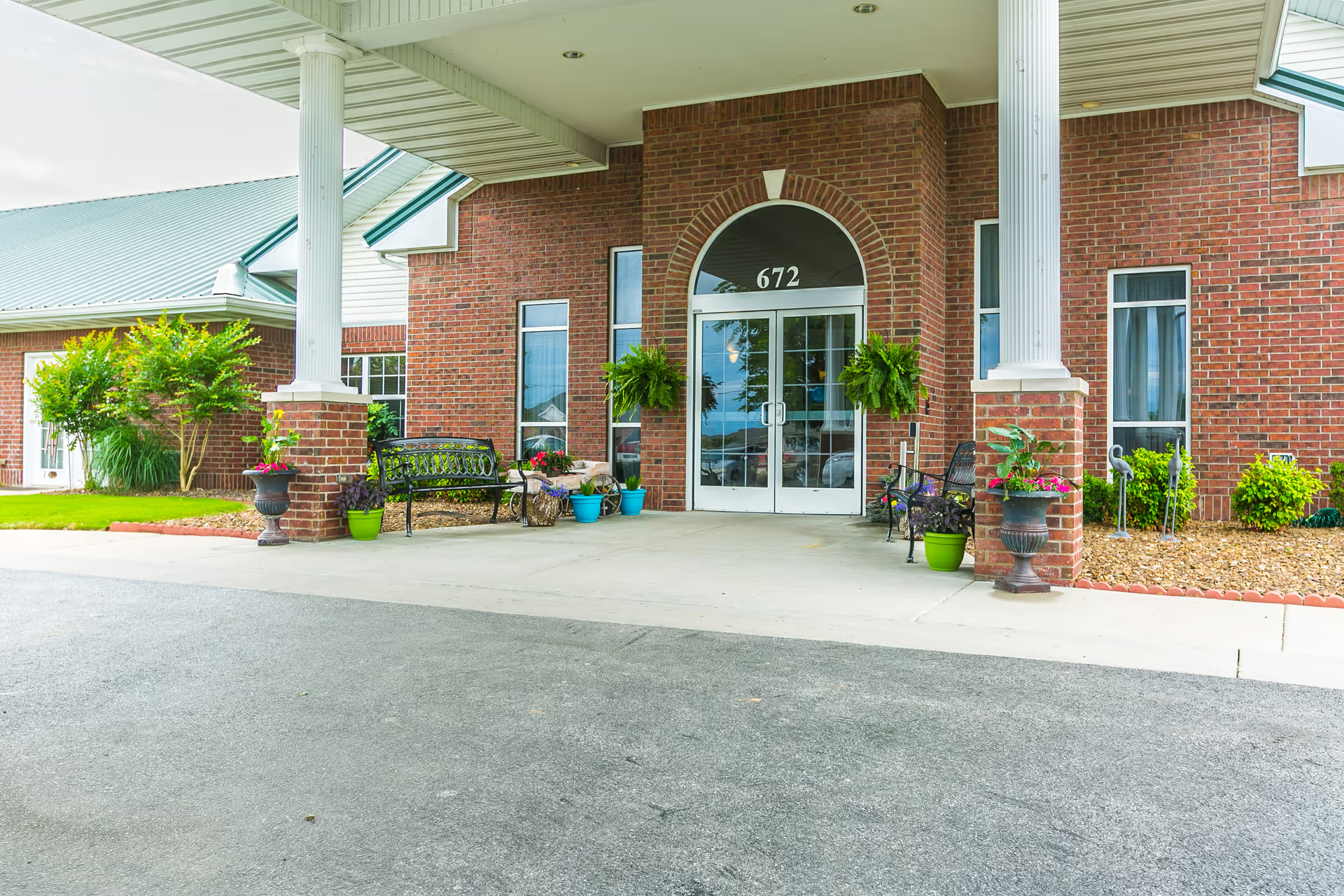
Activities and facilities are among the facility's stronger aspects: organized daily programming, social opportunities, and an overall clean, modern setting with a home-like feel are frequently mentioned. These features appear to support social engagement and resident satisfaction for many who live there.
Management, communication, and operational consistency are the primary areas of concern. Several reviewers describe issues such as perceived favoritism, internal staff conflict, a disappointing interview/hiring experience, and uneven communication with families and powers of attorney. Some accounts raise privacy and resident-safety process concerns and point to elevated staff turnover and employee dissatisfaction as contributors to instability. Taken together, these patterns suggest that leadership practices and staff retention are important topics to review during a tour.
Recommendation: Hope's Creek may be a good fit for people prioritizing community life, activities, and a caring environment when these positive operational elements are present. Given the mixed feedback on management, staffing consistency, meal continuity, and nutrition oversight, prospective residents and families should conduct targeted due diligence: ask about staffing ratios and coverage, procedures for missed meals and nutrition plans, on-site clinical or dietitian support, incident and privacy protocols, and examples of how leadership addresses staff performance and family concerns.