Garden View Post‑Acute Rehab elicits a sharply mixed set of impressions. Many families and residents praise the clinical strengths of the site — particularly nursing coverage, individualized end‑of‑life support, and an active rehabilitation program — while other accounts point to operational weaknesses that materially affect day‑to‑day care. The balance of positive and negative comments suggests the facility can deliver very good clinical and rehabilitative outcomes under the right staff conditions, but that consistency across shifts and units is an issue.
Care quality: Positive comments emphasize attentive nursing, frequent family medical updates, and robust end‑of‑life services including bereavement and spiritual supports. Physical therapy and rehabilitative interventions are frequently described as strong, with examples of twice‑daily therapy and staff who help residents progress. At the same time, reviewers identify gaps that can impair safety and comfort: delays in response to call lights, inconsistent assistance with toileting and hygiene, medication and pharmacy coordination delays, and concerns about discharge planning. These operational gaps have been associated with adverse events in some accounts, indicating variability in how reliably care processes are executed.
Staff and culture: Many reviews single out individual caregivers, nurses, therapists, and leaders for compassionate, professional care and visible leadership. Several staff members and therapists received specific praise for clinical skill and relationship building. Conversely, there are recurrent concerns about inconsistent staff conduct, tone of communication, and apparent training gaps. Night and front‑desk coverage, in particular, are cited as less reliable. Families describe a culture that can be supportive and communicative in some instances, yet unresponsive and nontransparent in others.
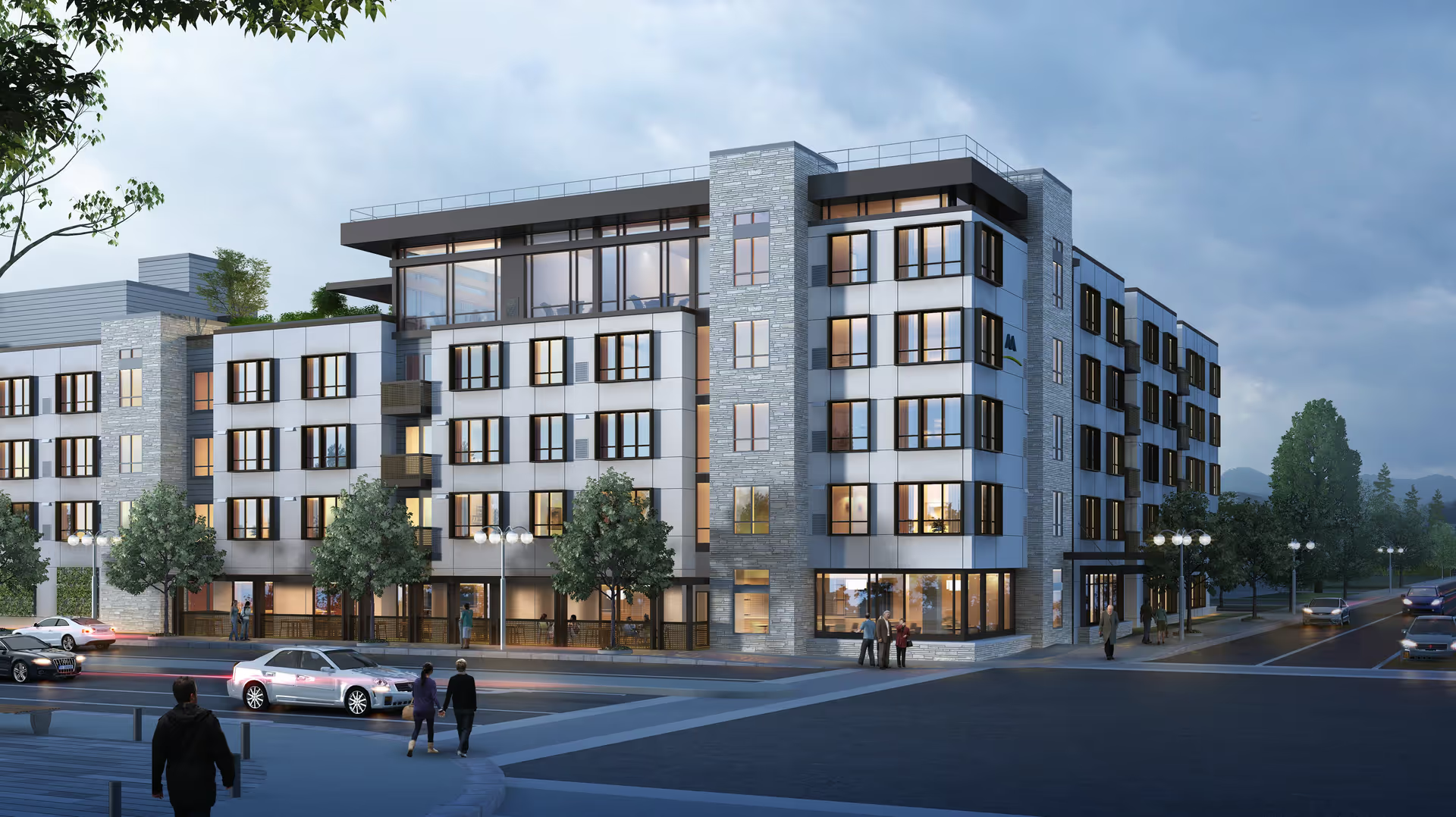
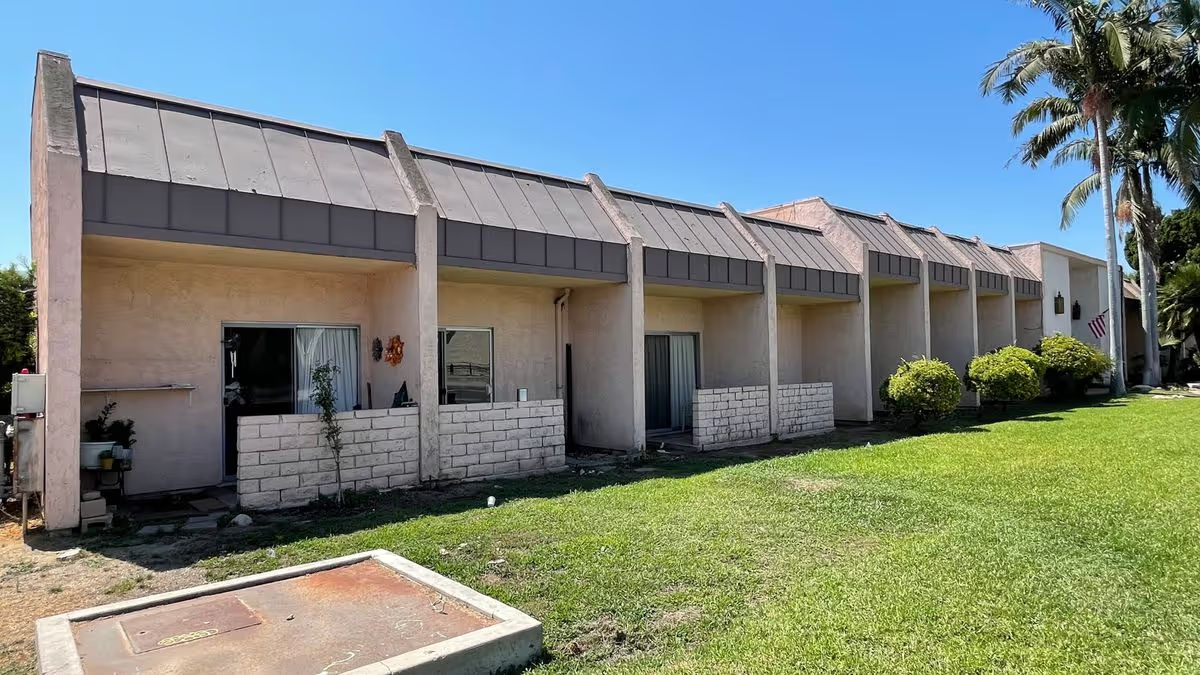
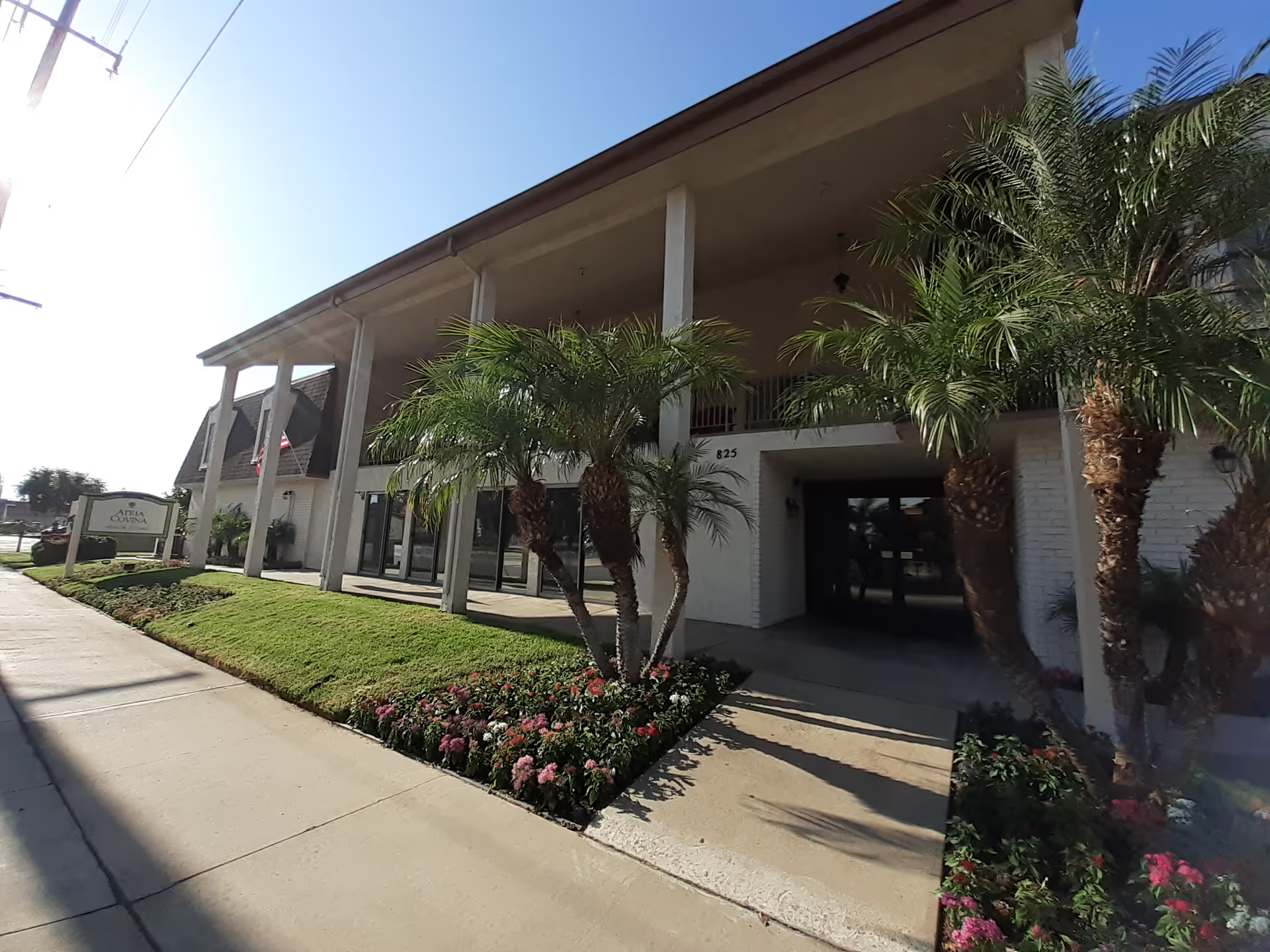
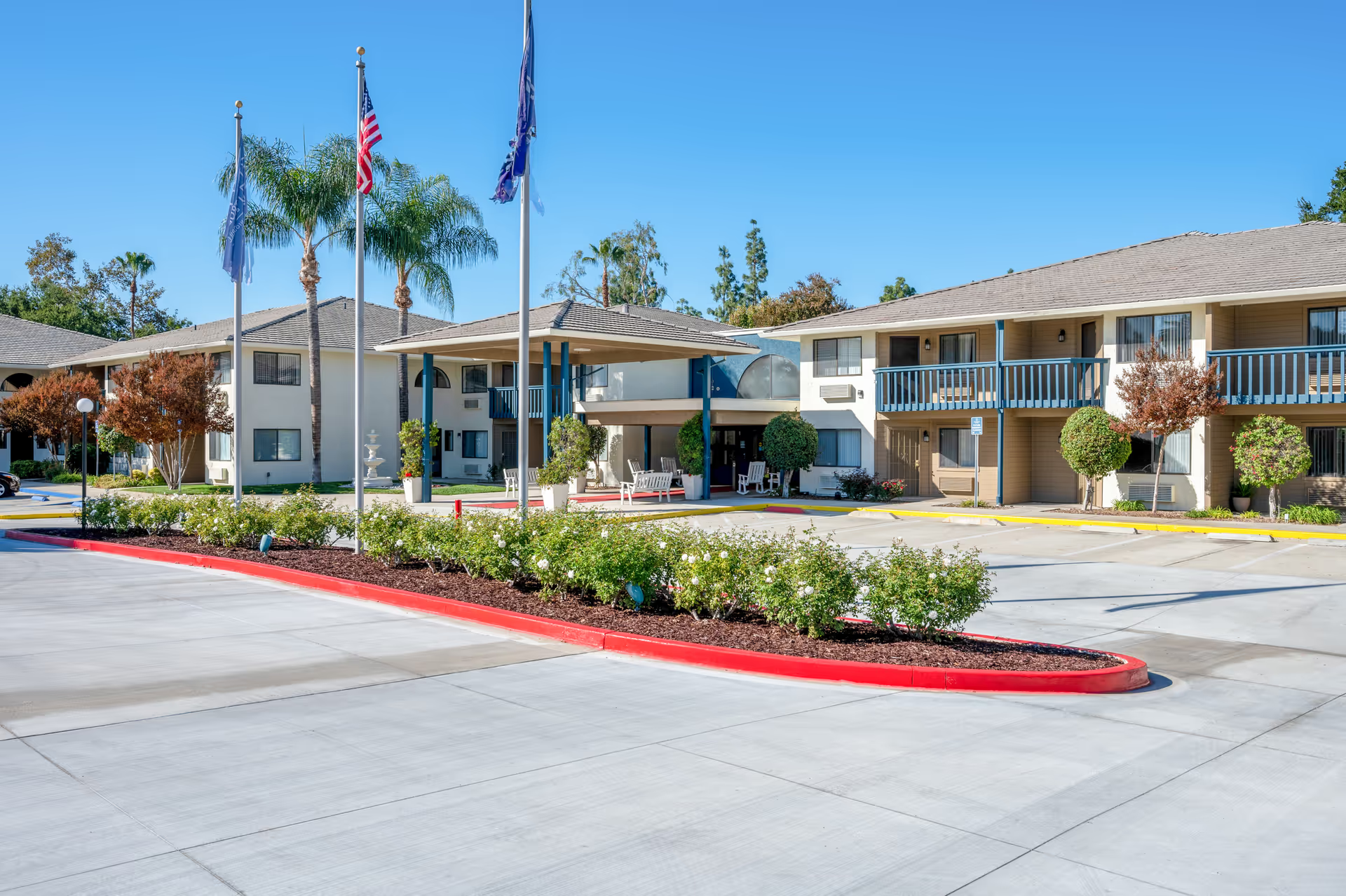
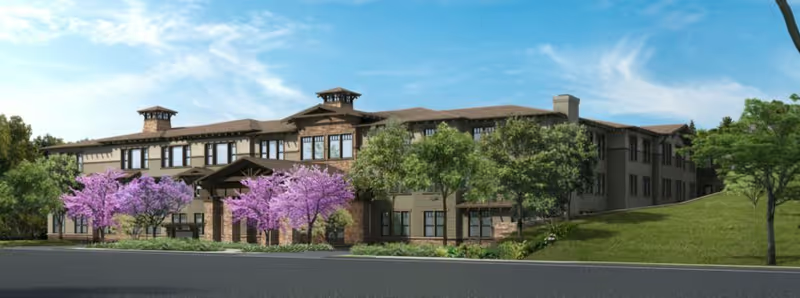
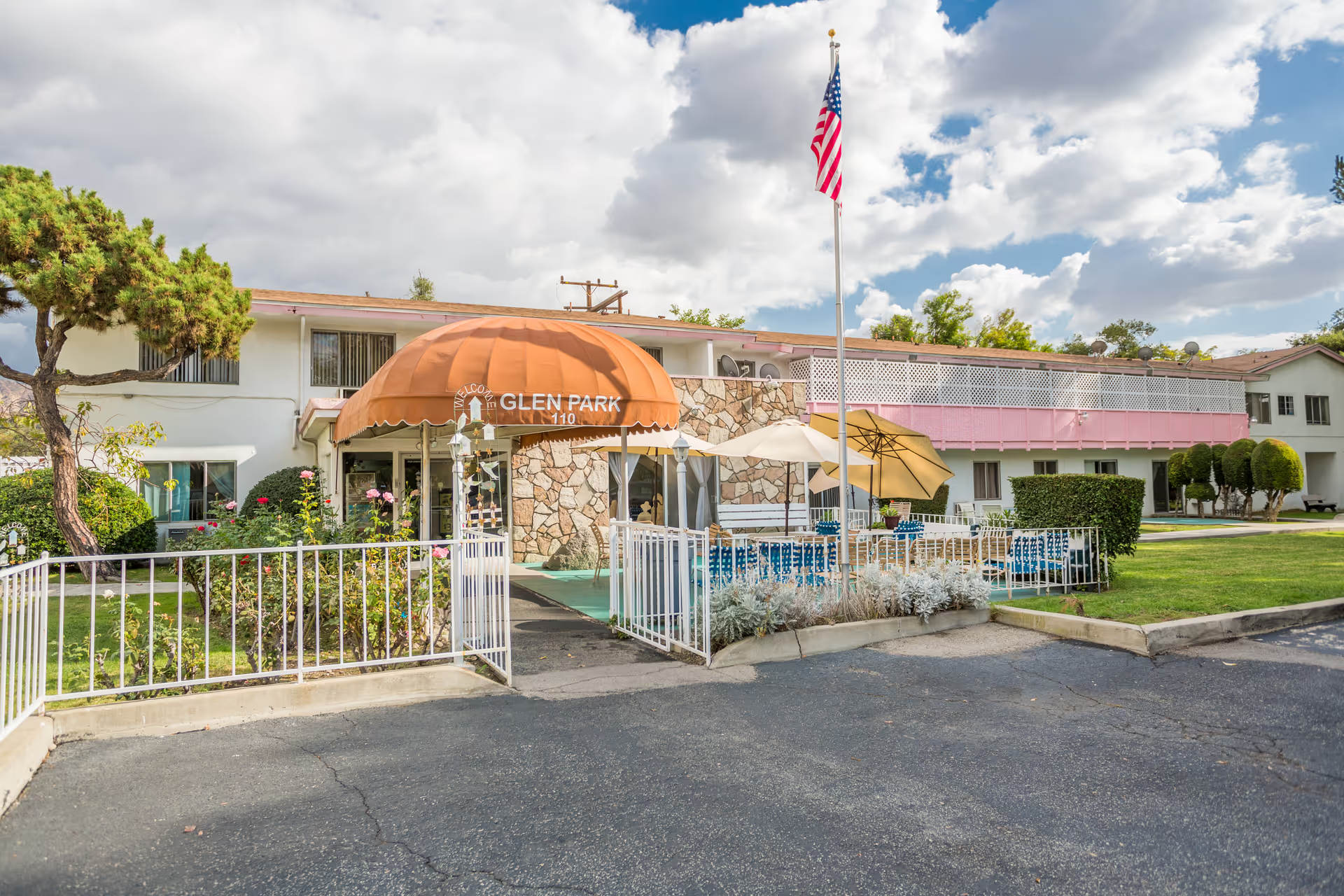
Dining, activities, and facilities: The facility’s environment and programming are often called out as strengths. Reviewers note clean rooms, an exercise room, a courtyard, a game room, holiday and themed activities, and available recreational programming that contribute to a welcoming atmosphere for many residents. Dining feedback is mixed: some describe good meals and room service when needed, while others cite cold trays, missed meal assistance, and inconsistent meal delivery as concerns. Housekeeping and general maintenance are generally viewed positively, although odor management and sanitation concerns are raised for specific areas.
Management and system patterns: Administrative experiences vary. Some families commend proactive coordination, family meetings, and a collaborative IDT (interdisciplinary team) approach. Others describe slow or absent follow‑up on complaints, difficulty reaching administration by phone, and poor transparency. Operational patterns identified across reviews include inconsistent staffing levels leading to delayed responses, gaps in complaint follow‑up, variable rehabilitation outcomes depending on team assignment, and weaknesses in medication/pharmacy coordination and discharge planning. There are also isolated but serious allegations regarding financial or insurance practices; those items are significant and would merit direct inquiry and verification by families or regulators.
Bottom line: Garden View demonstrates clear operational capacity to provide high‑quality nursing and rehabilitative care, supported by compassionate individual staff and meaningful activity programming. Prospective residents and families should weigh those strengths against recurring concerns about consistency — particularly staffing reliability, responsiveness after hours, care‑coordination practices, and administrative follow‑through. When considering placement, families may wish to inquire about current staffing ratios, call‑response metrics, fall‑prevention protocols, medication/pharmacy workflows, formal complaint escalation procedures, and examples of recent quality‑improvement initiatives to address the patterns noted above.