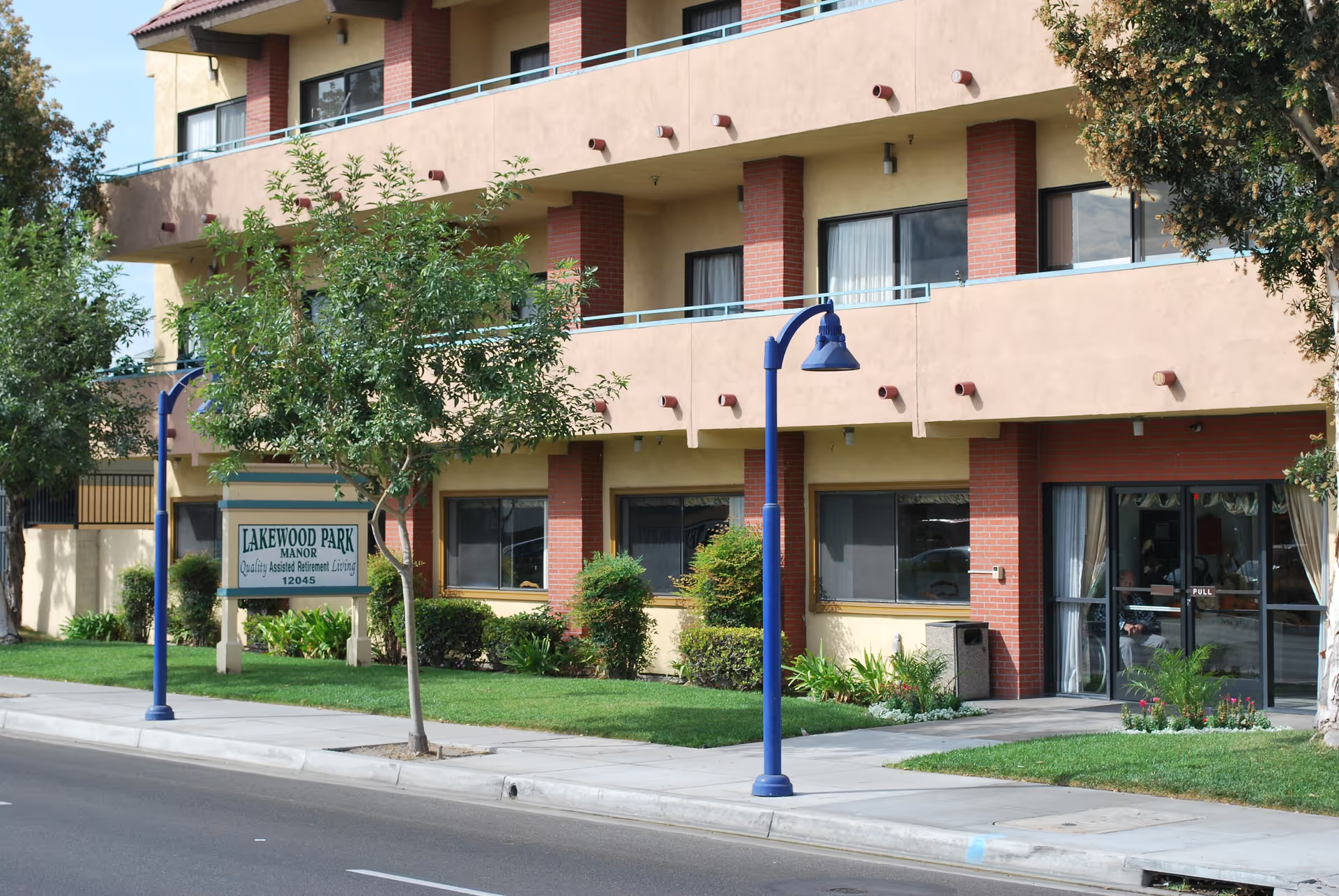
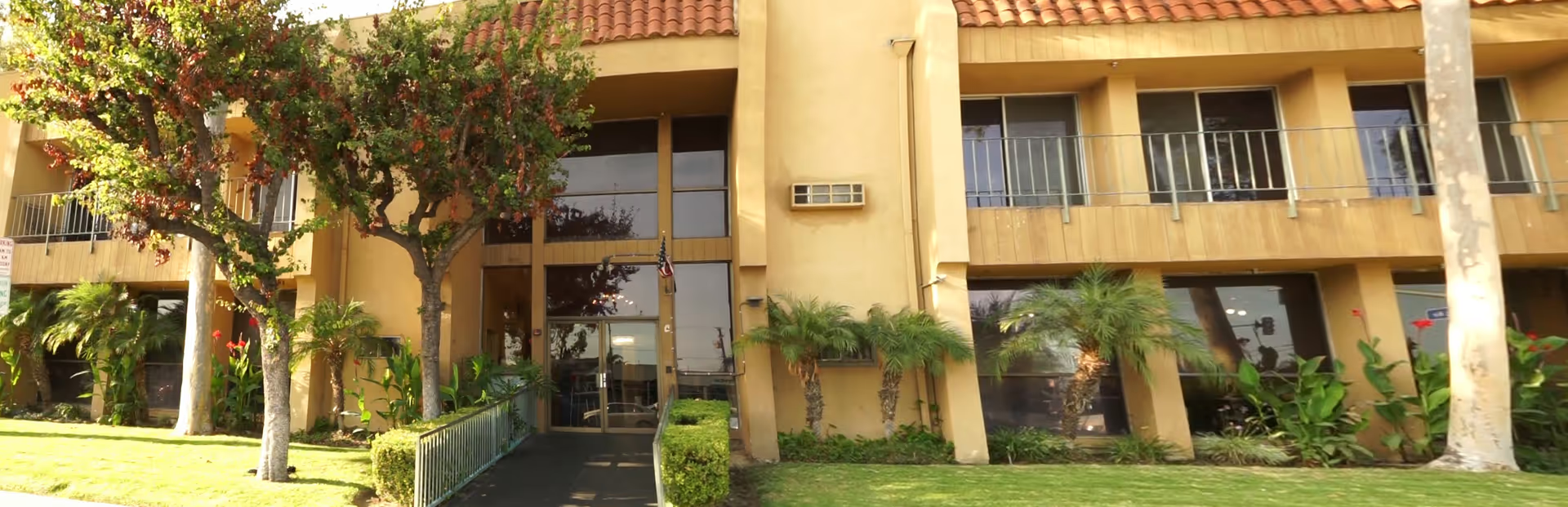
Bellflower Post-Acute is described by many families as a rehabilitation- and recovery-focused facility with several operational strengths. Reviewers consistently highlight strong skilled-nursing care, attentive CNAs, and round-the-clock nursing coverage. Therapy services—particularly physical and occupational therapy—receive frequent praise for helping residents progress toward safe discharge. Social services and case management are cited as supportive, and administrative staff are often described as helpful and accessible in coordinating appointments and financial questions.
The facility's environment is commonly characterized as clean, well-maintained, and home-like. Commenters note odor-free common areas, pleasant indoor touches (flowers, seasonal gifts), and a generally warm atmosphere. Dining is generally rated positively: reviewers report nutritious meals with dietary options and special luncheons. The activities program is active and varied, including group outings, entertainers, worship services, holiday events, and small recreational offerings that families felt helped keep residents engaged.
The physical plant and amenities receive favorable mentions: a spacious, well-equipped rehab center, outdoor grounds with plants and grass, and many rooms with sliding glass doors. There are also references to recent ownership or management changes and visible upgrades. At the same time, practical limitations surfaced: parking can be constrained and outdoor areas would benefit from more shaded seating and amenities for residents and visitors.
Operational and communication issues appear as recurring themes alongside the positive comments. Several reviewers describe inconsistent staff responsiveness (for example, long waits for assistance or variability in attentiveness) and instances of misfiled paperwork or documentation gaps. Some families report supply-management issues and limited on-site specialty coverage (few or no on-site physicians/psychological services), which can affect clinical continuity. A number of reviews describe difficulties in family–management interactions, including concerns about tone when questions are raised and access to records.
A small subset of reviews raise more serious concerns. These include assertions about safety and specific adverse incidents; such statements are less frequent in the overall sample but are consequential and warrant independent verification. Prospective families should ask about the facility’s incident-response protocols, recent incident history, and any regulatory actions or investigations.
Overall, Bellflower Post-Acute presents as a competent post-acute and rehabilitation provider with notable strengths in nursing, therapy, and resident engagement. Prospective residents and families would be well served to tour the facility, speak directly with therapy and nursing leadership, and inquire specifically about staffing patterns, communication practices, supply management, on-site clinical specialties, and safety/incident-reporting procedures. These targeted questions can help reconcile the generally positive care and environment comments with the operational concerns that appear in a minority of accounts.