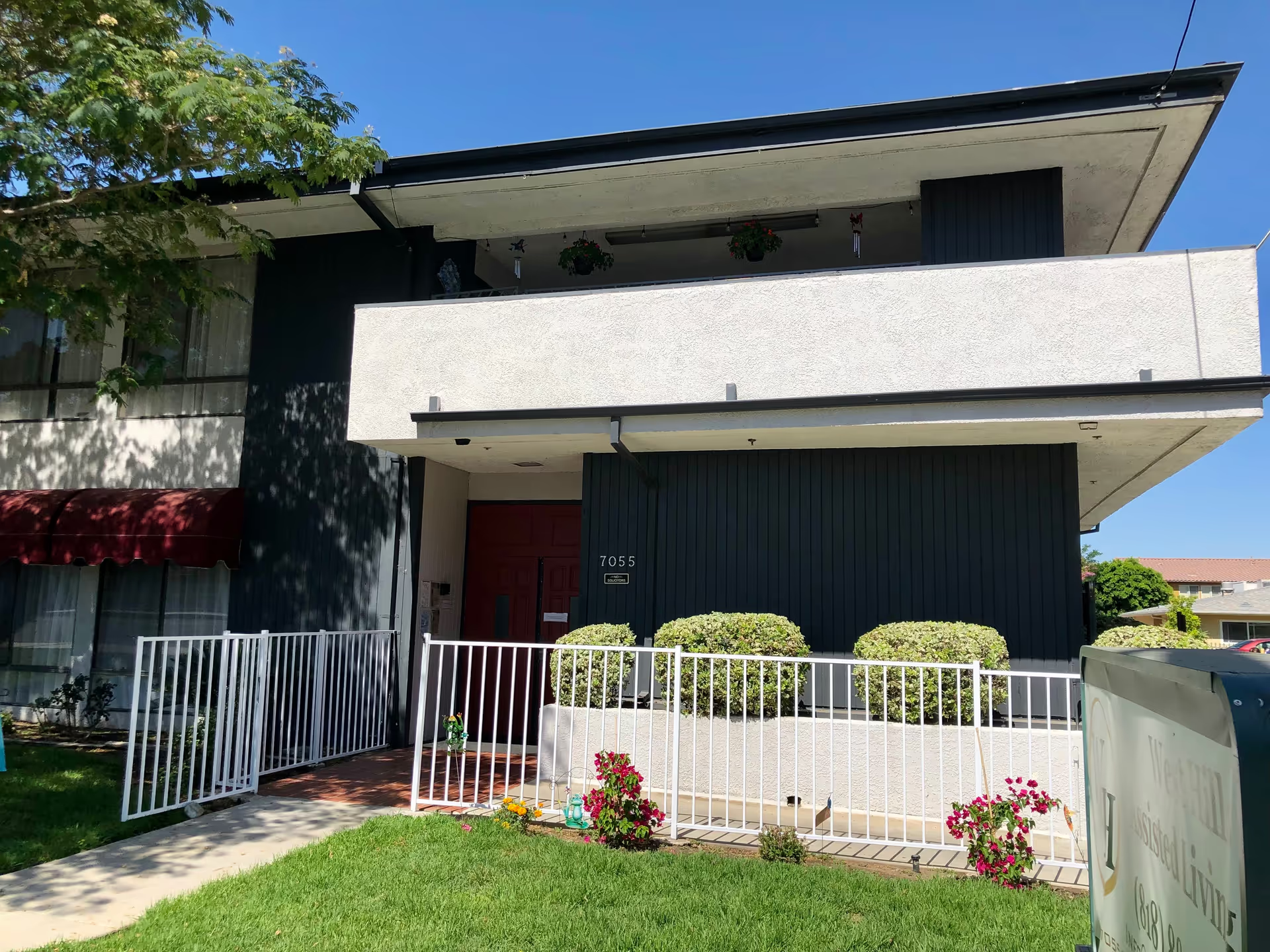
The reviews for Canyon Oaks Nursing and Rehabilitation Center present a mixed but thematically consistent picture: many families and former patients praise the facility’s rehabilitation capabilities, therapy staff, and the compassion of nursing assistants, while a subset of experiences raises substantive operational and clinical concerns. Strengths most often described include an effective physical and occupational therapy program that supports measurable recovery, an engaged activities department (holiday programming, FaceTime connections), attractive and well‑kept grounds and interior spaces, and dietary services that can accommodate allergies and special needs. Numerous accounts single out CNAs, charge nurses, and specific therapists for attentive, professional care and successful discharge planning.
At the same time, recurring service gaps emerge across multiple domains. Medication‑administration control and documentation are inconsistent in some accounts, and there are reports suggesting that protocols for dysphagia and medication timing are not always followed. Families described variable responsiveness to call bells and delays in basic-care attention, which in turn relate to concerns about bathing and incontinence‑care routines and occasional missed assistance. Several reviews describe falls or delayed clinical escalation; these point to potential weaknesses in transfer‑safety practices and in protocols for timely hospital transfer or physician intervention.
Communication and administration are another polarizing area. While some families report clear, supportive leadership and prompt administrative assistance, others experienced difficulty reaching admissions or administrative staff, delays or omissions in required paperwork, and poor follow‑up from social‑work and discharge teams. Inventory controls for personal belongings and laundry logistics were inconsistent across reports, with some families noting lost items or slow retrieval. Infection‑control communication during periods of outbreak and visitation restrictions also drew criticism in certain accounts.
Dining and housekeeping received mixed feedback. Many reviewers praised meal accommodations, allergy‑aware preparation, and generally clean common areas, while others reported small portions, carb‑heavy menus, or pre‑packaged/microwaved quality on some days. Overall cleanliness and the facility’s welcoming appearance are strengths, but isolated sanitation and odor concerns were noted in a subset of experiences.
Taken together, the pattern is one of operational variability: Canyon Oaks demonstrates clear strengths in rehabilitation, therapy, and many frontline caregiving relationships, yet it also shows recurring weaknesses in clinical controls, staffing consistency, family communication, and administrative follow‑through. Prospective residents and families should weigh the strong rehabilitative and therapeutic reputation against the documented variability in bedside responsiveness, medication processes, and administrative responsiveness. For families choosing this facility, early and ongoing communication with the care team, clear documentation of medication and care preferences, and periodic checks on belongings and clinical orders may help mitigate some of the operational risks reflected in these reviews.