Overall impression: Reviews present a mixed but clear pattern. Many accounts emphasize a clean, bright, home-like environment with comfortable communal spaces, outdoor areas, and wheelchair accessibility. Staff behavior is frequently characterized as warm and family‑oriented, with identifiable primary caregivers who provide social engagement, hugs, laughter, and close oversight. Residents and families often cite active programming, visible mental stimulation, group activities, and communal meals as strengths that contribute to a sense of normalcy and belonging.
Care and staff: Multiple reviews describe attentive, affectionate caregiving and consistent primary caregivers who facilitate social participation and companionable routines. The facility appears to emphasize direct social interaction — group dining, shared living-room time, holiday decorations, and birthday recognition — which reviewers associate with resident well‑being. At the same time, some reviews raise operational concerns about staffing stability and staff documentation; these indicate variability in how consistently care tasks are performed and recorded.
Dining and activities: Reported strengths include home‑prepared lunches, communal dining, and structured daily routines (knitting, TV time, crafts/visual stimulation). Celebratory practices such as birthday cakes and holiday decorations are noted and contribute to a family‑style atmosphere. The combination of regular group mealtimes and scheduled social activities is presented as a core positive feature.
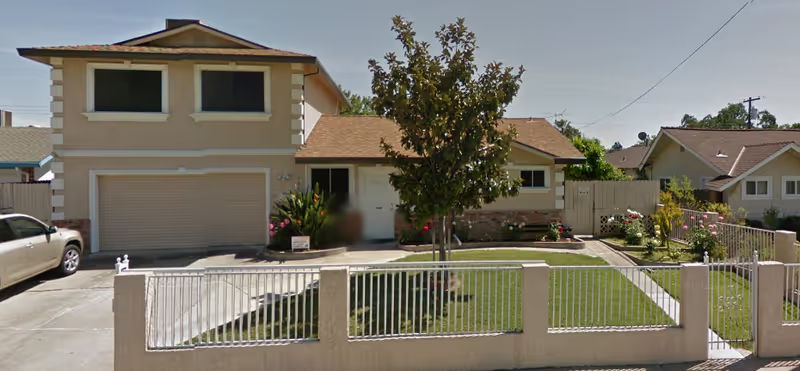
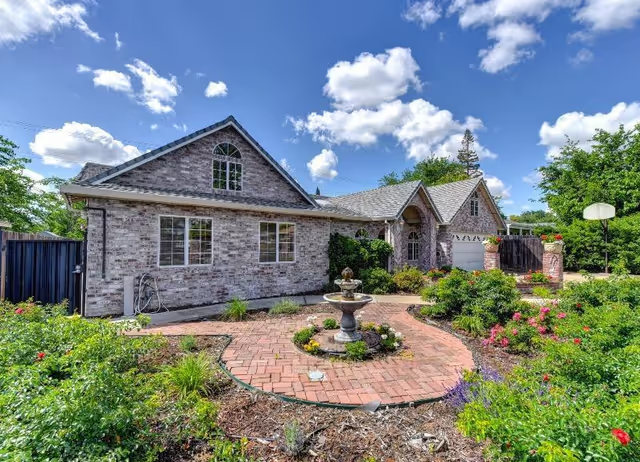
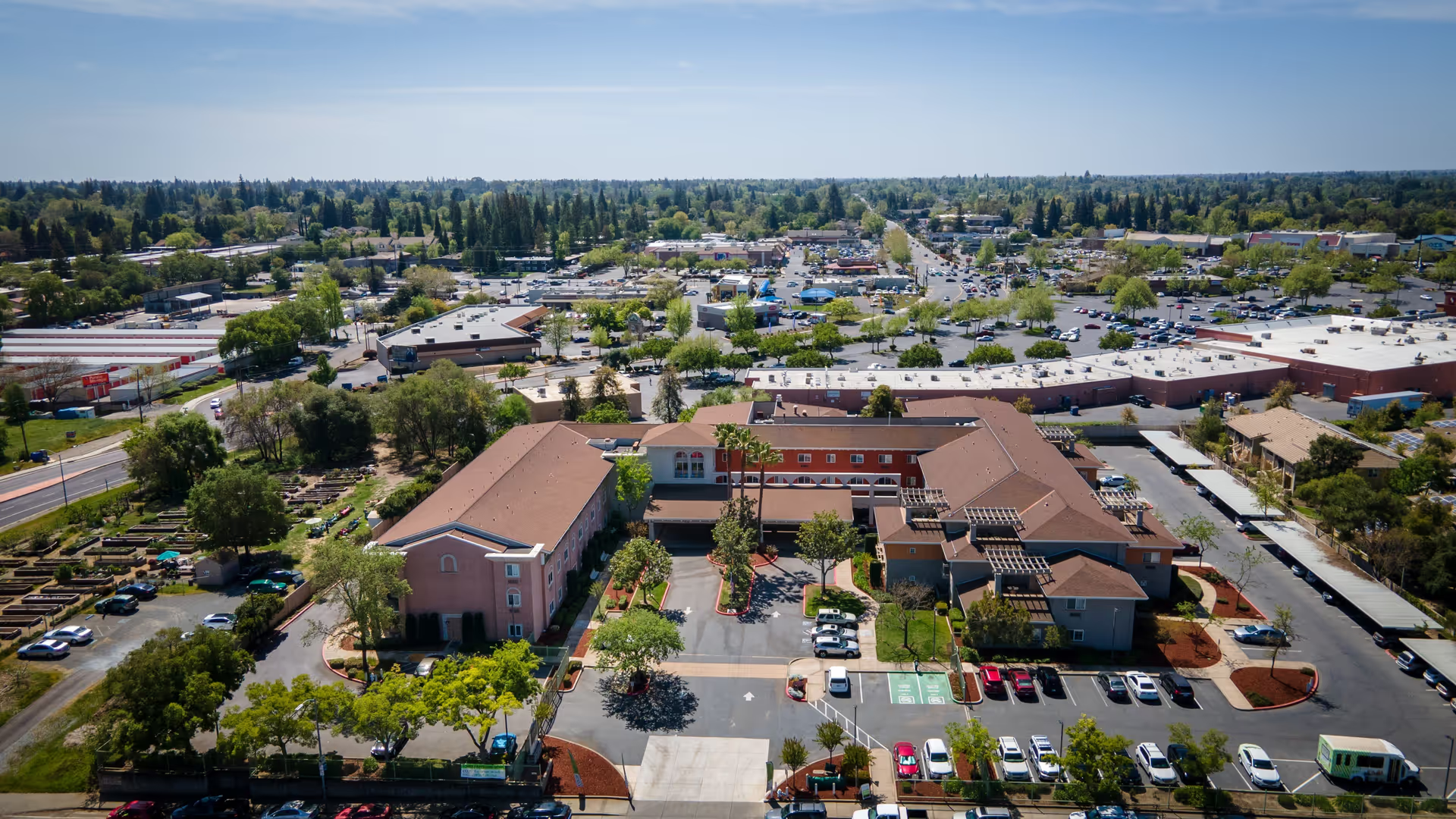
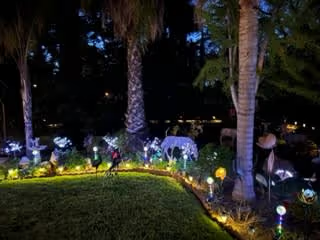
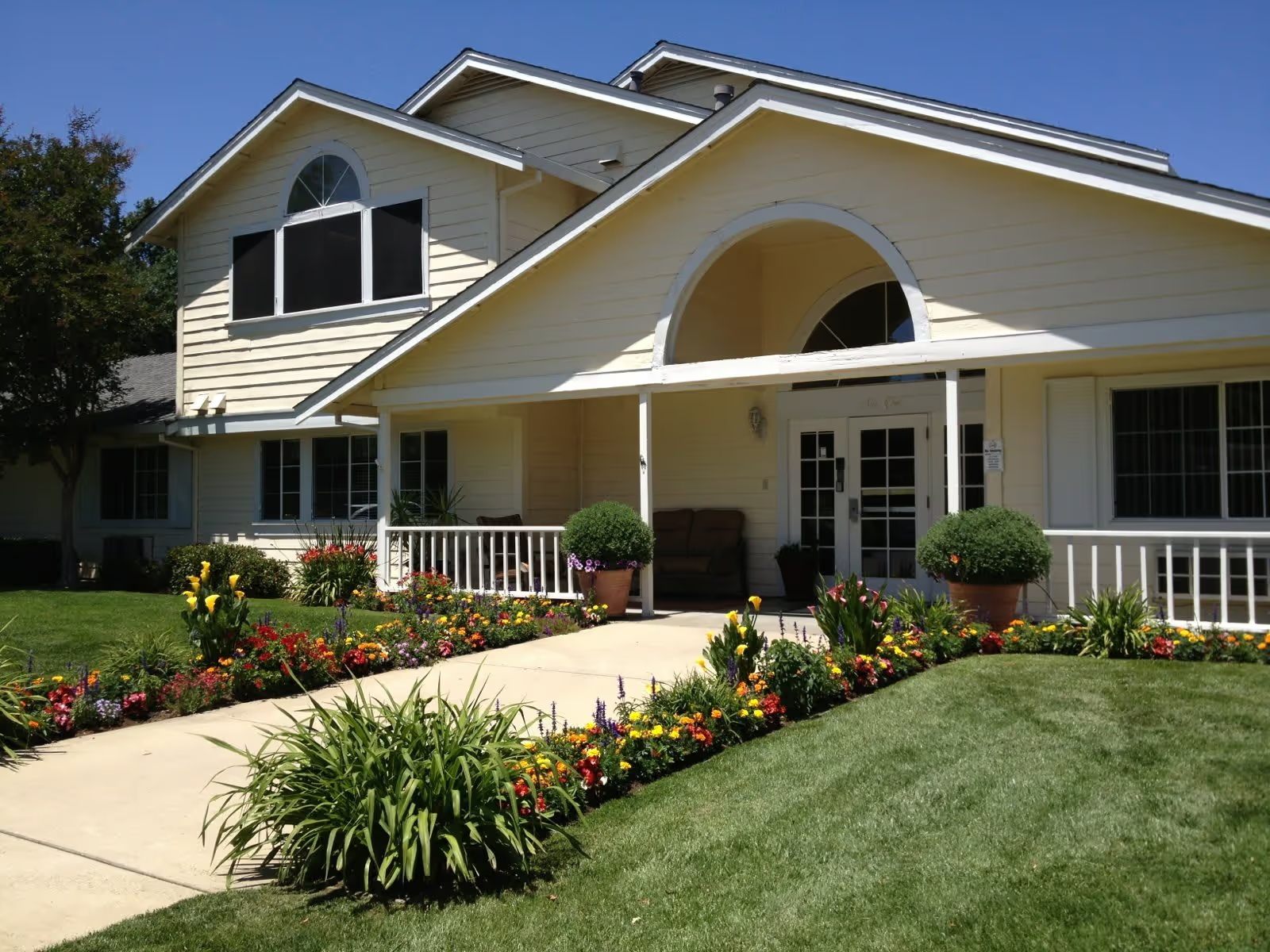
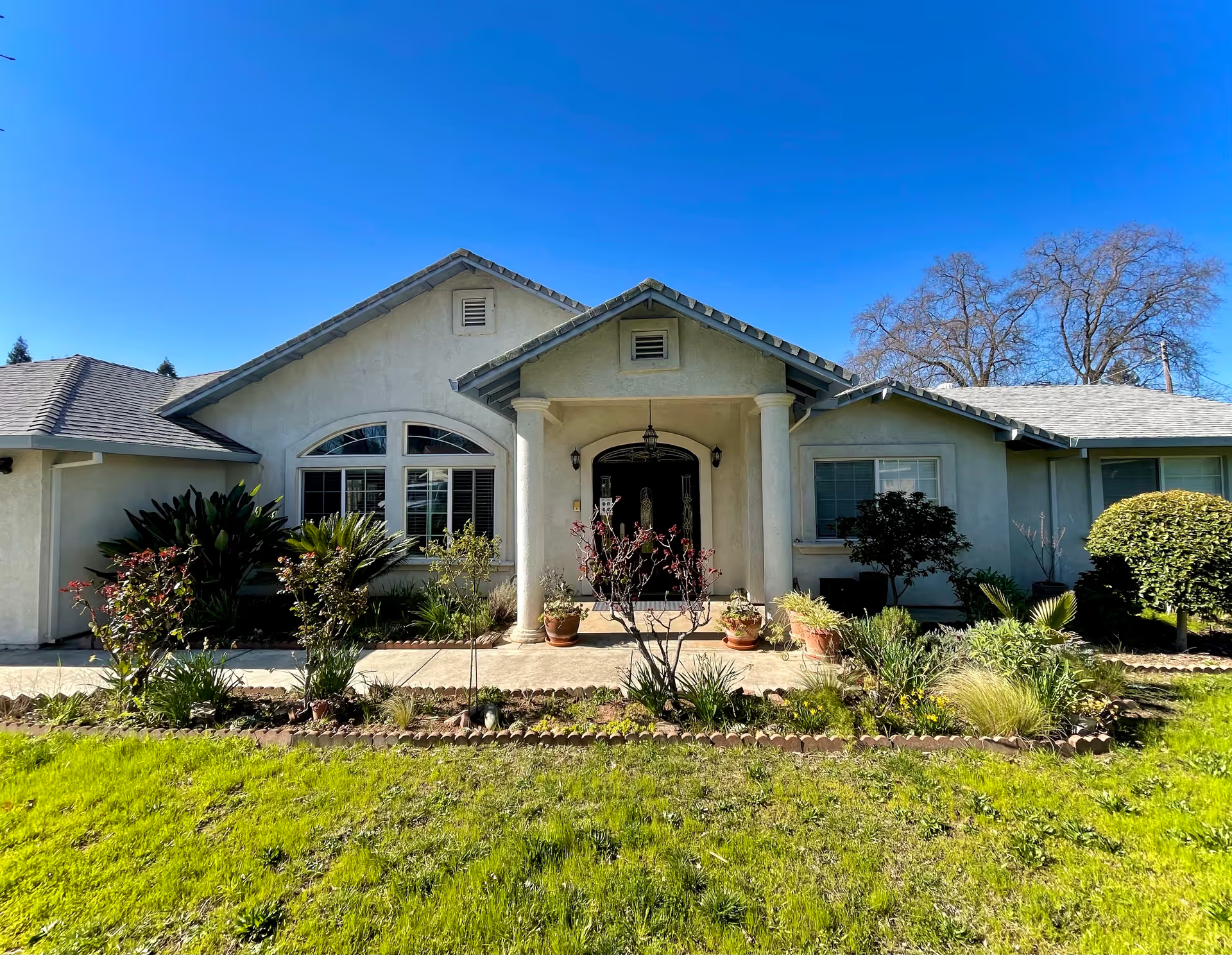
Facilities and amenities: The physical environment is described as tidy, updated, and orderly, with comfortable living rooms, recliners, and outdoor areas including a patio with water features. Accessibility features for mobility-limited residents are noted, and overall ambiance is described as pleasant and peaceful.
Management and operational patterns: Several substantive concerns relate to administrative practices. Reviews indicate inconsistent communication between owners/management and instances of unexpected fee increases, additional transport or driving charges, and lack of routine financial documentation such as receipts. Privacy-related issues — including staff entry without knocking and use of speakerphone for communications — are raised and suggest gaps in boundary and confidentiality practices. There are also concerns implying staffing instability and incomplete staff credentialing or documentation.
Safety, compliance, and recommendations: Some reviews describe incontinence‑care delays and sanitation concerns; others point to matters that could warrant regulatory attention, such as documentation shortfalls and administrative transparency. Given this mixture of positive day‑to‑day care experiences alongside recurring operational concerns, prospective residents and families should verify current practices directly. Recommended due diligence includes asking to review billing policies and sample invoices, clarifying transportation and extra‑charge policies, observing privacy procedures (room‑entry and communication protocols), reviewing staff credentials and turnover patterns, and confirming licensing and inspection history with the appropriate regulatory authority. These checks can help reconcile the facility's strong social and environmental features with the operational weaknesses identified in some accounts.