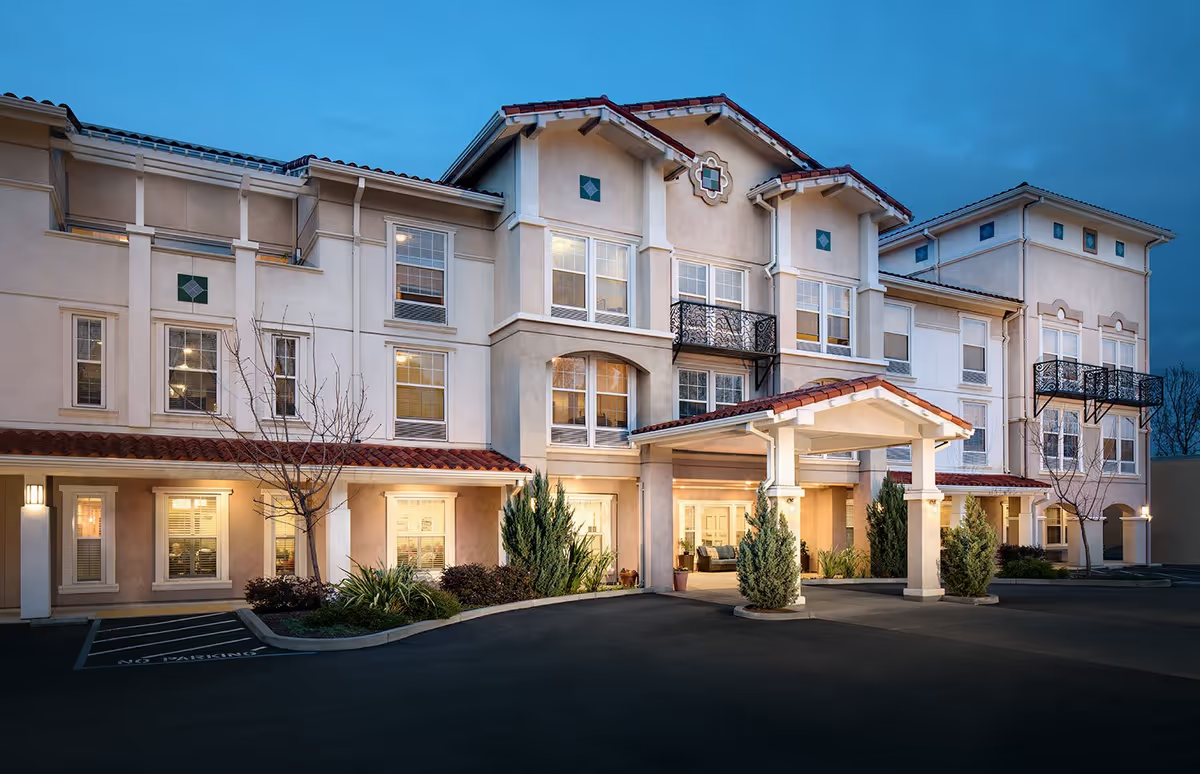
The reviews present a bifurcated picture of Cupertino Healthcare & Wellness. Many families and short-term rehabilitation patients describe a facility that delivers effective therapy and shows clear strengths in rehabilitation, therapy communication, and day-program engagement. Positive experiences frequently mention friendly, compassionate nursing and CNA staff, a welcoming front desk, accommodating dietary modifications (including blended meals and diabetic/low-cholesterol options), clear signage, and an active schedule of social activities such as bingo, movies, and musical performances. Several accounts attribute successful short-term recovery to the on-site physical therapy team and to staff who are attentive during daytime hours.
Contrasting these strengths are recurrent operational concerns that affect overall reliability. A dominant theme is staffing variability: high turnover, frequent use of agency personnel, and weaker night-shift coverage were linked to delays in direct care and inconsistent attention to residents’ needs. Reviewers also described uneven adherence to clinical plans and medication processes, which together suggest gaps in clinical oversight and handoff practices. Family communication and post-event notification processes were another common area of complaint — examples include delayed updates after adverse events and difficulty obtaining timely discharge information.
Facility and service-level issues are mixed. Many visitors praised the clean, well-maintained interior, clear wayfinding, accessible outdoor areas, and engaging activities. At the same time, there are sanitation and pest-control concerns in some units and odor/cleanliness complaints in others. Dining feedback is split: some experience plentiful and accommodating meals, while others note inconsistent food quality and limited fresh produce. Privacy concerns arise from shared rooms and occasional documentation/communication lapses, including an identified instance of protected-information handling that raises questions about privacy controls.
Management and culture appear to have changed over time, and reviewers reflect that variability. Several accounts commend recent leadership changes and highlight responsive administrators and social-work support; others criticize perceived corporatization, marketing practices focused on payer sources, and an overall feeling that financial priorities sometimes influence admissions and care decisions. A small number of reviews reference regulatory attention and serious allegations about staff conduct and privacy; these items are presented in a mixture of verified complaints and family claims, and they warrant direct inquiry with the facility and regulators for clarification.
What emerges is a complex pattern: strong rehabilitation capability and a number of committed, positive staff interactions coexist with systemic weaknesses in staffing consistency, night-shift coverage, clinical-adherence processes, family communication, and certain environmental controls. Prospective residents and families should weigh the facility’s rehabilitation strengths and social programming against the documented variability in overnight care, documentation/privacy practices, and the mixed cleanliness reports. When assessing fit, ask the facility for current staffing ratios (including night shift), examples of recent quality-improvement work, infection-control policies, medication-management protocols, and how they handle family communication and privacy safeguards. Visiting at different times of day (day and night) and speaking with recent families about recent leadership changes will help clarify whether the facility’s positive aspects are consistent with current operations.