The reviews for Downey Post Acute describe a facility with clear strengths in short-term rehabilitation and a number of highly valued staff members, alongside persistent operational inconsistencies that families should evaluate carefully. Many accounts praise the therapy teams (physical, occupational and speech), noting effective, goal-directed rehabilitation and positive functional outcomes after surgery or acute illness. A substantial portion of reviewers also singled out individual nurses, CNAs, case managers and activity staff for compassionate, attentive care and clear communication, and several reviewers credited recent management changes with measurable improvements.
Care quality appears mixed: the facility delivers strong, organized therapy services and many families report that nursing and CNA staff provided timely medication administration and recovery-oriented care. At the same time, there are recurrent concerns about medication-administration accuracy, gaps in clinical documentation, delayed response to patient needs, and inconsistent call-button responsiveness. A subset of reviews describe severe, individual incidents that raise questions about escalation and incident documentation; these have introduced specific allegations about staff conduct and record-keeping that warrant direct inquiry during placement discussions and discharge planning.
Staff and leadership present a divided picture. Numerous reviewers named specific front-line employees and supervisors as clear assets — described as professional, compassionate, and effective at family communication. Several reviewers also praised new administrators and the director of nursing for improving atmosphere and staff engagement. Conversely, other accounts describe inconsistent professional behavior, training deficits, and episodes of poor staff conduct. This variability suggests uneven supervision or turnover; prospective residents and families should ask about leadership stability, staff-to-resident ratios, and staff training/discipline processes.
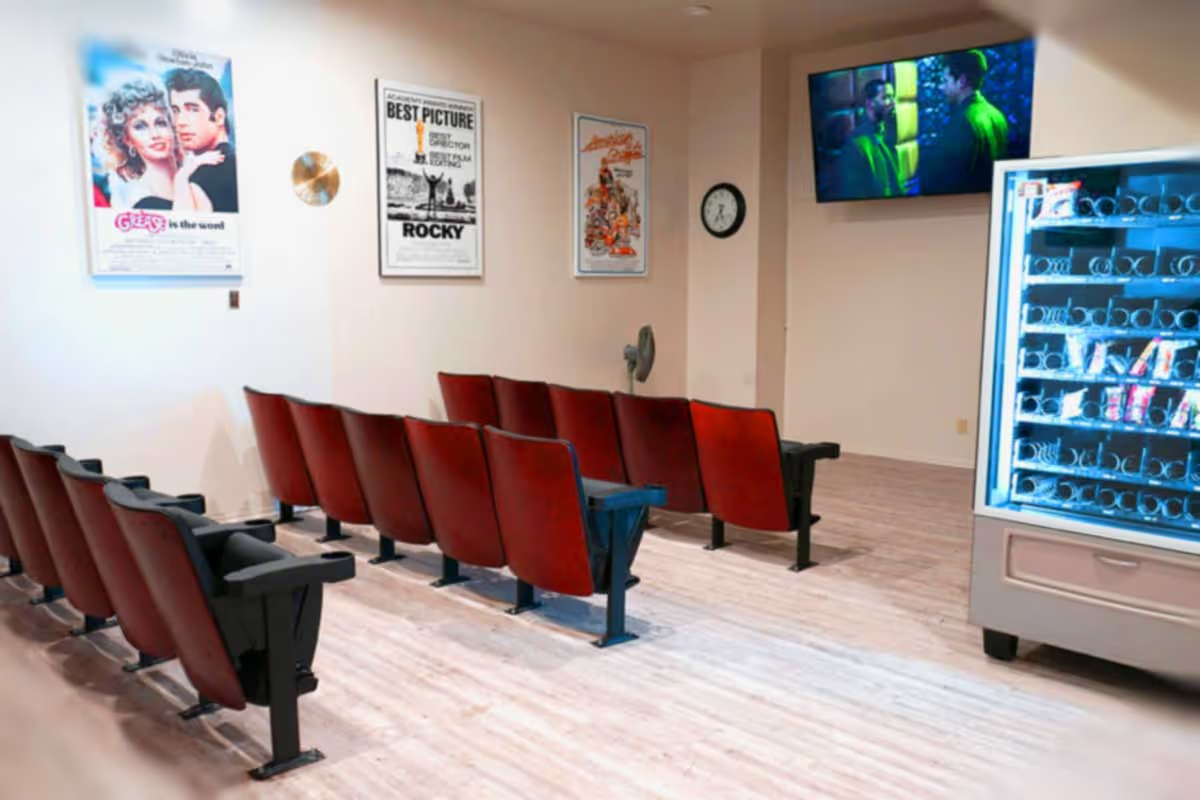
Dining and activities are frequently noted as positive contributors to resident well-being. The facility runs an active calendar (music, dancing, bingo, arts and crafts, morning socials) and accommodates dietary needs with a dietician on staff. However, food quality and adherence to prescribed diets were described as inconsistent across reports, and some families reported dissatisfaction with meal execution or meal selection on particular days.
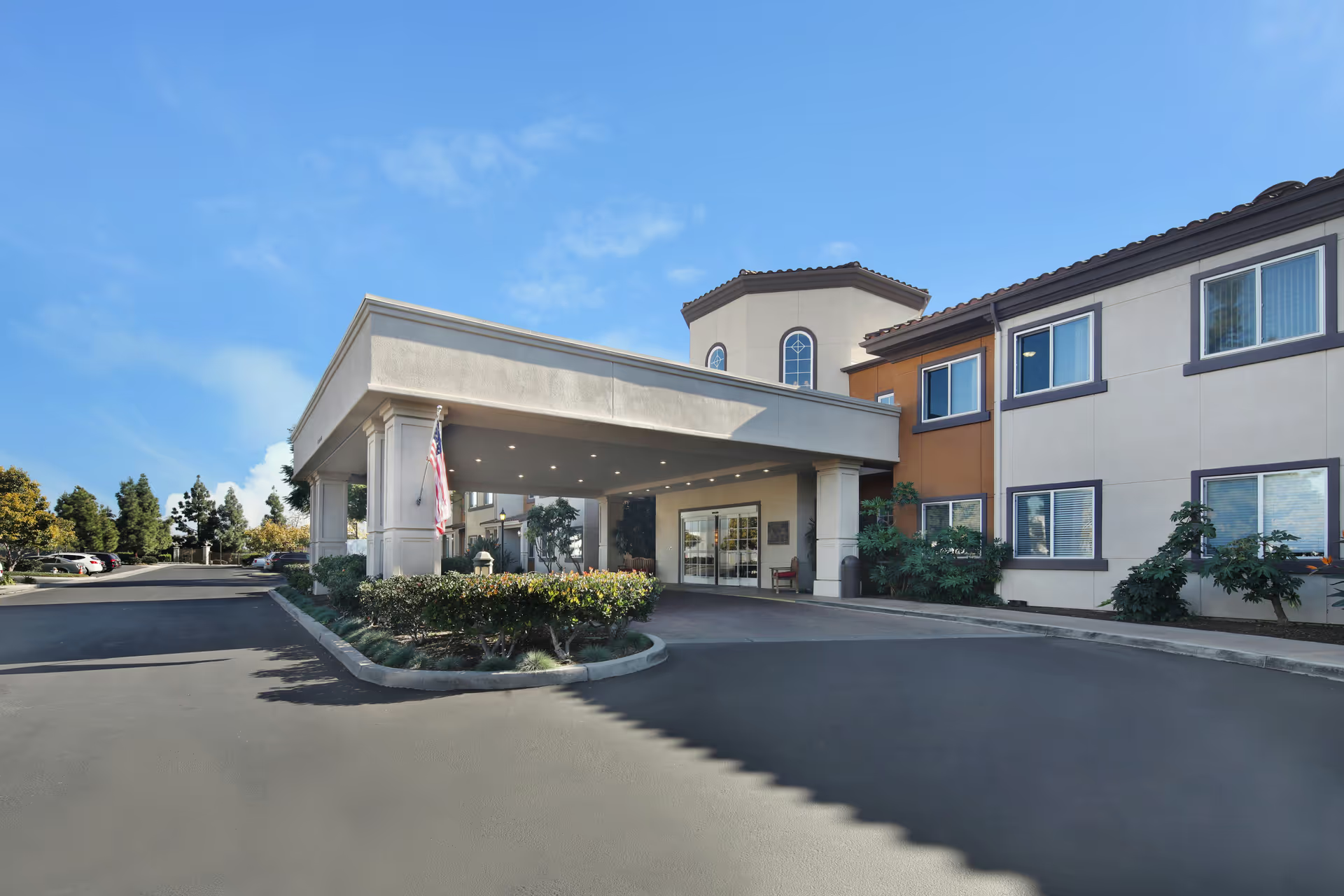
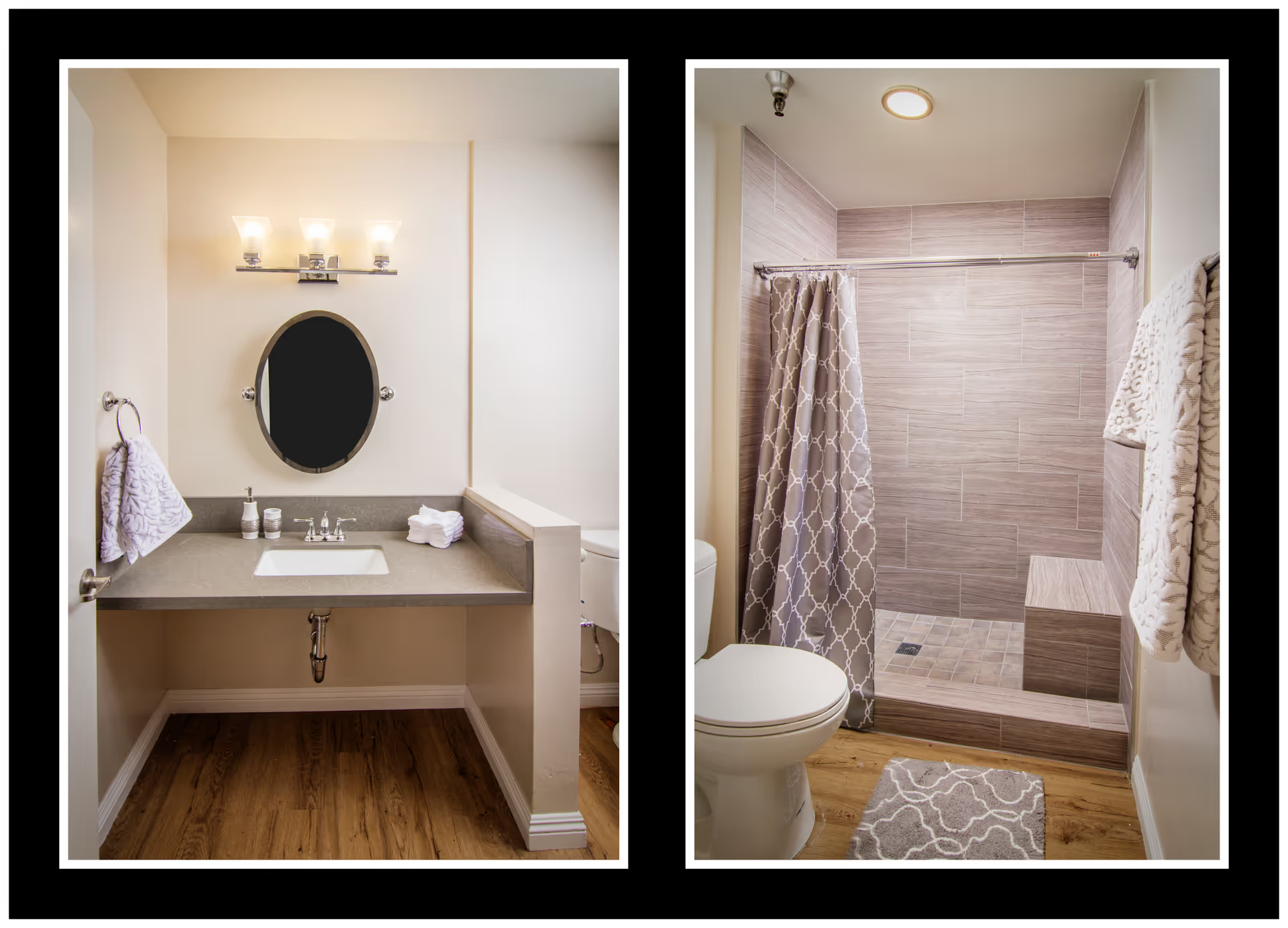
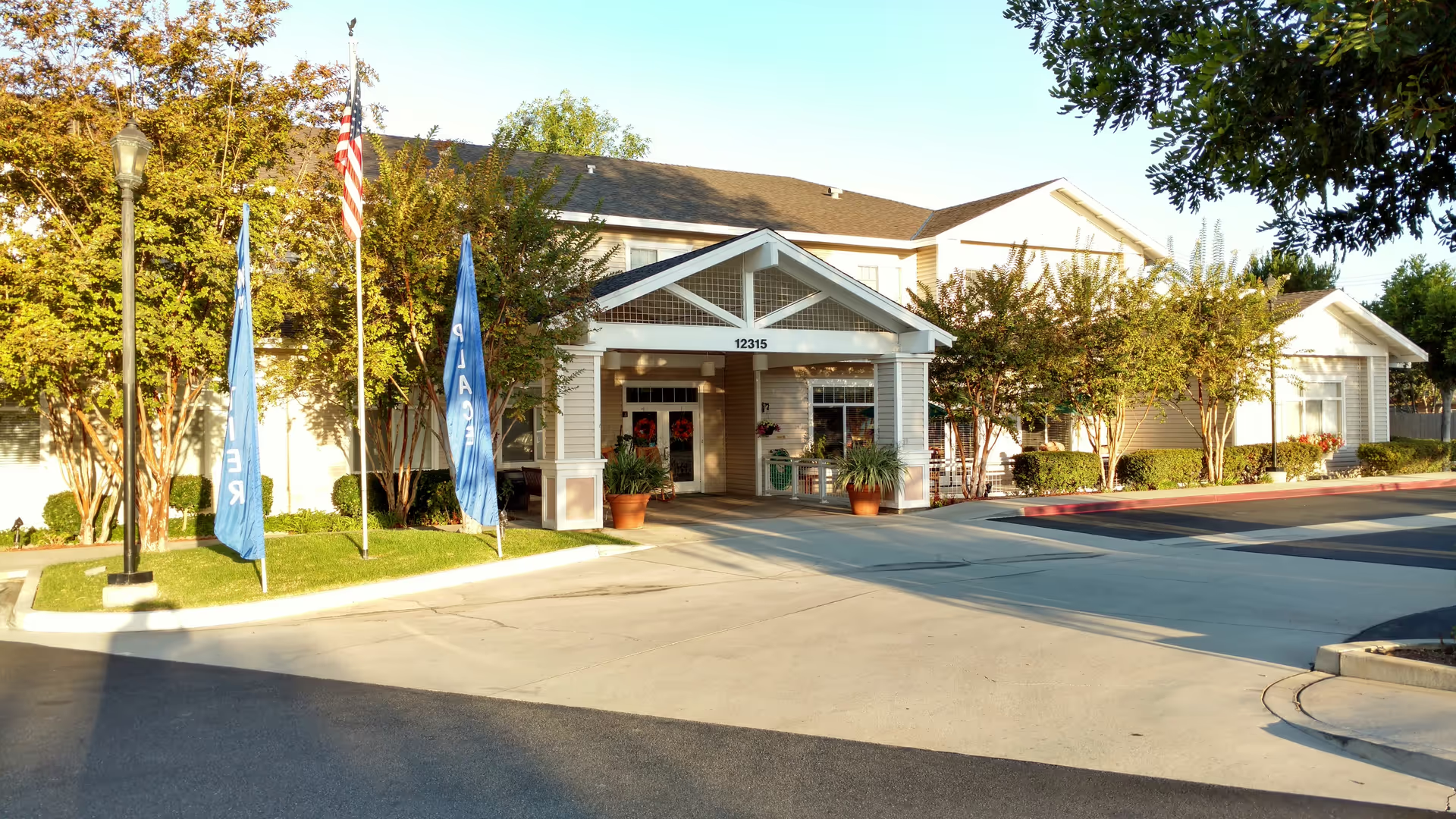
The physical plant shows both improvements and ongoing issues. Many reviewers commented positively on recent renovations, a cleaner rehab department, an improved entrance and garden walkway, and comfortable communal spaces. At the same time, others reported maintenance and safety concerns such as loose flooring, mattress issues, restroom repairs and shared-room configurations that affect privacy and convenience. Sanitation and odor concerns were raised in some areas, indicating variability in housekeeping effectiveness across units.
Notable patterns across the dataset are the facility’s rehabilitation strengths and the prominence of individual staff members as either strong assets or sources of concern. The pattern suggests that experiences vary significantly by unit, shift, and supervising leadership. For families considering Downey Post Acute, targeted questions are advisable: inquire about current staffing ratios, medication-administration safeguards, incident reporting and documentation procedures, property-security measures, and how management follows up on complaints. For short-term post-acute rehab needs the facility often performs well; for long-term placements or residents with complex clinical needs, families should verify oversight and escalation protocols and arrange regular communication with care managers to ensure consistent care delivery.