Reviewer accounts of Lakewood Healthcare Center describe a facility with highly mixed performance across units and over time. Positive experiences highlight attentive caregivers, an active recreation program in parts of the building (bingo, music, and organized outings), capable rehabilitation services, and a professional social-services and front-desk presence. Several families specifically mentioned well-maintained and roomy areas in particular units and cited staff members who were particularly knowledgeable and effective.
Care-quality accounts vary considerably. Some reviewers praise timely nursing attention, proactive CNA support, and effective coordination for acute events. Others describe delays in attending to residents, inconsistent supervision that contributed to falls or safety incidents, and concerns about medication-management practices. There are also repeated sanitation concerns and examples of inconsistent personal-care routines and incontinence-care follow-up in some areas, which contribute to variability in baseline care experience.
Staff behavior and professionalism are described as uneven. Many cite friendly, patient staff and positive one-on-one interactions; conversely, others report unprofessional communication tone, staff distraction while on shift, and language-use in front of residents that family members found inappropriate. Staffing availability and workload appear to be drivers of these differences: reviewers frequently describe short-staffing or staff being occupied in non-clinical tasks, which correlates with the reported delays and supervision gaps.
Dining and activities also show unit-level variation. Several accounts describe meaningful, regular programming and outdoor time, while other reviewers report minimal activities and limited access to dining services. Food-service continuity and dining access were called into question in some comments, and there are operational concerns about how mealtime service is managed during staff shortages or transitions.
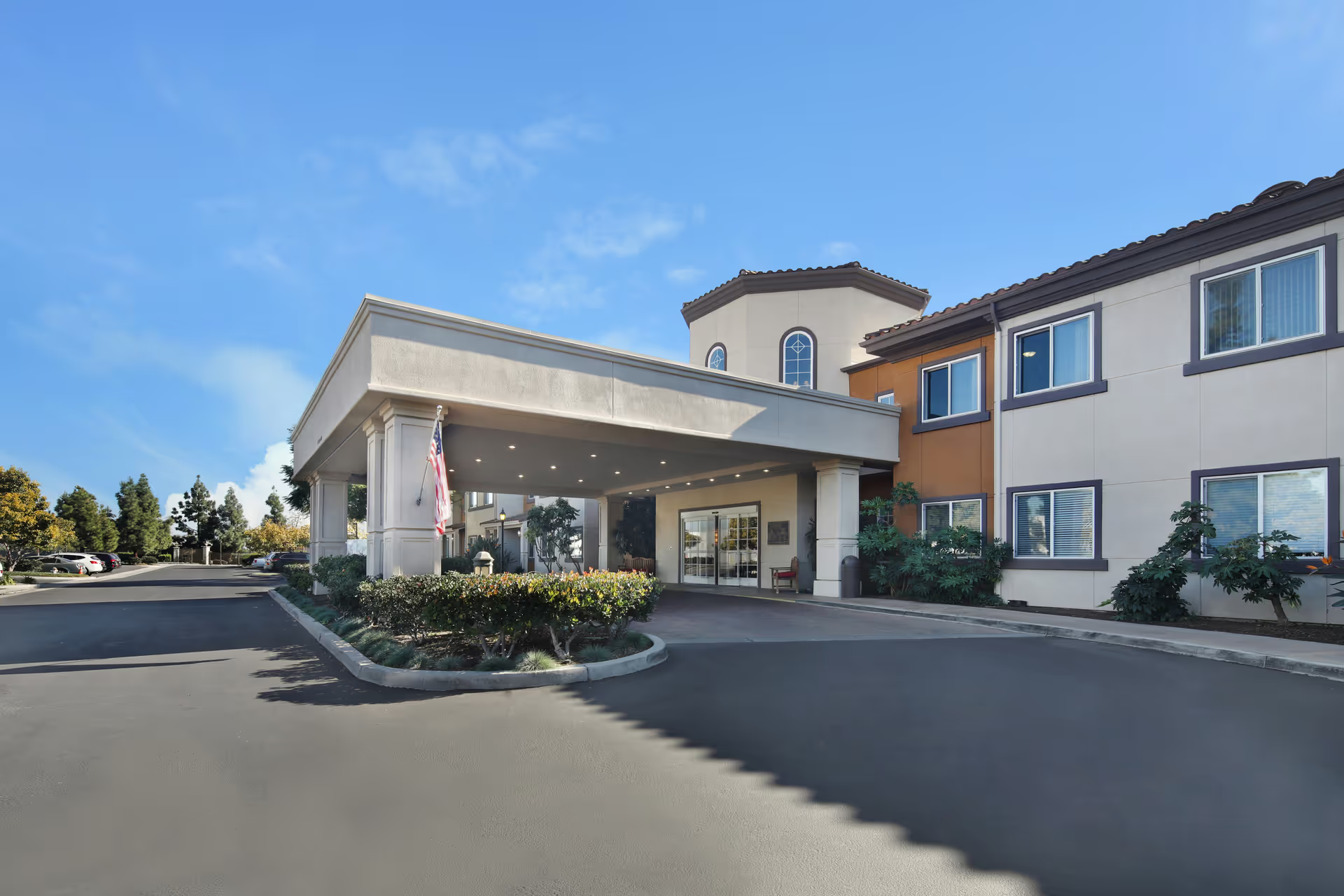
Facility condition assessments are mixed. Some units and common areas, including a remodeled lobby and an identified “East” unit, received positive remarks for cleanliness and space. Other descriptions point to run-down rooms, aging furnishings and mattresses, inconsistent housekeeping standards, and outsourced laundry practices that have led to missing personal items. These differences suggest variability in environmental standards across wings or floors.
Management and administrative communication emerge as a common pain point. Reviewers describe long holds or disconnected phone lines, difficulty obtaining visitation and billing information, and delayed or unclear communication during transfers and discharges. There are serious individual claims noted alongside operational issues—summarized by reviewers as allegations of theft, threats, and inappropriate discharge practices—some of which prompted recommendations to involve regulatory or ombudsman oversight. At the same time, a number of reviews indicate administration improvements and positive experiences with the social-services team.
Overall, the pattern is one of high variability: the facility can deliver strong rehabilitation, social services, and compassionate care in parts, but persistent operational weaknesses—especially inconsistent staffing, sanitation concerns in some units, laundry and property controls, communication gaps, and discharge/transfer coordination—create significant risk of negative experiences. Prospective residents and families should tour specific units, ask about staffing ratios and recent regulatory findings, review laundry and personal-property procedures, and confirm protocols for transfers, medication management, and visitation prior to placement.