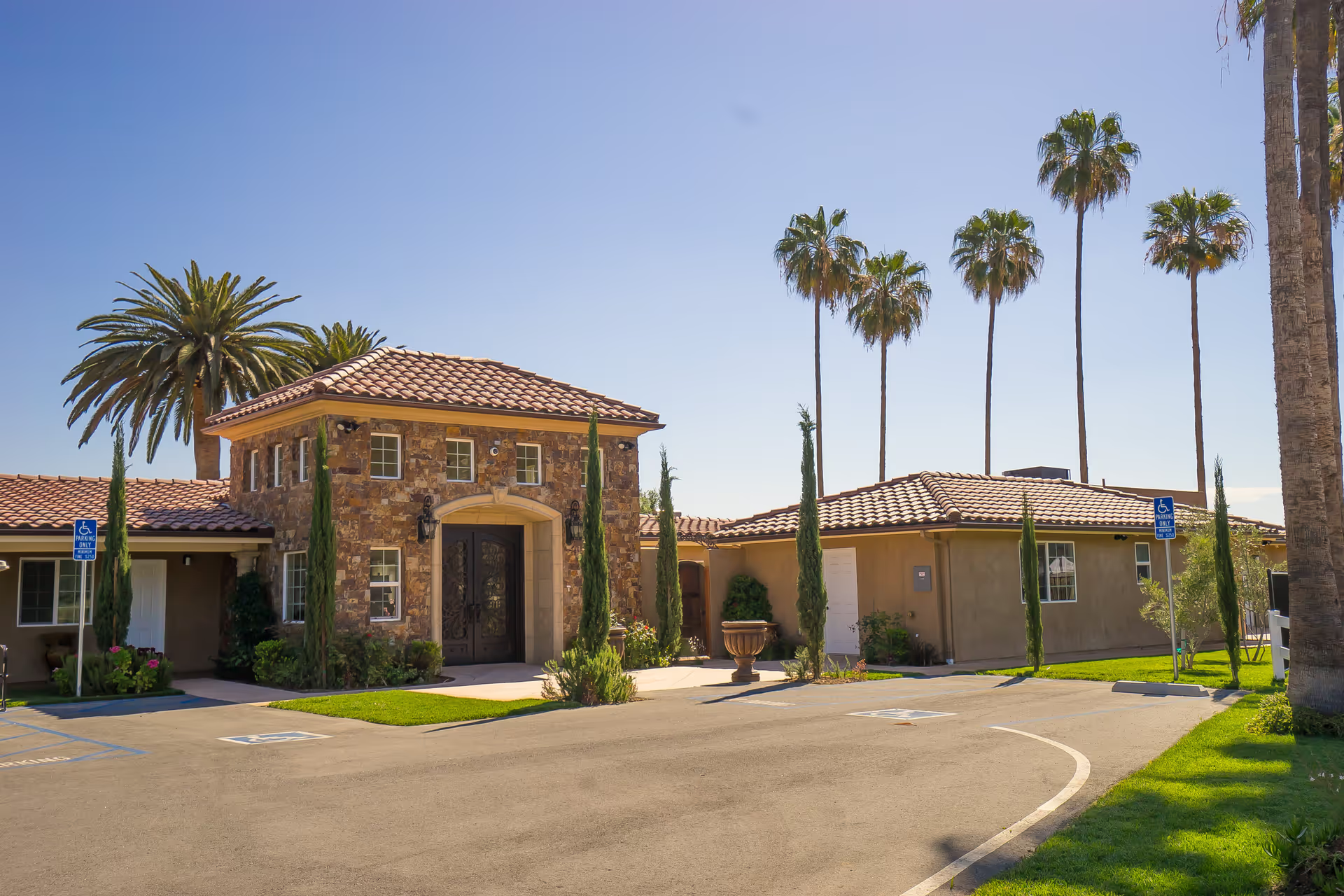
Families consistently describe Champine Manor RCFE as a small, home-like residential option with an emphasis on personalized attention. Reviewers highlight individualized care plans, attentive staff, and visible owner/management involvement, creating a family-style culture that many relatives find comforting. Clinical capabilities are noted as a strength: nursing staff and medication-management practices (including insulin support) are described as competent, and several accounts reference successful memory-care outcomes and positive changes in residents’ condition, including stabilization after hospice enrollment.
Dining and daily life receive repeated praise. The on-site chef and meal program are frequently described as high quality, varied, and well-liked by residents. Activities and engagement are regularly mentioned — from organized programs to informal animal interactions (a resident dog and onsite chickens) — which families say help keep residents occupied and improve mood. The property is characterized as immaculately kept, well-lit, and offering strong scenic views and outdoor space adjacent to rooms; visitors are described as welcomed and the move-in process as calm and supportive.
Operationally, the facility’s small scale is both a strength and a limitation. The intimate size supports personalized attention and a close-knit team, but it also means limited bed capacity and the need for an admission assessment and advance notice prior to placement. Several reviewers specifically noted that resident rooms are compact, so prospective families should confirm room dimensions and storage before deciding. Management responsiveness and hands-on leadership receive positive mention; communications with families and coordination for medical appointments are described as reliable.
In summary, Champine Manor is most appropriate for families seeking a cozy, well-maintained board-and-care with strong staff engagement, quality dining, and active memory-care support. Prospective residents should weigh the benefits of personalized attention and scenic, small-house living against smaller private-room footprints and the facility’s limited availability and admission scheduling requirements.