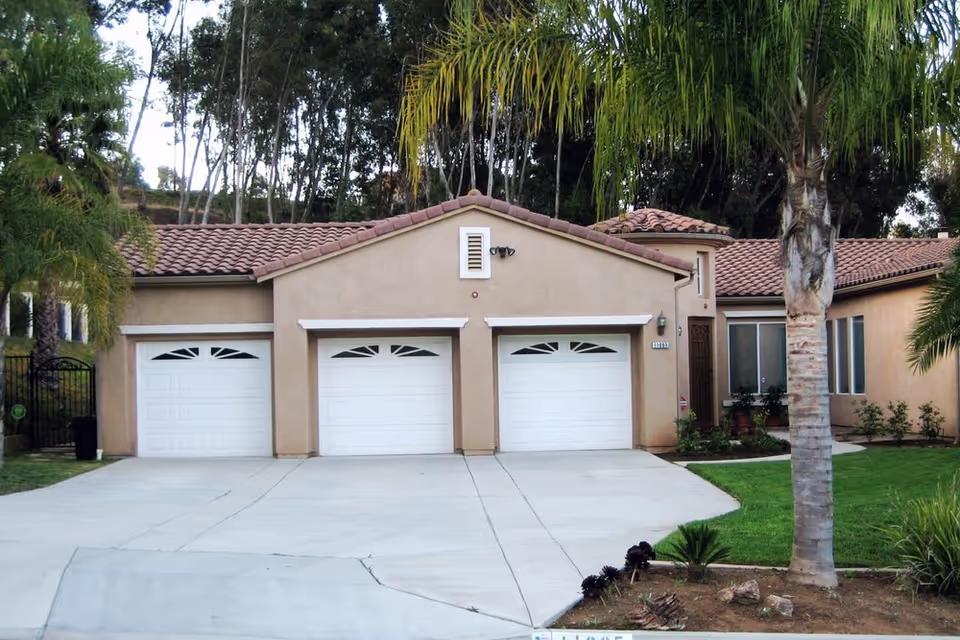
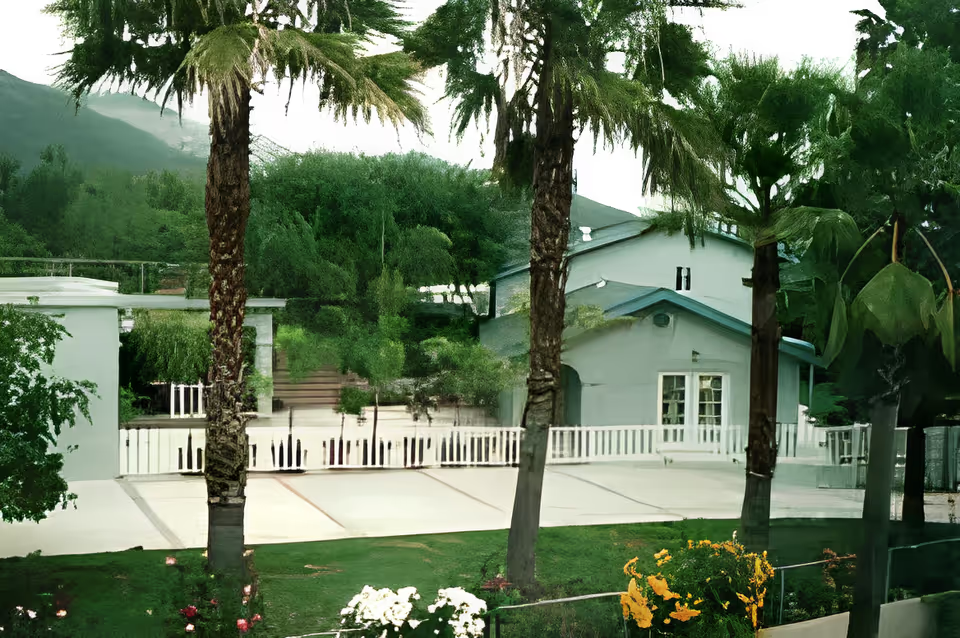
Villa Monticello is described by families as a small, home-like campus with a consistently positive atmosphere. Reviewers emphasize a resort-like appearance, clean and well-maintained common areas and private rooms, easy outdoor access, and scenic grounds. The facility’s physical environment is repeatedly characterized as peaceful and non-clinical, with thoughtfully plated meals and piped-in music contributing to a residential feel.
Care quality and staffing are central strengths in the reviews. Families routinely describe caregivers as compassionate, attentive, and familiar with residents’ needs; many note 24-hour availability and prompt responses to calls facilitated by electronic alarms. Long-tenured staff and proactive owner involvement are cited as factors in continuity of care and effective coordination with physicians and hospice when residents’ needs change. Reviewers also highlight individualized attention during end-of-life stages and regular communication with families.
Dining and amenities receive strong praise. The dining program is frequently described as chef-led with scratch-made, fresh meals and high-quality presentation. Reviewers report residents enjoying the food, and additional services such as haircuts and nail care are available on-site. Activity programming is varied and purposeful: fitness and morning exercise, games, music and singing, puzzles, reading groups, and intellectual activities are cited as regular offerings that support both physical and cognitive engagement. The facility supports family-friendly gatherings and communal events that families found meaningful.
Operationally, management is portrayed as engaged and proactive. Multiple reviewers note early and decisive infection-control steps during the COVID-19 pandemic, use of window visits, and attentive safety practices that families felt kept residents safe. Staff communication and coordination—between management, caregivers, families, and outside clinicians—are described as strong and responsive.
A small number of concerns appear amid the largely positive commentary. One family raised a safety concern regarding staff bringing young children to the workplace and concealing them in offices, which suggests potential gaps in visitor and staff personal-visitor supervision policies that the facility may need to clarify and enforce. The facility’s small, intimate scale—while a strength for personalization—may also limit availability of high-acuity clinical services or specialized therapies on-site; families requiring advanced medical care should confirm scope-of-service and transfer arrangements. Finally, the strong family-like culture that many families value could challenge professional boundaries in some situations, so prospective families should discuss expectations about staff roles and supervision during the tour and intake process.
Overall, Villa Monticello is presented as a well-kept, compassionate memory-care and assisted-living option with strong food service, active daily programming, and engaged management. Prospective residents and families should weigh the benefits of its personalized, small-community model against the limited scale for more intensive clinical needs and confirm visitor and staff-supervision policies during the decision process.