Redwood Terrace is consistently described as a service-rich senior living community with an emphasis on clinical rehabilitation, day-to-day caregiving, and social engagement. The facility offers a full continuum of care—from independent living through assisted living, memory care and skilled nursing—which reviewers link to continuity of services and convenient access to therapy and nursing. The therapy department and rehab outcomes receive frequent praise; families and residents commonly cite effective physical and occupational therapy, timely rehab after surgery, and helpful therapy staff.
Staff quality is a central strength in these accounts. Reviews highlight compassionate, attentive caregivers across departments—nurses, CNAs, social workers, dining staff, housekeeping and admissions coordinators—often noting personalized, above-and-beyond assistance. That sentiment is reinforced by descriptions of a warm, family-like community culture and robust volunteer and resident-council engagement that support social connection and post-loss emotional care.
Dining and programming are other prominent strengths. The community provides restaurant-style meals with a wide selection of healthy options; many reviewers praise portion sizes and menu variety (although a few mentioned occasional seasoning preferences). Activity programming is diverse, spanning fitness classes, lectures, clubs, outings to cultural sites, concerts and routine on-campus social events. On-site amenities include therapy and recreation pools, a gym, library, computer lab, salon and workshop spaces, which together support physical, recreational and social needs.
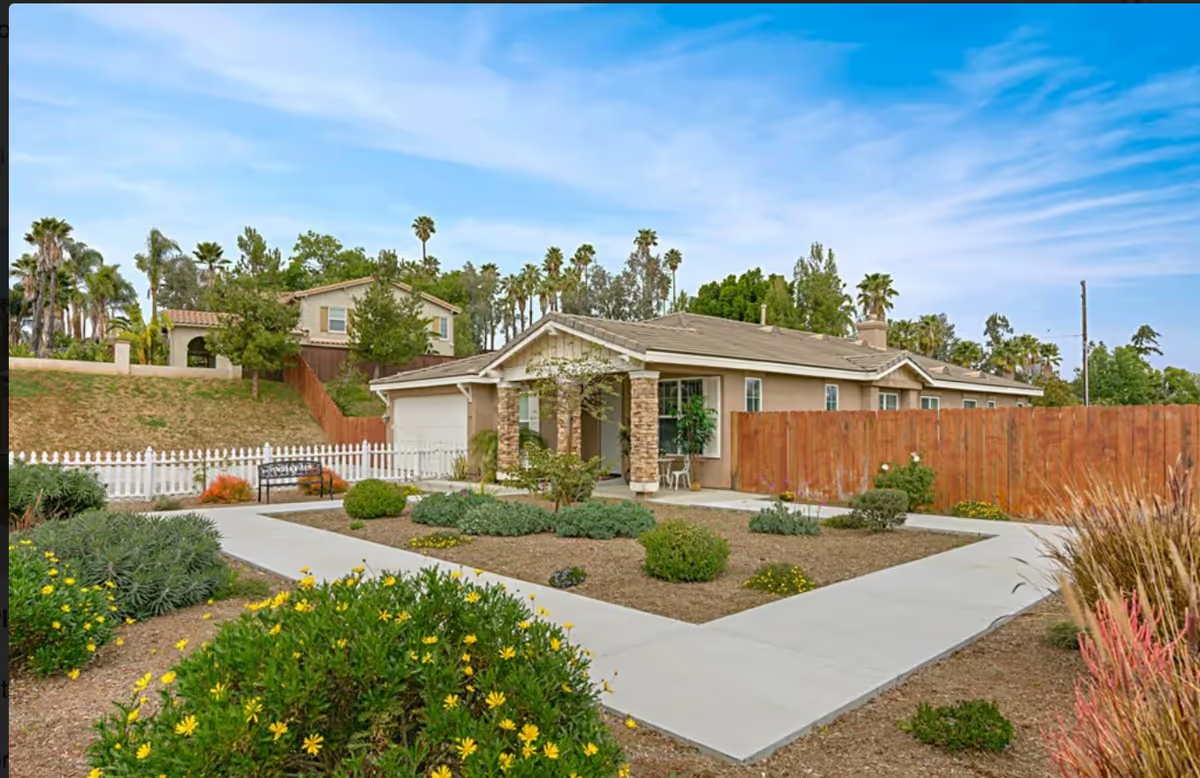
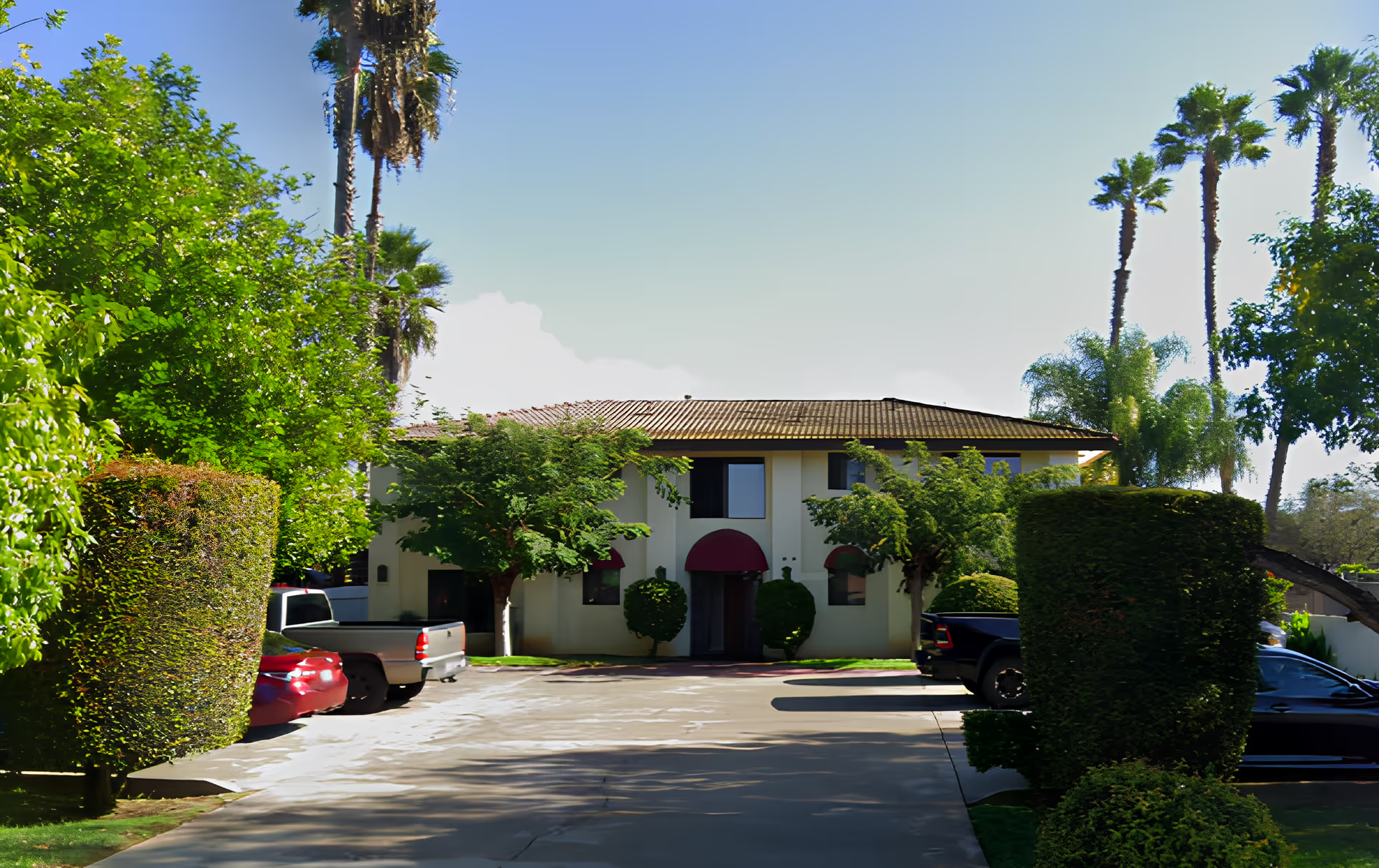
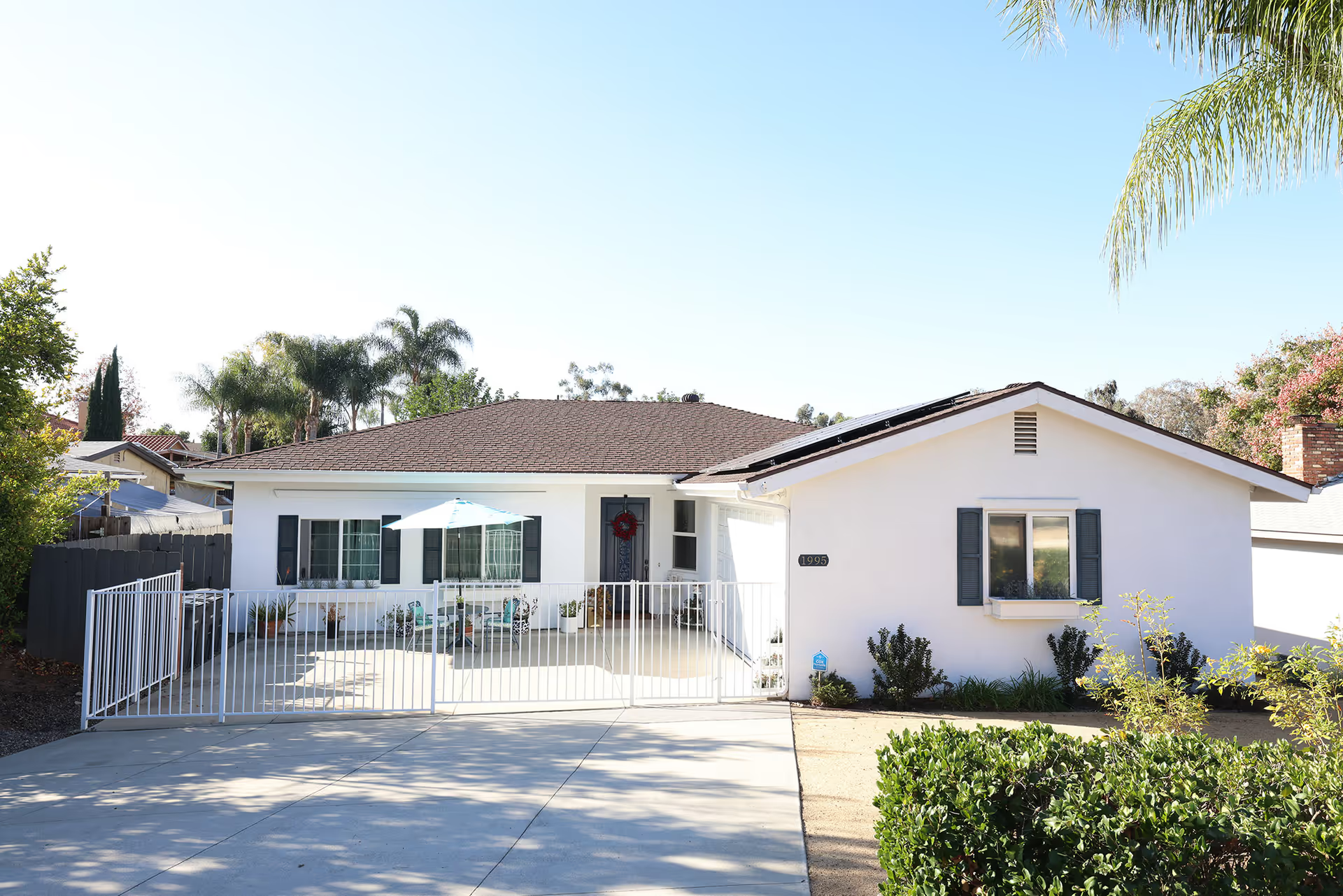
Facility condition and location are generally seen as positives: grounds and gardens are well maintained, rooms and cottages are roomy and many residences have modern updates, balconies or in-unit laundry. The Escondido location close to shops and cultural venues is frequently noted. That said, reviewers also point to the campus’s size and age: multiple comments describe a spread-out layout and several areas with an institutional feel, particularly in some clinical wings.
Operational patterns and management issues emerge as the main areas for prospective residents to evaluate. Communication and follow-up are sometimes inconsistent—families reported delayed callbacks or paperwork handling problems—and maintenance responsiveness appears uneven, with isolated unresolved work orders and thermostat/air-conditioning issues. Staffing levels and service consistency vary by shift, creating intermittent gaps in responsiveness or service quality. There are also facility-level trade-offs to consider: the community operates with buy-in/entry fee options and monthly charges that some consider high, dining-room seating can be constrained during peak times, and insurance limitations may require cash-based therapy for some services.
In summary, Redwood Terrace presents as a well-equipped, clinically capable community with a strong caregiving culture, robust rehab services, attractive amenities and active programming. Prospective residents and families should weigh the clear strengths in staff quality, therapy and social life against operational considerations such as campus age and layout, occasional communication and maintenance inconsistencies, and the financial model for entry and therapy costs. A focused tour of assisted- and memory-care areas, a review of current contract and billing terms, and discussion of maintenance response protocols would help address the most commonly raised concerns prior to decision-making.