Countryside Care Center receives mixed but specific feedback. Many families describe compassionate, professional caregivers and a therapy team that supports recovery and rehabilitation. At the same time, other accounts identify operational weaknesses — particularly around facility upkeep, communication, and service consistency — that create a variable experience depending on unit, shift, or individual staff on duty.
Care quality and staff: A strong theme across the positive comments is that nurses, CNAs and therapy staff are caring, attentive and often go beyond baseline expectations to support residents. Reviewers praise individualized attention, patience from care nurses, and visible commitment from several named staff members and managers. Conversely, there are recurring concerns about inconsistent responsiveness (delays in addressing resident needs or family inquiries) and occasional lapses in following care plans or communicating care changes, which families find consequential.
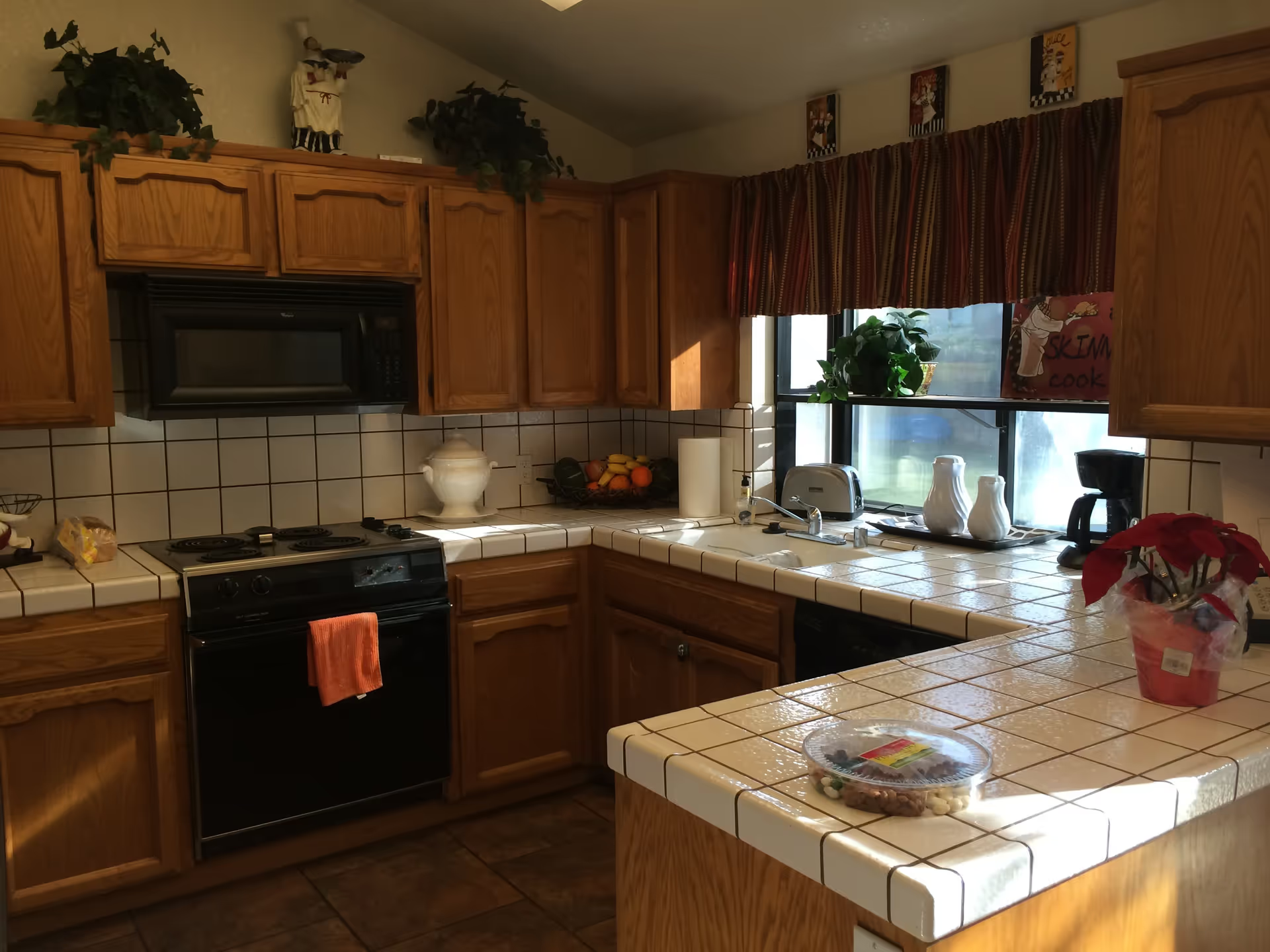
Dining and activities: Multiple reviews highlight accommodating dietary staff, responsiveness to special diets, and an active activity program led by an engaged activities director. Residents and families report social events, holiday decorations and regular offerings that contribute to a welcoming atmosphere. However, there is also feedback about uneven meal quality and isolated interruptions in kitchen service; some reviewers describe situations where meals or dietary access were not reliably available. Additionally, while activities are generally present and robust, accessibility for residents with certain limitations appears uneven — some residents are unable to participate fully.
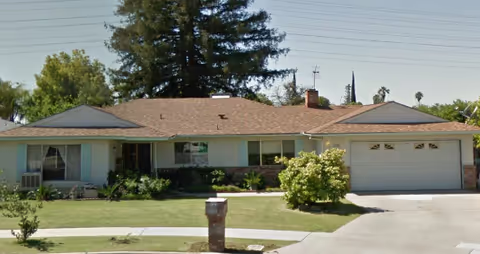
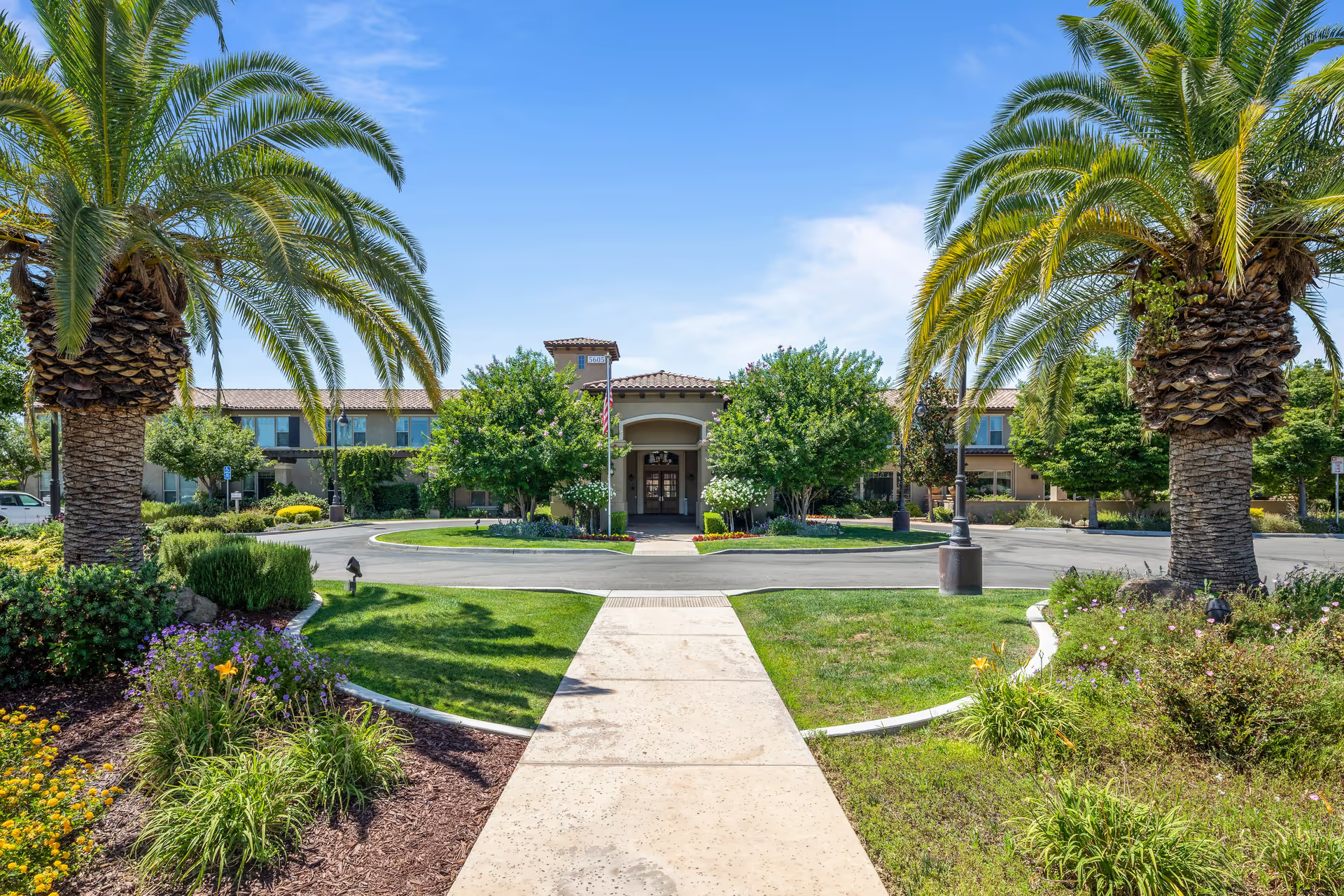
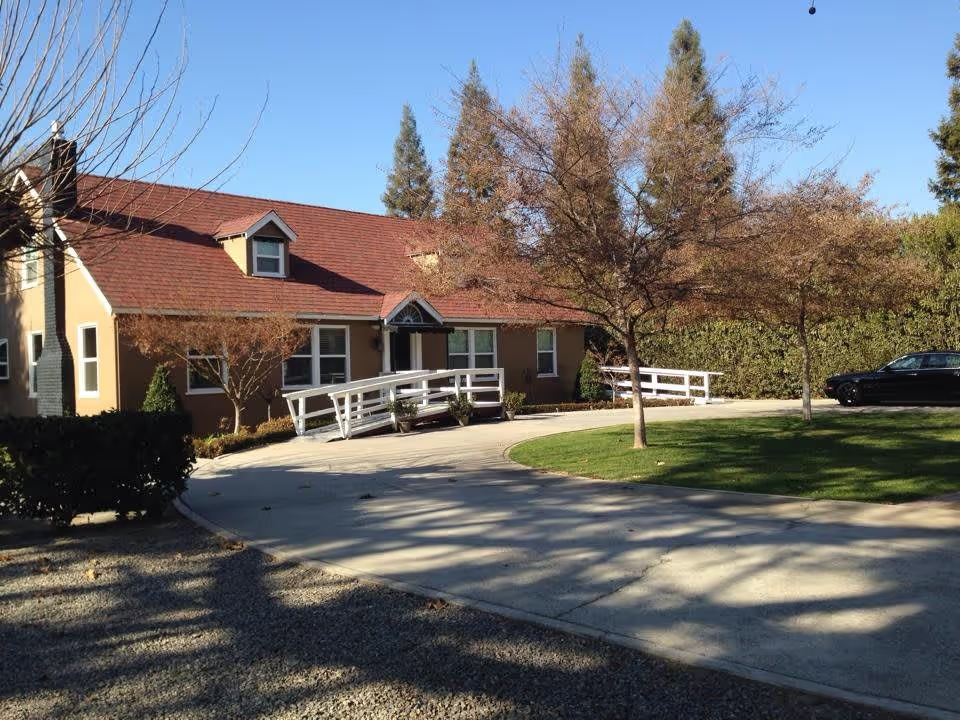
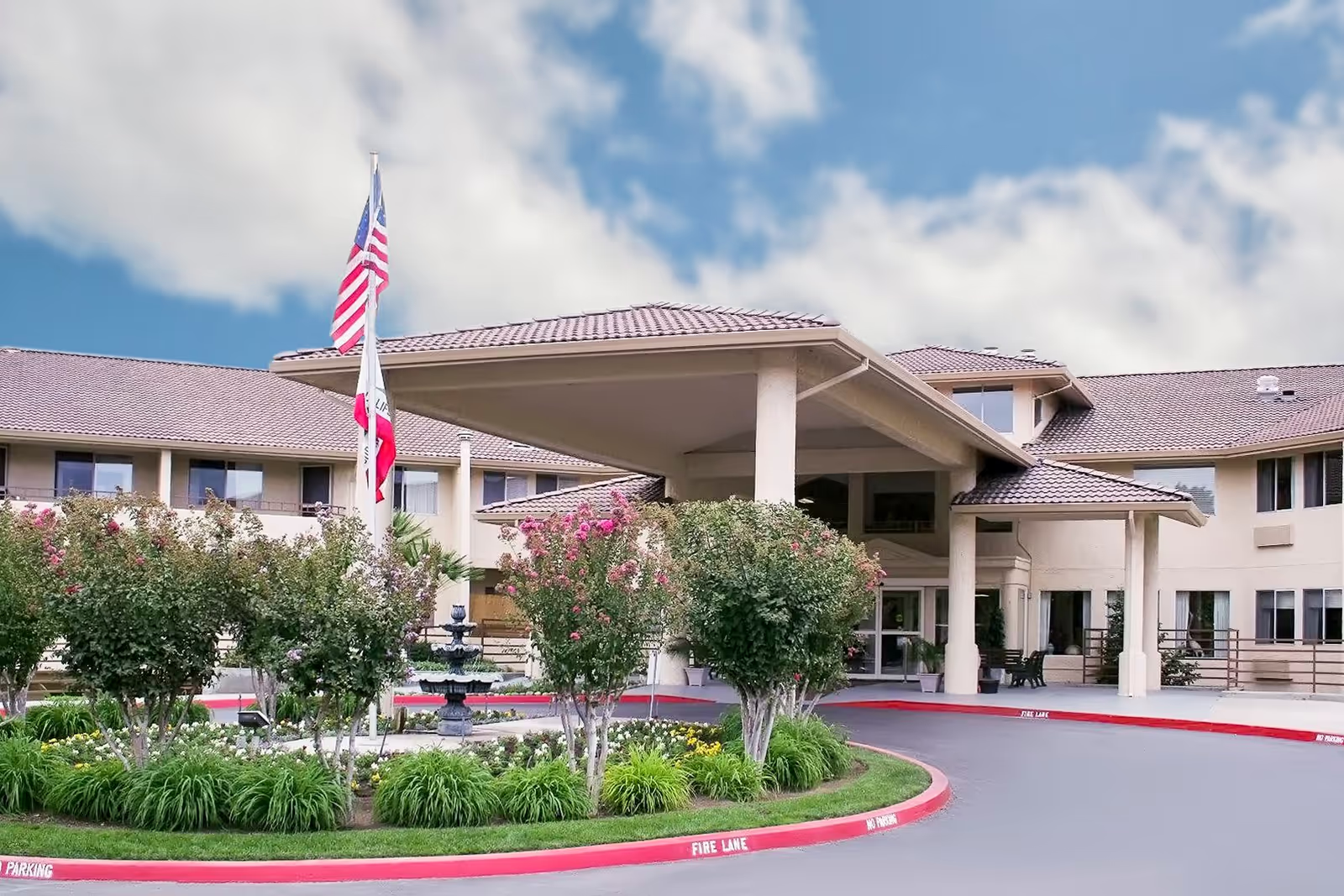
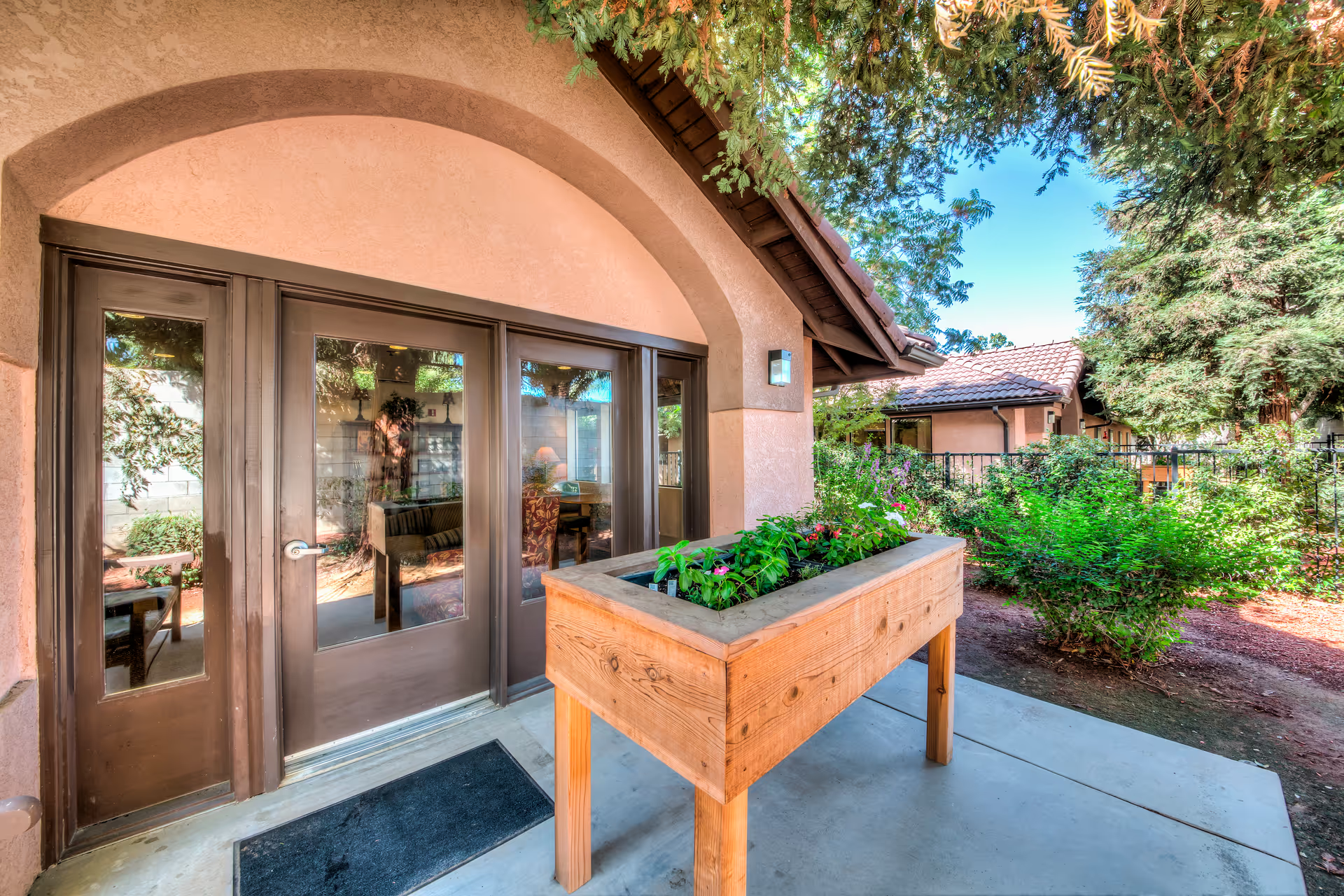
Facilities and cleanliness: Impressions of the physical plant are mixed. Several reviewers note clean, well-maintained grounds and interior areas, but other accounts point to sanitation concerns in specific rooms or bathing areas and an overall dated or run-down building aesthetic in places. These comments suggest variability in housekeeping standards or differential maintenance across units rather than uniform facility-wide conditions.
Management and communication: Leadership and front-line management are often credited with being supportive, communicative and helpful; families report helpful discharge planning and reassurance in many cases. Still, there are notable service gaps described as failures of follow-through — for example, promised training or callbacks not occurring and instances of discharge or care coordination lapses without timely family notification. These indicate inconsistent systems for accountability and family communication during transitions of care.
Notable patterns and considerations: Overall, Countryside Care Center shows clear strengths in person-centered caregiving, therapeutic services and family engagement, paired with operational inconsistencies that can affect resident experience. Prospective residents and families should plan visits that include specific checks on cleanliness in units of interest, questions about meal-service continuity and backups, how activities are adapted for varying ability levels, and the facility’s processes for discharge notification and care-plan adherence. Doing so will help assess whether the facility’s strong caregiving culture is matched by consistent operational practices in the areas that matter most to the household.