Huntington Valley Healthcare presents a mixed but distinct profile: it is frequently praised for strong rehabilitative services, a compassionate caregiving culture, and an appealing physical environment, while also showing recurring operational weaknesses that have affected clinical outcomes and family communication.
Care quality and clinical oversight: The facility receives consistent commendation for its rehabilitation program — physical, occupational and speech therapy staff are described as skilled, hands-on, and effective at restoring function. CNAs and many nursing staff are frequently characterized as caring and attentive. At the same time, reviews identify notable gaps in clinical monitoring and escalation, including delayed recognition of clinical changes, medication-management inconsistencies, and serious incidents that led to hospital transfer. These patterns suggest variability in how clinical risk is tracked and communicated across shifts and teams. The facility’s capability to support higher-acuity needs (ventilator capacity, 24/7 respiratory therapists, on-site lab services) is a strength, but families should verify protocols for monitoring, medication reconciliation, and escalation during admission.
Staff and communication: Many reviewers describe warm, professional interactions with therapists, CNAs, and front-desk personnel; several single points of staff (named nurses and therapists) drew particular praise. However, there are recurring reports of high nursing turnover, understaffing, long response times to assistance requests, and uneven tone or responsiveness from some staff members. Family communication and case-management responsiveness are inconsistent — while admissions and some administrators are noted as supportive and apologetic when issues arise, other reports indicate unreturned calls, voicemail/phone-system failures, and difficulty reaching managers. Prospective families should confirm the facility’s current staffing ratios, on-shift leadership coverage, and case manager communication practices.
Dining, nutrition and personal care: The kitchen and dietitian receive strong positive comments for diverse, nutritious meals and special dining events; reviewers note a pleasant dining atmosphere and attention to dietary needs. Conversely, there are operational concerns about inconsistent meal quality, food taken away before residents could finish, and at least one reported allergy-accommodation lapse. Related personal-care themes include reports of weight loss during stays and intermittent laundry or missing-item issues. These items indicate that while the food program is a strength, meal delivery continuity and personal-item management can be variable.
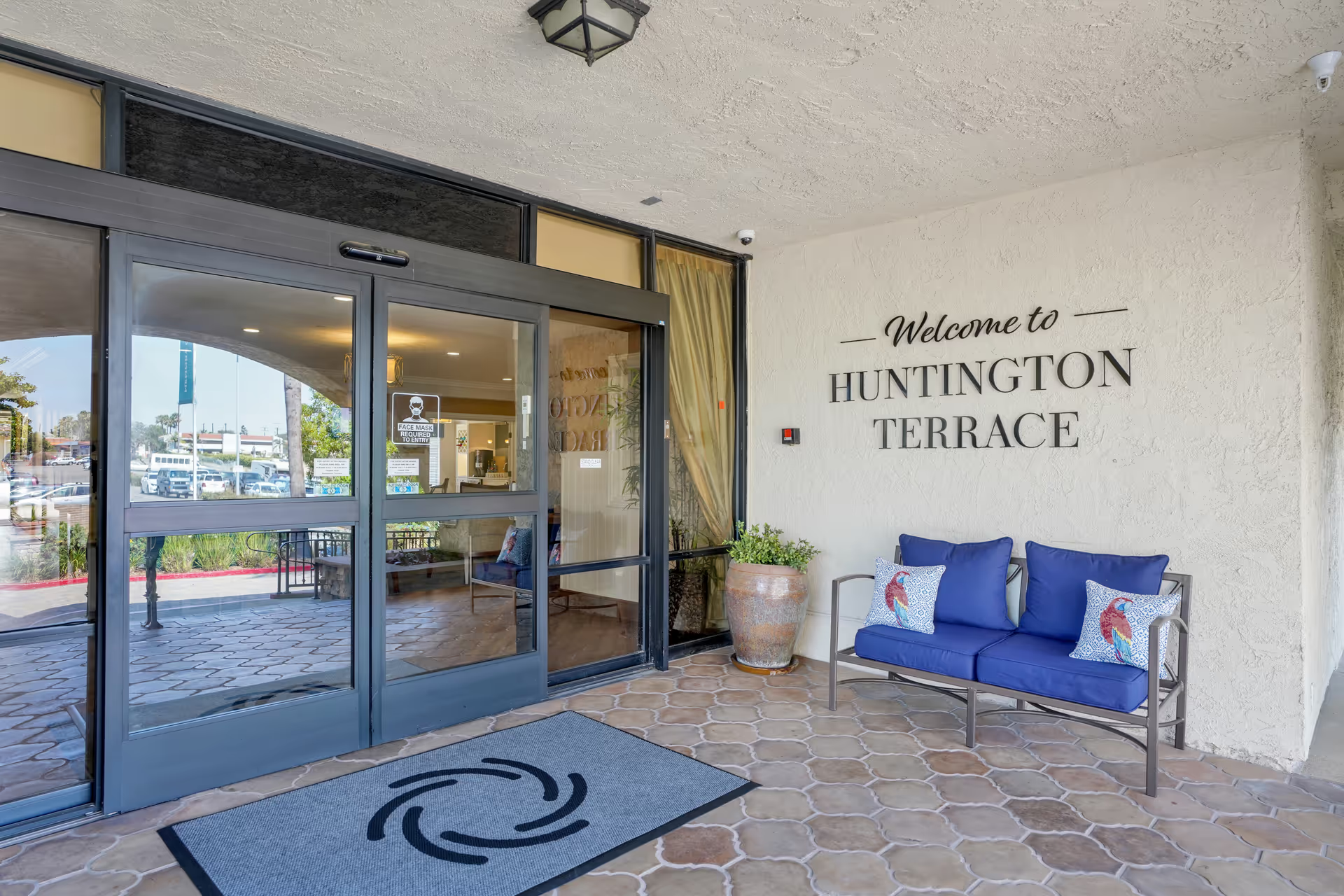
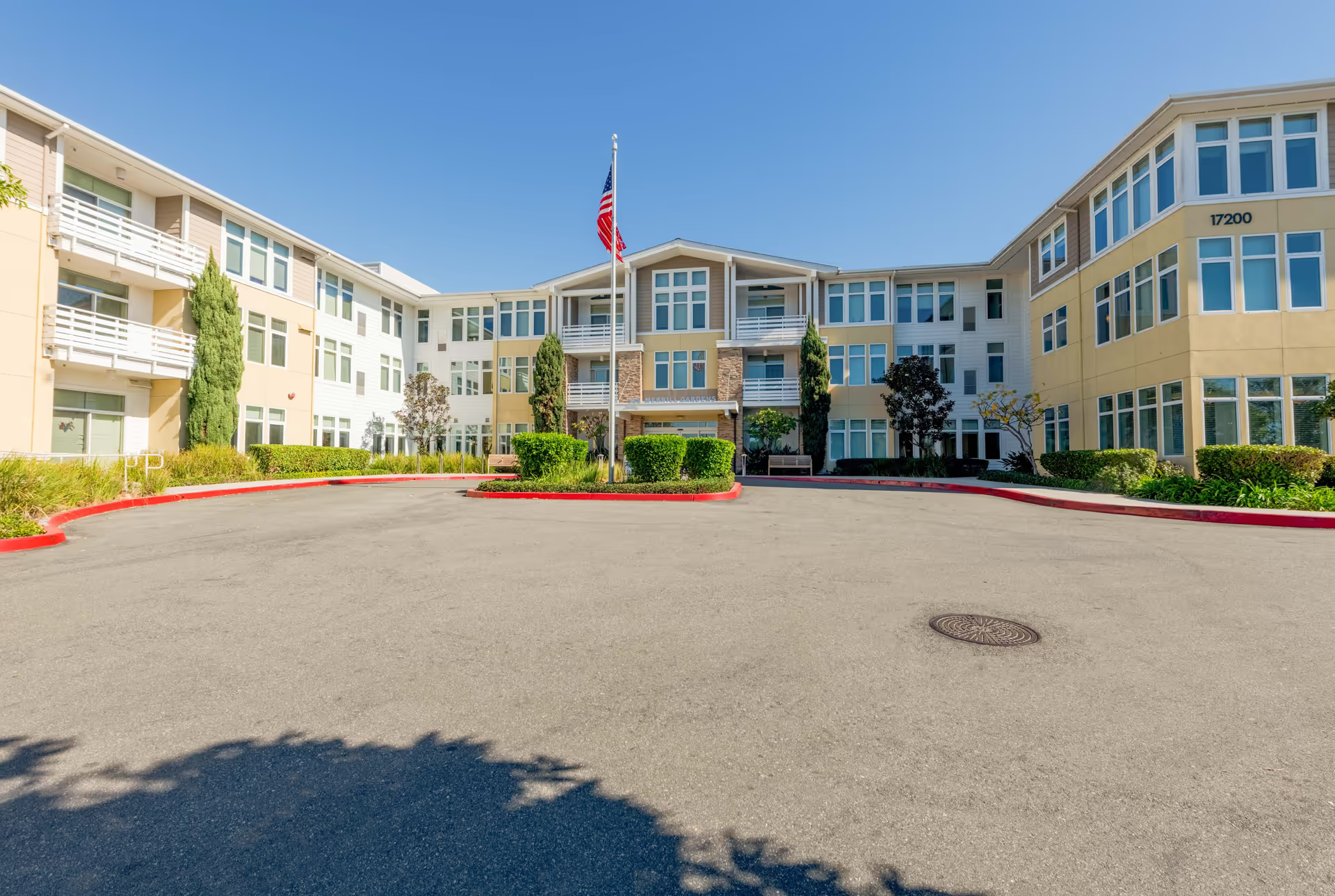
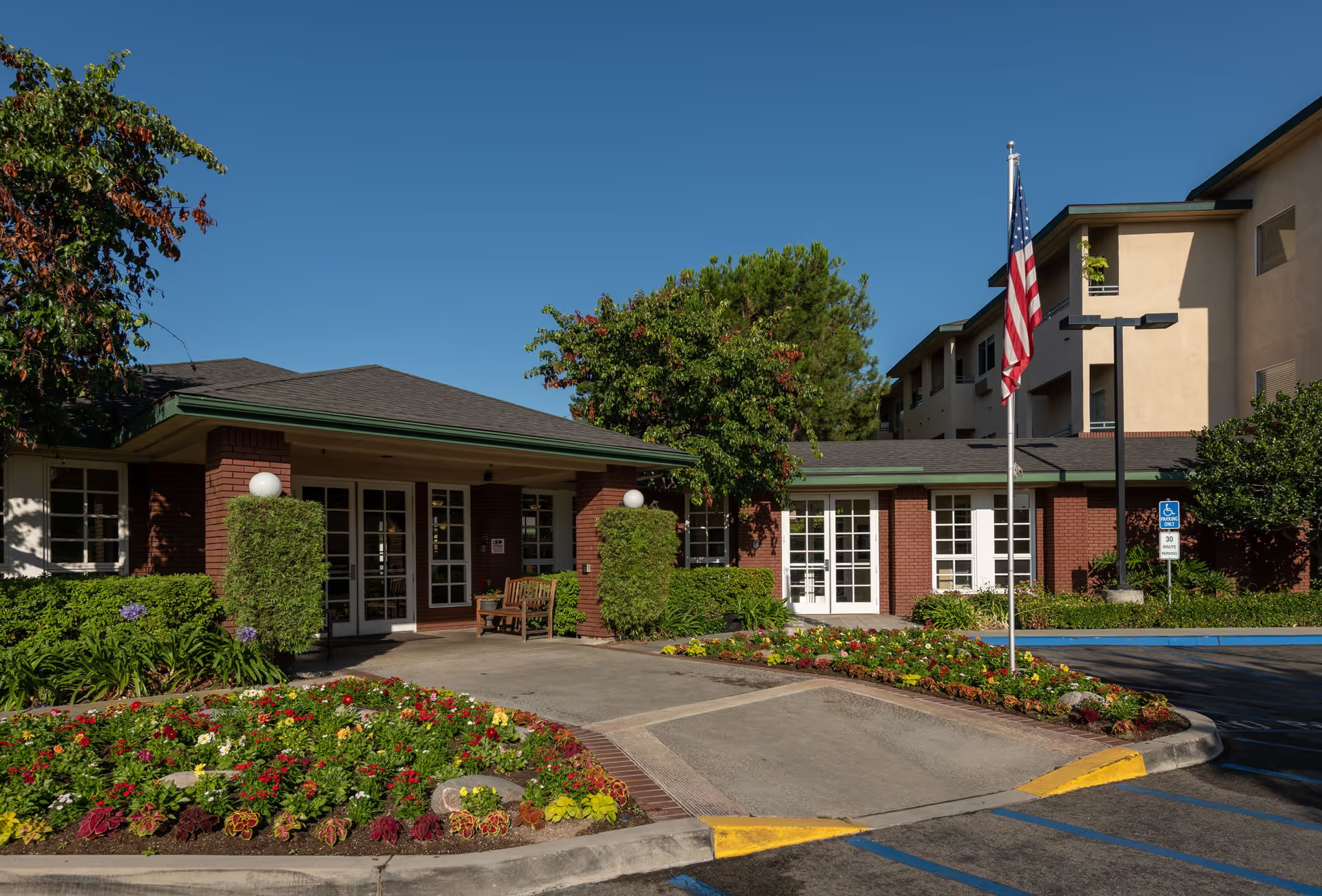
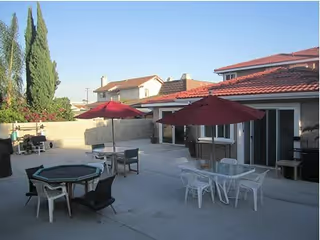
Activities and environment: The facility’s activities program is a clear positive: regular events, outings, and special dinners create a family-like social environment for many residents. Physical spaces are often described as clean, bright, and well-maintained, with desirable features such as sliding doors, large windows, outdoor courtyards and water features. That said, some areas of the building are described as dated, and reviewers noted crowding, noisy communal areas, and shared rooms in parts of the facility.
Management and operational patterns: Administrative strengths include an approachable admissions team, proactive dietitian involvement, and visible therapy leadership. Operational weaknesses cluster around phone-system reliability, voicemail issues, case-management responsiveness, and uneven front-line staffing. Safety-related themes — unreliable call-button systems, fall-safety and transfer practices, and inconsistent infection-control during outbreaks — are of particular concern because they are tied to clinical risk. A small number of reviews describe serious clinical incidents that led to hospitalization; these underscore the importance of confirming current policies and quality metrics during the decision process.
Recommendation for families: Huntington Valley Healthcare offers notable strengths in rehabilitation, therapy outcomes, nutrition programming, and a generally warm caregiving culture. Prospective residents and families should weigh these positives against operational risks related to staffing consistency, clinical monitoring, communication practices, and certain maintenance or systems issues. When evaluating placement, request current staffing ratios, recent quality and incident data, call-button and alarm functionality checks, infection-control policies, medication-safety protocols, and references from families whose loved ones completed post-acute rehabilitation there.