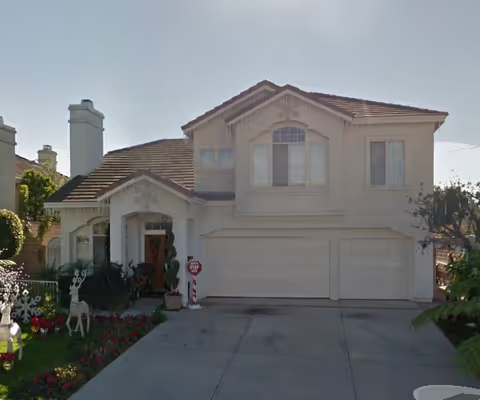
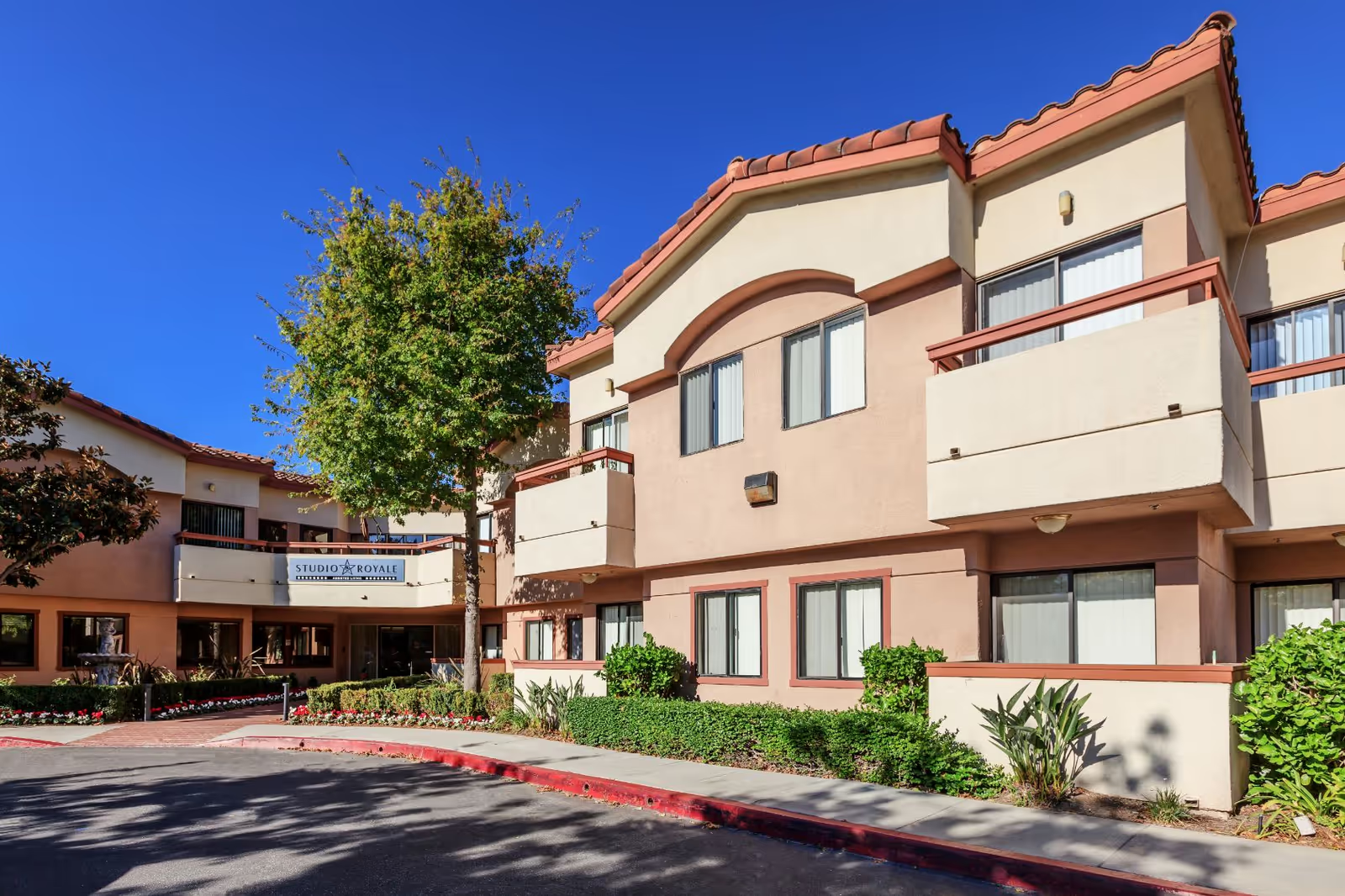
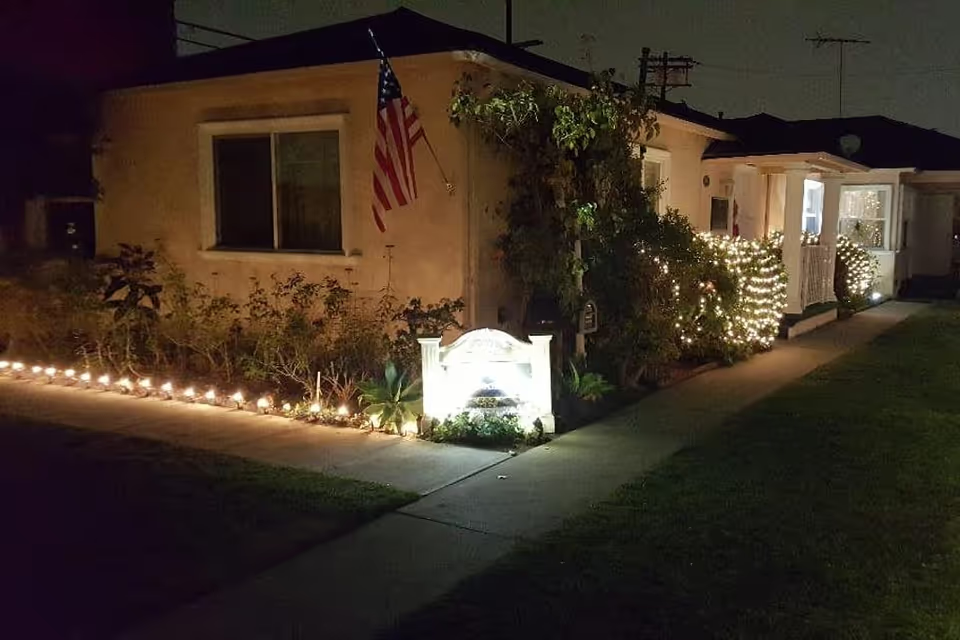
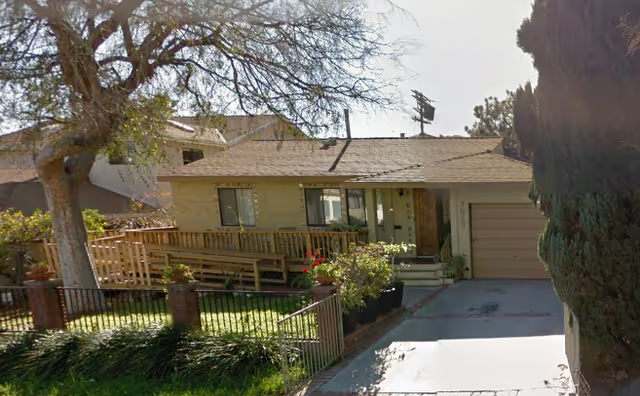
Westchester Villa presents as a generally clean, secure, and well-staffed assisted-living community with a range of on-site amenities that many families find reassuring. Strengths that recur across feedback include consistent housekeeping and laundry, private rooms that accommodate personal furniture, large and attractively decorated dining areas, multiple communal lounges and activity rooms, and convenient on-site services such as a barber/beauty shop. The facility also offers a dedicated memory-care unit and a variety of programmed activities (exercise, puzzles, games, movies) that many residents participate in; these features contribute to a broadly positive sense of safety and social engagement for many families.
Staff and management receive frequent praise for compassion, responsiveness, and hands-on involvement. Reviewers commonly describe staff as caring and communicative, and administrators as engaged and professional; several accounts emphasize personalized attention, frequent checks on residents, and visible involvement in activities and transitions. The community’s amenities — accessible parking, nearby shopping, outdoor seating, multiple dining options, and small features such as fish tanks and birds — further support a comfortable daily environment and are cited as reasons families feel confident placing loved ones there.
Recurring concerns center on several operational areas. Dining quality and menu variety are inconsistent: while meals are sometimes described positively, others cite limited menu options, texture/palatability problems with specific entrées, and room for improvement in culinary consistency. Physical plant issues appear mixed — many reviewers note cleanliness and attractive common areas, but others describe dated rooms, areas in need of repair, dim or somber corridors, and occasional odor concerns in parts of the building. Those differences suggest variability between units or times of visit.
Clinical and programmatic limitations are another theme. A number of accounts indicate that staffing coverage can feel thin given the facility’s size, and some families question whether the clinical skill mix is sufficient for residents with higher-acuity needs. The memory-care approach has operational implications: the unit is separated from assisted living and uses shared rooms, which some families perceived as isolating or less integrated with the broader community. Activity programming is generally available and varied on-site, but several reviewers wanted more off-site outings and external engagement opportunities.
Administrative patterns include both positives and friction points. Management is often praised for responsiveness and professionalism, yet others describe uneven intake/tour procedures and delays around Medicare/Medicaid processing or placement logistics. Overall, Westchester Villa appears to offer solid baseline assisted-living services, strong interpersonal care from staff, and many helpful amenities; prospective residents and families should weigh the facility’s social and convenience strengths against the noted variability in dining, physical updates, staffing ratios for higher-need care, and memory-care arrangements when deciding if it matches their clinical and lifestyle priorities.