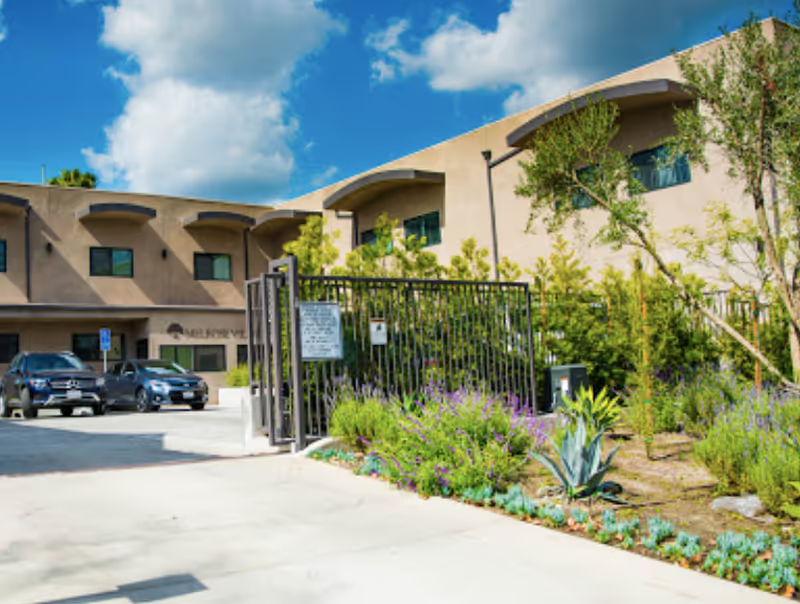
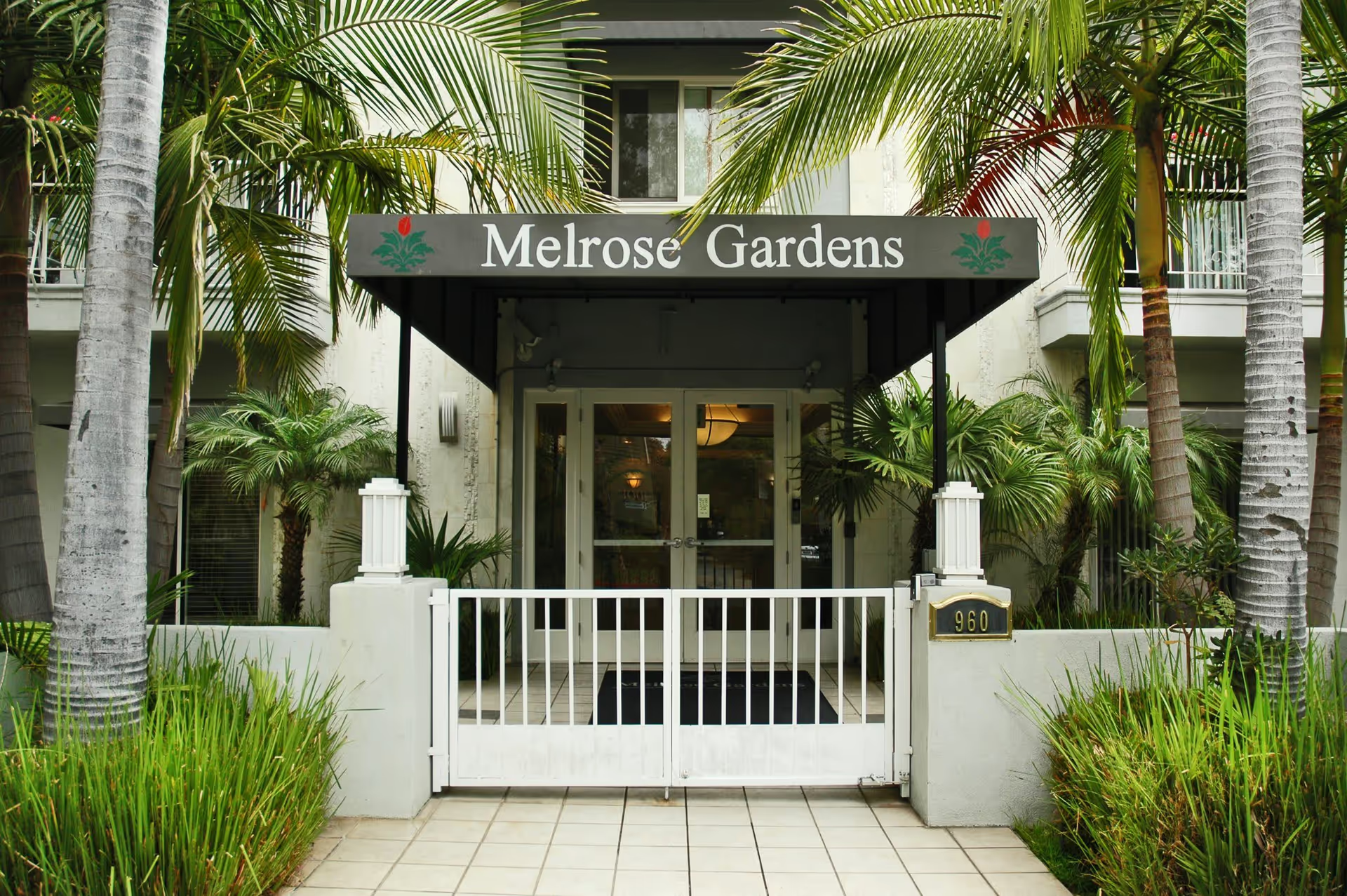
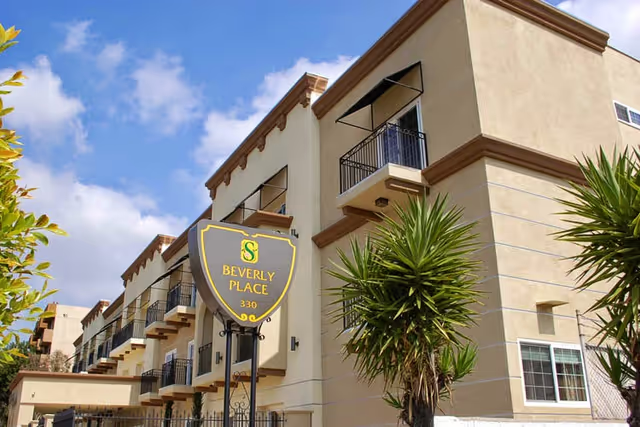
The reviews present a strongly polarized picture of Alden Terrace Convalescent. Several accounts describe a well-kept, recently updated area of the facility with attentive, compassionate staff and good family communication; these reviewers highlight a welcoming, calm atmosphere and express high satisfaction with nursing care. Conversely, other accounts describe operational and care-delivery shortcomings that raise safety and quality-of-care concerns. Prospective residents and families will encounter both positive and negative experiences in the current dataset.
Care quality is described inconsistently. Positive comments emphasize attentive, caring nurses and staff who engage with families and residents. Negative accounts indicate delays in attending to residents, inconsistent medication practices, and variability in nutritional support. Together these suggest variability in clinical processes: some units or shifts appear to provide reliable, person-centered care, while others show lapses in timely checks, medication administration controls, and adherence to dietary restrictions.
Staff behavior and management are similarly mixed. Many reviews praise friendly, family-like interactions and helpful frontline staff. However, other reviews point to staff distraction (including personal-device use), inconsistent training or supervision, and perceived gaps in management oversight. These patterns indicate that staff performance and supervisory effectiveness may vary by shift or unit, and that leadership consistency could be an area for improvement.
Dining and therapy/service provision show irregular performance. Some families praise meal services and general comfort; others report inappropriate meals for restricted diets and concerns about nutritional monitoring. Rehabilitation and activity services are described as present and beneficial in some reports but absent or insufficient in others, indicating uneven delivery of therapeutic programming and activity schedules.
Facilities and amenities are described in two distinct ways: newer or updated areas receive praise for cleanliness and a welcoming environment, while other parts of the campus are reported to have sanitation and cleanliness issues and missing room equipment. Specific operational issues noted include incontinence-care practices, odor concerns in shared spaces, and inconsistent availability of room amenities such as televisions or adaptive dining equipment.
Overall management and safety processes emerge as an area needing attention. Reviews raise concerns about security practices, inconsistent communication in some cases, and gaps in supervision that contribute to the variability described above. While strong family communication is explicitly highlighted by some families, others describe emotional distress and advise careful inquiry prior to placement.
Recommendation: prospective residents and families should tour the facility more than once, request to see both newer and older units, and ask direct questions about staffing ratios, on-shift supervision, sanitation protocols, medication-administration procedures, dietary-accommodation processes, and therapy schedules. Reviewing recent inspection reports and speaking with current families on different shifts may help clarify which parts of the facility consistently meet expectations and which areas may be subject to variability.