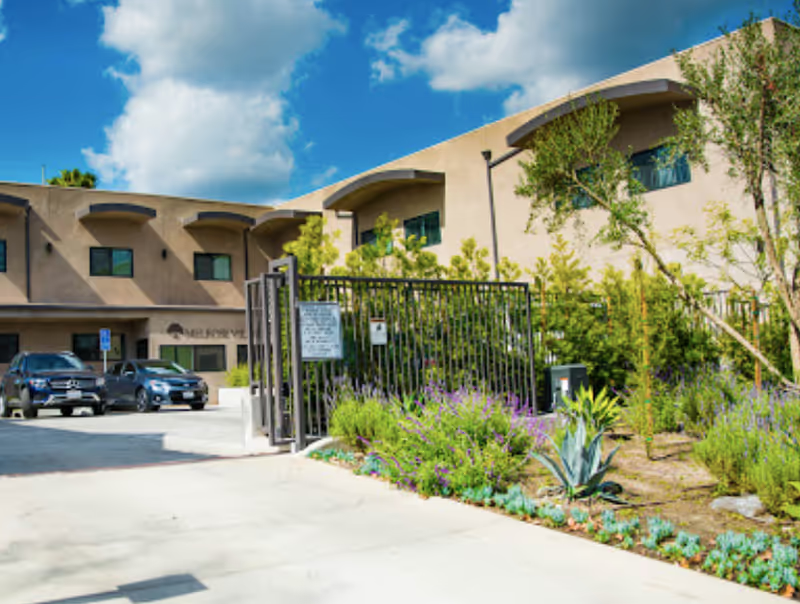
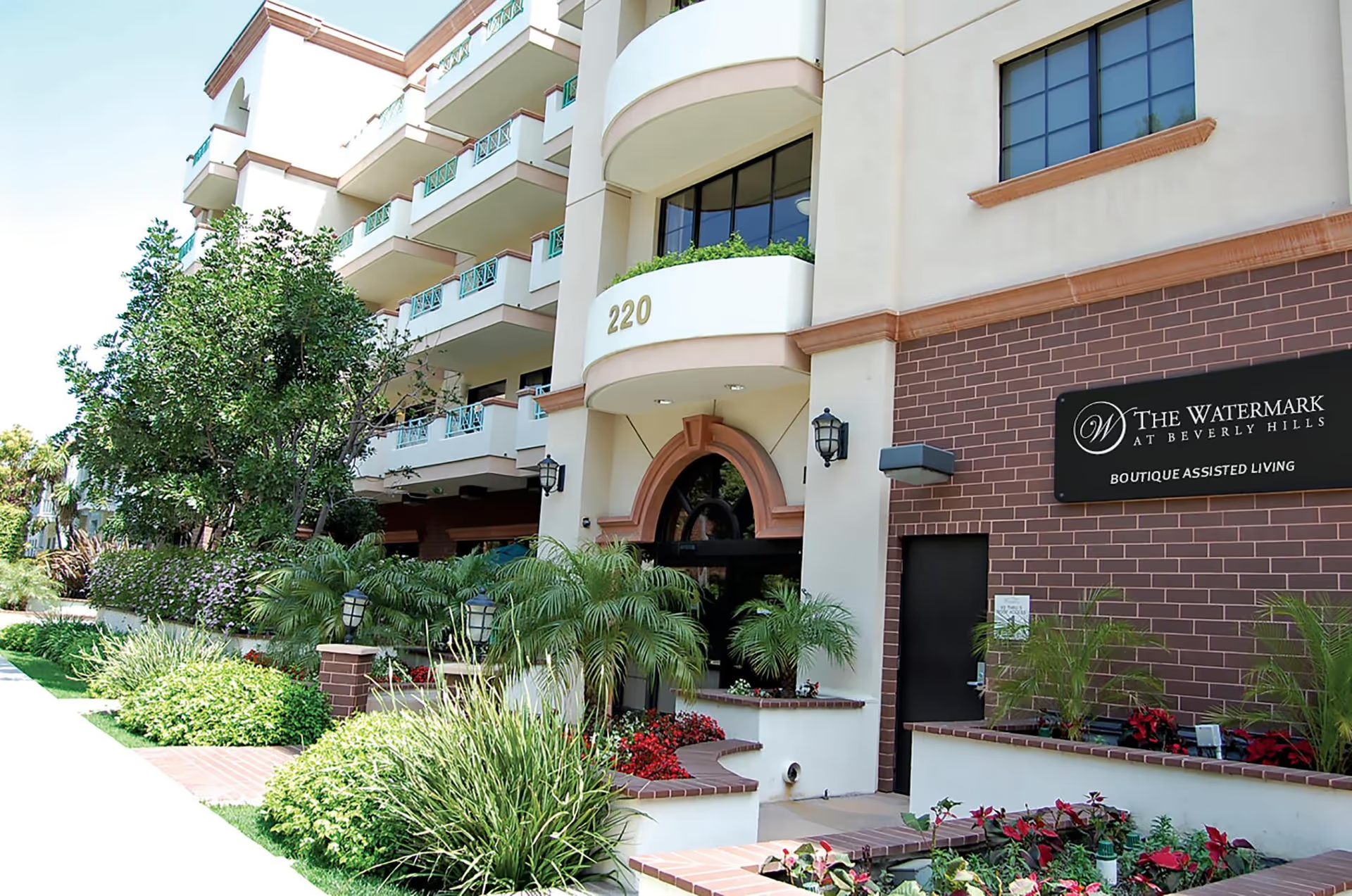
Silverado Beverly Place presents as a dementia-focused memory-care community with many strengths alongside several operational caveats families should consider. The facility is frequently described as staffed by compassionate, dementia-trained caregivers and nurses who provide person-centered care. Reviewers consistently highlight a specialized memory-care model, a strong music-therapy program, and a robust activities calendar that includes outings, concerts, cognitive classes, and daily structured engagement. Clinical supports such as meticulous medication administration, 24/7 nursing coverage, onsite physical therapy, and hospice availability are commonly noted and contribute to families’ sense of medical safety.
Staff and social services receive largely positive comments regarding warmth, responsiveness, and family engagement. Many families praise the administration for facilitating smooth admissions, personalized room setups, and hands-on transition support. There are also repeated endorsements of the dining program (chef-driven menus), onsite amenities (salon, dry-cleaning, valet parking), and a pet-friendly, social atmosphere that fosters family involvement and frequent events.
However, a pattern of operational issues emerges in the reviews and should be weighed alongside positives. Communication and family-notification gaps are a recurring theme, with several families describing delays or a lack of timely updates after clinical incidents. Staffing consistency appears variable by shift and by floor; while many caregivers are praised, others are described as less attentive, which connects to reported gaps in monitoring and incident response. Relatedly, some reviews raise concerns about personal-care routines (bathing, grooming, incontinence-care timeliness) and sanitation variability in certain areas.
Facility and policy considerations include limited accessible outdoor space for residents, a generally high cost of care with reports of additional ancillary charges, and a busy, sometimes noisy environment that may not suit residents needing lower stimulation. There are also notes about expectation-setting during tours versus day-to-day realities, and a small number of serious individual claims — including allegations of missing personal items — that families should investigate directly with management. Visitation policies have at times been restrictive during infection-control periods, which affected some families’ experiences.
In summary, Silverado Beverly Place appears to offer strong, dementia-focused clinical programming, an active and therapeutic activities schedule, and many onsite conveniences that families value. Prospective residents and families will likely appreciate the community’s strengths in memory-care expertise and engagement programming but should seek clear, written information on communication protocols, staffing patterns, personal-care routines, fee structure, and outdoor-access arrangements during a tour. Asking for specific examples of how the community handles clinical incidents, family notification, and personal belongings inventory during move-in can help address the most commonly raised concerns.