Reviewer feedback for Alexandria Care Center is highly mixed, with distinct positive patterns alongside persistent operational concerns. Many families and residents describe attentive, skilled nursing and therapy services that supported successful rehabilitation and wound healing; wound-care clinicians and some therapy staff were specifically praised. At the same time, a number of reviews describe systemic issues—particularly around staffing levels and responsiveness—that appear to produce variable day-to-day experience.
Care and staff: Positive accounts emphasize compassionate, respectful caregivers, helpful CNAs, and therapists who provide clear progress updates. These reports highlight effective physical-therapy and wound-care outcomes and note administrators and some staff as supportive and engaged. Conversely, other accounts describe staffing shortfalls that lead to delays in attending to resident needs, gaps in medication-timing, and situations where family advocacy is required to obtain timely attention. There are also concerns about inconsistent staff conduct and professionalism in some interactions.
Communication and management: Several reviewers cite difficulties reaching staff by phone, long hold times, and occasional abrupt call handling. Communication lapses extend to inconsistent notification about clinical changes and restrictive or unevenly applied visitation practices. Conversely, when communication functions well, families report prompt updates from doctors and therapists and a welcoming environment for visitors, including occasional gestures like offering meals to visiting family.
Dining and activities: Many residents describe meals as warm, timely, and adequately portioned, and the facility offers an active activities program that some residents find engaging. However, reviewers also report variable meal quality and repetitive menus in other instances. Participation in activities appears uneven—programs are available, but individual engagement and scheduling consistency vary.
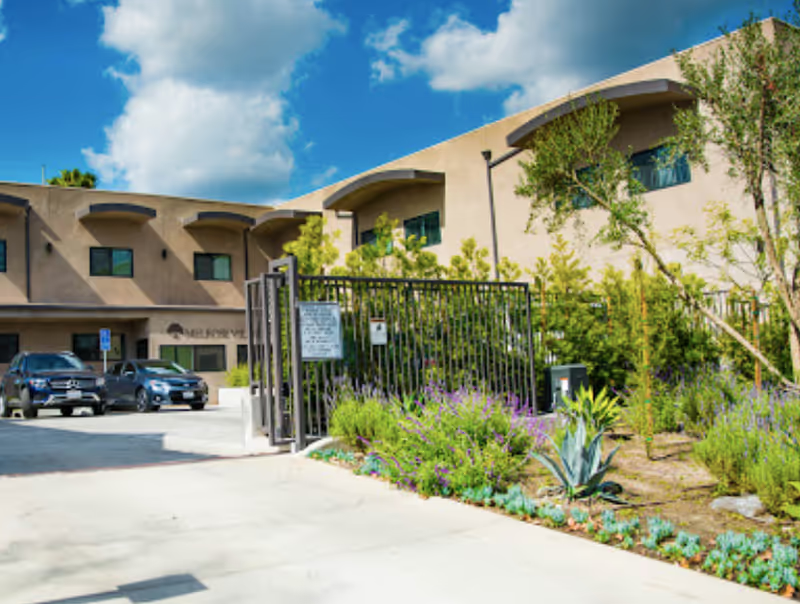
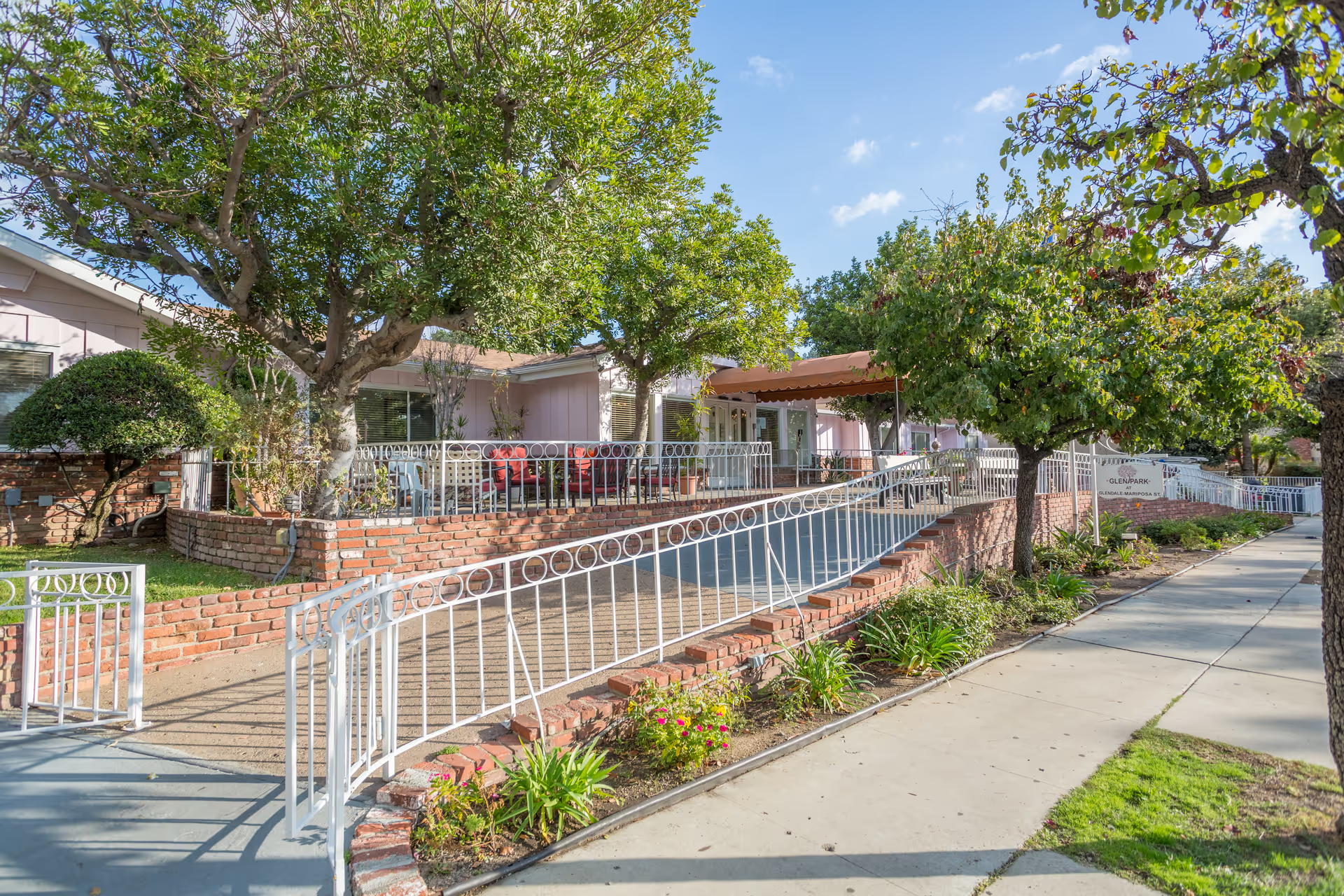
Facilities and operations: Clean, well-kept rooms and common areas are frequently noted, and some visitors highlighted efficient on-site services. At the same time, there are recurring sanitation and odor concerns in certain areas, delays in housekeeping or room turnover, and limited parking plus external-safety concerns related to the neighborhood. A small number of serious post-acute administrative issues were described, including concerns following a resident's death; these reports suggest areas where operational response and family communication may warrant review.
Overall pattern and recommendations: The facility demonstrates clear strengths in clinical rehabilitation and wound-care capabilities, and many families report positive, healing-focused experiences. However, variability in staffing, communication systems, cleanliness in parts of the building, and food quality create an inconsistent experience. Prospective residents and families should confirm current staffing ratios and medication administration protocols, ask about the phone/communication system and visitation policies, request specifics about wound and rehab teams, and tour multiple units to assess cleanliness and odor control before deciding.