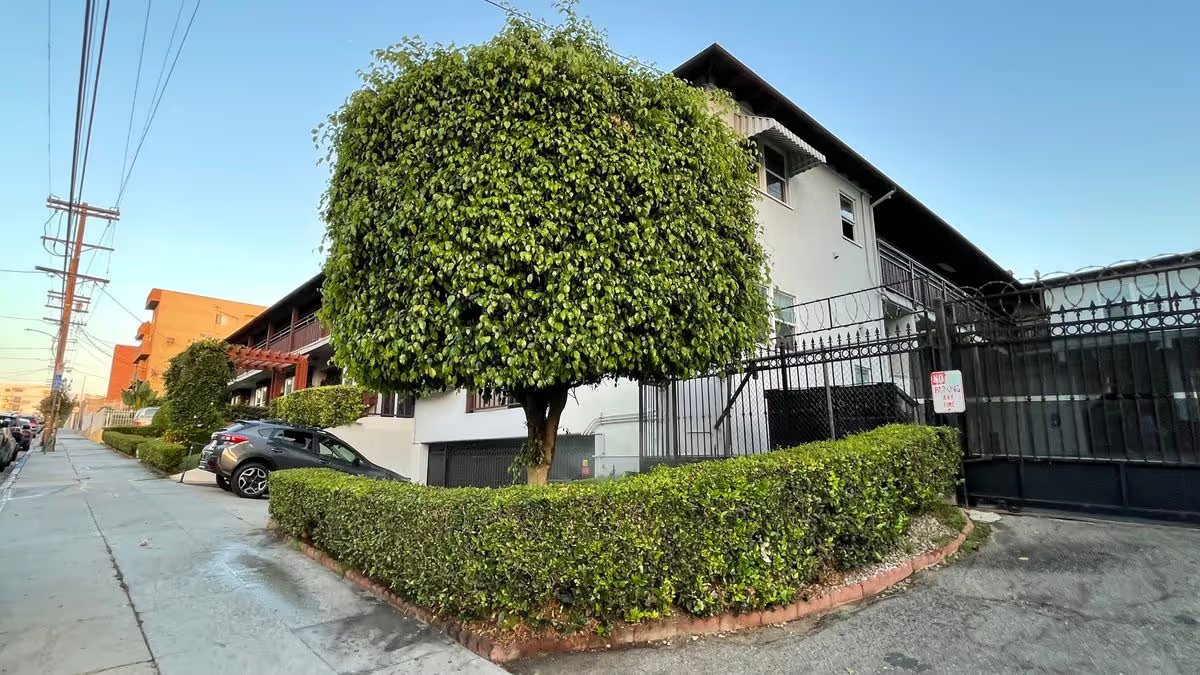
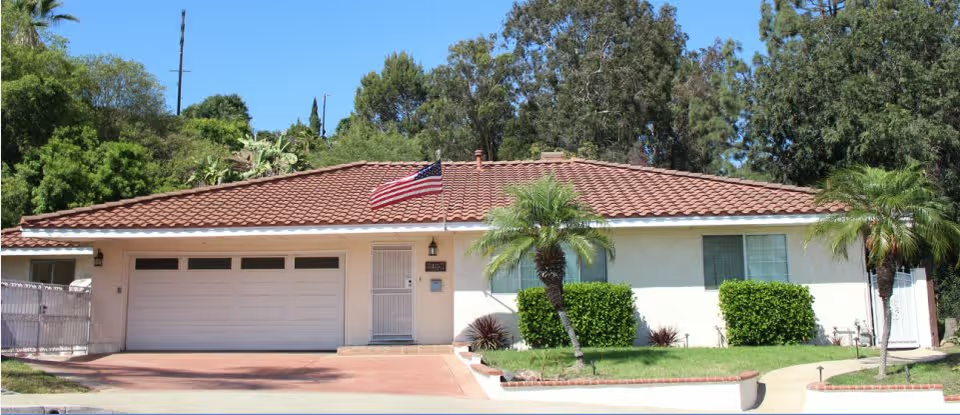
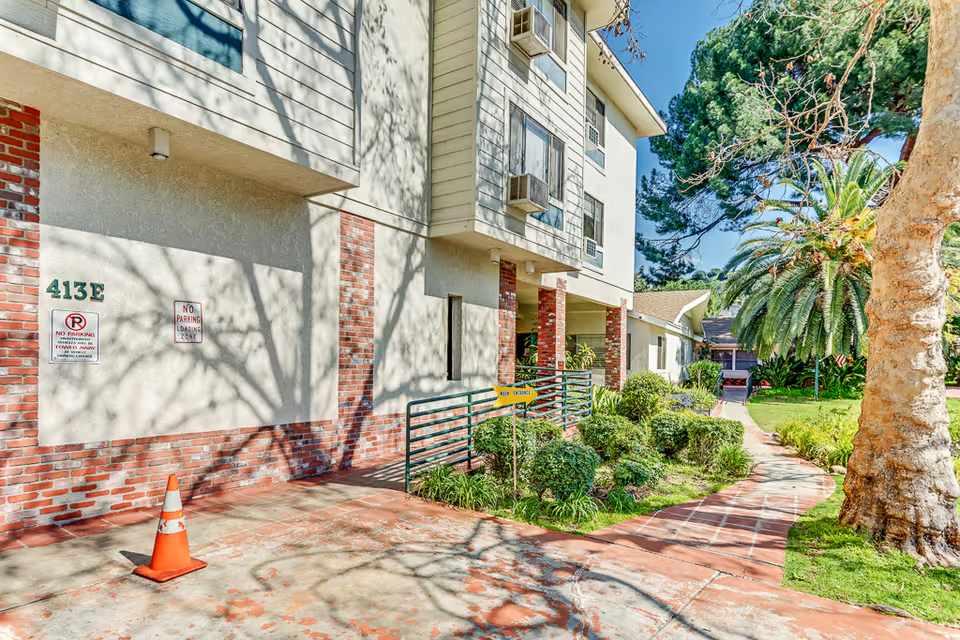
Hollenbeck Palms presents as a well-resourced continuing-care retirement community with a consistent emphasis on campus aesthetics, medical support, and a broad programmatic offering. The campus is repeatedly described as attractive and park-like, with well-maintained grounds, multiple dining venues, a chapel, salon services, and both historic and newly built living areas. Its continuing-care model is a prominent strength: independent living, assisted living, memory care, and a recently built skilled-nursing center coexist on a gated property where 24-hour nursing and physician availability are available to residents.
Care and staff receive strong, recurring praise. Reviewers emphasize attentive, compassionate, and professional caregivers, responsive medical attention (including rapid assessments and hospital transport when needed), and staff willingness to assist with move-in logistics, technology, and room personalization. Pandemic management and infection-control measures were noted positively by families. At the same time, a pattern of variable staff communication and occasional privacy-intrusion concerns appears; while many describe staff as supportive and family-like, some families experienced inconsistent communication tone or visits to apartments that felt intrusive.
Dining and programming are substantial features of campus life. The community offers multiple meal venues — an elegant formal dining room, a bistro, and casual options — and reviewers commonly cite varied meal choices, table-side chef visits, and customizable meals. However, feedback on food quality is mixed: many praise outstanding cuisine, while others describe periods of blandness or a perceived decline in meal quality over time. Activity programming is broad and robust, covering fitness classes, arts and lectures, clubs, religious services, and frequent cultural outings (concerts, operas, theater). Participation levels vary by household and period; the schedule is comprehensive, but resident engagement is not uniformly high across all groups.
Facilities combine historic character and modern amenities. Multiple buildings offer roomy apartments, accessible safety features in many units, and community amenities such as a gym, library, game rooms, and an ice cream parlor. Reviewers point to both elegant, hotel-like areas and older sections with dated finishes. Physical-access limitations are an operational consideration: several areas have many stairs or constrained layouts that may challenge residents with limited mobility and warrant advance assessment for accessibility needs.
Management and operations show strengths and some trade-offs. Families note helpful move-in support, prescription services, and on-site clinics, contributing to a sense of reassurance about continuity of care. The main persistent trade-off is financial: the community carries high entrance fees and a complex buy-in structure that may be prohibitive or confusing for some prospective residents. Additional operational themes include occasional reports of low staff visibility during certain periods and mixed impressions during tours or intake interactions. Overall sentiment is strongly positive regarding the quality of care, campus environment, and program offerings, with cost, older-building accessibility, and inconsistent dining or communication practices the most notable caveats for prospective residents and families to evaluate in person.