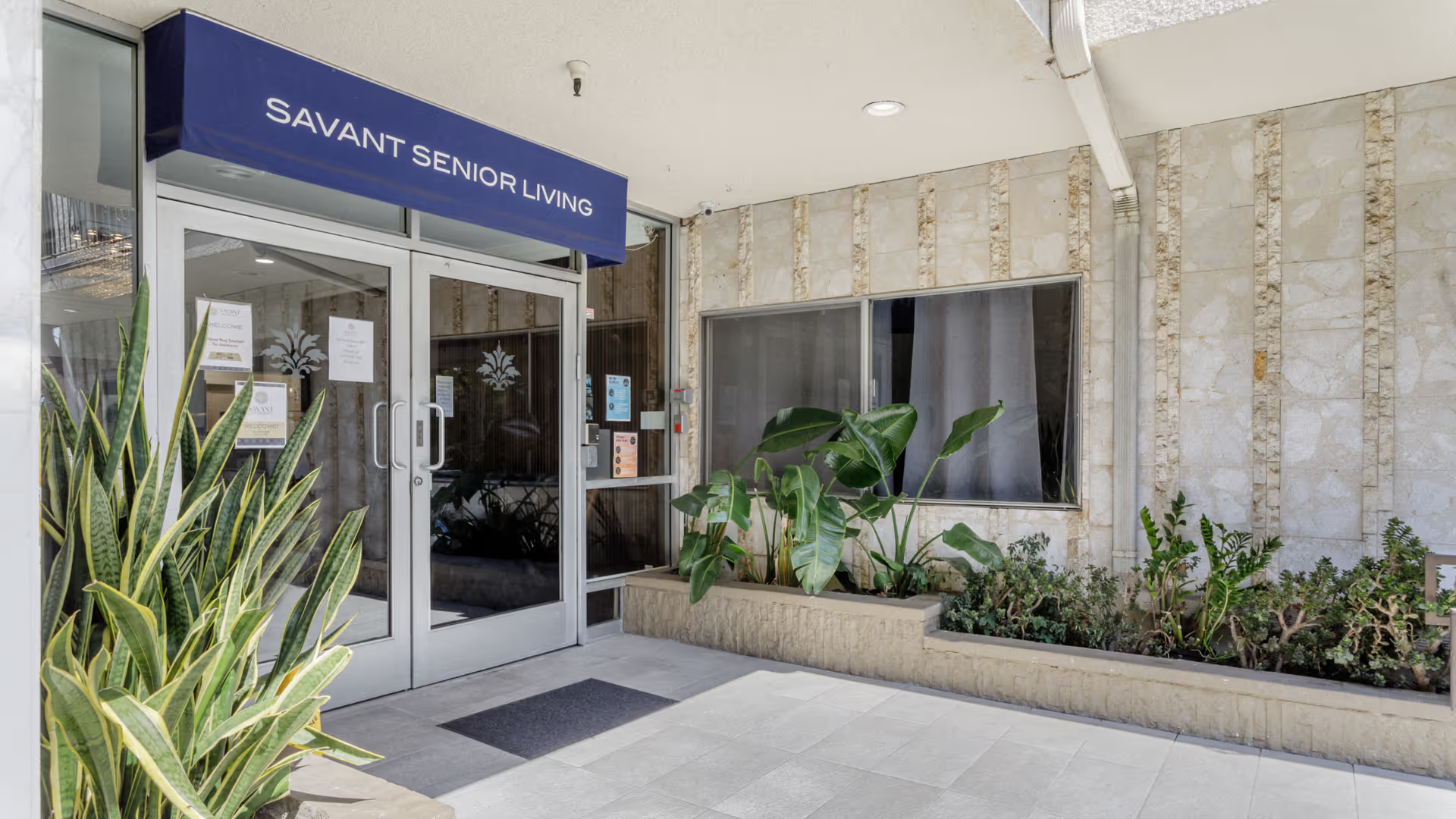
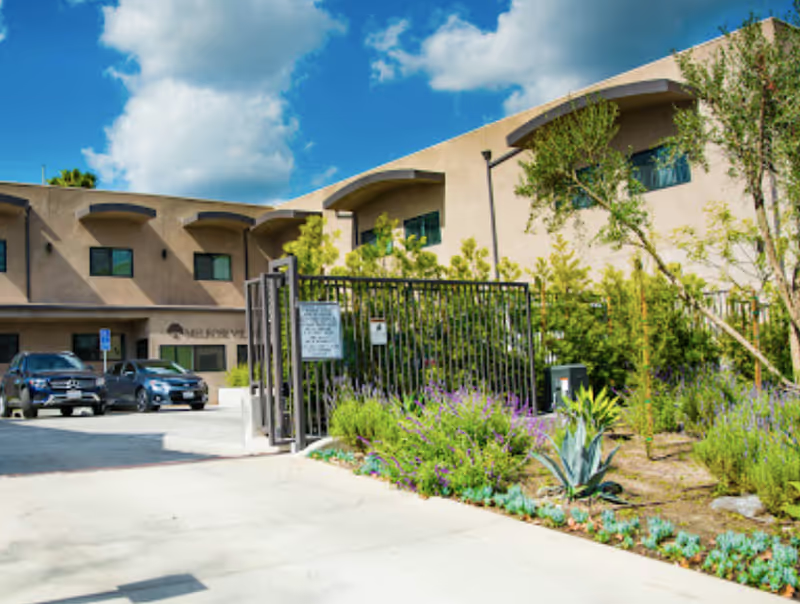
The reviews paint a mixed but actionable picture of Kennedy Care Center. Many families and residents praise the facility for friendly, compassionate caregivers, strong short-term rehabilitation outcomes, and a clean, renovated environment. Physical and occupational therapy services, when available, receive considerable positive feedback; admissions and case-management staff are frequently named for helpfulness and clarity. The campus, renovations, and available virtual tours were also noted as strengths that support ease of admission and orientation.
Care quality and staff behavior show clear divergence across reports. Numerous reviewers describe attentive nurses, supportive therapists, and individualized hands-on care; several family members credited specific staff and case managers with effective coordination and positive clinical results. Conversely, other reviews describe delays in staff response (especially on night shift), concerns about the tone of staff–family communication, and instances where family authority (POA) or discharge preferences were not acknowledged. There are also serious, isolated claims about withholding discharge and overly restrictive discharge practices; these are significant enough that some reviewers recommended escalation to a long-term care ombudsman. Overall, staffing consistency and policies governing discharge and family decision-making emerge as operational risk areas.
Dining and activities are similarly mixed. Activity programming and the recreation spaces receive positive comments — residents enjoying pancake mornings, organized programs, and a well-appointed activity room. Meal quality is frequently described as inconsistent; several families found the food lacking in nutrition or appeal and reported relying on outside meals. Prospective families should ask about meal planning for specific dietary needs and how alternatives are managed.
Facility upkeep and administration show contrasting impressions. Many reviewers highlight a bright, well-maintained facility with up-to-date rooms and a secure, orderly atmosphere. At the same time, recurring administrative concerns include delays or gaps in documentation delivery, difficulties accessing medical records, medication and inventory control failures (including missing medication counts and personal items), and occasional problems with property handling. A subset of reviews raises concerns about responsiveness from front-office staff and about insurance acceptance or billing limitations.
Notable patterns and practical guidance: the facility demonstrates clear strengths in rehabilitation, individualized care, and a welcoming physical environment, but there are persistent operational weaknesses around staffing consistency, medication/inventory control, family communication, and discharge procedures. Prospective residents and families should proactively verify night-shift staffing ratios, ask for written policies on discharge and POA recognition, perform detailed inventory of medications and valuables at admission, and confirm therapy scheduling and meal accommodations. If there are unresolved rights or discharge concerns, contacting the local long-term care ombudsman is a reasonable next step. The overall picture is of a facility capable of high-quality care for many residents, coupled with operational variability that families should assess directly during admission conversations and tours.