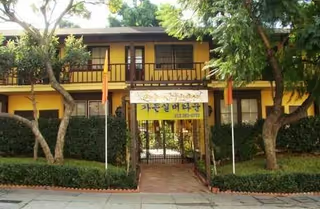
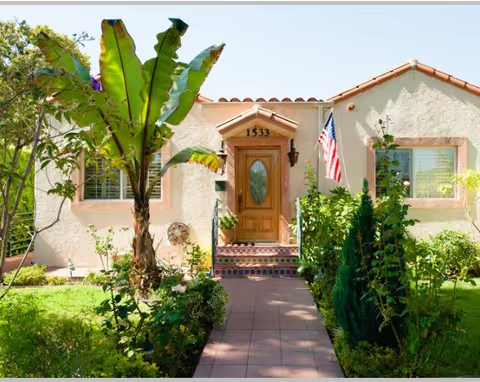
Overall impression: Olympia Convalescent Hospital is consistently described as a small, family-run convalescent facility with a strong emphasis on hands-on leadership, personalized care, and rehabilitation. Many families highlight rapid clinical improvement, effective physical/occupational/speech therapy, and attentive nursing and caregiver support. The facility’s small size and home-like atmosphere are repeatedly framed as strengths for residents who benefit from close staff continuity and individualized attention.
Care and clinical quality: Reviews emphasize attentive daily care, visible licensed nurses, multidisciplinary rehab services, and prompt responsiveness to family calls. Several accounts praise the quality of therapy (PT/OT/ST) and describe successful, timely discharges back home. At the same time, a minority of reviewers raised concerns about nursing leadership consistency and occasional clinical-process gaps, including discharge medication/document handling and incontinence-care delays. These items appear episodic in the feedback but are important operational patterns for prospective families to monitor.
Staff and management: Staff are widely characterized as compassionate, courteous, and proactive. Multilingual capacity (notably Korean, Spanish, and English) and specific staff members—particularly the social-work/marketing lead—receive frequent positive mention for communication and family assistance. Reviewers consistently note continuity of caregivers and an engaged ownership/management presence. Administrative experience during admission has mixed reports: many found the intake process helpful and guiding, while others experienced impatience or insufficient explanation during enrollment.
Dining and activities: Dining is commonly described as nutritious and culturally appropriate, with Korean options noted as a positive for many residents. Personalized meal planning and attentive nutrition oversight are strengths. Activity programming includes daily exercise, worship services, and social events; these are valued for supporting residents’ engagement. The small size supports individualized activities but also limits program variety and large-group social options relative to bigger institutions.
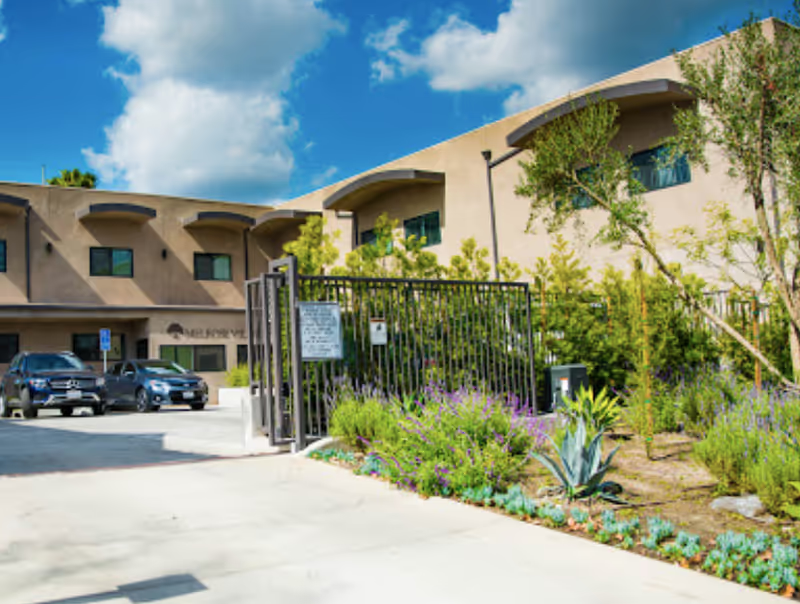
Facilities and infection control: Facility cleanliness is emphasized repeatedly—clean bathrooms, dining rooms, and hospital-grade standards are cited—alongside routine linen and room cleaning. Active infection-control measures (visitor screening, weekly or on-demand COVID testing, and PPE availability) are also highlighted. Physical features favorable to families include private rooms, ramps for wheelchair access, accessible parking, and an outdoor patio/backyard for visits. Reported drawbacks include limited indoor walking space and occasional exterior noise intrusion affecting quiet indoors.
Patterns and considerations: The dominant pattern across feedback is strong, personal caregiving and effective rehabilitation in a smaller, community-oriented setting. Prospective residents who value individualized attention, cultural food options, multilingual staff, and frequent family communication are likely to find this facility well-suited to their needs. Families prioritizing larger social programming, extensive indoor walking spaces, or highly standardized admission procedures should weigh those trade-offs. Also, because a small number of reviews flagged operational concerns (admissions communication, discharge documentation, incontinence-care timing, and variable clinical leadership), families are advised to ask specific questions at tour/admission about staffing patterns, discharge procedures, and incontinence-care protocols before placement.